Newsletters


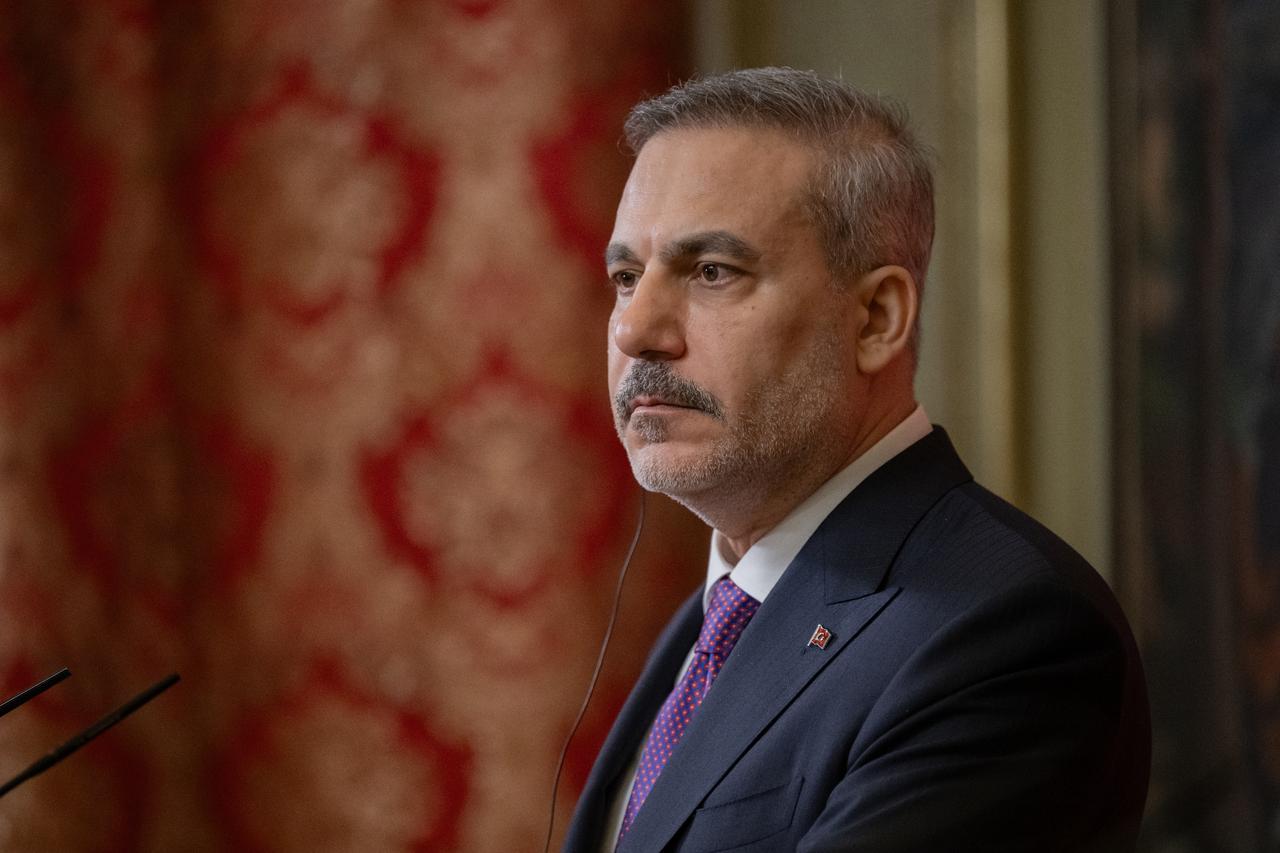


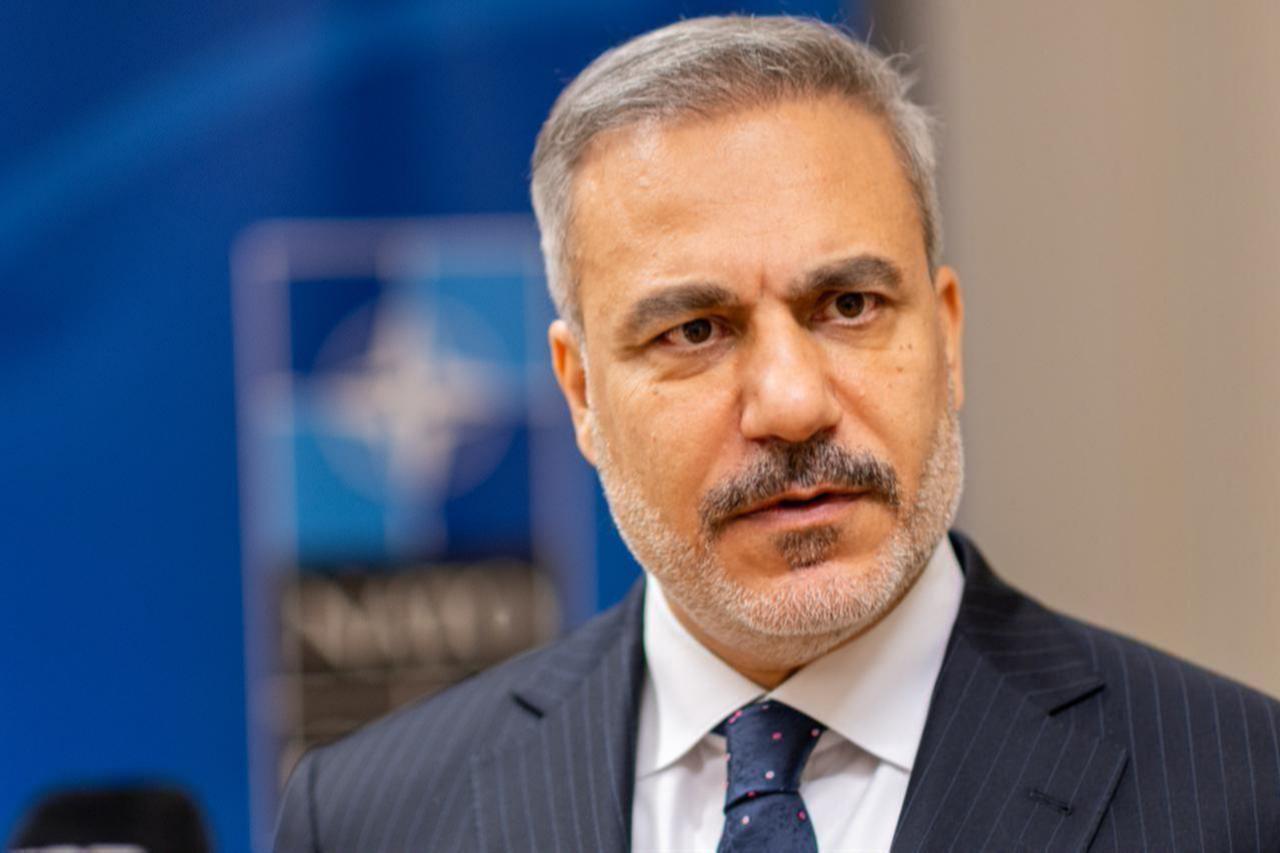
Turkish Foreign Minister Hakan Fidan has disclosed the specific technical questions that remain unresolved in the U.S.-Iran nuclear file.
He warned that Russia's position on Ukraine remains unchanged and said Trump's attendance at the NATO Ankara Summit depends on Türkiye's role as host, speaking to Turkish journalists during a visit to Moscow.
On the Iran deal, Fidan said an agreement in principle existed on the fate of Iran's enriched uranium, but that its implementation remained entirely unresolved.
"There is a principled understanding regarding the dilution of 400 kilograms of enriched uranium in Iran. But who will carry out the dilution, who will oversee it, and how it will be verified still need to be discussed," he said.
He identified two core nuclear questions requiring resolution: the disposition of the existing stockpile and the structure of any future enrichment moratorium.
The top Turkish diplomat stated that wartime security conditions and Iran's deep distrust of the United States had created severe asymmetries in the pace of negotiations.
"While the U.S. side could respond within an hour, the Iranians sometimes needed a week," he said.
He added that Israeli actions in Lebanon had directly delayed the process, noting, "Israel's occupation of Lebanon slowed the process," adding that he had personally encouraged both sides to engage in direct talks rather than relying solely on mediators.
He described Pakistan's and Qatar's contributions to mediation as significant and said Türkiye had worked "at an incredible pace" throughout, with regional leaders convening in a teleconference with Trump, marking what he described as "a key turning point."

On the Russia-Ukraine war, Fidan was direct: Moscow had not moved.
"During my meetings in Russia, I observed that Russian officials' views on Ukraine have not changed. They say, 'There is no chance of this happening until the Donetsk issue is resolved,'" he stated.
He described Türkiye's bilateral relationship with Russia as constructive and durable despite difficult subject matter, citing a capacity to "cooperate and build trust even when we have had very serious disagreements."
He said both leaders, Erdogan and Putin, defended their countries' interests within clear principles and maintained a constructive disposition.
Fidan offered a frank assessment of why Trump's attendance at the July 7-8 NATO Ankara Summit was not guaranteed in the absence of Türkiye's hosting role.
"Many European countries say that the fact that the meeting will be hosted by our president in Türkiye is the most important factor making President Trump's participation possible," he said.
"If it were not for our president and if it were not Türkiye, Trump would not attend and would have effectively declared that he does not attach importance to the summit," Fidan noted.
He described the summit's core challenge as navigating the differences between the United States and European allies in their approaches to NATO.
"There are very important issues, and it is not possible for them to be decided at a meeting where the U.S. president is absent," he added.
Fidan was sharply critical of Israeli regional conduct, describing it as a global problem rather than one limited to a handful of states.
"Israel wants destruction in the region. It wants to occupy some countries and employ terrorism. This has consequences for global security as well as the economy. We are seeing Israel face increasing diplomatic backlash. We hope this diplomatic response will produce results and that all countries in our region will live in peace, stability and prosperity," he said.
He noted that the Iran-U.S.-Israel conflict had displaced international attention from Gaza and expressed hope that once the Iran crisis eased, regional countries could refocus on the Palestinian issue.
Fidan added that the Türkiye's National Intelligence Organization was involved in efforts to reach a framework for the second phase of Gaza ceasefire negotiations.
On South Caucasus cooperation, Fidan said Türkiye and Russia had agreed to activate the 3+3 regional platform involving Türkiye, Russia, Azerbaijan, Iran, Armenia and Georgia, describing it as an important mechanism for deepening regional cooperation.
He said recent talks between Azerbaijan, Türkiye and Georgia had focused on connectivity, including the Middle Corridor's link to Türkiye, and described Türkiye's normalization track with Armenia as progressing under Erdogan's leadership.


 Set as preferred source
 Set as preferred source


 1 min read
 1 min read