Newsletters




Following the NATO summit, Türkiye plans to expand its presence in Syria and Iraq, with the nature and tone of the expansion varying between the two countries.
According to sources familiar with the situation, Türkiye may move to operationalize ongoing efforts to establish a presence in central Syria in the coming months.
At the same time, Ankara intends to take steps to facilitate the integration process between Damascus and the YPG, as well as deepen commercial and economic integration with Syria through an energy framework.
Reading the region holistically through the lenses of stability, partnership, and development, Ankara is establishing a new north-south axis of stability through its partnership-building efforts further south.
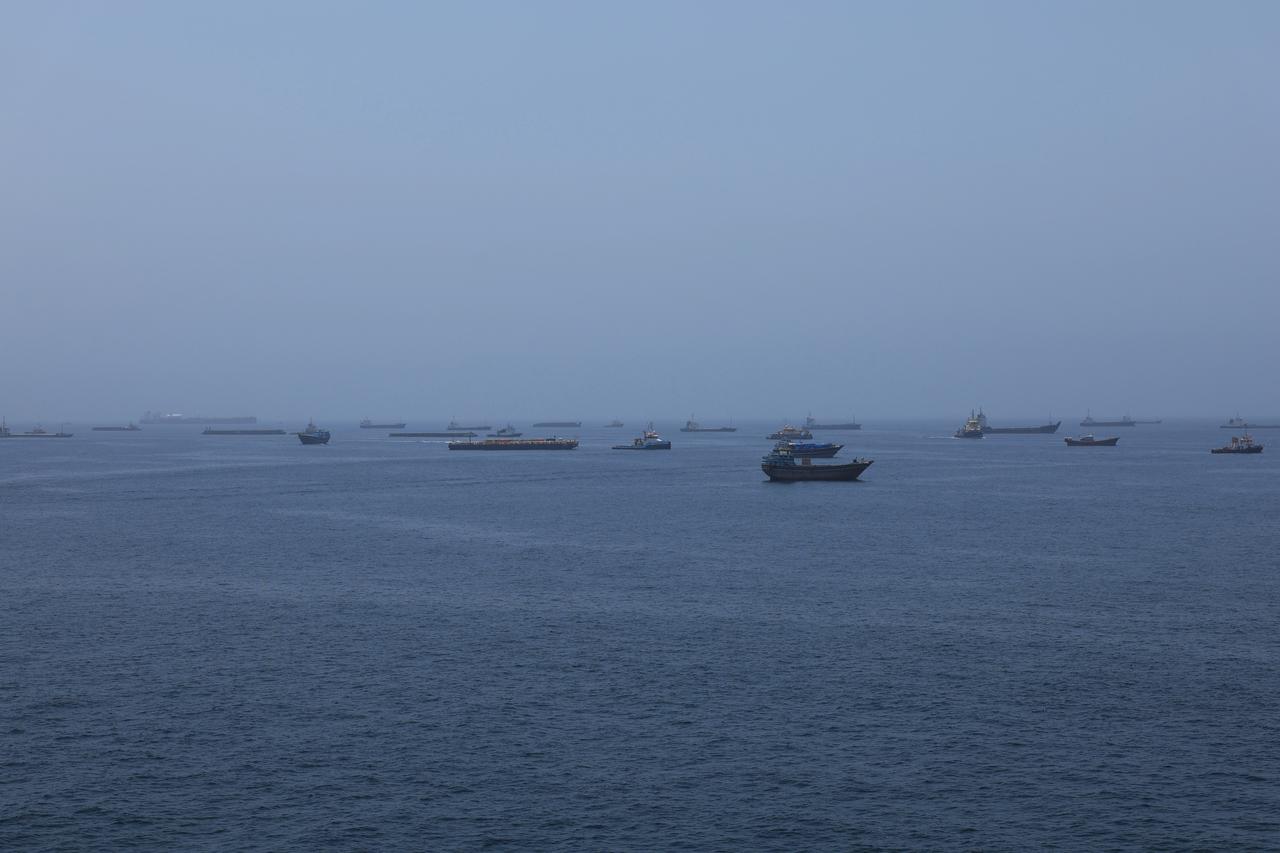
As part of this chain of ambitions and actions, Ankara, Baghdad, and Erbil are also discussing expanding the Iraq Development Road project beyond a mere overland corridor to include an energy and commercial transit route, considering the lessons of the Hormuz crisis.
Ankara is also expected to act soon to bring clarity and coherence to the negotiations with the PKK, which it sees as a complementary node in the process and for internal peace.
The north-south axis of partnership represented by the railway project, which began in Saudi Arabia and is planned to extend to Türkiye, is also being pursued in Iraq through an upgraded Development Road project.
Despite ongoing debates over the costs of upgrading the development road project to partially incorporate an energy transit line, a recent statement by Türkiye's transport and infrastructure minister reveals how Ankara is strategically mapping the regional opportunities emerging from the Iran war and the Hormuz Crisis.
"This project is not just a highway and railway; it is a massive corridor encompassing energy and communications lines as well. Had we completed this project and the modern Hejaz Railway today, the world would not be talking so much about the Strait of Hormuz. We are currently waiting for the conflict environment in the region to calm down, and then we will proceed," he said.
Several idle projects are already being discussed as instruments to improve Iraq's development path. One of them is the Basra-Haditha-Kirkuk Strategic Pipeline, and the other is the Akkas (Anbar) to Baghdad natural gas pipeline project. These two dormant routes are among the topics under discussion between Türkiye and Iraq.
By connecting Baiji and Daura to these lines, the goal is to make Iraq and the Kurdistan Regional Government (KRG) in northern Iraq more crisis-resistant and stable, reducing reliance on European markets.
While the success of Türkiye's negotiations with the PKK will undoubtedly have an impact on these moves, any setback could be mitigated through Ankara-Baghdad-Erbil cooperation. Ankara appears to have calculated this matrix and connected its layers appropriately.
Other options, beginning in Saudi Arabia and planned to connect through Jordan to Syria and Iraq before extending to Türkiye, have already appeared on the investment agendas of some private companies.
Energy security, diversified transit routes, partnerships stitched together across multiple capitals—Türkiye is betting that its dual role as regional peacemaker and energy hub can work for everyone at the table. If that bet holds, the Middle East that emerges over the next decade may look very different from the one we know today.

But Israel is one of the biggest obstacles in the way.
Israel’s potential to create instability through an aggressive and expansionist policy, supported by military action, continues to be a major concern.
Despite the threat from Israel, which is fuelling the Iran war and creating a global crisis, Ankara wants to expand its north-south strategy in Lebanon, bringing regional states into the process as stakeholders. But Israel’s stance on the Lebanese front and on the Syrian border has suspended the timeline and planned actions in Beirut and Tripoli.
It looks, in many ways, like a classical developmentalist playbook. But that is precisely what Ankara has promised the region—and, for now, what its neighbors and regional interlocutors have chosen to accept.
In the short and medium term, it could open the door to economic and political transformation and wider alliances across the region.
Unlike Israel's expansionism or the assumptions baked into most Western analysis, Türkiye's strategy rests on a different set of pillars: stability, partnership, and development.


 Set as preferred source
 Set as preferred source


 6 min read