

 Newsletters




This article was originally written for Türkiye Today’s weekly newsletter, Saturday's Wrap-up, in its July 18, 2026, issue. Please make sure you subscribe to the newsletter by clicking here.
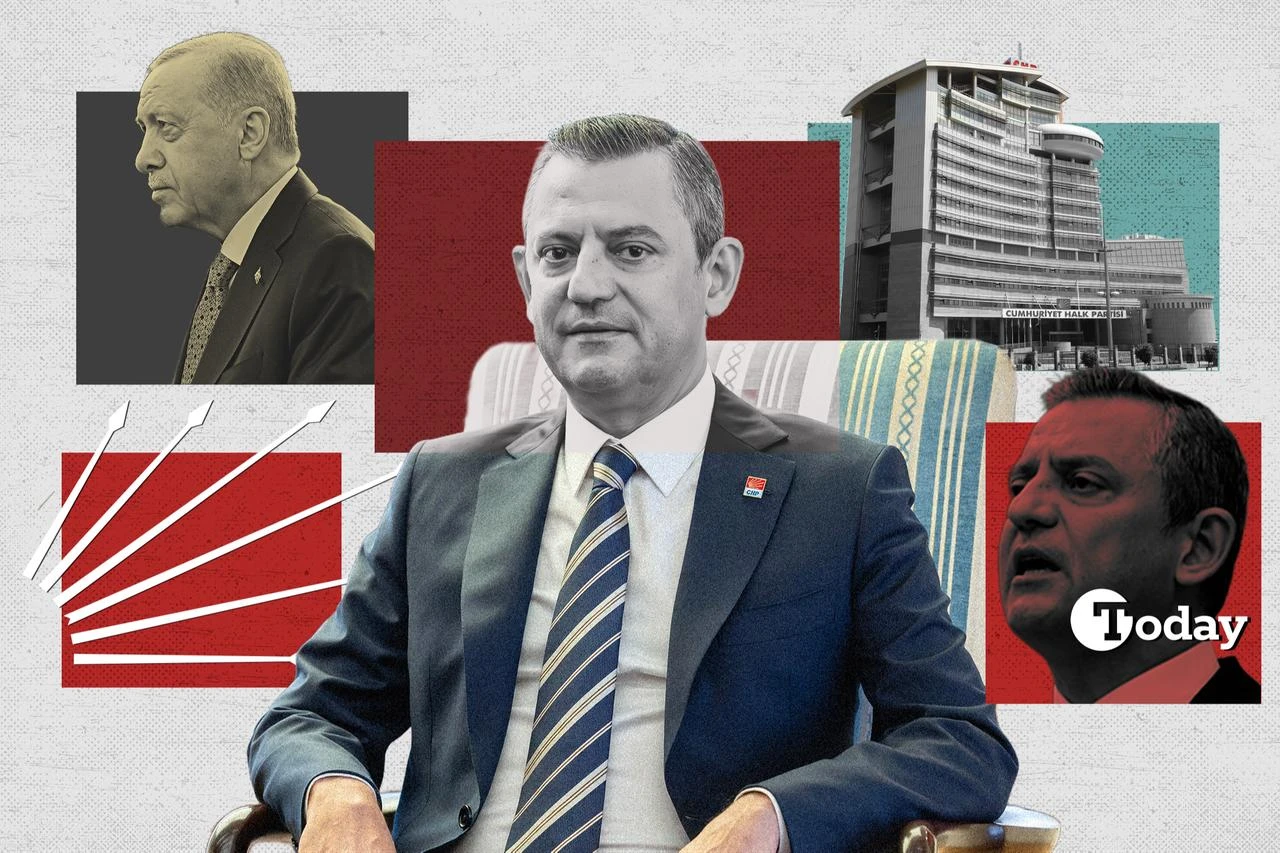
Recently suspended Republican People's Party (CHP) Chairman Ozgur Ozel has made his next move finally clear. Speaking to the press this week, Ozel announced that preparations to establish a new political party are well underway, with formal steps expected by early August. As the legal saga surrounding the annulment of the CHP’s 2023 congress stretches on, Ozel and his team are not waiting around. They have found a major political wave to capitalize on, and such moves sometimes come once in a lifetime. If they stay in the party, and fight for the leadership, which may take some time, the political capital may well disappear.
When asked about the banner under which he will rally his supporters, Ozel was remarkably pragmatic. "We are working on the name and logo. The generally accepted name is clear; for now, let's call it 'New Party' (Yeni Parti)," he stated. According to journalist Deniz Zeyrek, the leadership initially weighed names like "Yuruyus" and "Istiklal" before settling on the straightforward "Yeni Parti"—a moniker intended to convey immediate change while leaving the door open for a "New CHP" narrative.
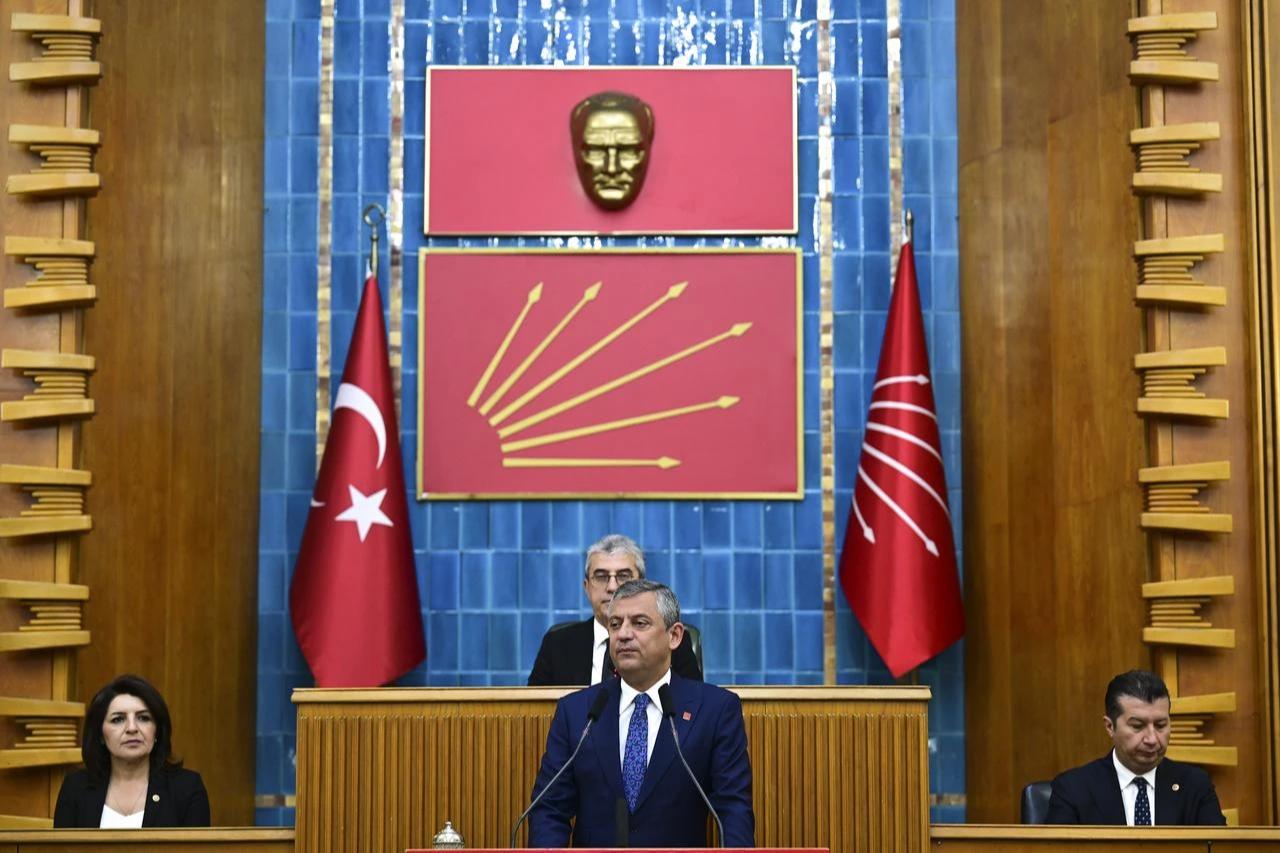

Ozel has found significant political capital in the wake of his suspension. With public sympathy and a core cadre of MPs behind him, the New Party may quickly become the new center-left opposition, effectively replacing the traditional institutional CHP. Yet, as Hurriyet columnist Abdulkadir Selvi summarized, this new entity will essentially be "a CHP without the CHP."
However, this transition carries a profound risk for the opposition. The New Party may not challenge the governing AK Party enough. Stripped of the CHP's historic institutional weight and strong financial resources, it could gradually turn into a status-quo-friendly, Ankara-centric party over time. This is what President Erdogan would like to see. Without the strong financial backing, and burdened by a limited local reach, the New Party is likely to struggle along the way. Many prominent names, such as former finance minister Ali Babacan, former prime minister Ahmet Davutolgu, and former presidential candidate Muharrem Ince have embarked on such a journey, but failed to gain significant political support.
To understand why this is happening, one must look at what President Recep Tayyip Erdogan has been anticipating from Ozgur Ozel. The answer lies in the fragile, transactional nature of the opposition's internal alliances, specifically concerning Istanbul Mayor Ekrem Imamoglu.
As a politician who became an MP at the age of 36 during Kemal Kılıcdaroglu’s term, Ozel had no ideological ties or loyalty to Imamoglu. In fact, one could argue that nobody in the CHP holds genuine ideological loyalty to Imamoglu. To put it briefly, Imamoglu has no strong ideology that can, in and of itself, create a major political movement. His punchline is his ability to galvanize anti-Erdogan votes as he can attract different segments of Turkish public as a politician who drinks alcohol, prays in mosques, watches a ballet recital, and quotes Türkiye's leftist figures. A weird combination, but Imamoglu made it work in the eyes of a Turkish voter. That resulted in a benefit-based alliance with Imamoglu inside the CHP, as he was seen as the only viable option in the next presidential elections to beat President Erdogan.
Contrast this with the President. When Erdogan first became prime minister in 2003, he had a strong, undeniable ideological base, and millions of pious Turks saw him as a champion against secular, Kemalist patronage. Therefore, Erdogan always saw Imamoglu as a weak candidate as he deemed the bond between CHP and Imamoglu easy to break. Erdogan has been waiting for the opposition's internal contradictions to resolve themselves, and Ozel’s departure provides exactly that. By formalizing a separate path, Ozel unwittingly aids in severing the institutional left from Imamoglu's transactional coalition.
Ultimately, while Ankara is mature enough to avoid blind optimism, watching the opposition willingly dismantle its most potent electoral alliance is offering Turkish policymakers a profound, silent joy.


 Set as preferred source
 Set as preferred source


 1 min read
 1 min read


