Newsletters


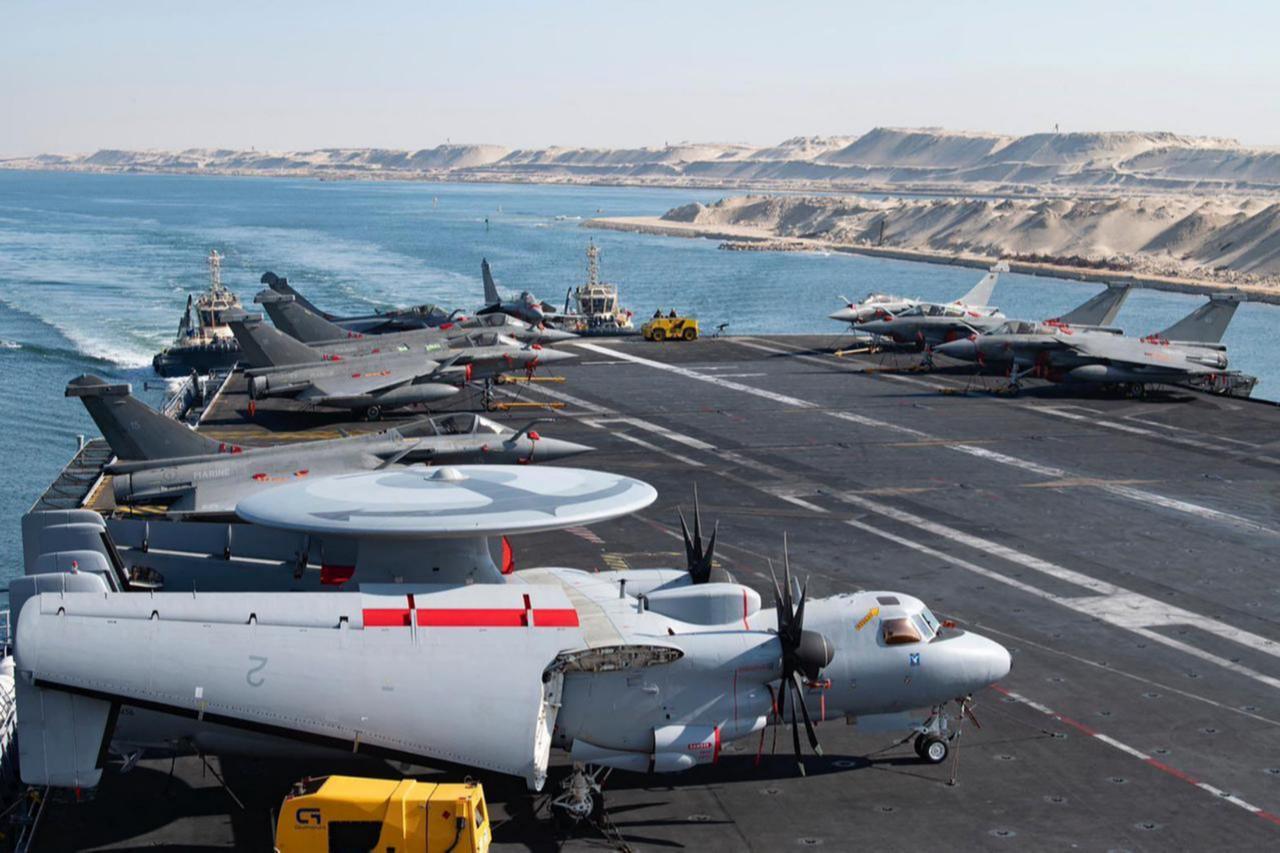


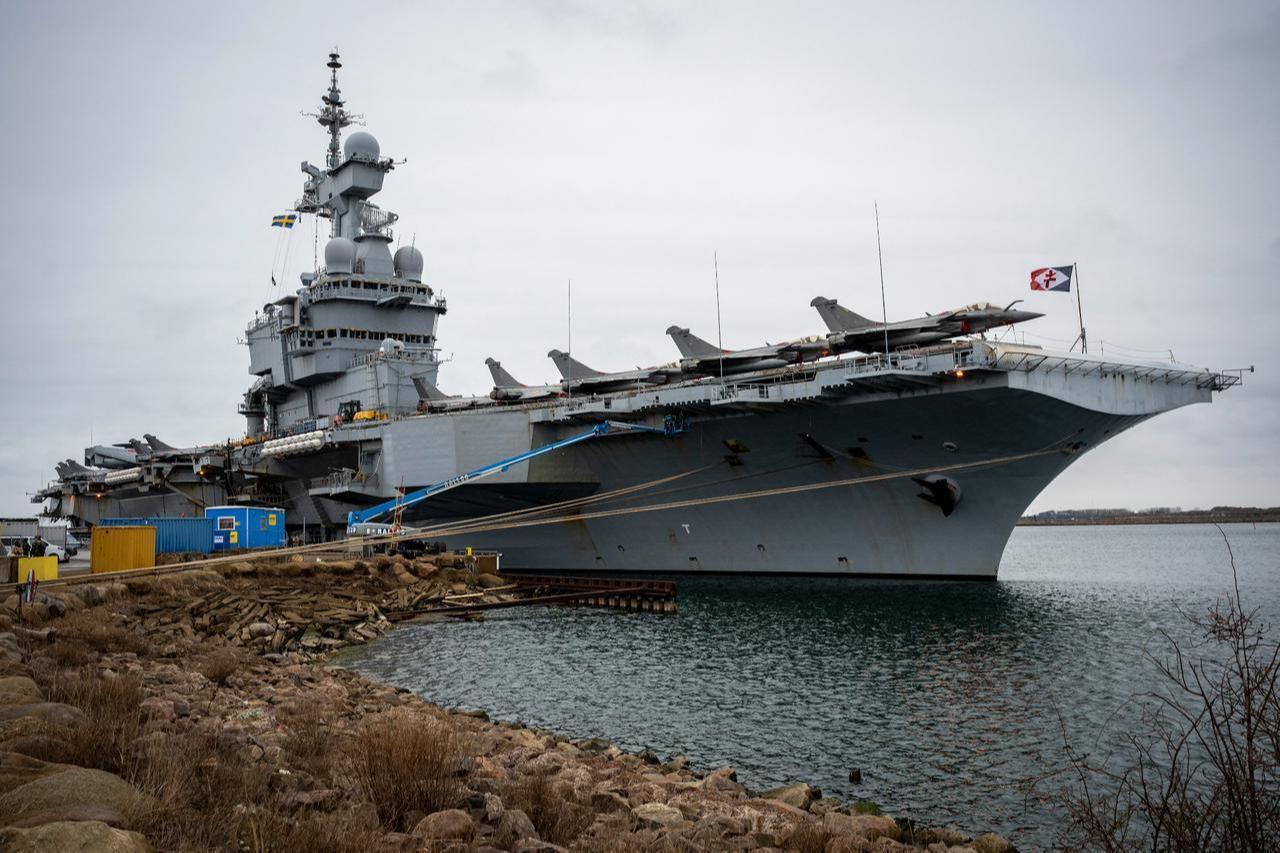
On the sixth of this month, France announced the deployment of its aircraft carrier “Charles de Gaulle” toward the Red Sea, aiming to approach the Gulf as part of a regional coordination mission to secure the Strait of Hormuz.
It is well known that France, along with other European countries, is deeply concerned about and affected by the current conflict—particularly the disruption of oil supplies and its repercussions.
However, the key question is: will the French succeed where the Americans have failed?
Just hours before the announcement of the carrier’s deployment, a French cargo ship was subjected to a missile attack in the strait. Despite the ship sustaining damage and crew members being injured, President Emmanuel Macron stated that France was not being targeted by the Iranians.
French media claimed the attack was not directed at France and noted that vessels from other countries, such as South Korea, had also been targeted. The ship’s command was also accused of failing to coordinate security measures in advance.
In this complex situation, the Charles de Gaulle is heading to its destination amid missiles, threats, and the confusion surrounding stalled efforts to reach an agreement.
At the same time, U.S. Secretary of Defense Pete Hegseth issued a statement threatening Iran with a “devastating” response if it targets American naval forces or “innocent” commercial vessels.
The problem with this statement—and similar strong warnings issued by the Americans in recent weeks, including threats to erase Iranian civilization—is that they have not been followed by action. There appear to be clear reasons that make the implementation of such threats difficult.

The United States has not only failed to deter Iranian threats but has also abandoned the plan announced by President Trump to secure the Strait of Hormuz through a naval escort mission for commercial ships. Trump withdrew the plan just two days after announcing it.
The reason Trump gave via his Truth Social platform was peculiar: he claimed significant progress had been made toward a comprehensive and final agreement with the Iranians. This progress, he said, led to the suspension of the operation dubbed “Freedom" to assess whether the agreement could be finalized.
Trump continues his strategy of sending contradictory messages—alternating between expressing a desire for peace and asserting the necessity of military decisiveness and the destruction of Iran. While repeatedly claiming that military operations had achieved their objectives, he maintains a suffocating siege on Iran.
The American confusion became evident when Iran closed the Strait of Hormuz. Although this move was not entirely unexpected given Iran’s long-standing threats, the U.S. appeared surprised and unprepared.
Even in his statement regarding the prospective agreement, Trump presented a contradictory outlook. He suggested there was no longer a need for naval escorts because the crisis was on its way to resolution, only to conclude by saying that nothing is certain and the expected deal might never materialize.
Observers were encouraged by reports from Axios claiming that a memorandum of understanding between the American and Iranian sides was close to being reached by the end of last week.
The proposed paper reportedly included a ceasefire and negotiations on disputed issues, primarily Iran’s nuclear program and the status of the Strait of Hormuz.
While everyone hopes for an end to this regional chaos, several reasons justify skepticism about reaching a final solution soon. Chief among these is the continued bombardment; at the time of writing, American forces were targeting Iranian oil tankers, with reports of reciprocal exchanges of fire.
Additionally, the Iranian position remains stubborn. Although Tehran has shown some flexibility regarding international inspections of its nuclear sites and uranium enrichment levels, it still refuses any agreement that would permanently end its enrichment efforts or lead to the dismantling of its nuclear facilities.
In recent days, Iranian Foreign Minister Abbas Araghchi visited Beijing and Moscow—the two capitals with which Tehran enjoys special relations.
The U.S. and its allies are currently trying to persuade these two countries, which benefit directly or indirectly from the current energy crisis and the entanglement of rival international powers, not to encourage further Iranian intransigence. They are being asked to convince Tehran that its actions in the Strait of Hormuz will lead to international isolation.
U.S. Secretary of State Marco Rubio urged China—Iran’s largest oil buyer, which is at times accused of providing advanced logistical, intelligence, and military support to Tehran—to play a positive role by pressuring Iran.
Amid talks of a summit between the Chinese and American presidents, the U.S. announced sanctions on three Chinese companies accused of supplying Iran with satellite imagery that enabled strikes on American forces in the region.
By deploying the Charles de Gaulle, Europe’s largest nuclear-powered aircraft carrier, at this particular time, the French are sending several messages to the region and to the Americans.
The most important is that France is still present and possesses sufficient capabilities to assist the United States and President Trump, who has frequently criticized Europeans for their passivity and reluctance to intervene.
The second message is that France, whose international standing has declined significantly in recent years, is returning as an influential player capable of making a difference through leadership and coordination with other European countries.
By summoning Charles de Gaulle, which previously participated in military operations in the Gulf, Afghanistan, and Libya, France is demonstrating its power while telling the Americans that European partner nations can act independently of NATO.
The first Iranian response to the deployment came from Deputy Foreign Minister Kazem Gharibabadi, who stated: “We remind them that in both war and peace, the Islamic Republic of Iran is the only party capable of establishing security in this strait, and it will not allow any country to interfere in such matters.”
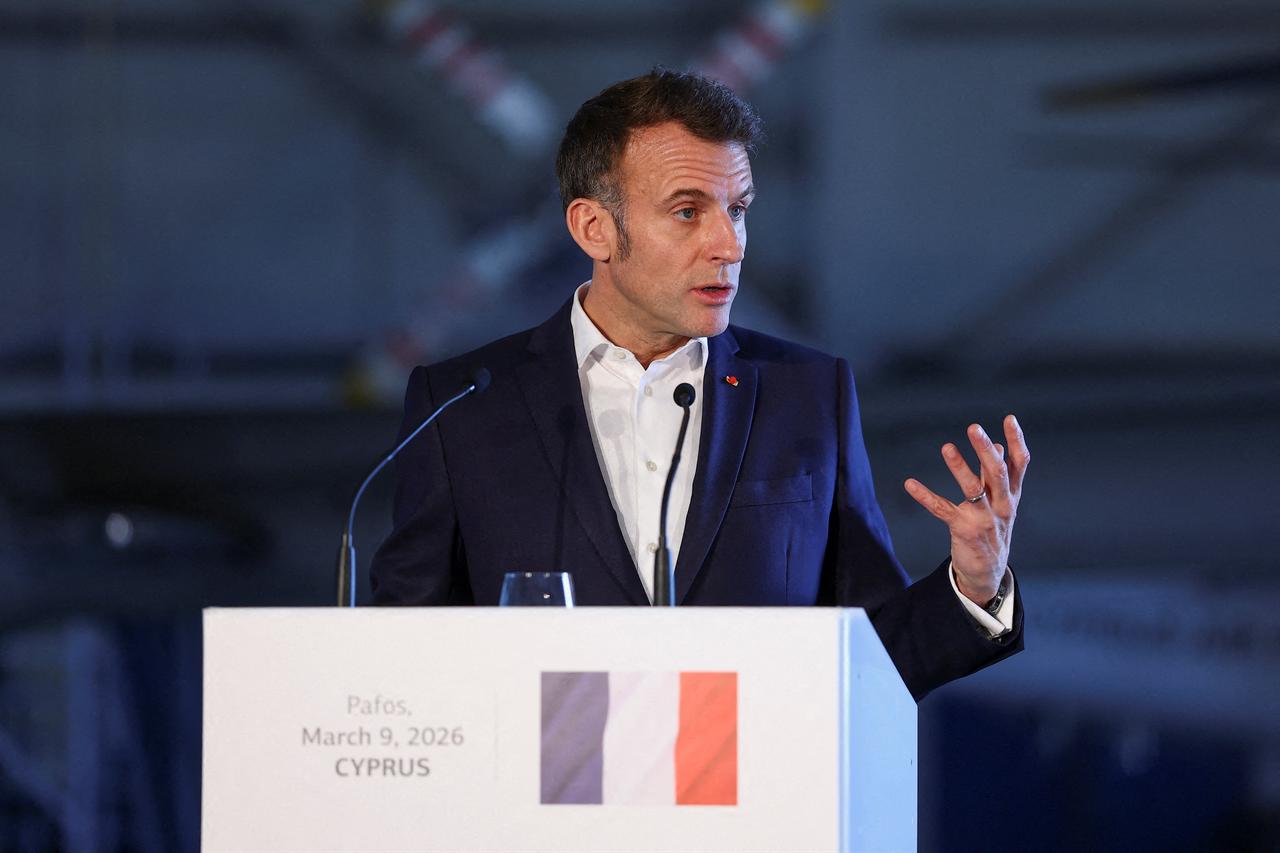
In response to Iranian objections, Macron clarified during a press conference in Nairobi, Kenya, that France would not use the Charles de Gaulle—which will not even reach the strait—for any hostile action. Instead, he said, it aims to secure maritime navigation in coordination with Iran.
It is clear that the French do not wish to become directly involved in this war. The real question, however, is different. What is the actual benefit of deploying the Charles de Gaulle, and will it truly help reopen the strait to navigation?
The only visible benefit appears to be Paris’s desire during this period to project itself as an influential power—something President Macron is seeking to highlight not only through the carrier but also through his current diplomatic tour of Africa.
This tour, which includes several countries and culminates in a Franco-African summit, seems primarily aimed at restoring France’s lost prestige and influence on the continent.


 Set as preferred source
 Set as preferred source


 1 min read

 1 min read