Newsletters


Israelis overwhelmingly believe Iran emerged stronger from the Middle East war and its subsequent deal with the United States, according to a poll by the Hebrew University of Jerusalem in collaboration with the Agam Institute.
The survey of 3,644 respondents, conducted between June 17 and 20, found that 92.1% of those polled said Iran had won or gained more from the conflict, while 82.9% felt Israel's long-term security had been weakened as a result.
The poll found that the view that Iran came out ahead extends even into Prime Minister Benjamin Netanyahu's own political base.
Among voters who support the right-wing bloc, 93.1% said they believed Iran had won the conflict.
Opposition to the U.S.-Iran agreement was widespread across the sample, with 63.2% of respondents opposing it, compared with just 12.1% expressing support.
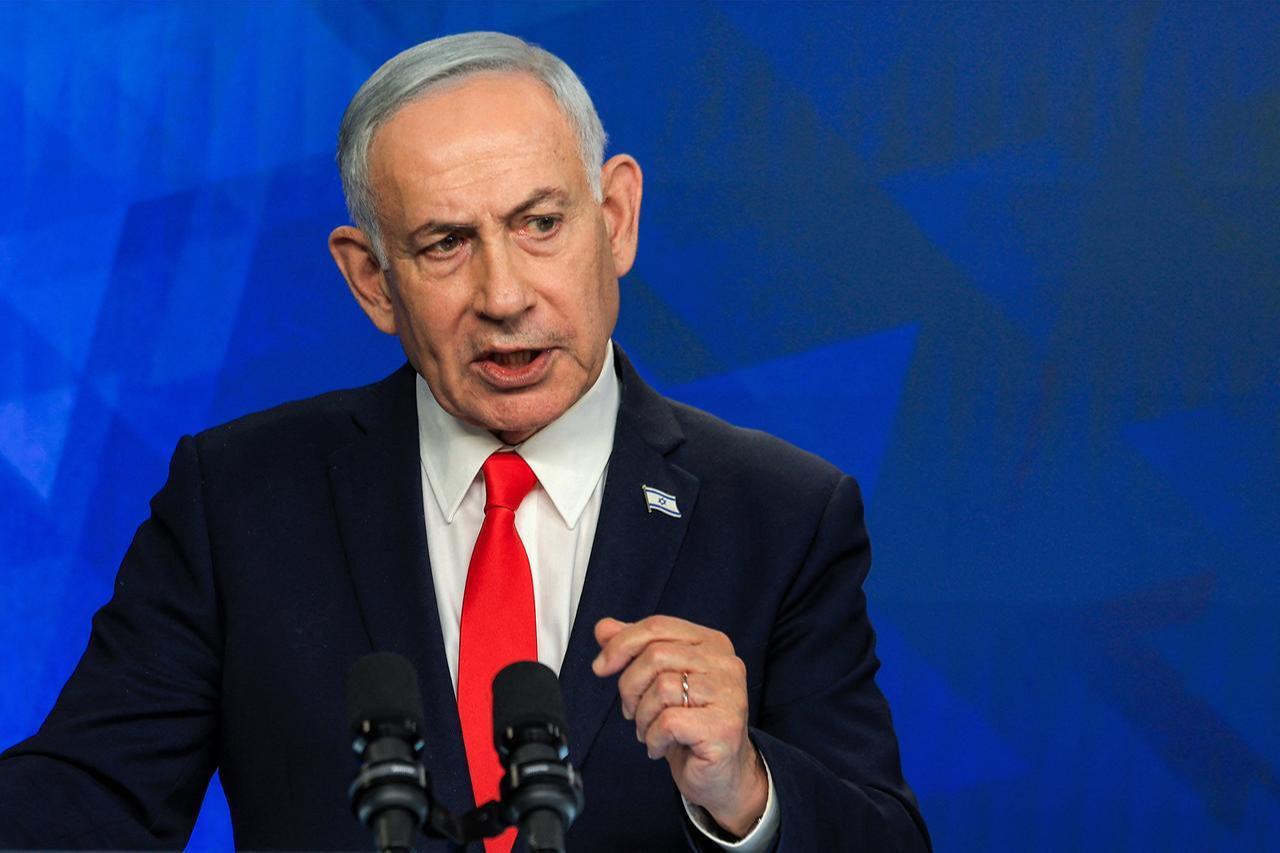

The findings point to a broader crisis of confidence in Israel's wartime leadership.
Nearly three-quarters of respondents, 72.5%, said they did not believe Netanyahu's claims about the achievements of the military campaign, while 56.4% rated his management of the campaign as "failed" or "poor."
The poll also measured a steep political cost for Netanyahu personally.
Support for his premiership fell from 40.5% in early March to 29.4% in June.
Despite the broader dissatisfaction, the survey found continued public appetite for military action against Hezbollah in Lebanon.
Nearly half of respondents, 48.2%, said they would back renewed major military action against Hezbollah even if it risked confrontation with Washington, while only 21% opposed such a move.
A separate, earlier study by the Hebrew University and Agam Institute, fielded between Feb. 26 and March 3, 2026, with 3,217 respondents, shortly after the war began on Feb. 28, found that the outbreak of fighting had a sharp and immediate effect on Israeli public morale, even as broader optimism about the country's future also increased.
According to that survey, the share of Israelis reporting great concern for their personal safety nearly doubled after the war began, rising from about 22% to approximately 45%.
Concern for the state's national security rose similarly, with nearly half of Israelis reporting high levels of concern after the outbreak of the war, compared with about one-third beforehand.
At the same time, the March poll found a parallel rise in national optimism, a pattern researchers described as a "rally around the flag" effect. Before the war, about 37% of Israelis expressed optimism about the country's future, a share roughly matched by those expressing pessimism.
After the war began, the share expressing optimism rose to roughly half of the Israeli public, compared with about a quarter expressing pessimism.
The March poll also found that, among the subset of respondents who began the survey after the Feb. 28 attack on Iran, nearly two-thirds of Israelis, about 63%, supported the Israeli-American strike on Iran, compared with 24% who opposed it, the vast majority of whom were Arab citizens of Israel. About 13% remained undecided.


 Set as preferred source
 Set as preferred source



 2 min read