Newsletters


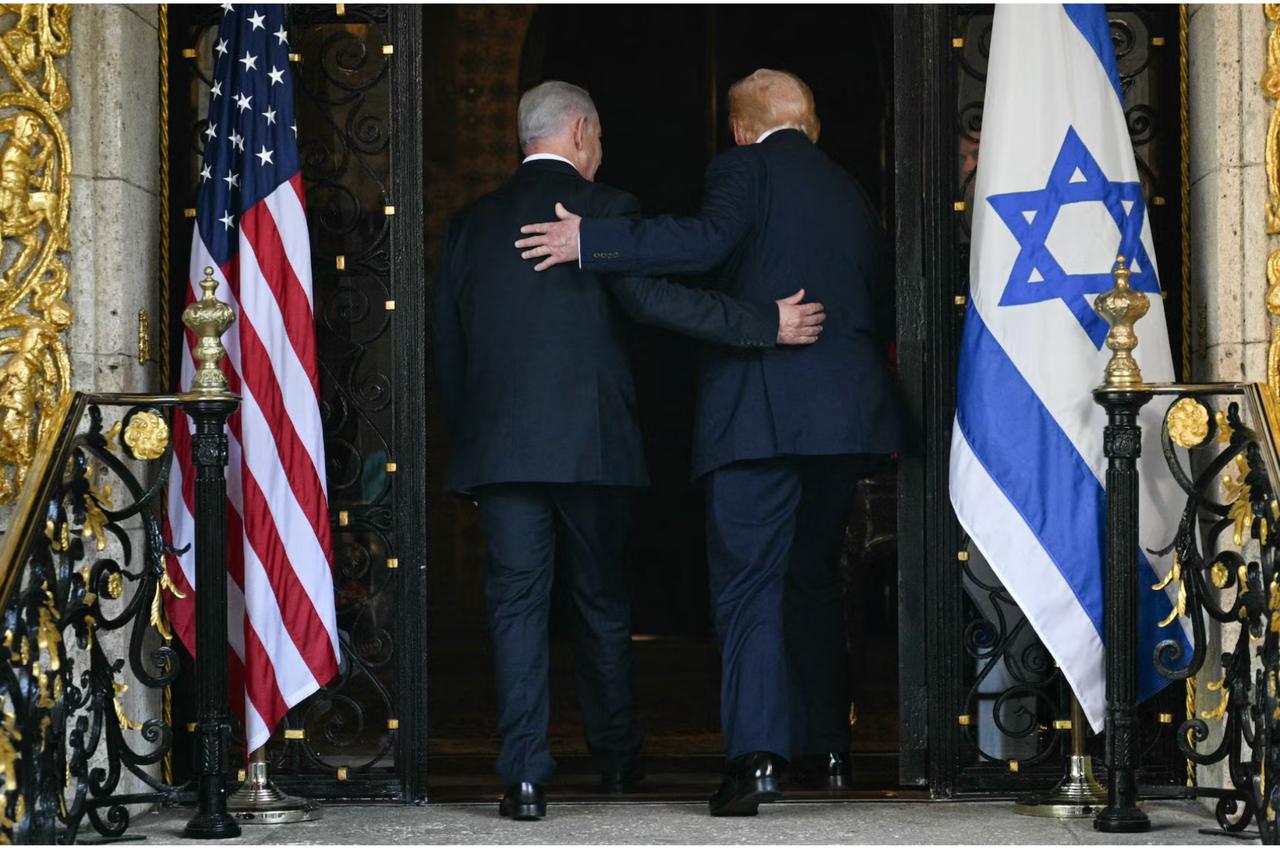


In geopolitical history, it is a recurring phenomenon that allies entering a conflict with a shared enemy often pursue fundamentally different "victory" conditions.
A classic historical parallel is the Anglo-American alliance during World War II.
While both Churchill and Roosevelt sought the unconditional surrender of Nazi Germany, their post-war visions were in sharp tension. Churchill prioritized the preservation of the British Empire and the "soft underbelly" of Europe, whereas Roosevelt focused on a swift military conclusion and a new global order.
The current friction between the U.S. and Israel reflects a similar "strategic divergence," conducted between partners too entangled to separate and too misaligned to agree. Though not a shift toward enmity, it’s a clash of national imperatives.
The war against Iran, for Washington, has, by any conventional measure, left Iran badly damaged. Its ballistic missile production facilities are dismantled. Its navy has sunk. Its proxies are, as a White House spokesperson put it, "weakened." The Strait of Hormuz blockade is costing Tehran an estimated $500 million per day.
On paper, the American administration has achieved more in two months than a decade of sanctions managed. And yet the mood in Israel right now is not triumphant.
It is something closer to dread.
The reason is simple, even if the politics around it are not: the United States and Israel don’t face the same consequences, and they went to war with the same enemy but with different definitions of victory. That divergence, papered over while bombs were falling, is now very much another story.
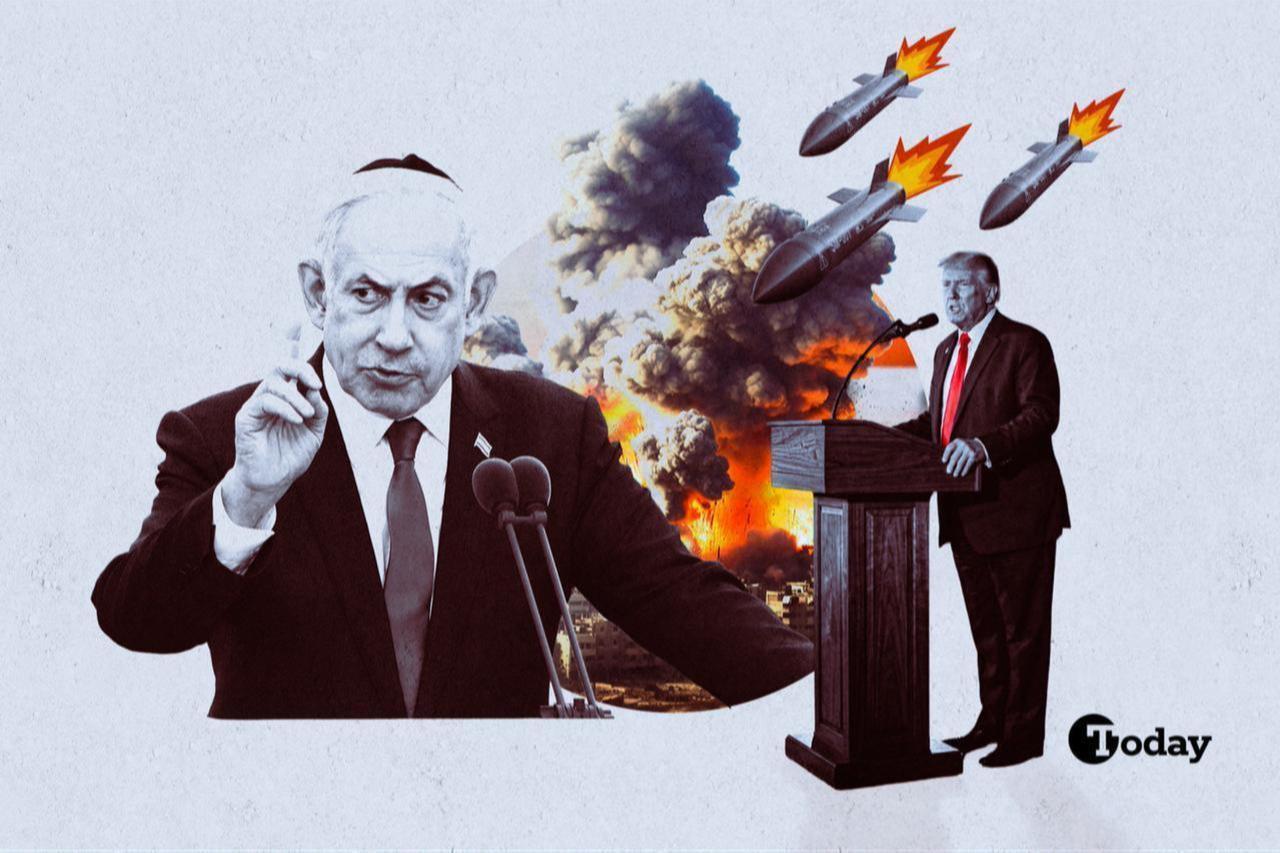

A fundamental gap exists in how both nations define a "nuclear threat." President Trump's stated objective has always been to prevent Iran from obtaining a nuclear weapon. He said as much on Truth Social as the deal framework began to leak: "If I make a deal with Iran, it will be a good and proper one."
Conversely, Israel argues that merely preventing a weapon is insufficient if the enrichment infrastructure, such as the underground facilities at Fordow and Pickaxe Mountain, remains intact.
From the Israeli perspective, as long as Tehran retains the technical knowledge and centrifuges, it remains a "nuclear threshold state," capable of a rapid "breakout" at a moment of its choosing.
What the emerging framework, centered on a 60-day ceasefire memorandum, conspicuously does not address is what happens to the infrastructure that would allow Iran to build one the moment conditions change.
This is Israel's core grievance, and it is a serious one. Israeli defense analysts at the Institute for National Security Studies (INSS) have been making the argument since March: that previous "risk management" models like the JCPOA and its variants are now obsolete precisely because Iran has, over the past decade, accumulated the centrifuge expertise, weapons-design knowledge, and underground facility capacity to execute a rapid nuclear breakout even from low enrichment levels.
The war, in this reading, has merely reset the clock instead of solving the problem. A deal that lifts sanctions and unfreezes Iranian assets, giving Tehran the capital to rebuild, simply buys time before the next confrontation.
"The enormous gap between the declarations made at the beginning of the campaign and the agreement that will likely bring it to an end illustrates its failure," Danny Citrinowicz of INSS said this week, adding that the war "proved that Benjamin Netanyahu's strategy has collapsed."
Raz Zimmt, his INSS colleague, put it this way: "The one who blinked first was President Trump, not the Iranians." These are not fringe voices in the Israeli intelligentsia.
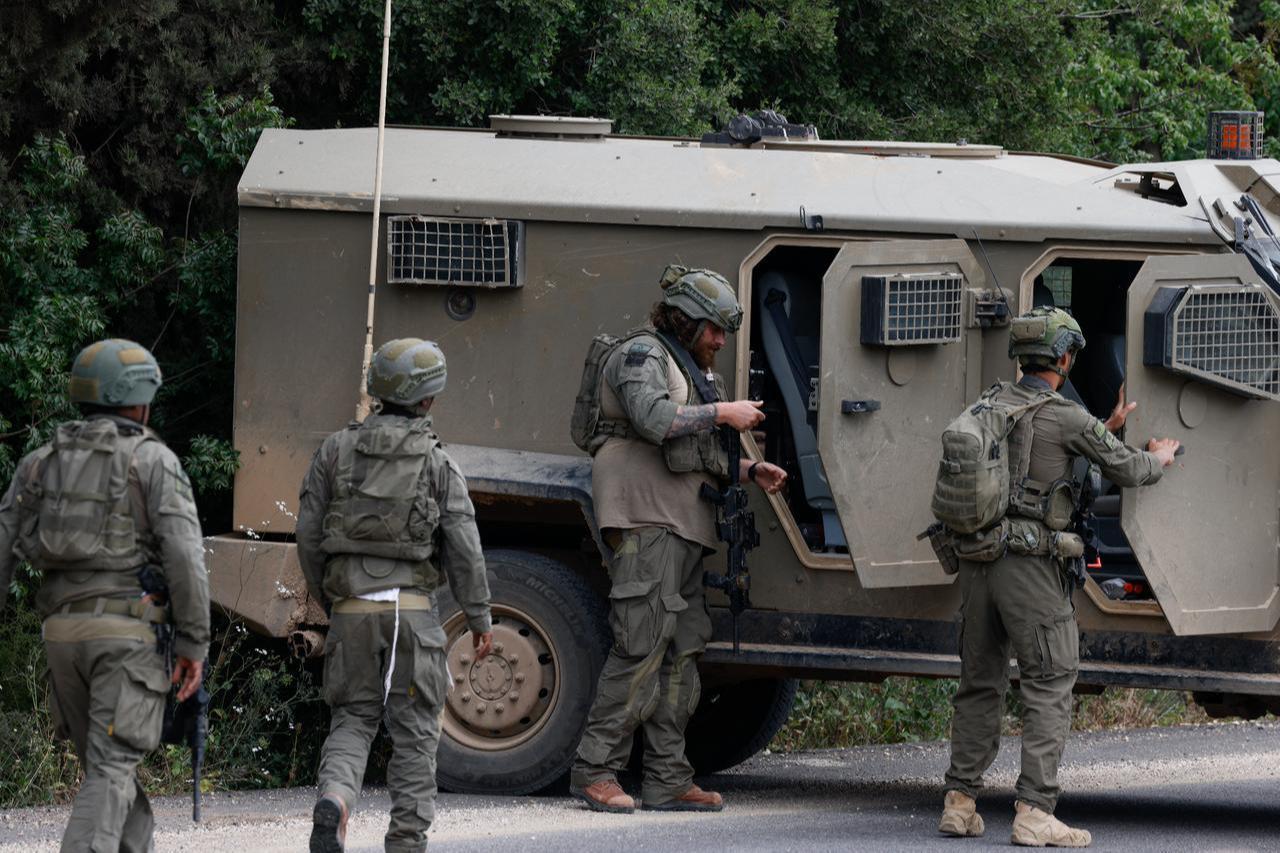
There is a second front to this disagreement, and it is literally a second front. Iran is pushing hard to include Hezbollah, and by extension Lebanon, in any ceasefire framework, which would effectively grant its proxy protected status.
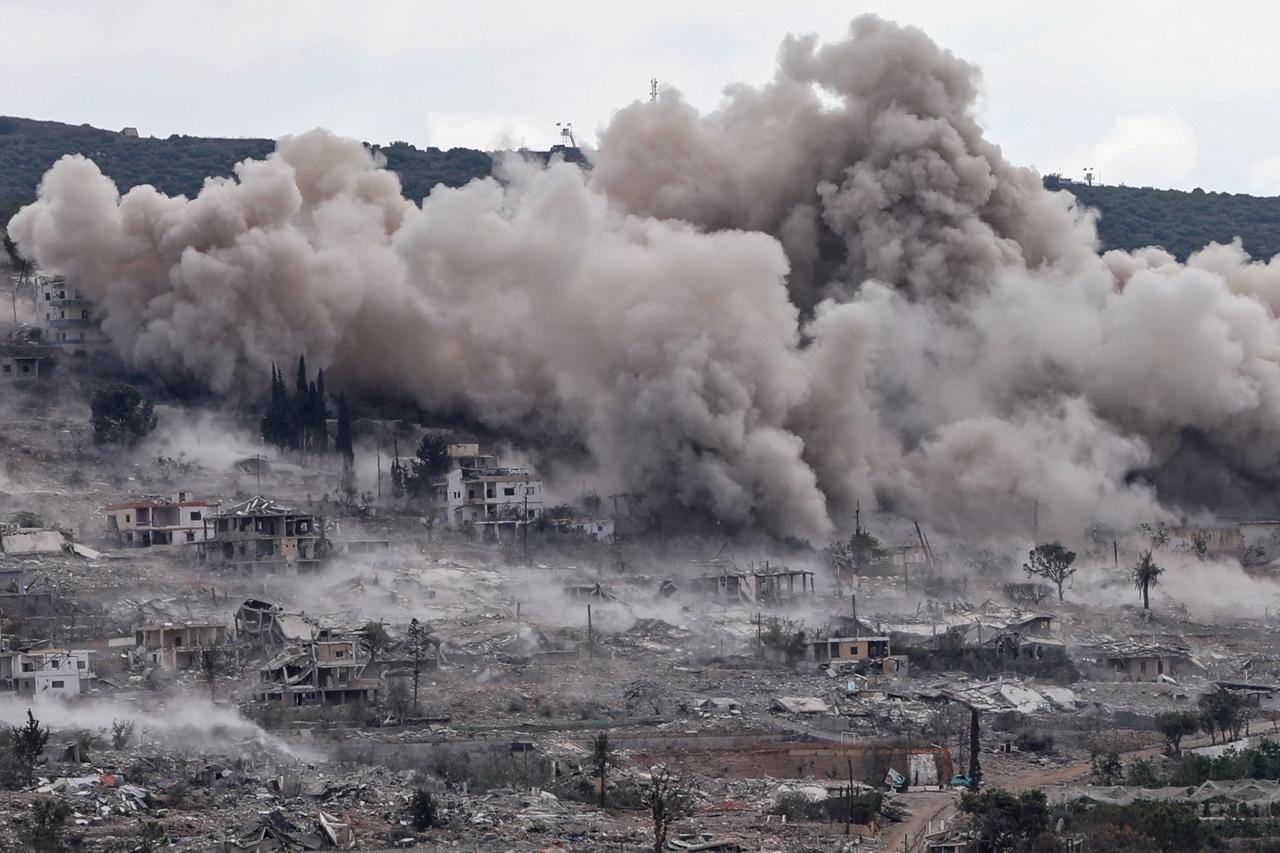
At the same time, drones continue to fall on northern Israel. Israeli defense officials, according to the Jerusalem Post, "strongly oppose" this demand. The Israeli army has been preparing for a renewed campaign in Lebanon and does not want a diplomatic agreement to foreclose that option before it is exercised.
Meanwhile, Israeli Finance Minister Bezalel Smotrich has explicitly called for the outright annexation and military occupation of southern Lebanon, demanding that the Litani River become Israel’s new northern border.
What makes this particularly awkward is that the U.S. is not, in fact, siding with Iran on Lebanon. Secretary of State Marco Rubio has affirmed Israel's right to defend itself against Hezbollah. Washington is not demanding a Lebanese ceasefire as a condition of the Iran deal.
And yet Israeli officials are alarmed enough to brief journalists that "this is an agreement that could affect whether and how we can operate", because the ambiguity itself is the problem.
If a broad U.S.-Iran framework implies regional stability, and Israel then strikes Beirut, it risks being cast as the spoiler. That is a constraint even if it is never formalized in treaty language.
Thirty kamikaze drones fell on northern Israel in a single day last week. The pressure on Netanyahu from his own coalition is not abstract. It is a political physics problem, and the emerging U.S.-Iran deal makes it harder to solve.
Then there is the financial dimension, which is, at its core, a disagreement about what "winning" looks like. Israel wants to see the Iranian regime collapse under economic pressure, or at minimum, remain too weakened to reconstitute its military apparatus.
The deal reportedly being discussed involves unfreezing Iranian assets held abroad, which Iran needs desperately to stabilize after the war.
"We will be happy if there will be no deal; we will be happy if the siege on Hormuz continues, and we will be happy if Iran gets a few more strikes," one senior Israeli official told CNN, in a quote that probably did not require much editorial courage to publish, given how widely shared the sentiment is in Israel.
Washington's calculus is different. Global energy markets are stressed. The Hormuz blockade is costing Gulf economies and Asian importers alike, and domestic fuel prices matter to an American president. A diplomatic win that reopens shipping lanes and can be packaged as a deal "much better than Obama's" in Trump's own framing has obvious political utility that has nothing to do with Israel's security calculus.
It is what great powers do: they optimize for a portfolio of interests, not a single one. Israel's misfortune is that its existential priorities—the complete dismantlement of Iranian nuclear infrastructure and the sustained attrition of the Revolutionary Guard's rebuilding capacity- fall below the line of American strategic tolerance for continued conflict.
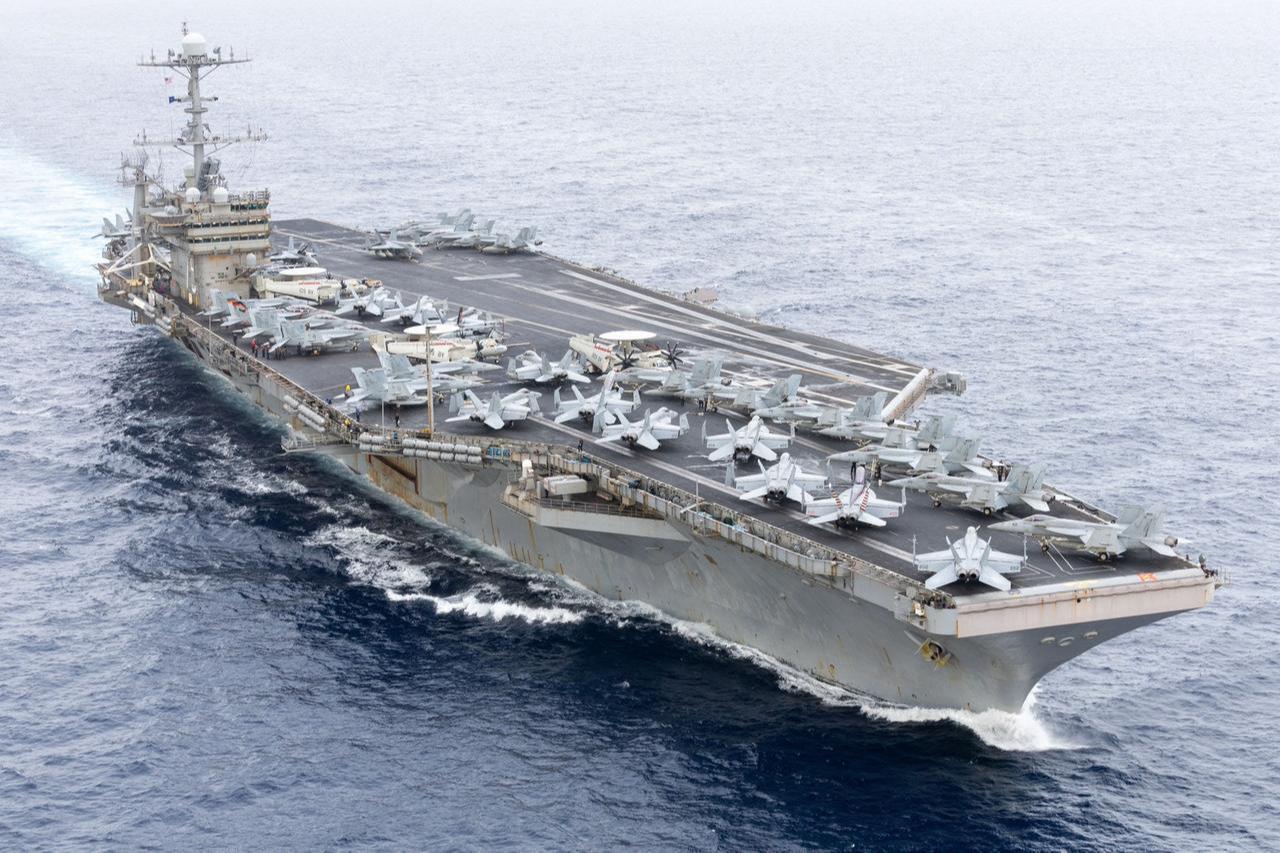
The domestic dimension here is not separable from the strategic one, and the divergence is also driven by conflicting political timelines.
President Trump is motivated by a desire for a swift, high-profile diplomatic achievement to present to the American electorate ahead of the midterms.
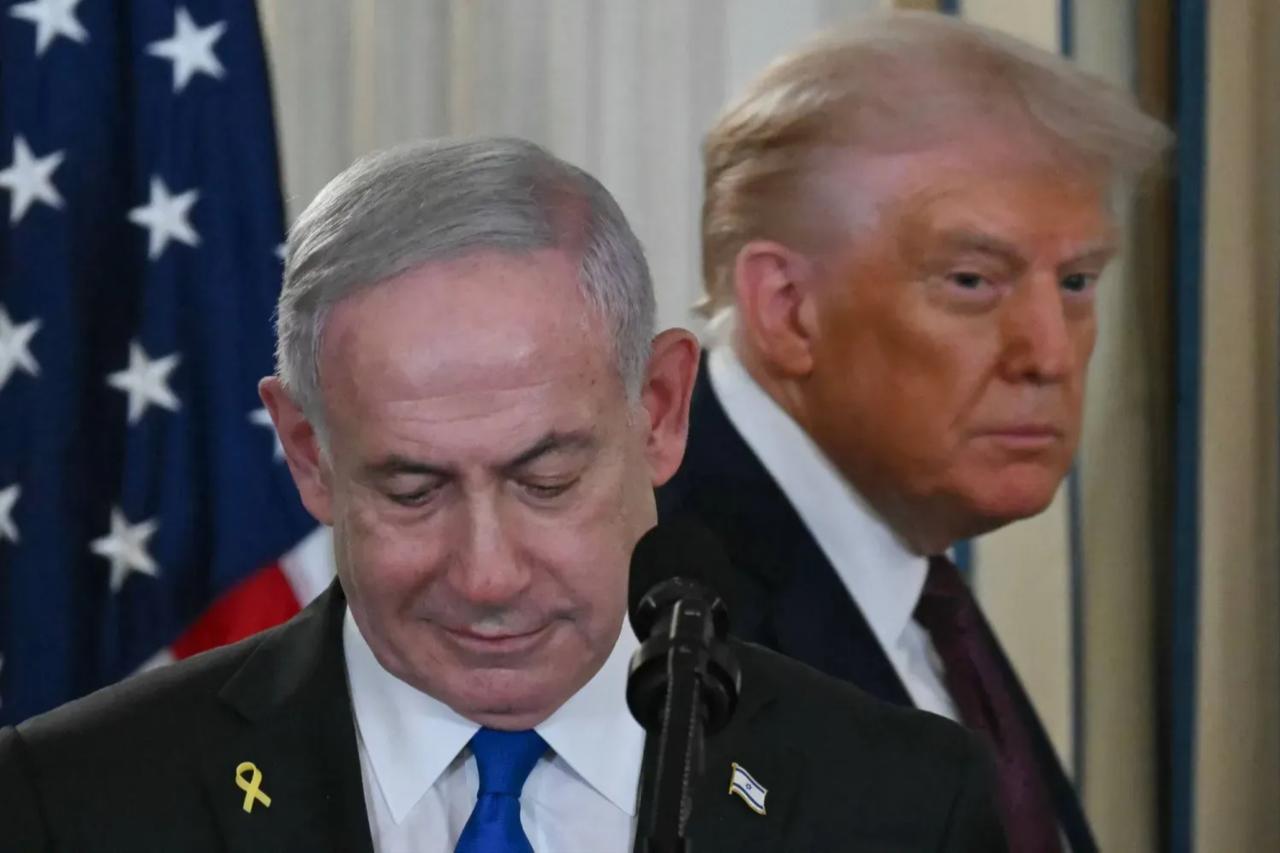
Israel, meanwhile, faces its own election just a week prior—which means Netanyahu arrives at this moment doubly constrained: he cannot afford to be seen endorsing a "bad deal" that falls short of his long-standing promise to dismantle the Iranian nuclear project once and for all, and he cannot afford to be seen defying the one American president who has been willing to fight alongside him.
However, for the United States, Iran is merely one theater in a vast global strategic landscape. Washington must balance its Middle Eastern policy against the rising challenge of China, the cohesion of NATO, and the stability of global energy markets.
Consequently, the U.S. views the "Iran problem" as a variable to be calibrated to avoid strategic exhaustion or another open-ended conflict. And yet Israeli leadership cannot afford the "calibrated restraint" favored by a superpower; they view any outcome that leaves a radical regime intact on their border as a terminal failure.
The U.S.-Israel alliance is not breaking. That framing, occasionally floated in Israeli commentary this week, mistakes friction for fracture.
What is actually happening is more mundane and more durable: two nations with genuinely different strategic positions are discovering, as allies routinely do at the end of a conflict, that shared enemies do not produce shared peace terms.
That position is not irrational. It is also not, by any available reading of the diplomatic landscape, where the deal is headed.
The awkward irony is that Israel and the United States may have been most strategically aligned at the precise moment the bombs were falling, and are most divergent now, in the silence between the last strike and the first signature. Wars clarify. Peace, it turns out, is where the ambiguities live.


 Set as preferred source
 Set as preferred source


 1 min read
 1 min read