Newsletters


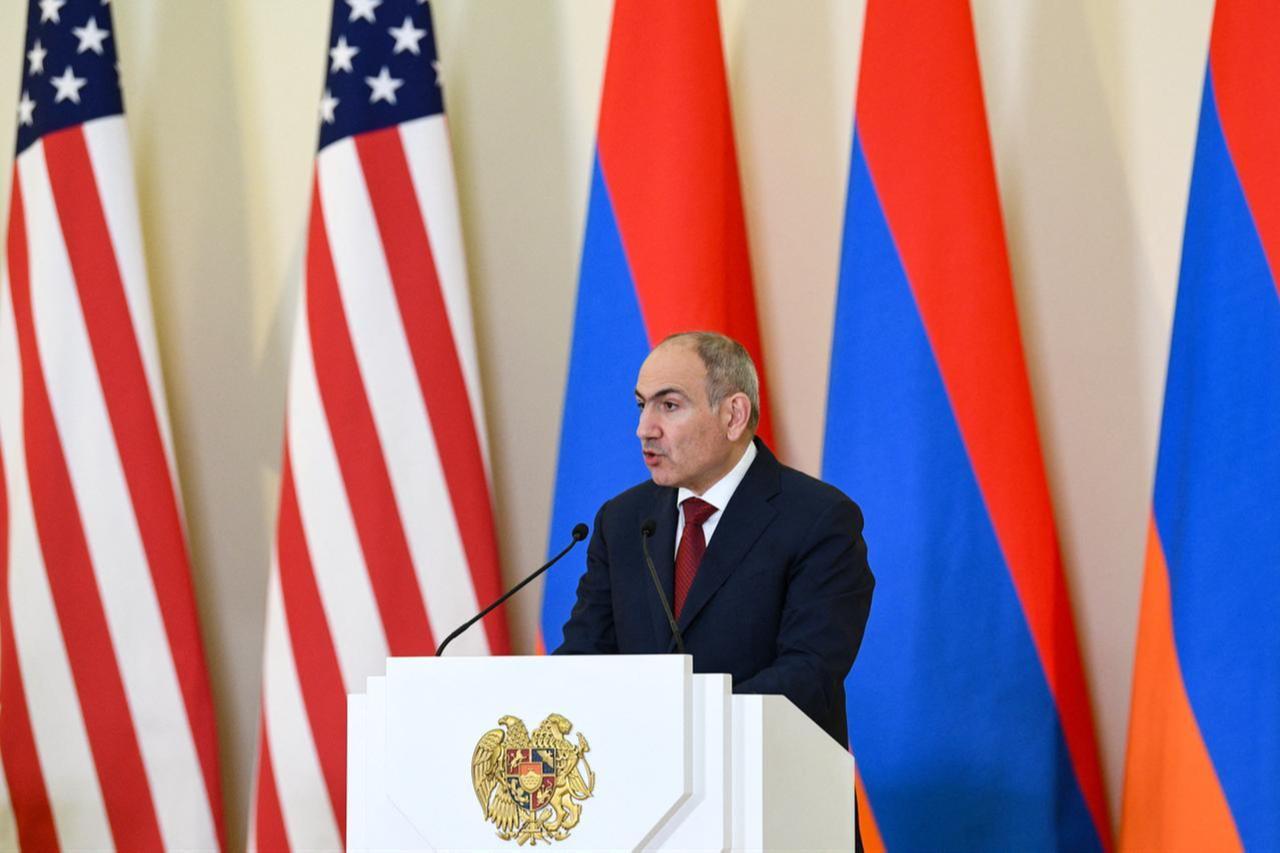


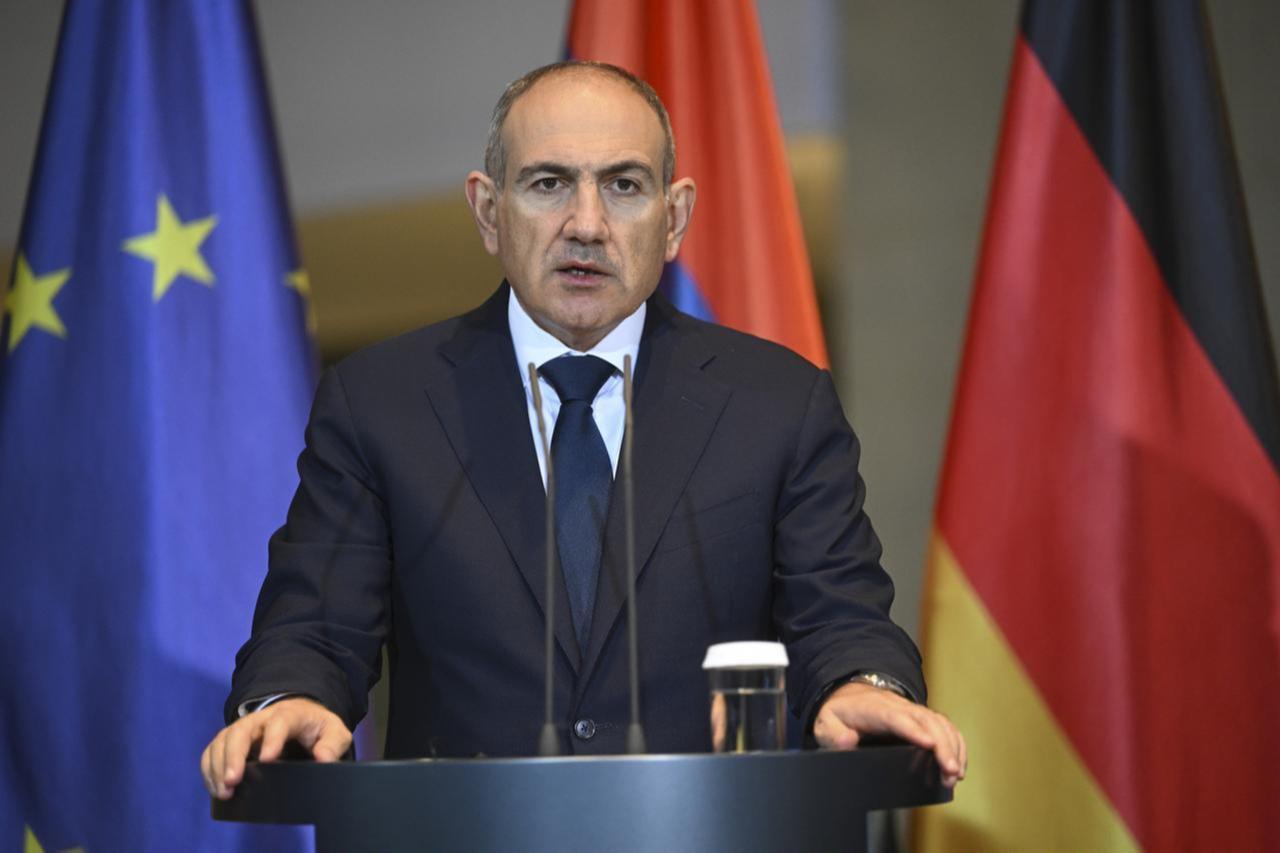
Armenian Prime Minister Nikol Pashinyan said Monday that holding a referendum on Armenia’s possible withdrawal from the Eurasian Economic Union and future European Union membership would be “unreasonable” at this stage.
Pashinyan said Armenia would continue working within the EAEU until choosing between the Moscow-led bloc and the EU becomes unavoidable, according to remarks reported by Armenian state news agency Armenpress.
“Naturally, that decision must be made by the people of the Republic of Armenia through a referendum,” he said.
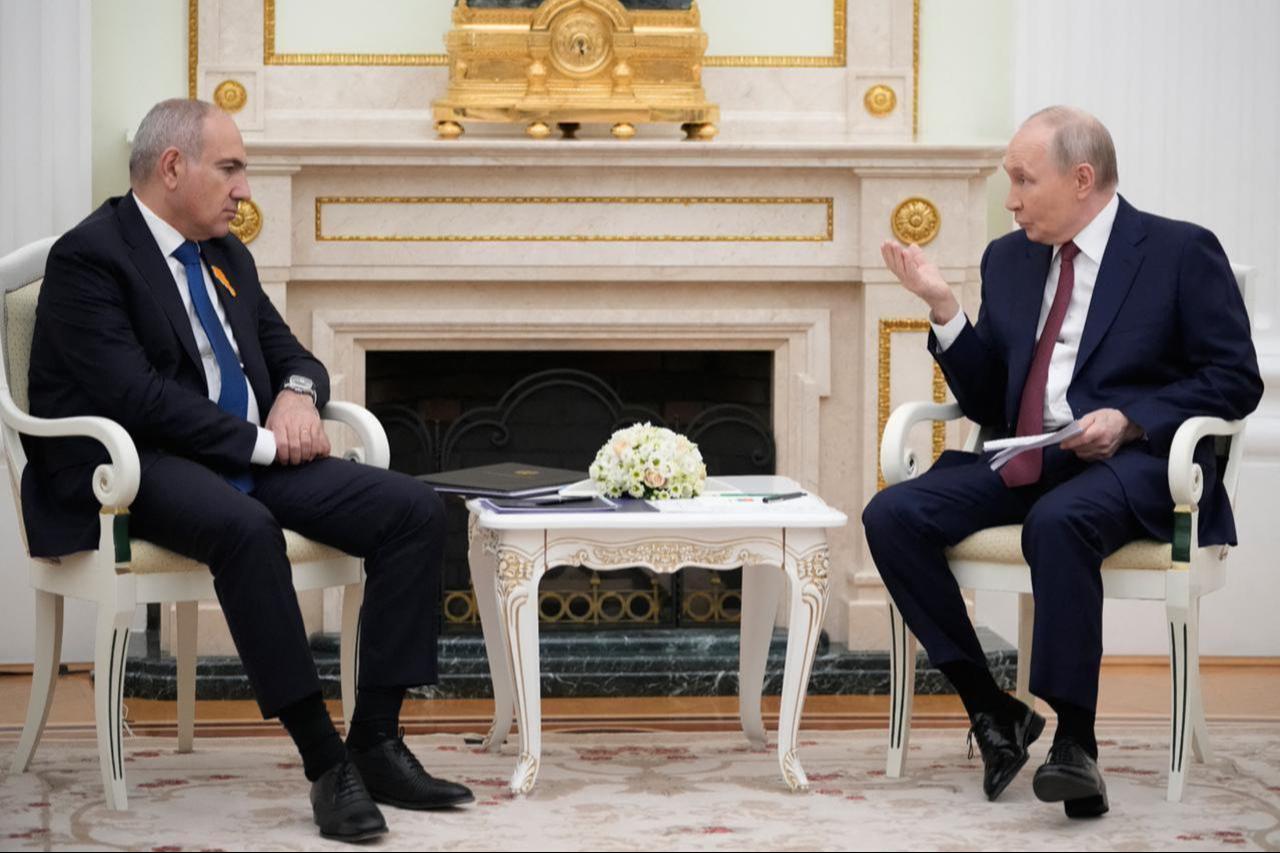

Pashinyan argued there are currently no grounds for such a vote because European integration has not reached a stage where a clear choice can be presented.
He said a referendum would not make sense unless Armenia had officially applied for EU membership or was close to gaining candidate status.
“Today, that choice is theoretical, and putting a theoretical choice to a referendum is, of course, neither very sensible nor justified,” he said.
Pashinyan said Yerevan would continue to work “calmly and steadily” within the EAEU.
He added that Armenia still has potential in the EAEU and that Yerevan would use it in the near future.
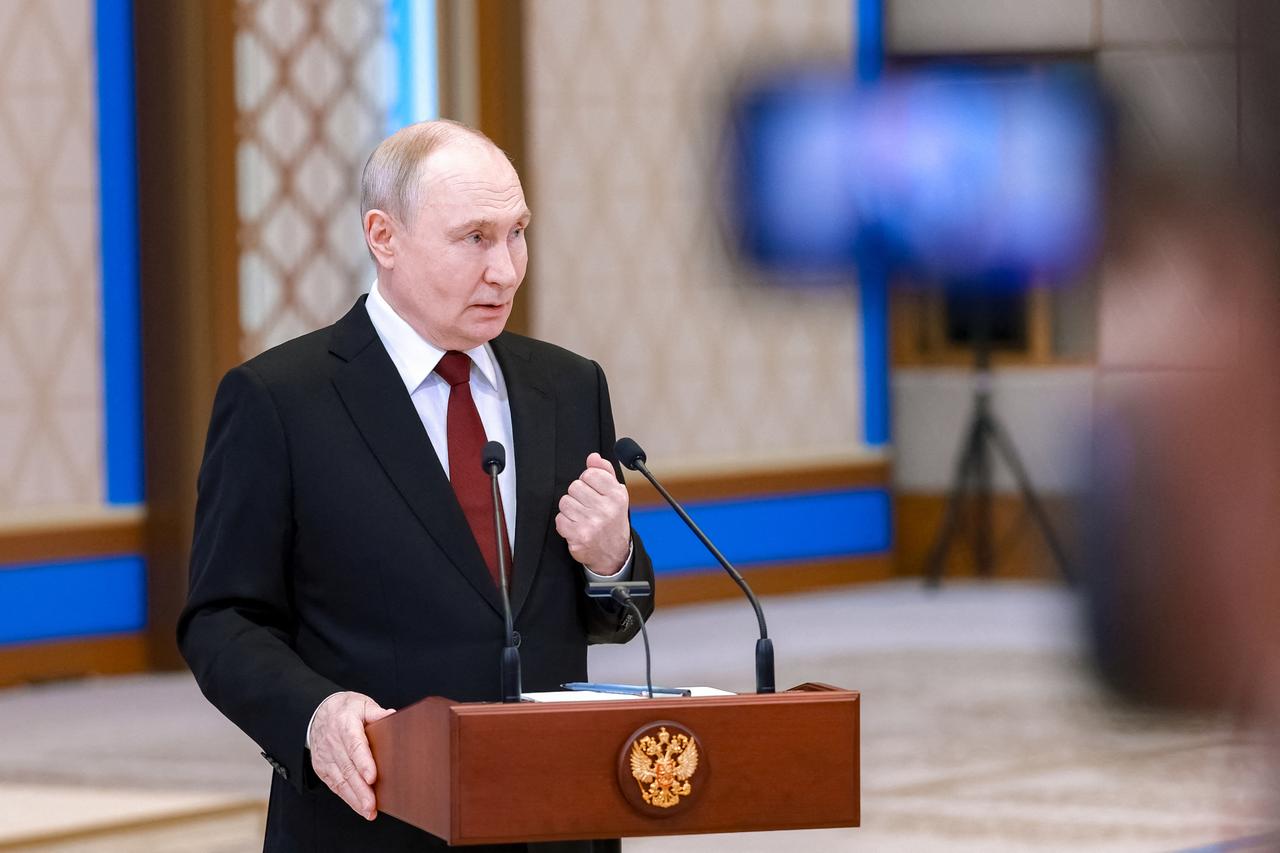
Pashinyan’s remarks came after leaders of EAEU member states called for Armenia to hold a referendum “as soon as possible” on whether to join the EU or remain in the EAEU.
The call was included in a joint statement published on Friday after a meeting of the Supreme Eurasian Economic Council in Kazakhstan’s capital, Astana.
The EAEU consists of Armenia, Belarus, Kazakhstan, Kyrgyzstan and Russia. It was established in 2015 at Kazakhstan’s initiative to maintain economic ties in the Eurasian space.
Armenia’s geopolitical direction has become a growing source of tension within the Moscow-led bloc after Yerevan intensified engagement with the EU and adopted legislation early last year launching a process aimed at eventual EU accession.
Russian officials have repeatedly warned that EU and EAEU membership are incompatible, while Armenian authorities have said they intend to preserve cooperation within the EAEU while expanding ties with Europe.


 Set as preferred source
 Set as preferred source


 1 min read
 1 min read