Newsletters


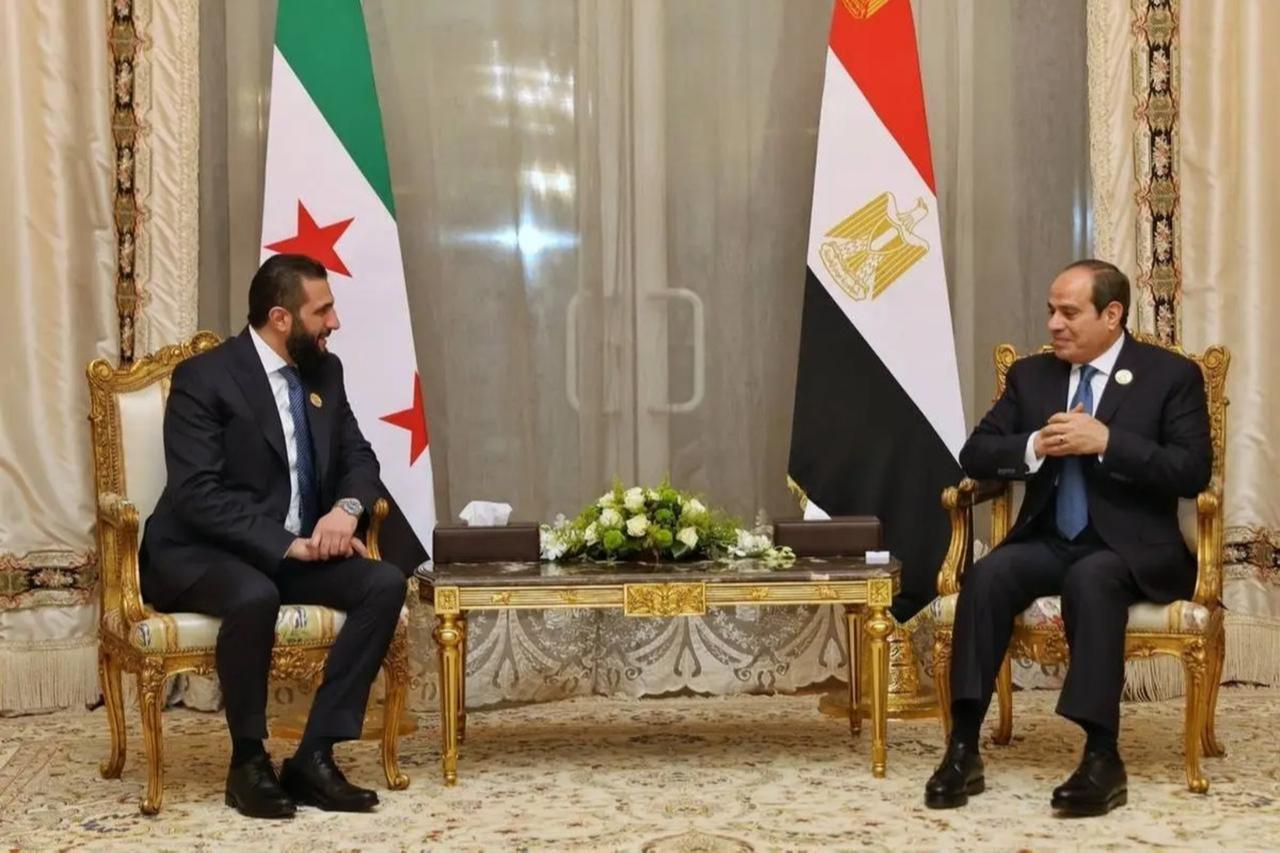


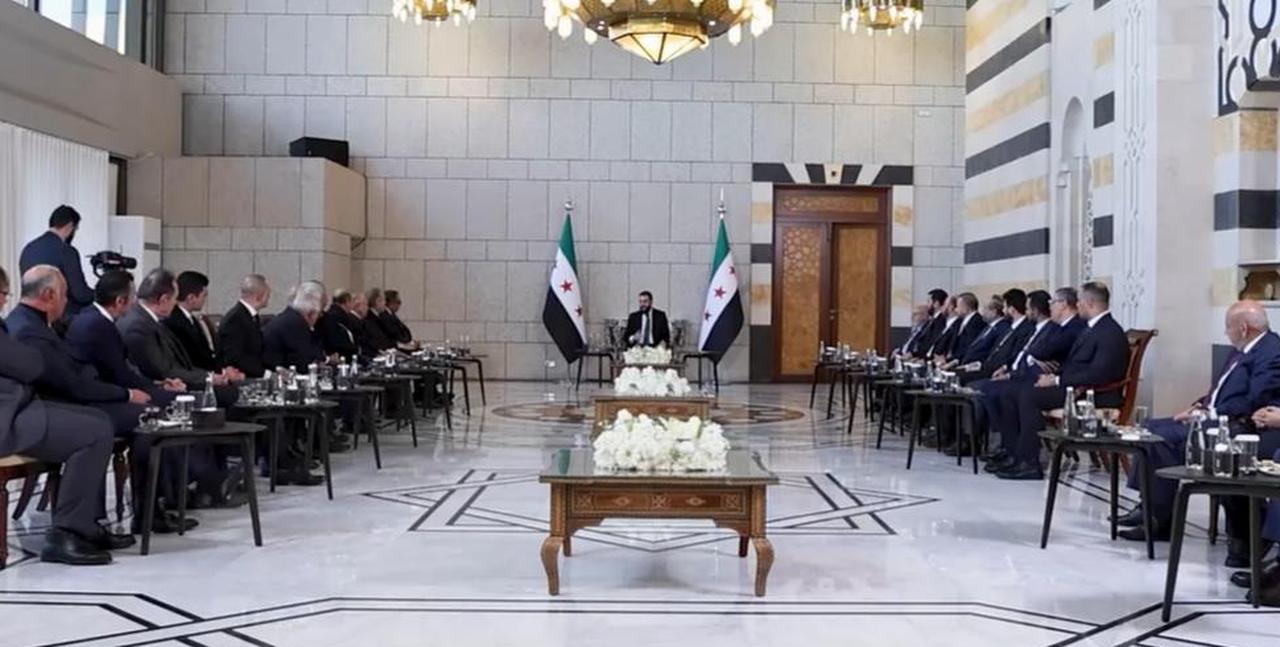
Syrian President Ahmad al-Sharaa framed economic cooperation as a potential driver of political engagement with Egypt during a meeting in Damascus with a delegation from the Federation of Egyptian Chambers of Commerce, as bilateral ties have faced tensions in recent months.
“Economic interests generate political interests and can provide political cover amid regional challenges,” Sharaa said on Sunday during the meeting in Damascus.
Al-Shark al-Awsat described the forum as the most significant bilateral event since the ouster of Bashar al-Assad’s government in Syria, with analysts viewing the move as a notable shift in al-Sharaa’s rhetoric toward Egypt. Sharaa said the relationship with Egypt “is not a luxury, but a duty,” calling for it to stay “on the right track.”

Al-Sharaa also said that Syria and Egypt face similar challenges, that their strategic interests are closely aligned, and that mutual reliance in addressing economic, political and security problems is important.
He also thanked Egyptians for hosting Syrian refugees during the war, describing it as consistent with what he called Egypt’s known generosity.
The meeting followed the signing of two energy memoranda of understanding between Egypt and Syria last week: one on cooperation to supply Egyptian gas to Syria to generate electricity using Egypt’s infrastructure, including regasification vessels and gas transmission networks; and another to meet Syria’s needs for petroleum products.
Taken together, the visit and the recent energy memoranda are seen by analysts as pointing to a gradual test of re-engagement—led by commerce rather than diplomacy, while political mistrust continues to define the limits.
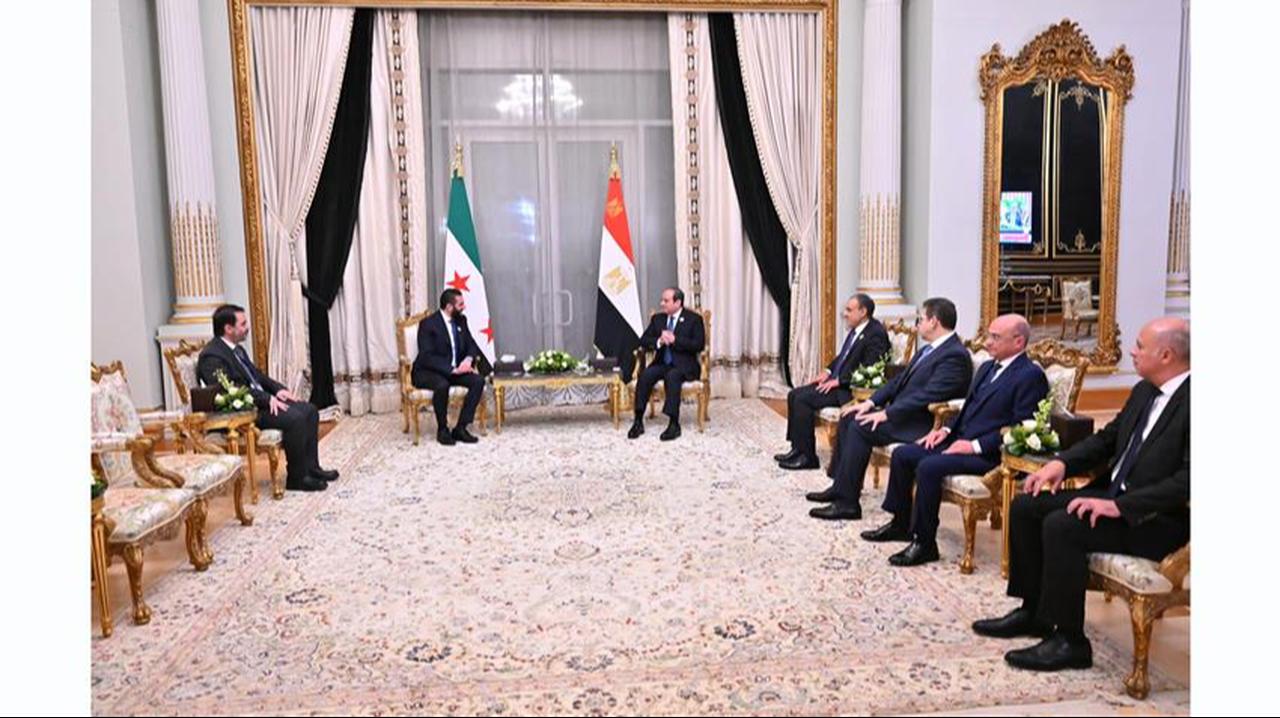
Those remarks came as a surprise to the Egyptian side, given a dispute that began months earlier and what Egyptian journalist Amr Adib described as Cairo’s lack of enthusiasm for establishing closer relations with Syria.
Amr Adib, host of Al-Hekaya on MBC Masr, said the visit by the Egyptian Chambers of Commerce delegation and its meeting with Sharaa could carry broader significance, describing it as a possible start to revitalizing Egyptian-Syrian relations.
However, he framed expectations cautiously. Adib said Egypt has not shown enthusiasm for a “warm” relationship with Syria, noting that while there are ties and cooperation, the relationship is not close or strong.
He added that Egypt was not among the first countries to take the initiative, citing what he described as clear Egyptian reasons. Adib also said Egypt’s foreign minister told him Cairo has reasons for not being closer to Damascus, but that the two sides still maintain a relationship.
According to that, the question is not whether economic cooperation is useful, it is whether it can proceed without a political understanding that addresses the sources of recent friction.
On whether economic engagement can translate into political rapprochement, Egyptian economic expert Ahmed Khuzaim, talking with Türkiye Today, said, "The economic track is closely tied to regional geopolitical shifts. “Political reality sets the ceiling for economic relations, not wishful thinking,” he said.
Khuzaim added that Sharaa may want expanded dealings with Egypt, “but hope alone does not create partnerships.”
He argued that the shape of the “new Middle East” will directly influence cooperation paths between the two countries, and said Egypt-Syria economic relations will also be affected by developments in the Saudi-UAE axis and broader regional balances.
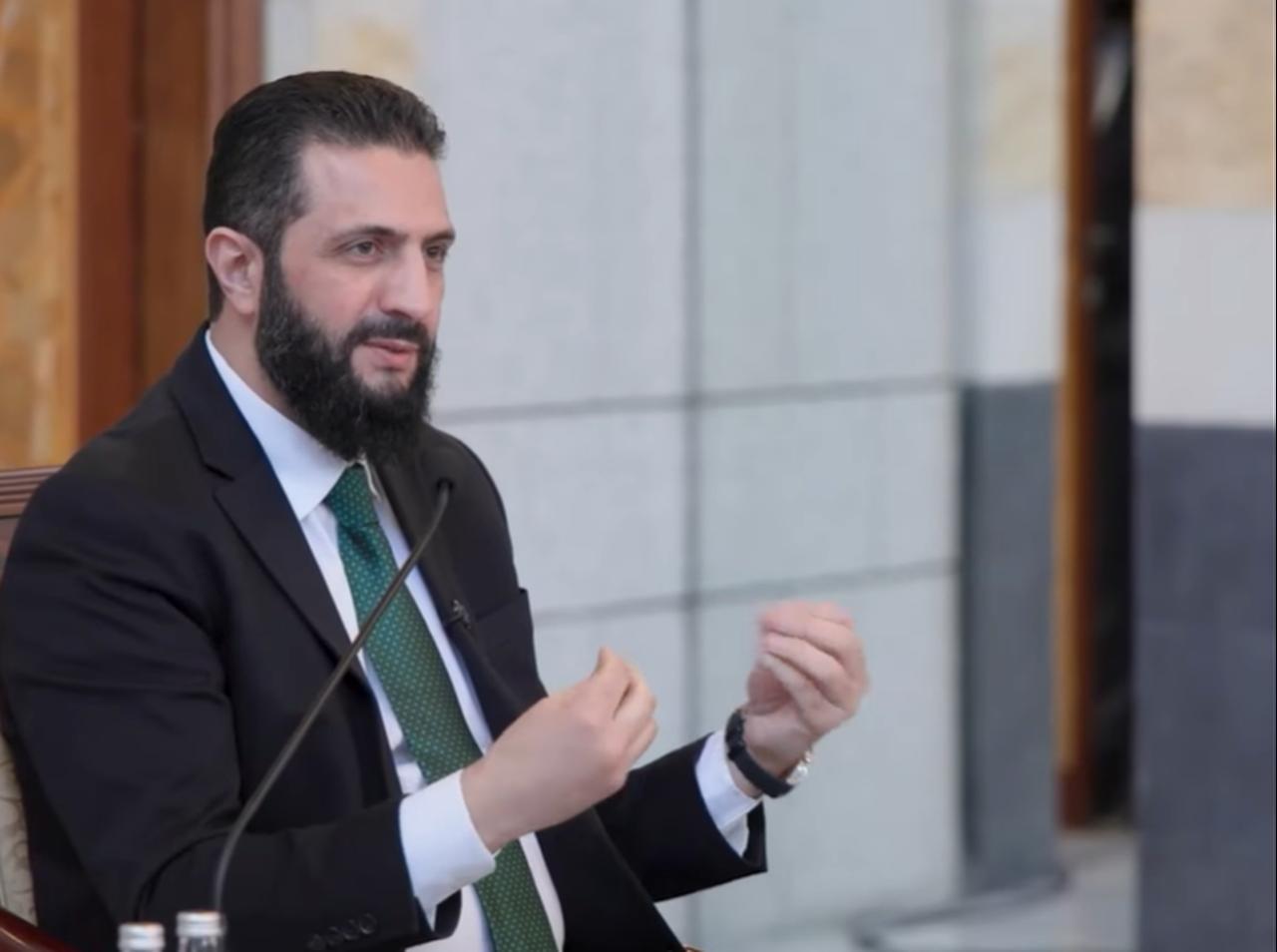
Egyptian-Syrian relations have seen noticeable tensions in recent months. The first trigger was a media campaign in Egypt condemning protests in Damascus, where some participants chanted slogans against Egyptian President Abdel Fattah el-Sisi near the Umayyad Mosque, objecting to Cairo’s stance on the war in Gaza.
Some protesters also accused Egypt of complicity by keeping the Rafah crossing closed. In response, several public figures in Egypt argued that the government should take measures regarding Syrian refugees living in the country.
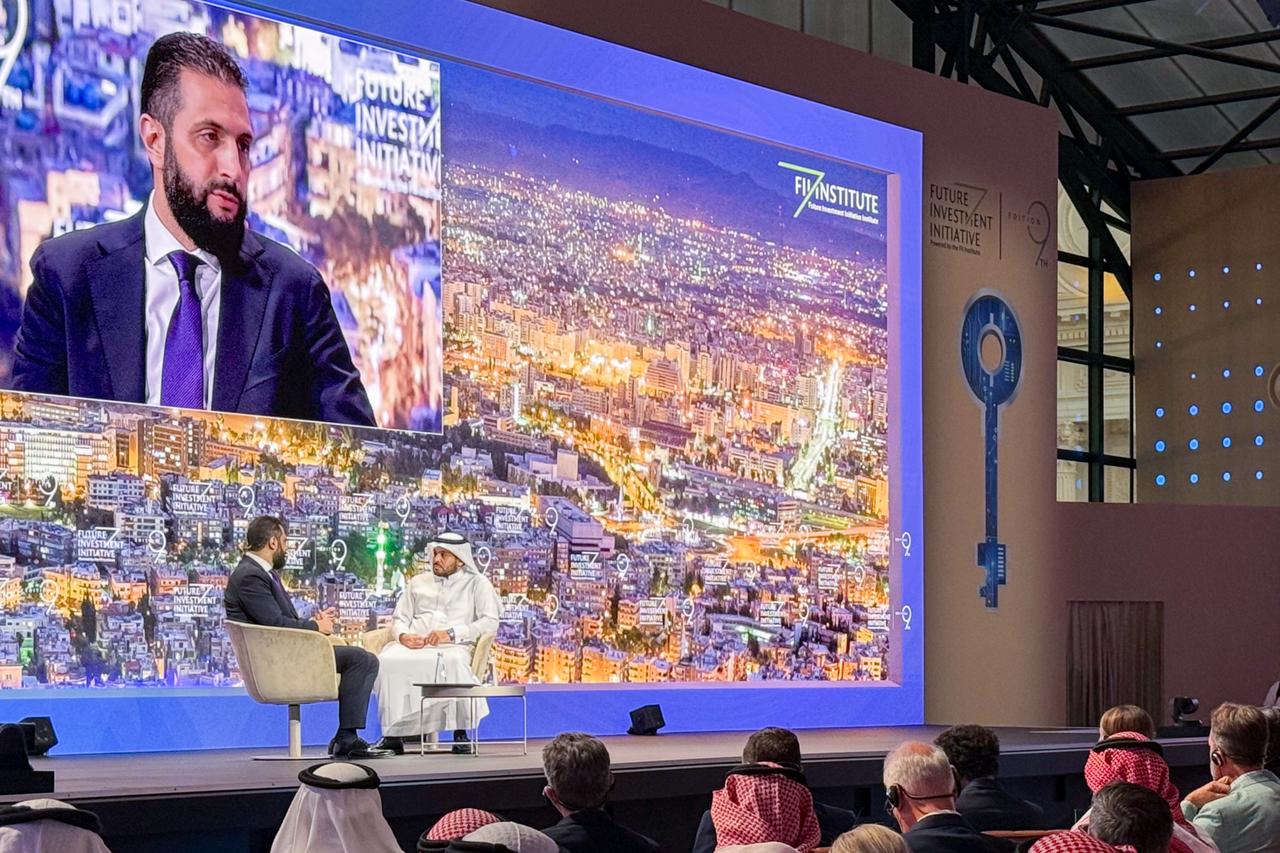
Tensions escalated further after al-Sharaa praised Saudi Arabia, the UAE, Qatar and Türkiye as “successful countries,” while describing Egypt and Iraq as “unsuccessful states,” during his participation in the “Future Investment Initiative 2025” conference in Riyadh.
Egyptian criticism also extended beyond those remarks. Some public figures and analysts criticized what they described as the Syrian government’s omission of Egypt from public expressions of gratitude to countries that hosted Syrians.
They cited comments by Latifa al-Droubi, Sharaa’s wife, at the Istanbul Education Summit 2025, where she thanked Türkiye without mentioning Egypt, which has hosted about 139,384 Syrians.


 Set as preferred source
 Set as preferred source


 1 min read
 1 min read