Newsletters


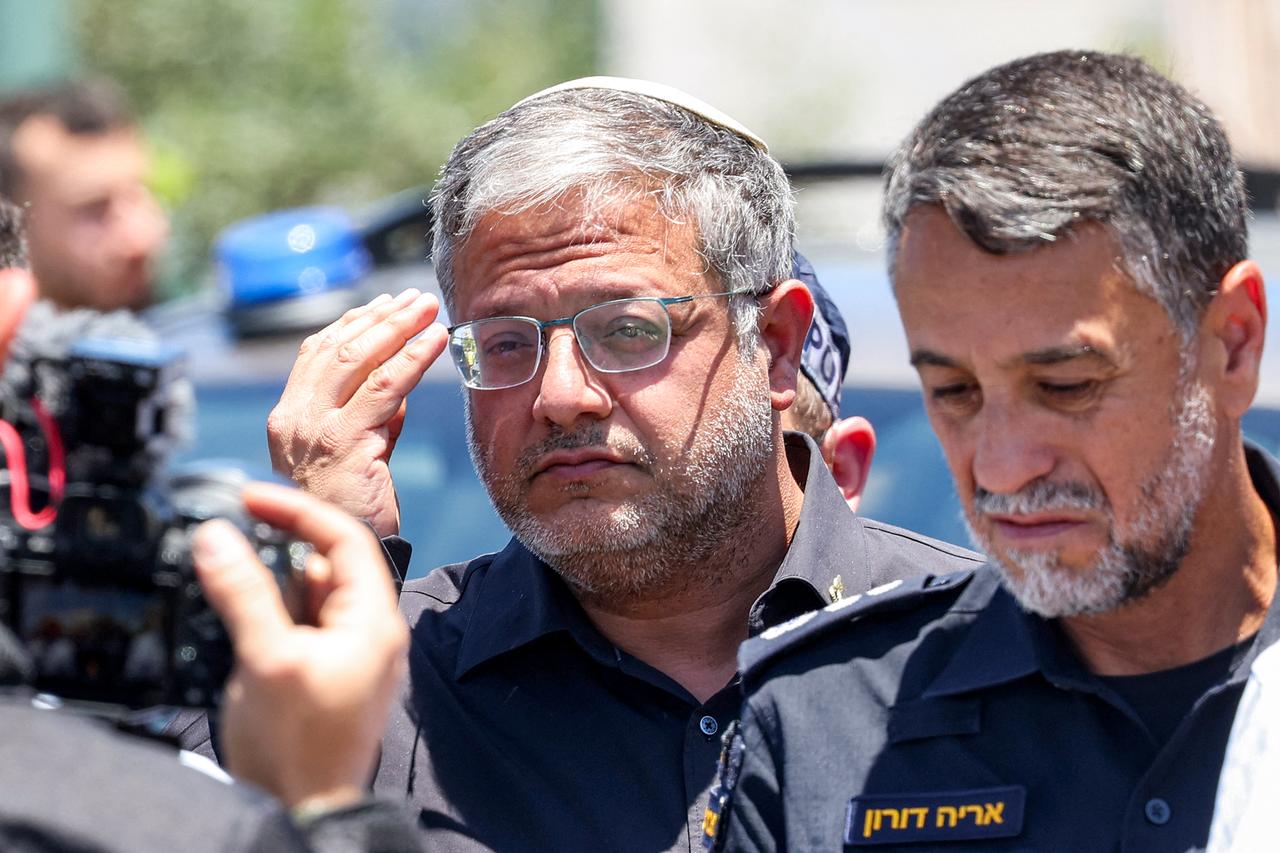


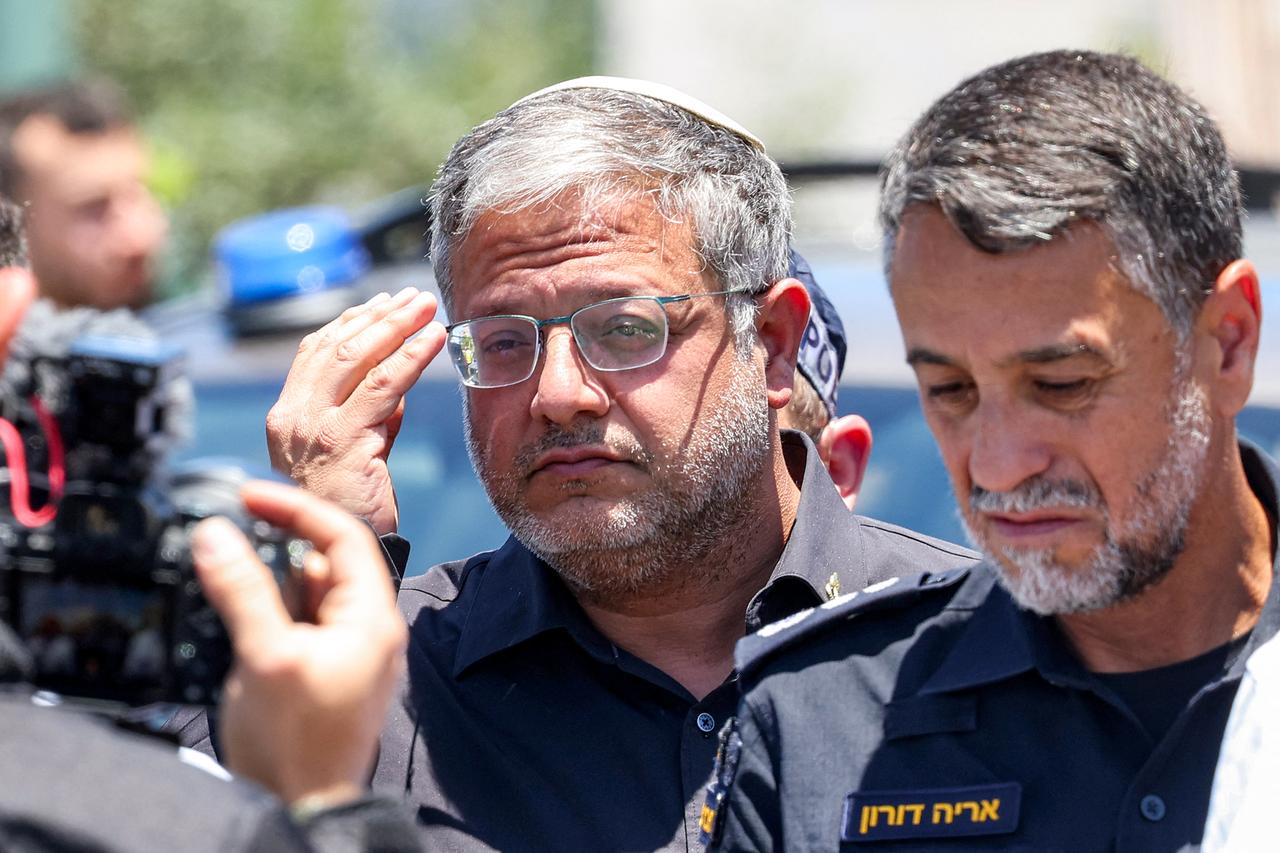
Czech Foreign Minister Petr Macinka said Thursday he had warned European Union partners not to table sanctions against Israeli National Security Minister Itamar Ben-Gvir ahead of Israel's October election.
He vowed Prague would block any such proposal and argued the measures would paradoxically boost Ben-Gvir's political standing rather than penalize him, Bloomberg reported.
Macinka described Ben-Gvir in blunt personal terms, calling him "a terrible person, an unbearable individual" whose behavior "really goes beyond the pale."
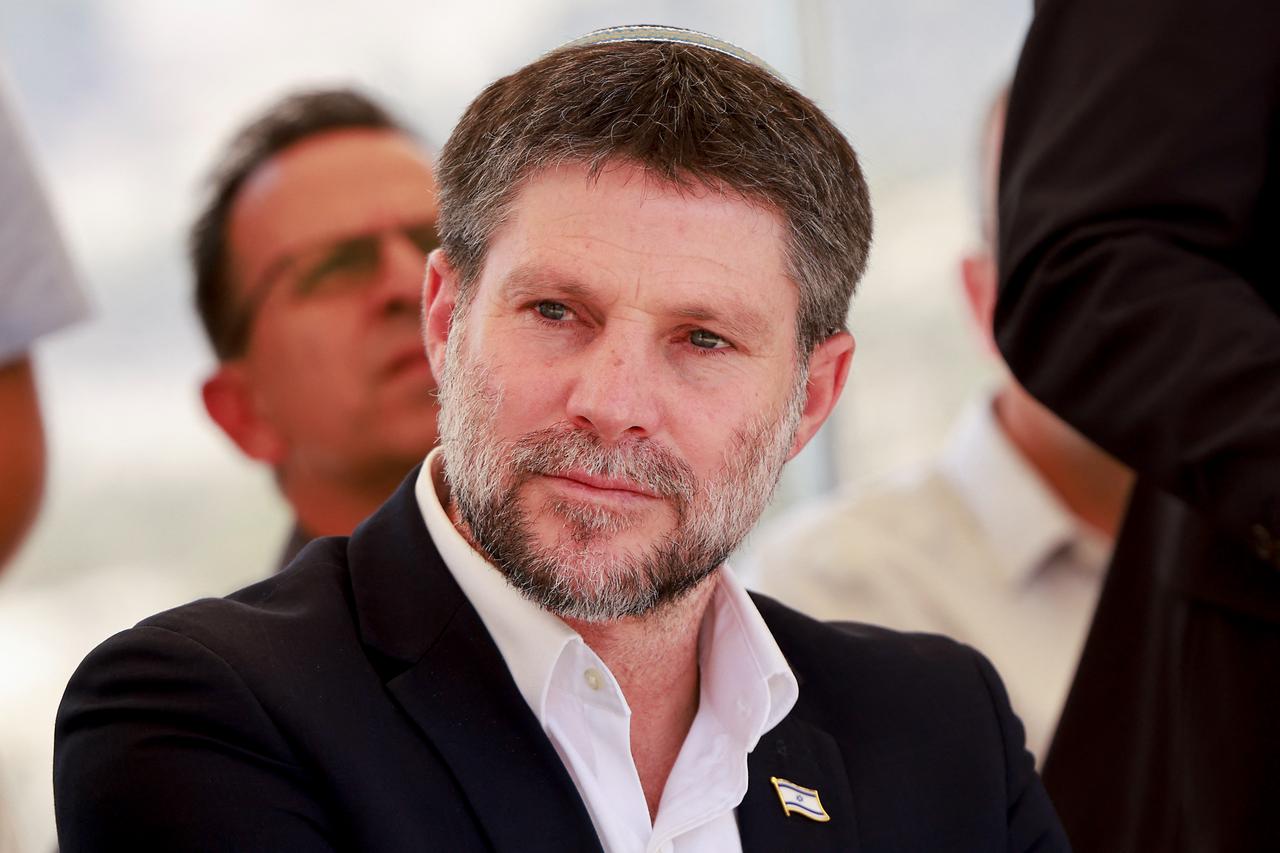
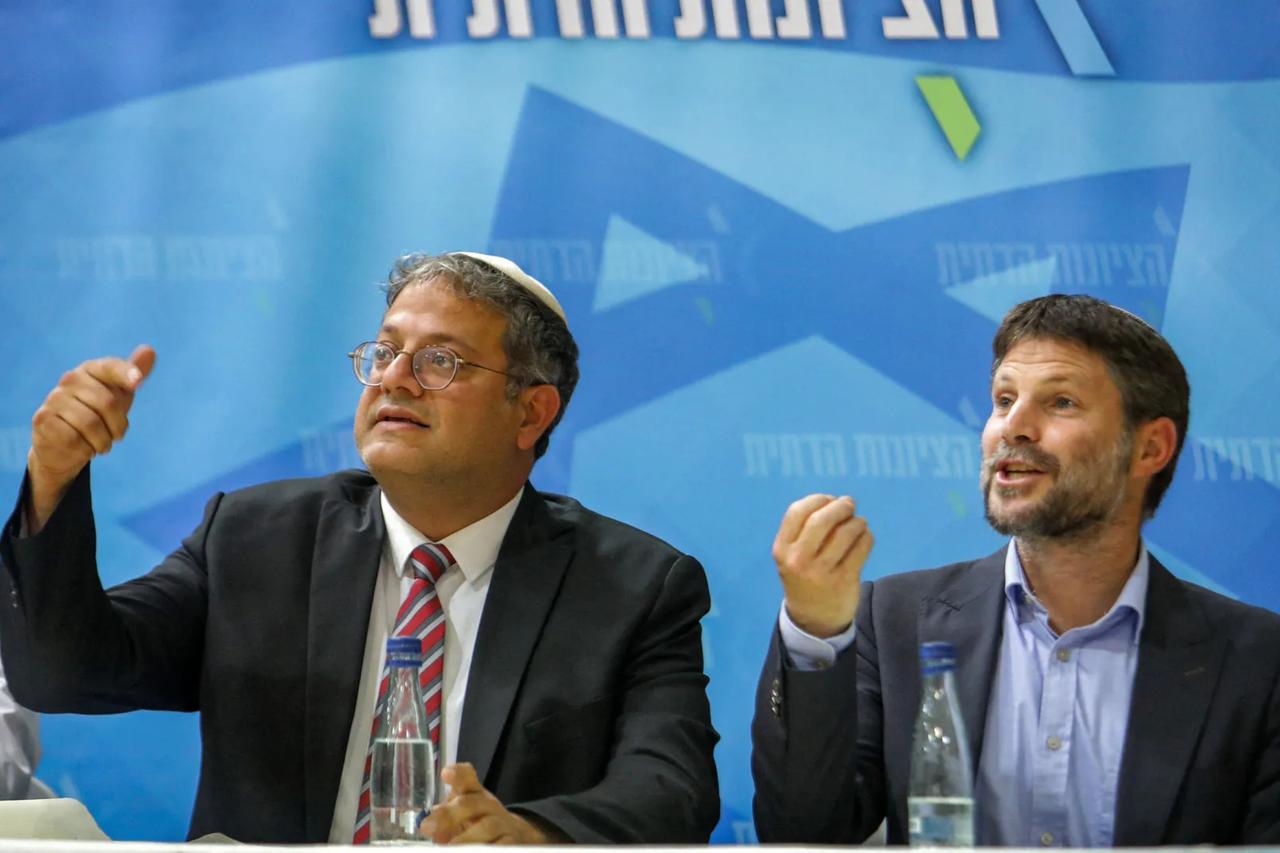
Despite this assessment, the minister said EU sanctions would turn Ben-Gvir and Finance Minister Bezalel Smotrich into heroes for their voters and "victims of some anti-Zionist conspiracy by the West."
"Paradoxically, we would actually help them by doing this," Macinka told Bloomberg in an interview in Prague.
He said he had already communicated Prague's position to EU partners: "Not even try or we will block" such a proposal if it is tabled before Israel's election in late October.
Macinka also criticized the flotilla activists themselves, calling them "provocateurs" and "very radical."
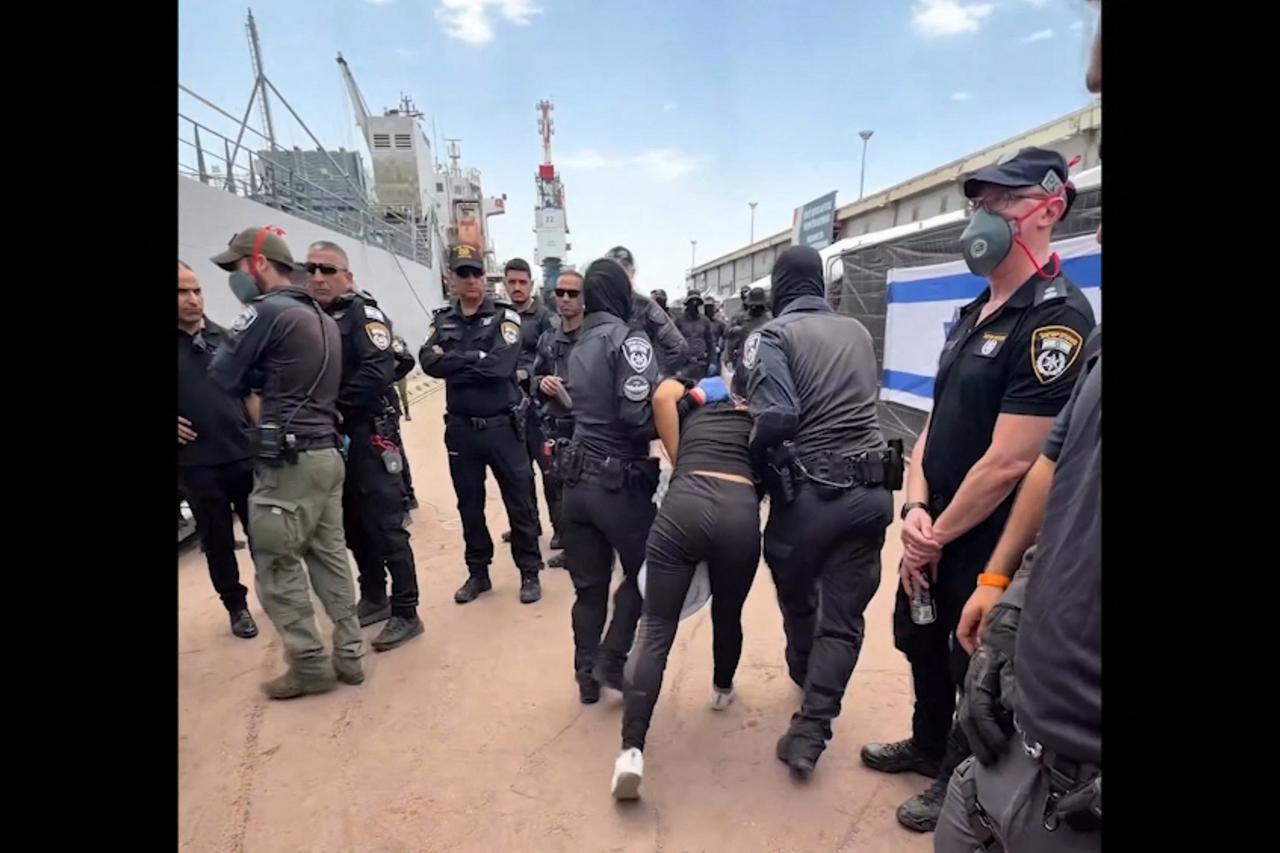
The EU had begun preparatory work on possible sanctions against Ben-Gvir over his treatment of activists who were detained when Israeli naval forces intercepted the Global Sumud humanitarian flotilla in international waters in mid-May, Bloomberg reported, citing people familiar with the matter.
EU officials informed member states' ambassadors that diplomats had begun work on potential measures, though discussions remained at an early stage and behind closed doors.
A video widely circulated after the flotilla seizure showed Ben-Gvir walking among detained activists who were kneeling in tightly packed formations while zip-tied, waving an Israeli flag and taunting detainees.
All activists were subsequently released following international backlash.
The EU last month approved sanctions on violent West Bank settlers, the first time the bloc secured unanimous backing for punitive measures against Israeli actors since the height of the Gaza crisis. That list was initially set to include Ben-Gvir and Smotrich before officials held back to build broader support.
Czech opposition to EU-level action means remaining member states are likely to pursue unilateral measures, as France and Ireland have already done.

Macinka said Czechia had been focused on building political and economic ties with Israel, having hosted the largest Israeli business delegation to the country in May alongside Israeli Foreign Minister Gideon Saar.
The minister framed Prague's orientation around pragmatic ties rather than moral posturing. "Under us, there has been a significant reduction in that kind of exporting of moralizing," he said, adding, "instead we are trying to export goods and services."
He said Czechia and the Trump administration "speak the same language" and "share the same world view." He also said Prague was exploring involvement in the America First Arms Transfer Strategy to help fill gaps in U.S. defense production capacity.
On NATO spending, Macinka acknowledged Czechia had fallen short of alliance targets, saying the country's fiscal conditions were "very difficult" but that it remained committed to increasing defense spending over time.
The NATO summit in Ankara next month will test that relationship with Washington.


 Set as preferred source
 Set as preferred source


 1 min read
 1 min read