Newsletters


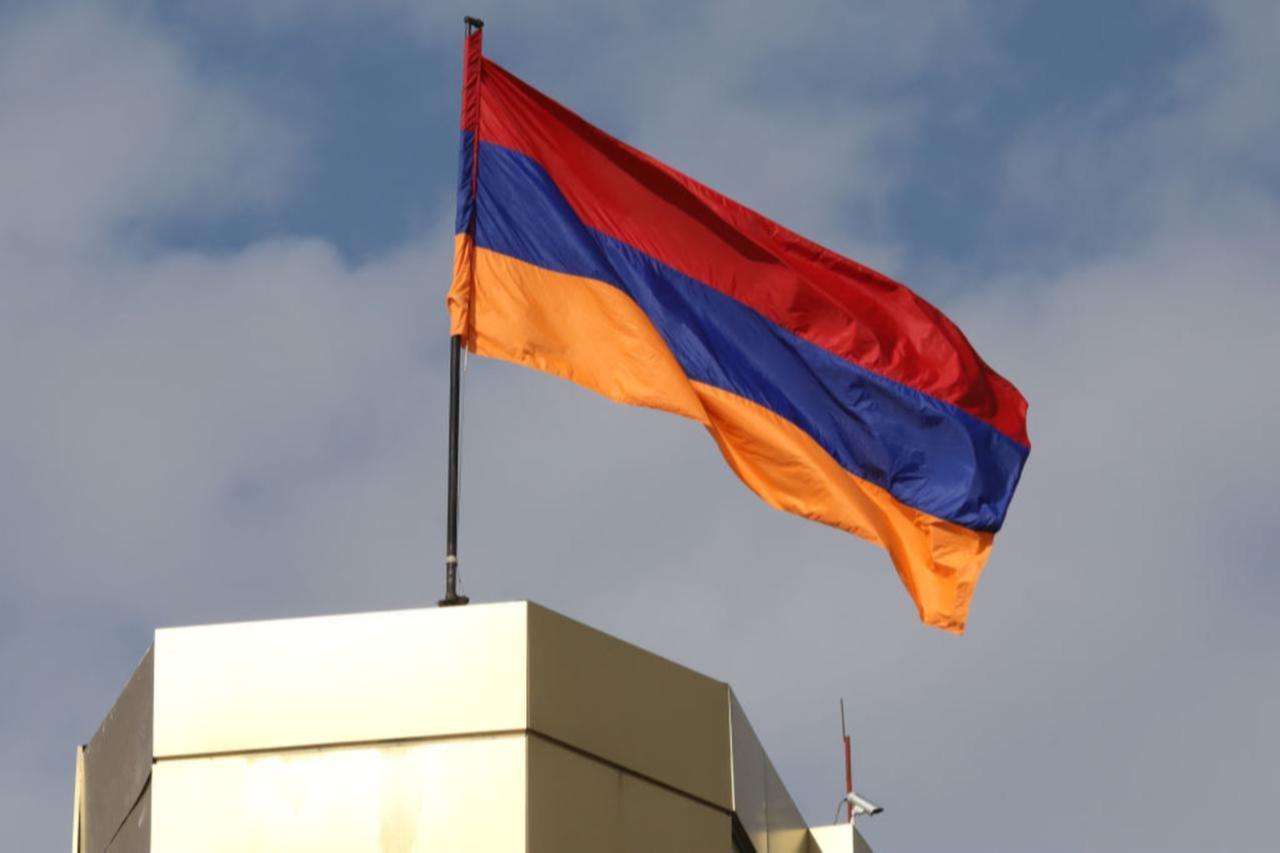


The European Union announced a comprehensive strategic agenda with Armenia on Monday, marking a significant expansion of ties between Brussels and Yerevan as the South Caucasus nation navigates a shifting regional landscape following its recent peace accord with Azerbaijan.
EU High Representative for Foreign Affairs Kaja Kallas revealed the new framework during the sixth EU-Armenia Partnership Council meeting in Brussels, outlining cooperation on economic diversification, visa liberalization, rule of law strengthening, and security matters. The announcement signals the bloc's deepening engagement in a region that has experienced decades of conflict and geopolitical competition.
Speaking alongside Armenian Foreign Minister Ararat Mirzoyan and EU Enlargement Commissioner Marta Kos, Kallas characterized the August 8 agreement between Azerbaijan and Armenia as a "turning point" that ended years of hostilities between the two nations, adding that the EU stands in full support of the peace process.


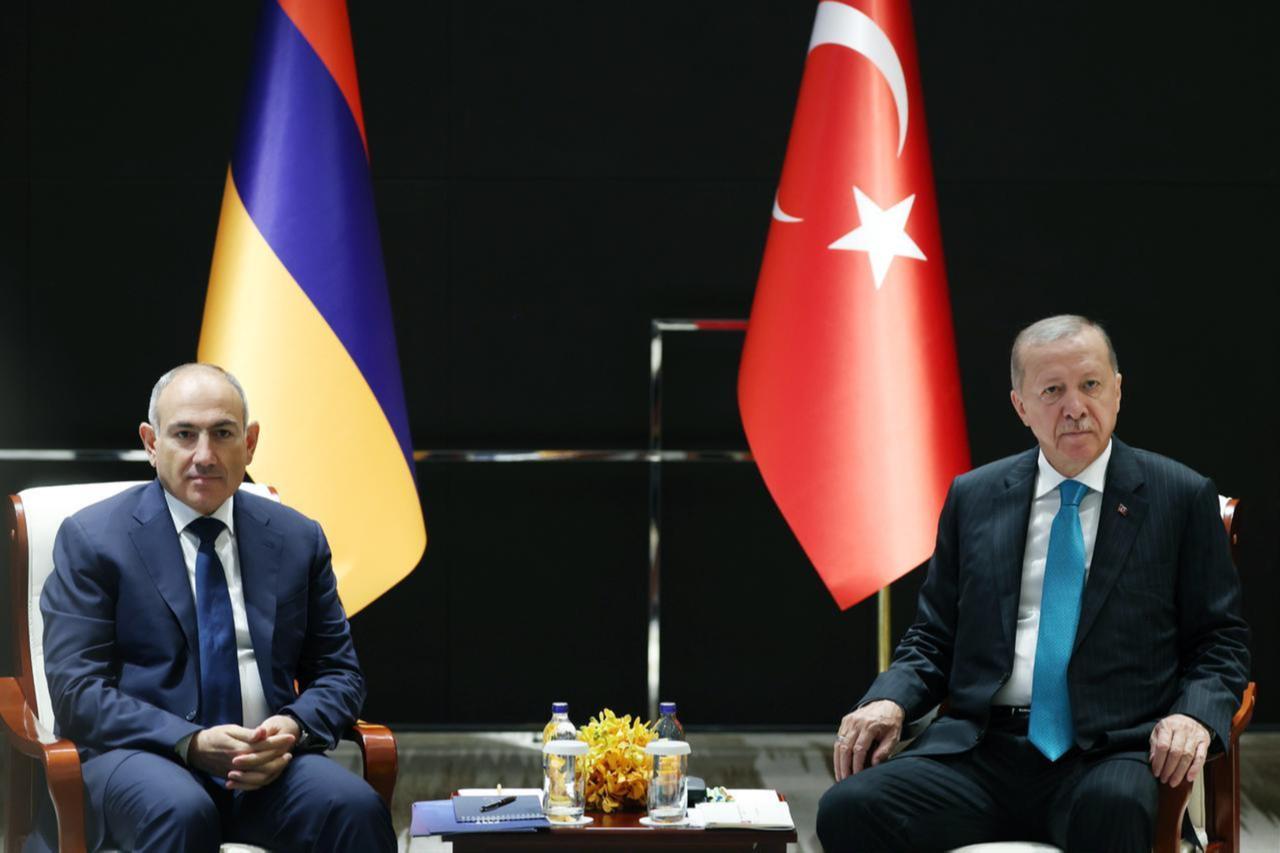
Mirzoyan emphasized the transformative potential of the peace agreement reached in Washington, stating that potential steps including the opening of the Armenia-Türkiye border and advancement of major infrastructure projects "could significantly change the economic and political architecture of the entire region."
The Armenian foreign minister described EU-Armenia relations as entering a "more ambitious new phase," announcing that the first-ever EU-Armenia Summit will take place in Yerevan on May 5, 2026. The summit represents a diplomatic milestone for Armenia, a landlocked nation of approximately three million people that has historically maintained close ties with Russia while increasingly orienting toward Western institutions.
Kallas underscored the importance of normalized relations among Türkiye, Azerbaijan, and Armenia for regional prosperity, noting that she and Mirzoyan discussed how the EU could contribute to this normalization process.
Commissioner Kos highlighted that the new strategic agenda reflects "special momentum" in EU-Armenia relations, noting that the European Commission delivered an action plan to Yerevan on November 5 outlining conditions Armenia must fulfill to achieve visa-free travel for its citizens to the EU's Schengen Area.
The visa liberalization process typically requires candidate countries to meet benchmarks on document security, border management, migration control, and judicial cooperation. Such access would grant Armenian passport holders the ability to travel throughout most of Europe without visas for short stays.
Kos also announced that the EU has allocated five million euros to support civil society and independent media in its eastern neighborhood region, emphasizing the critical role these institutions play in democratic societies.
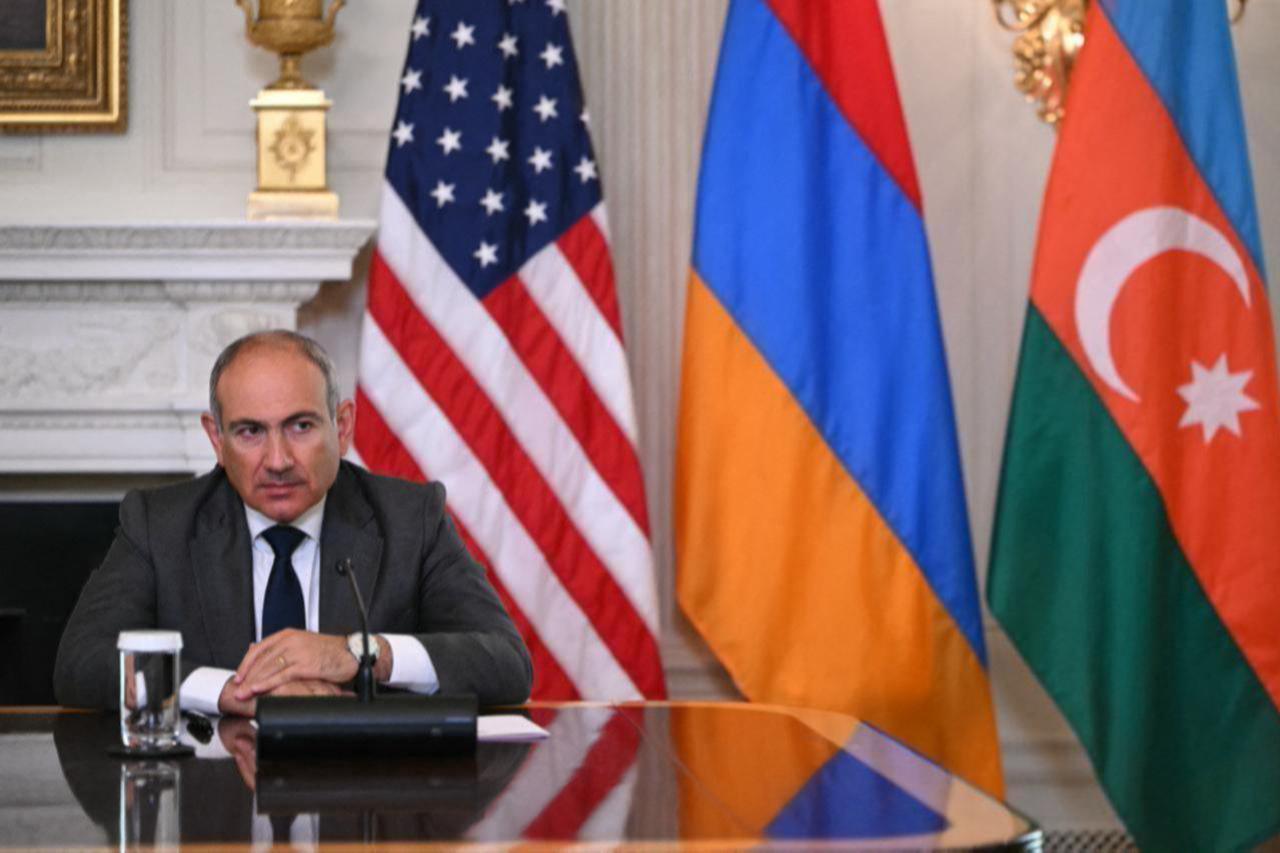
The strategic partnership announcement builds on the groundbreaking peace declaration signed by Azerbaijani President Ilham Aliyev and Armenian Prime Minister Nikol Pasinyan on August 8 at the White House, with U.S. President Donald Trump hosting the trilateral summit.
Trump stated at the time that Armenia and Azerbaijan had committed to halting hostilities, initiating commercial and diplomatic relations, and respecting each other's territorial integrity. The agreement followed a complex history of conflict between the two nations, primarily over the Karabakh region, which Azerbaijan reclaimed through military operations in 2023 after three decades of Armenian control.
The EU's enhanced engagement with Armenia comes as the country has distanced itself from traditional security arrangements with Russia, including the Collective Security Treaty Organization, following perceived inadequate support during its conflicts with Azerbaijan.


 Set as preferred source
 Set as preferred source


 1 min read

 1 min read