Newsletters


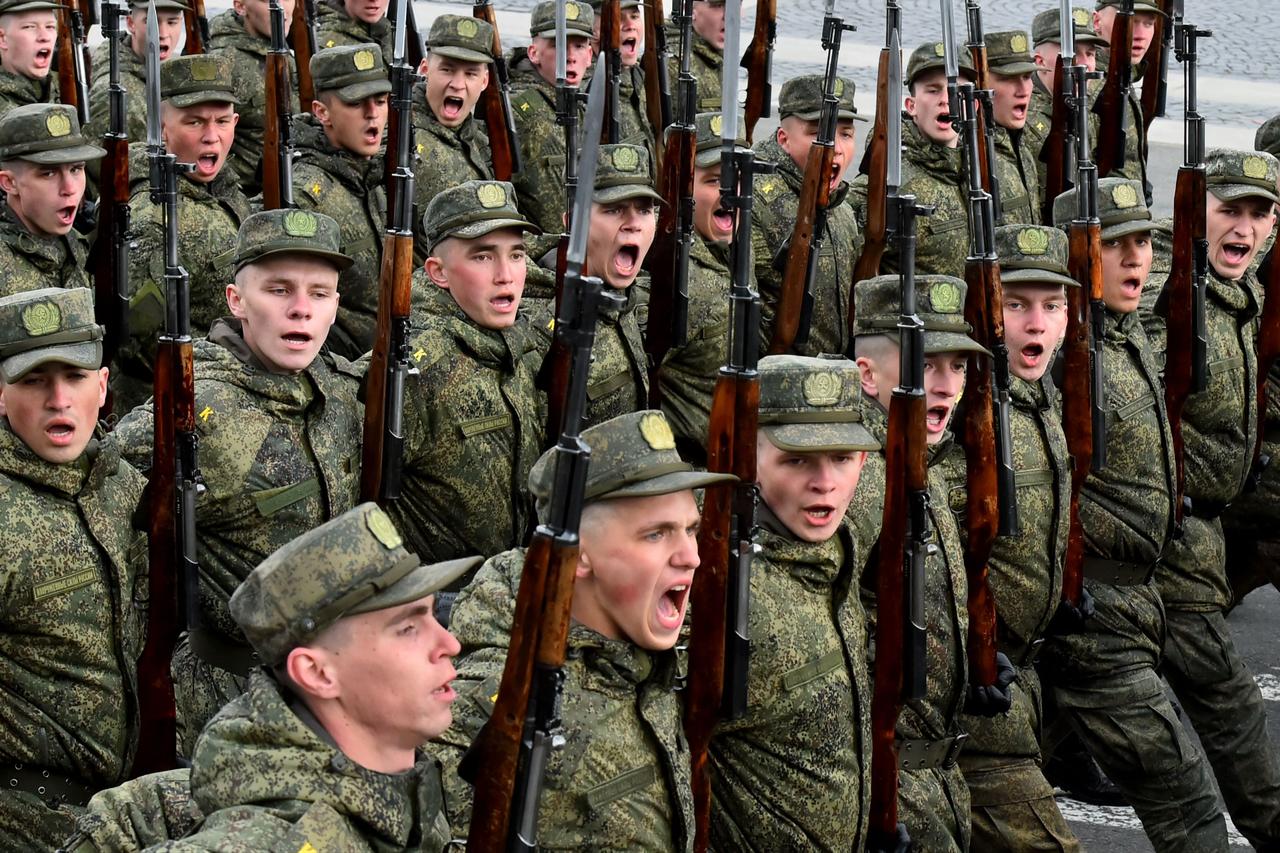


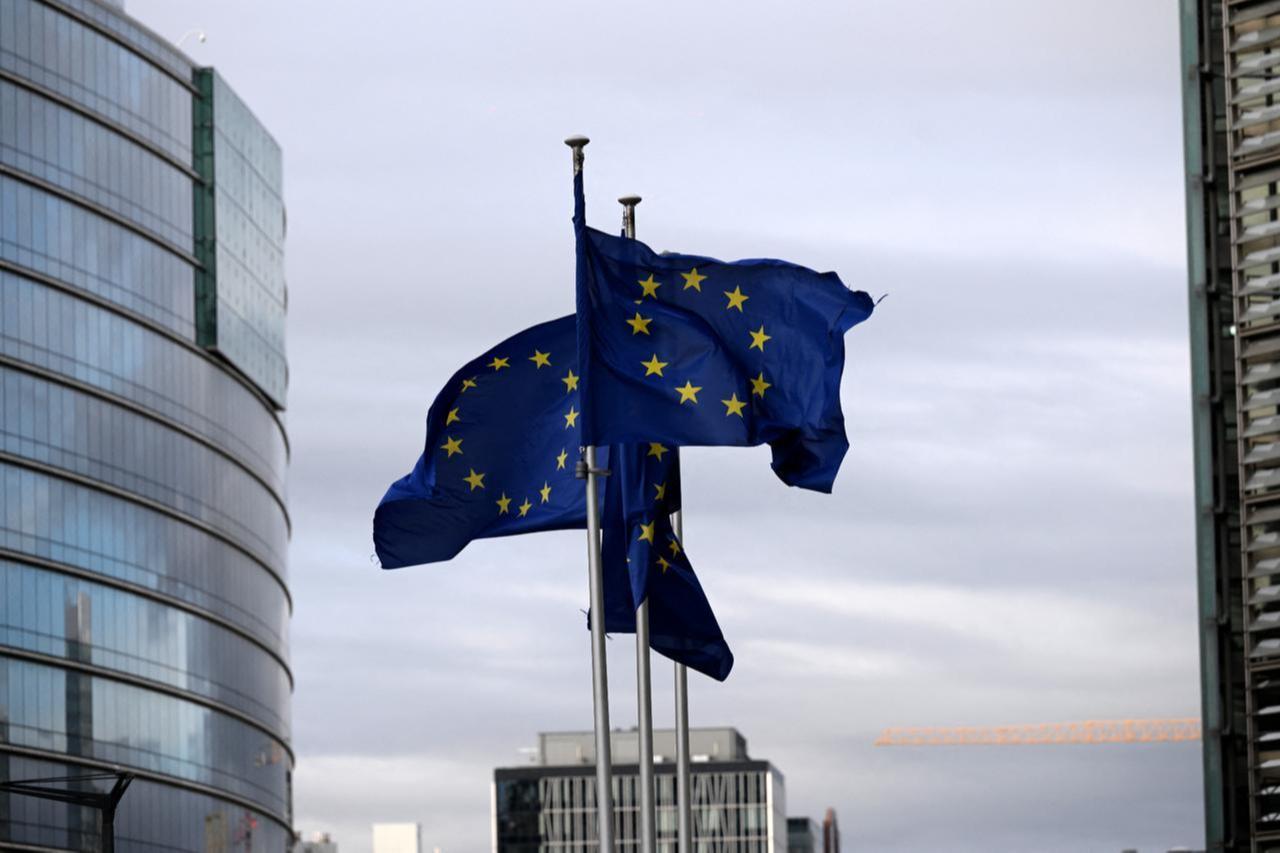
The European Union proposed banning entry to Russians who have served in their country’s armed forces since the start of the Ukraine war, as part of a new sanctions package aimed at increasing pressure on Moscow.
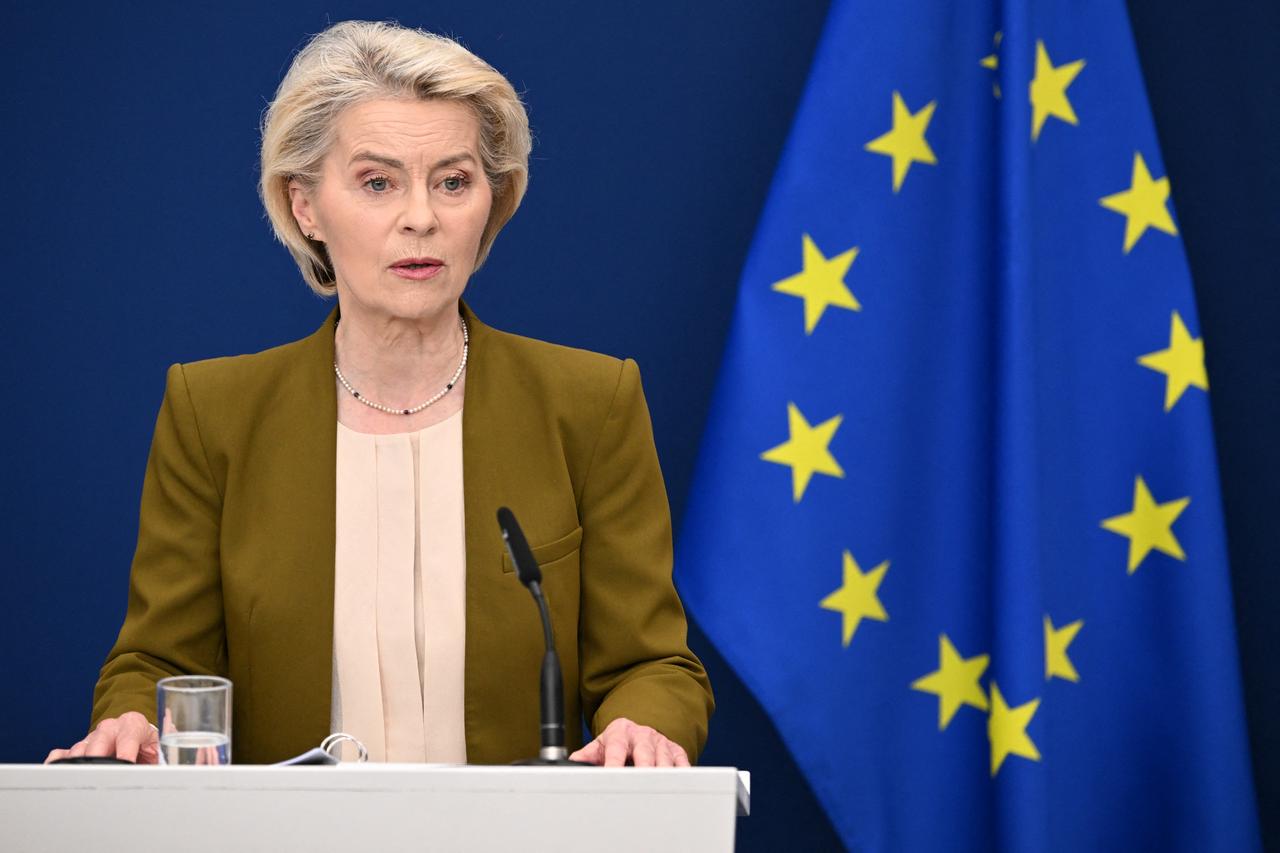
European Commission President Ursula von der Leyen announced the measures on Tuesday, saying the bloc wanted to ensure that Europe remained closed to those who had participated in Russia’s invasion of Ukraine.
“We propose for the first time to ban entry into the European Union for anyone who has served in the Russian armed forces since the beginning of the war,” von der Leyen said.
The package would be the EU’s 21st round of sanctions against Russia since its invasion of Ukraine in 2022.
It also includes proposals to maintain the price cap on Russian oil, target cryptocurrency exchanges and banks used to evade restrictions and blacklist additional tankers linked to Moscow’s oil exports.
“Our sanctions keep biting hard and cutting deep,” von der Leyen said. “They are weakening the economic foundations of Russia’s war effort.”

A central part of the proposed package is maintaining the price cap on Russian crude oil at its current level of about $44 per barrel until January.
Brussels wants to prevent Russia from benefiting from the rise in global oil prices caused by the Middle East conflict.
“This will give oil markets time to stabilize, while preserving pressure on Russia’s revenues,” von der Leyen said.
The EU has repeatedly sought to reduce the income Moscow earns from global energy exports, which Brussels says support Russia’s war effort.
The proposed sanctions will have to be discussed by the EU’s 27 member states and require unanimous approval before they can be adopted.
The European Commission also proposed measures against cryptocurrency platforms, banks and oil traders accused of helping Russia avoid existing sanctions.
Brussels plans to add 30 more vessels to its blacklist of tankers belonging to Russia’s so-called shadow fleet.
The vessels are used by Moscow to export oil despite Western restrictions.
The package would also restrict imports of some Russian fish products, including Alaska pollock and cod.
The EU is seeking to tighten restrictions on companies in countries outside the bloc that supply Russia’s military.
Officials said the proposed measures included 14 additional companies in mainland China and Hong Kong that would be barred from purchasing EU goods.
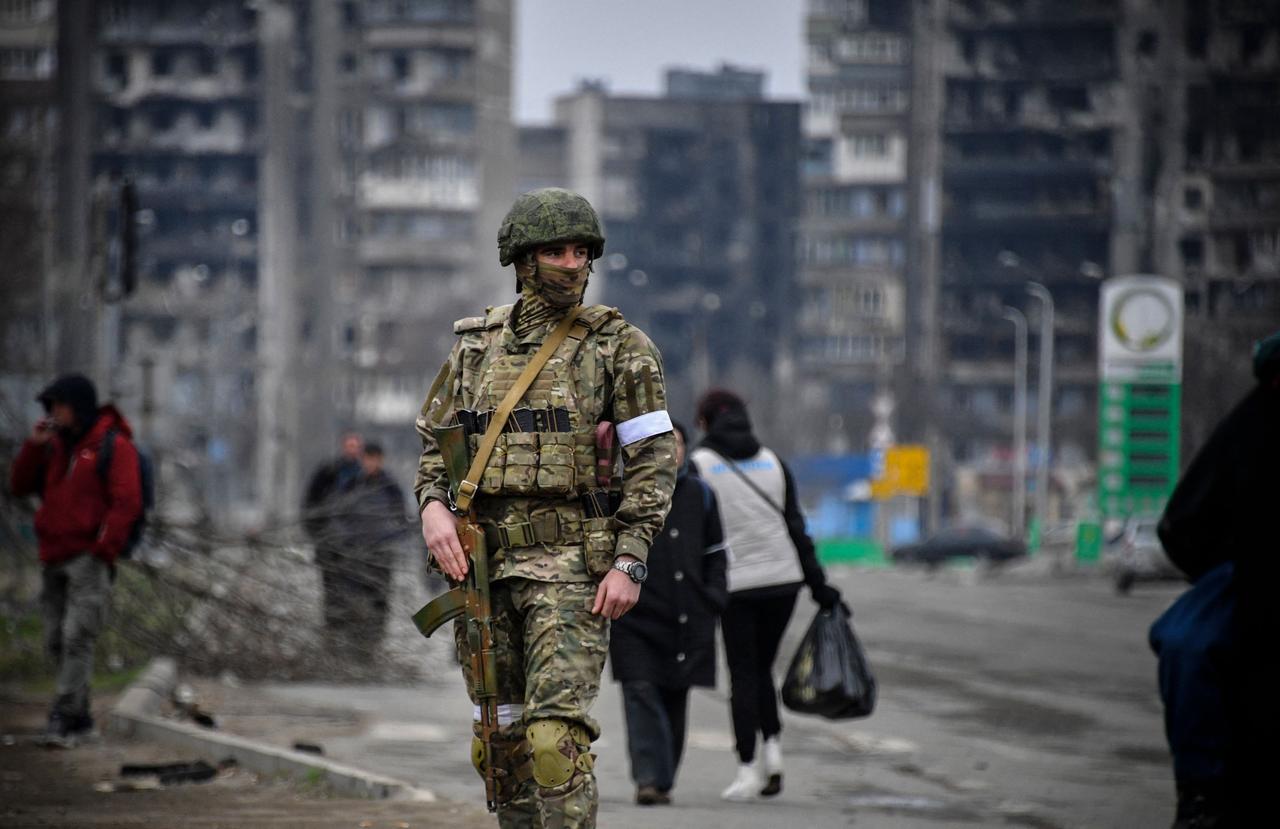
EU officials said Russia’s economy was beginning to lose momentum despite Moscow’s ability to withstand repeated rounds of Western sanctions.
“The price Russia pays is heavier by the day, and it is paid primarily by the people of Russia,” von der Leyen said.
“They are mourning sons, brothers, husbands, and at the same time they face declining living standards at home.”
EU foreign policy chief Kaja Kallas said Monday that Western sanctions had cost Russia as much as $1.5 trillion since the beginning of the war.
The latest proposal is intended to further reduce Russian energy revenues, close routes used to evade sanctions and increase pressure on individuals and companies linked to the war.


 Set as preferred source
 Set as preferred source


 1 min read
 1 min read