Newsletters


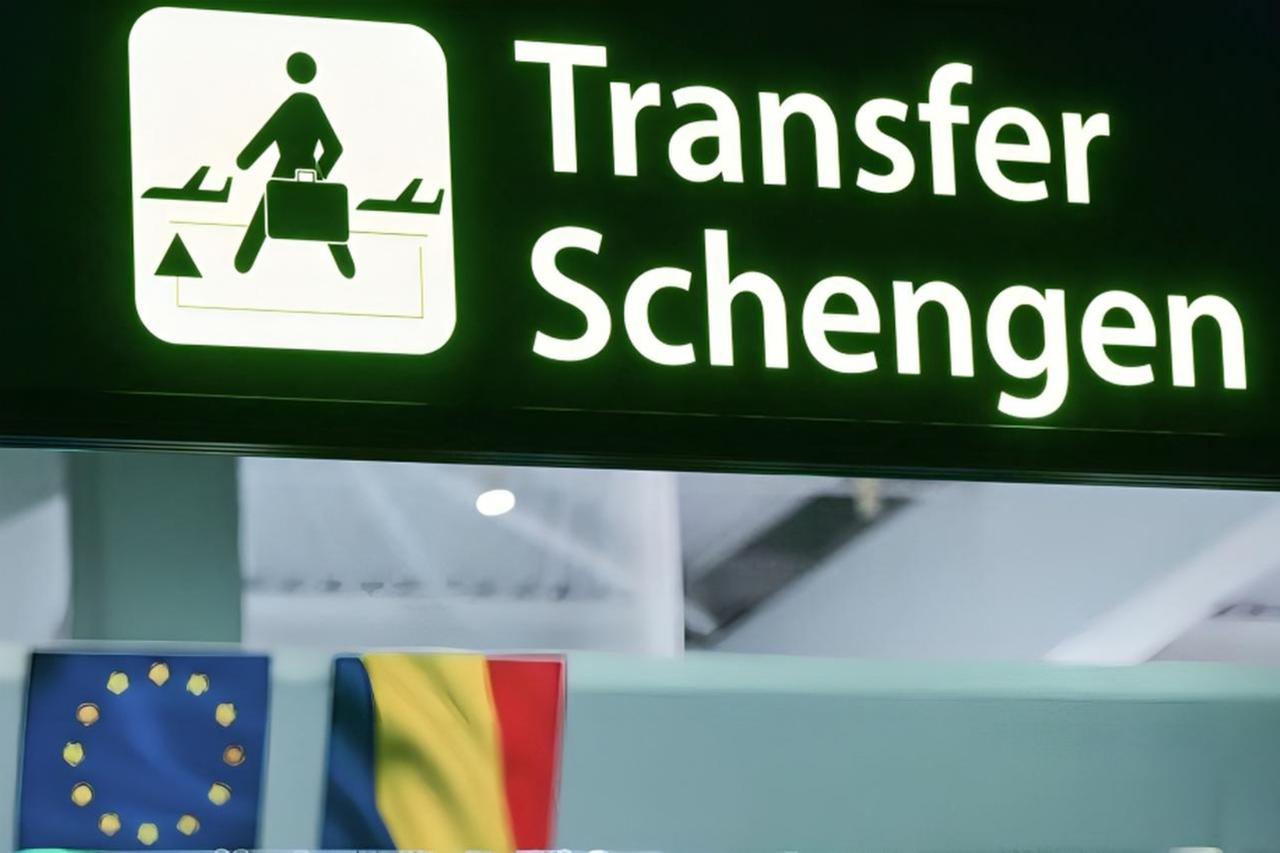


The European Commission said Tuesday that Germany, France, Italy and other Schengen countries that have reintroduced border controls with fellow members should work toward phasing them out.
The commission said the EU’s new external digital border check system and the upcoming implementation of a migration pact strengthening screening procedures reduced the need for internal controls.
“With these conditions in place, member states are in the position to work towards phasing out controls at internal borders,” EU migration commissioner Magnus Brunner said.
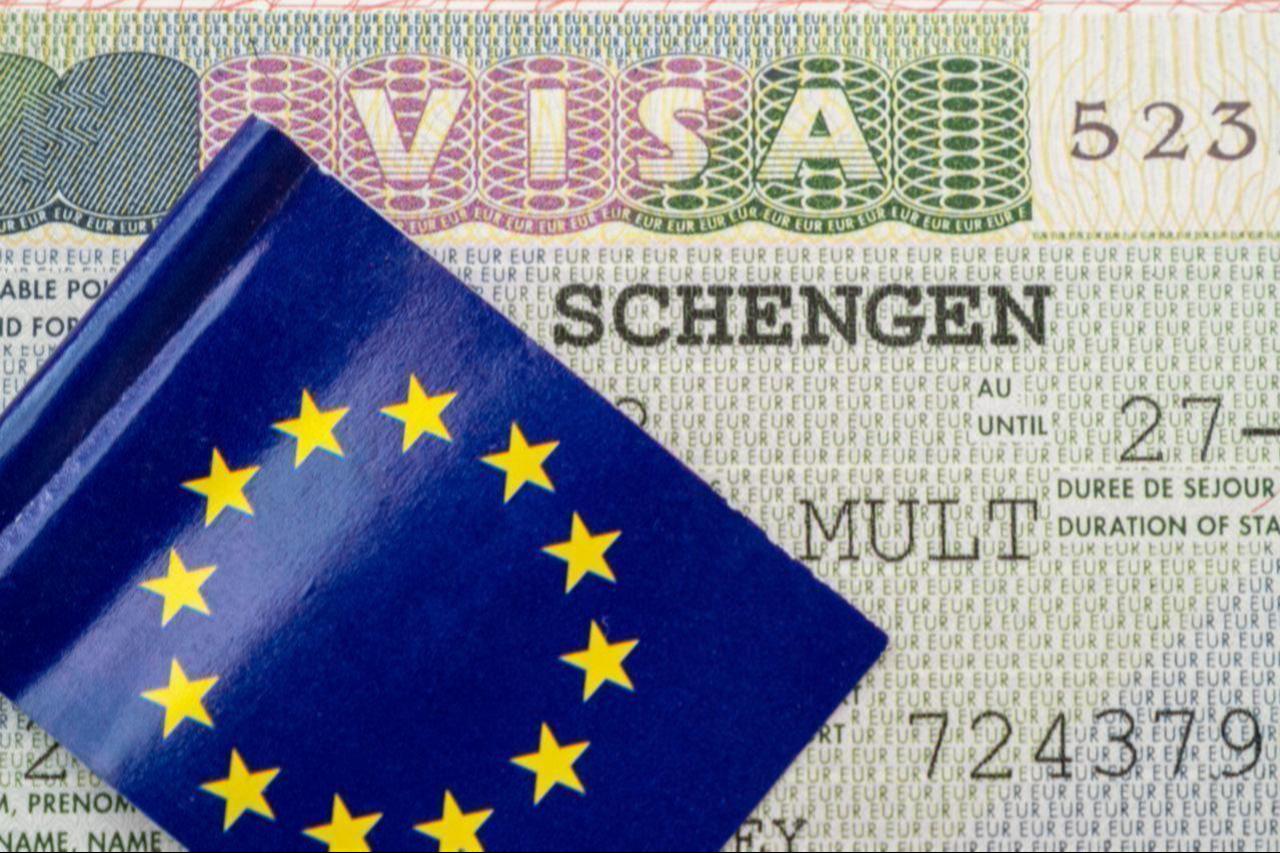

Free movement is the rule within the EU’s Schengen area, where countries can introduce checks at borders with fellow members only if they identify a threat to public order or internal security.
Such measures are expected to be exceptional and temporary, and in principle should not last more than two years.
However, under political pressure to tighten migration controls, several EU capitals have increasingly used the clause to deploy officers at internal borders.
Germany has maintained some form of checks on at least part of its border almost continuously since 2015.
When border checks last longer than 12 months, the European Commission must review the justification for them.
On Tuesday, the commission issued opinions to Austria, Denmark, France, Germany, Italy, the Netherlands, Slovenia, Sweden and Norway.
Norway is not an EU member but is part of the Schengen area.
The commission said the checks were generally introduced because of “genuine and legitimate concerns” linked to security threats and migration.
However, it suggested that they should gradually be replaced by tools such as non-systematic police checks, mobile biometric identification and vehicle tracking technologies.
Irregular border crossings into the EU detected by authorities fell by 40% in the first four months of 2026 compared with the same period last year, according to the EU’s border agency.
The EU’s new automated border system, which replaces passport stamps with digital registration and the collection of facial images and fingerprints, became operational in April and caused long queues at some airports.


 Set as preferred source
 Set as preferred source


 1 min read
 1 min read