Newsletters




The European Commission announced Friday it will propose suspending a €93 billion ($109.2 billion) retaliatory trade package against the United States for another six months, extending beyond the current Feb. 7 expiration date following the removal of U.S. tariff threats.
"With the removal of the tariff threat by the U.S. we can now return to the important business of implementing the joint EU-U.S. statement," Commission spokesman Olof Gill said.
The Commission will soon make a proposal "to roll over our suspended countermeasures, which are set to expire on February 7," Gill said, adding the measures would be suspended for a further six months.
"Just to make absolutely clear -- the measures would remain suspended, but if we need them at any point in the future, they can be unsuspended," Gill noted.
The trade package was initially prepared in the first half of last year during EU-U.S. trade negotiations and put on hold for six months after both sides reached a joint statement on trade in August 2025.

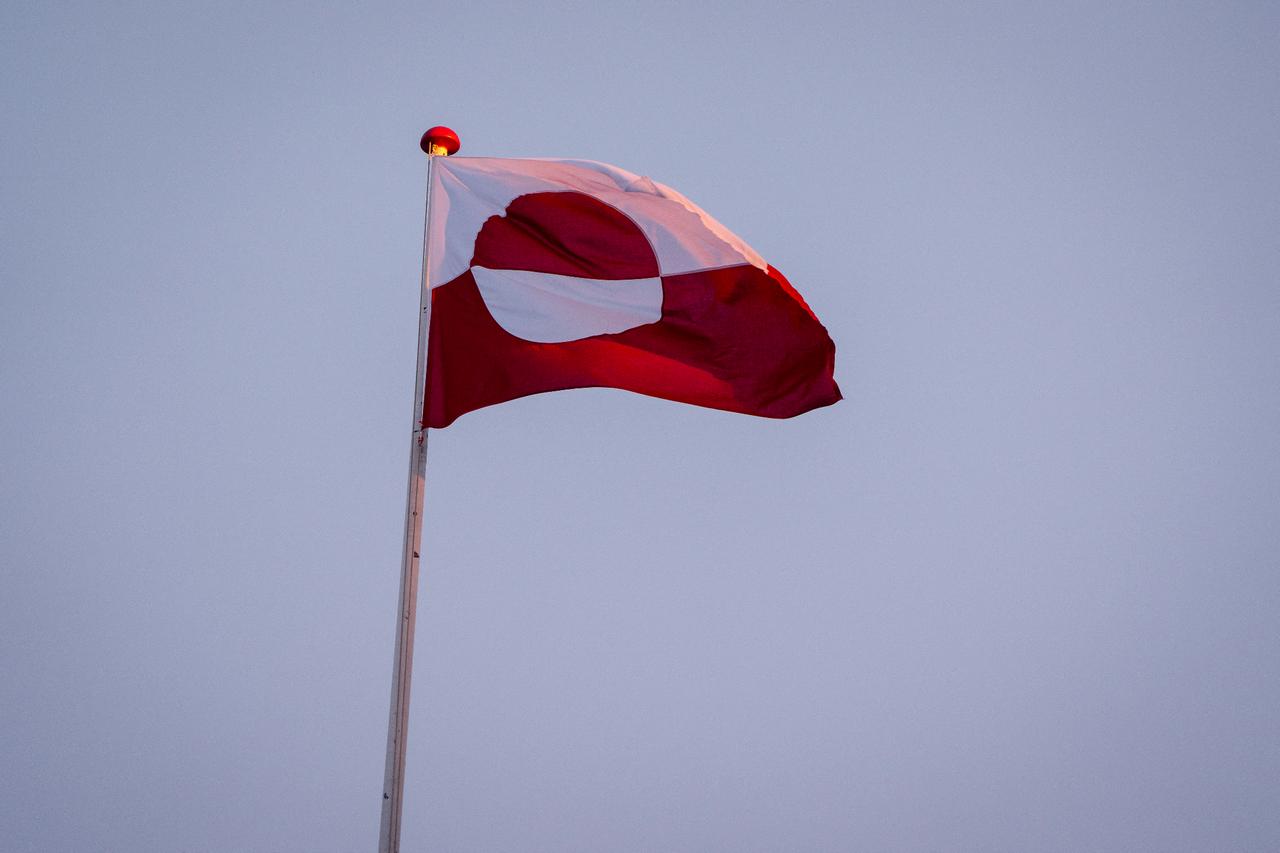
The measures gained renewed attention last week when U.S. President Donald Trump threatened to impose new tariffs on eight European countries amid Washington's efforts to acquire Greenland.
The EU's retaliatory package could have served as a response tool had Trump implemented his threatened tariffs.
Trump's climbdown on Wednesday, saying he had negotiated a framework for expanded military access to the Danish overseas territory, should mean the trade pact can move ahead as planned, according to diplomats and officials who spoke to Politico.
EU leaders are pushing for ratification of the U.S. trade deal despite anger over Trump's threats, according to Politico.
"There is an agreement between the U.S. and the EU on trade," said an EU official directly involved in discussions, adding that, "We are reliable partners, so those agreements should be abided by, unless there are structural changes ... Hopefully that is not the case and things can move forward."
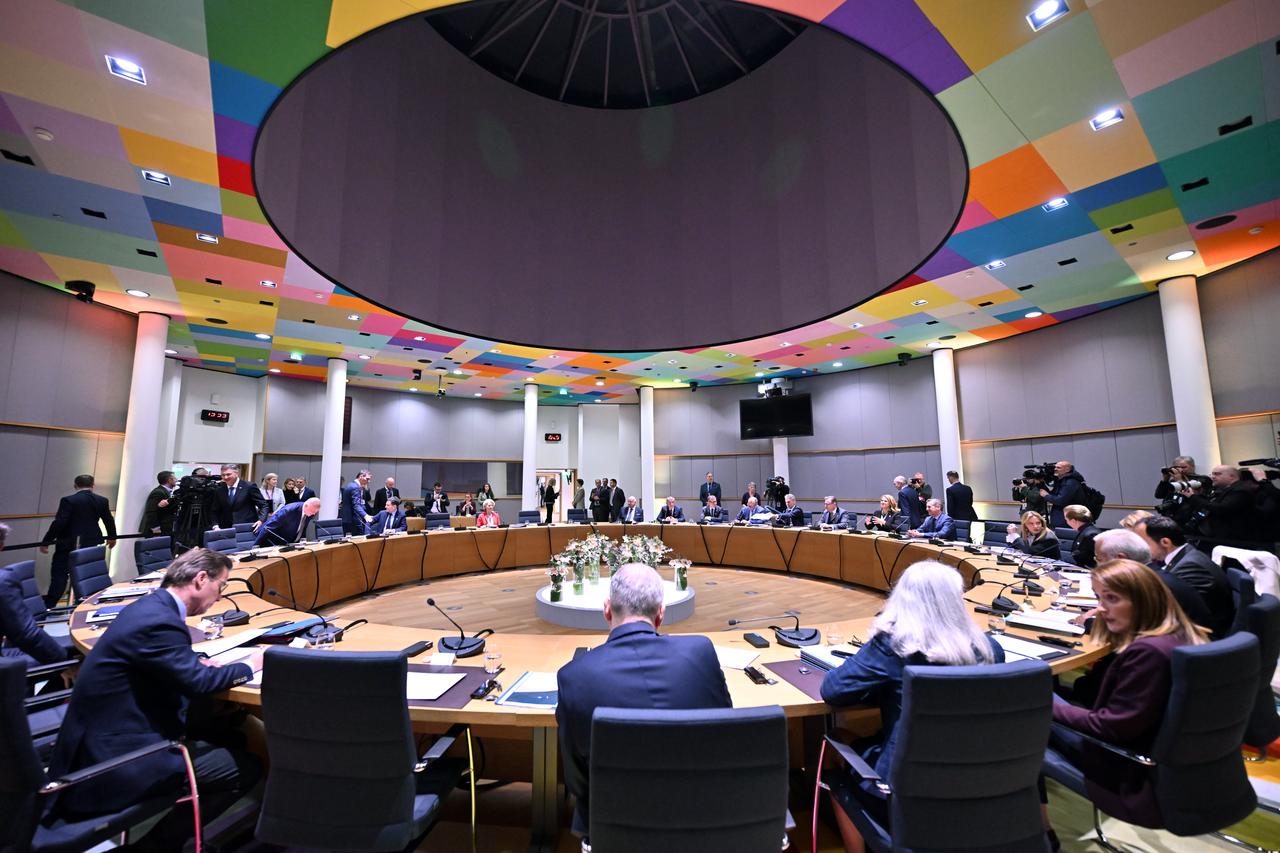
The summit in Brussels was initially called to discuss economic retaliation against the U.S. Leaders of main parties in the European Parliament, including Commission President Ursula von der Leyen's European People's Party, recently said that ratification would be impossible given Trump's threats.
At a meeting of ambassadors Thursday to prepare the summit, no countries objected to the agreement taking effect, even after the rancorous week, according to diplomats who spoke to Politico. The deal was signed in July by Trump and von der Leyen.
"It is in the interest of Europeans to have an effective relationship," said a senior European diplomat.

"The action is for the Parliament," said an EU official, adding that leaders were likely to raise the issue with Parliament President Roberta Metsola during the summit Thursday.
The European People's Party lead negotiator on the file, Zeljana Zovko, said Parliament will "hopefully" decide to proceed with the deal on Monday.
U.S. Ambassador to the EU Andrew Puzder is pressing for speedy approval, criticizing those in Brussels who claim Trump risks undermining the transatlantic relationship with his efforts to take over ally territory.
"The real instability comes from the EU's own failure to act on the historic trade agreement that Presidents Trump and von der Leyen negotiated last summer," Puzder wrote on X.
"It was meant to restore predictability and growth, not be held hostage to political posturing," he added.


 Set as preferred source
 Set as preferred source


 1 min read


 1 min read