Newsletters




In recent years, Russia’s war in Ukraine has consumed the bulk of Moscow’s military and political attention, exposing vulnerabilities across other theaters where its influence once appeared durable. Setbacks in places such as Syria have underscored how sustained pressure from the Ukrainian front has stretched Russia’s strategic bandwidth, forcing trade-offs that are reshaping its global posture.
Moscow’s capacity to project power abroad, particularly in Africa’s Sahel, has become increasingly constrained, though not yet decisively reversed. Yet, as U.S.-initiated negotiations advance, this moment is rapidly closing for regions whose security dynamics have been shaped by Russian involvement.
This creates a narrow but critical window, especially for the EU. Russia retains the ability to turn instability in Africa into strategic leverage, using migration routes and security breakdowns as pressure points against European capitals. Whether that leverage hardens or begins to erode will depend largely on decisions taken in the coming months.
The Sahel has emerged as the central arena in this contest. As Russia loses ground elsewhere, it has leaned more heavily on African instruments that directly affect Europe, including irregular migration and the spread of regional terrorism.
Cooperating with Türkiye, a trusted security actor with regional credibility and operational experience, is an increasingly strategic necessity for European policymakers.
Since 2017, the Kremlin has treated Africa as a strategic priority, aiming to extend Russian influence beyond Eurasia. The objectives have included securing access to natural resources, opening new markets for Russia’s defense industry, and countering Western presence.
The Sahel was deliberately selected as a focal point within this strategy. Its role as a migration corridor to Europe and its proximity to NATO’s southern flank made it an effective arena for indirect leverage.
By embedding itself within local security structures, Russia sought to reposition itself as an indispensable partner while reshaping regional alignments at Europe’s expense.
The African partners, however, are increasingly trying to detach from the Russian sphere of influence due to the disillusionment with the massacres committed by merchants in the region.
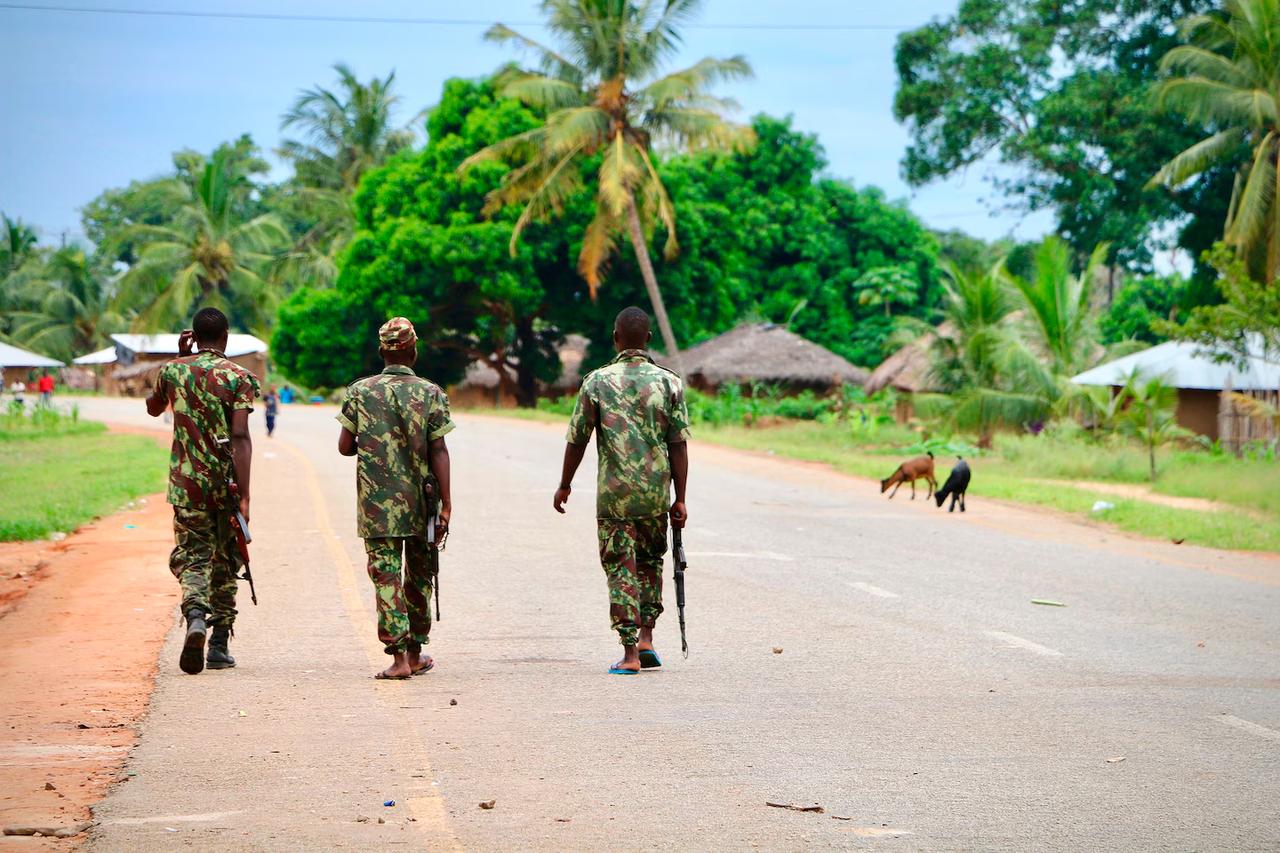

The Sahel is among the world’s poorest regions, defined by weak state institutions, limited economic opportunity, and chronic insecurity. Yet, Moscow has seen another type of opportunity, exchanging security support for influence and access.
Moscow’s appeal to Sahelian regimes rested on a clear contrast with Western partners. Russia offered cooperation without conditions related to governance or standards.
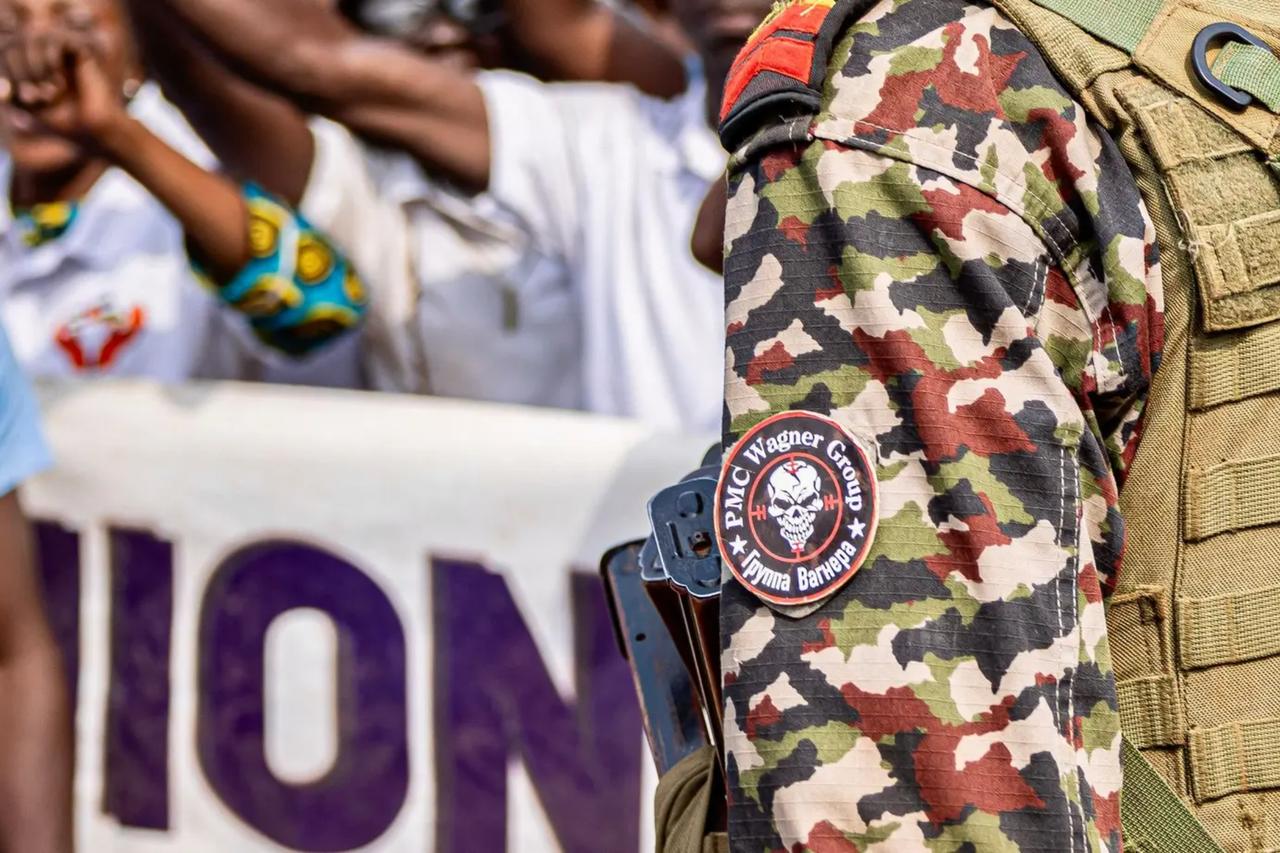
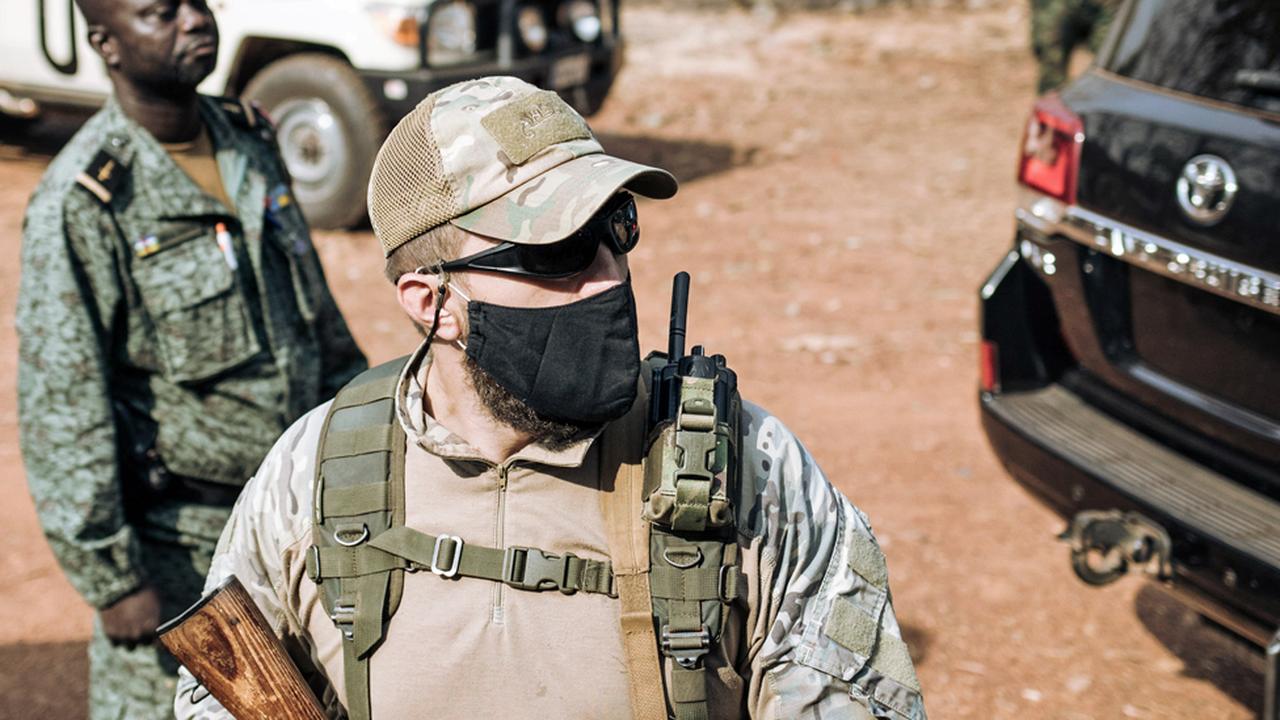
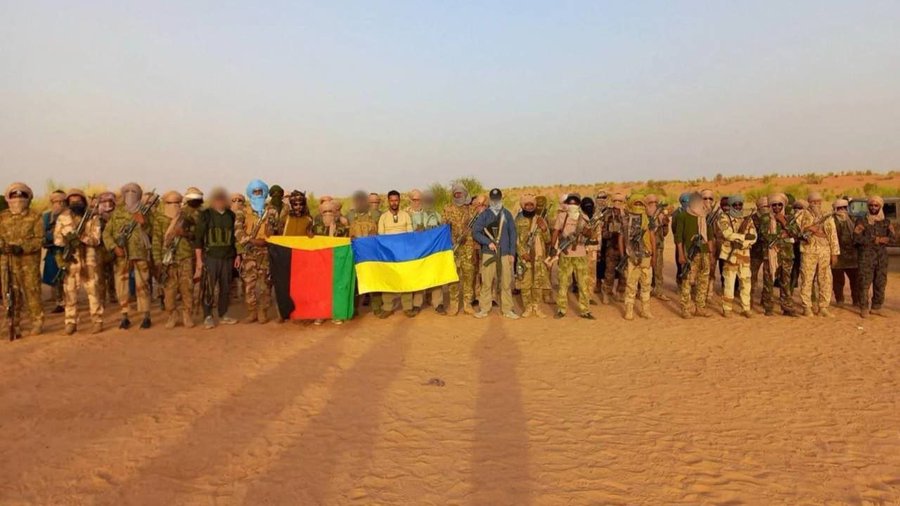
Private military formations, most notably the Wagner Group, became the primary instruments of this model. Their mission extended beyond security provision to actively pushing French and American influence out of the region.
In practice, this approach has enabled Moscow to exploit instability while using migration routes and terrorism as indirect pressure tools against Europe.
For European governments already facing domestic tensions over migration and security, developments in the Sahel are no longer distant concerns. Instability there increasingly produces political and social consequences inside Europe itself.
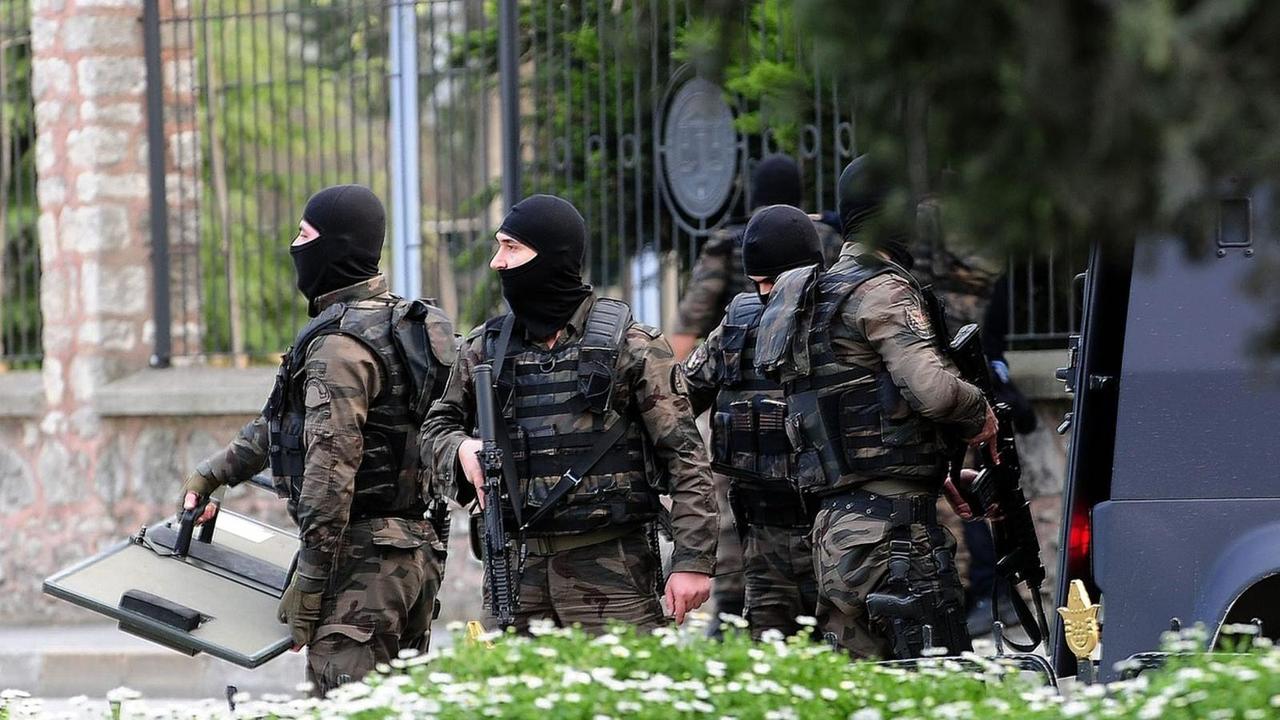
On Tuesday, National Intelligence Organization (MIT) Director Ibrahim Kalin stated that Türkiye is prioritizing Africa amid intensifying strategic competition. He noted that Ankara is employing a distinct "African approach" to help the continent navigate its current challenges.
Indeed, Türkiye enjoys a level of public and political goodwill in parts of Africa, where it is generally not perceived through a colonial lens. This allows Turkish engagement to proceed with fewer historical constraints than many European initiatives.
Türkiye also brings extensive experience in working with Europe on migration management. Its institutional knowledge and crisis-handling capacity provide a practical foundation for deeper coordination.
Before terrorism and irregular migration are weaponized against Europe on a larger scale, cooperation with Türkiye has become a strategic necessity. Ankara’s regional footprint and operational experience against terrorism offer capabilities that Europe currently lacks on its own.
Operations associated with Wagner increasingly became defined by indiscriminate violence against civilians. Incidents such as the Moura massacre highlighted patterns of mass killings, abuse, and intimidation.
These tactics failed to weaken terrorist groups in any durable way. Instead, they further alienated local populations and undermined the legitimacy of governments aligned with Russia.
The cumulative effect was deeper social fragmentation and an expanding environment of fear, rather than restored order.
Russia’s strategy has produced a clear backlash. Civilian targeting and operational failures have fueled resentment, creating new recruitment opportunities for terror organizations.
Since 2023, deaths linked to violence in the Sahel have increased by roughly 60%. As a result, extremist groups have consolidated control over larger territories, directly contradicting Russia’s promise of stabilization.
Following Yevgeny Prigozhin’s mutiny and death, Wagner was rebranded as the “Africa Corps” and placed under the Russian Ministry of Defense. Officially, this move signaled tighter state oversight.
In practice, little changed on the ground. The same personnel, operational methods, and extractive priorities continued to define Russia’s presence.
The rebranding functioned largely as damage control, failing to address the deeper flaws undermining Moscow’s position.
As security conditions deteriorated and terrorist advances continued, local governments began reassessing their partnerships with Russia. The perception that Moscow prioritized its own economic interests has become increasingly widespread.
In countries such as Burkina Faso and Niger, early signs of restriction and recalibration have emerged. Russia’s influence in the Sahel now appears fragile, weakened by its own methods and diminishing local trust.
The collapse of Russia’s “unconditional security” model has left behind a dangerous vacuum. With France and the United States largely excluded, vast areas face declining authority and expanding militant control.
For Europe, the cost of inaction is rising rapidly. Further deterioration in the Sahel would almost certainly translate into increased migration pressures and heightened security risks.
In this context, working with Türkiye stands out as a pragmatic option. Ankara’s regional engagement and operational experience offer one of the few viable paths to addressing the vacuum before the window fully closes.


 Set as preferred source
 Set as preferred source


 1 min read
 1 min read