Newsletters


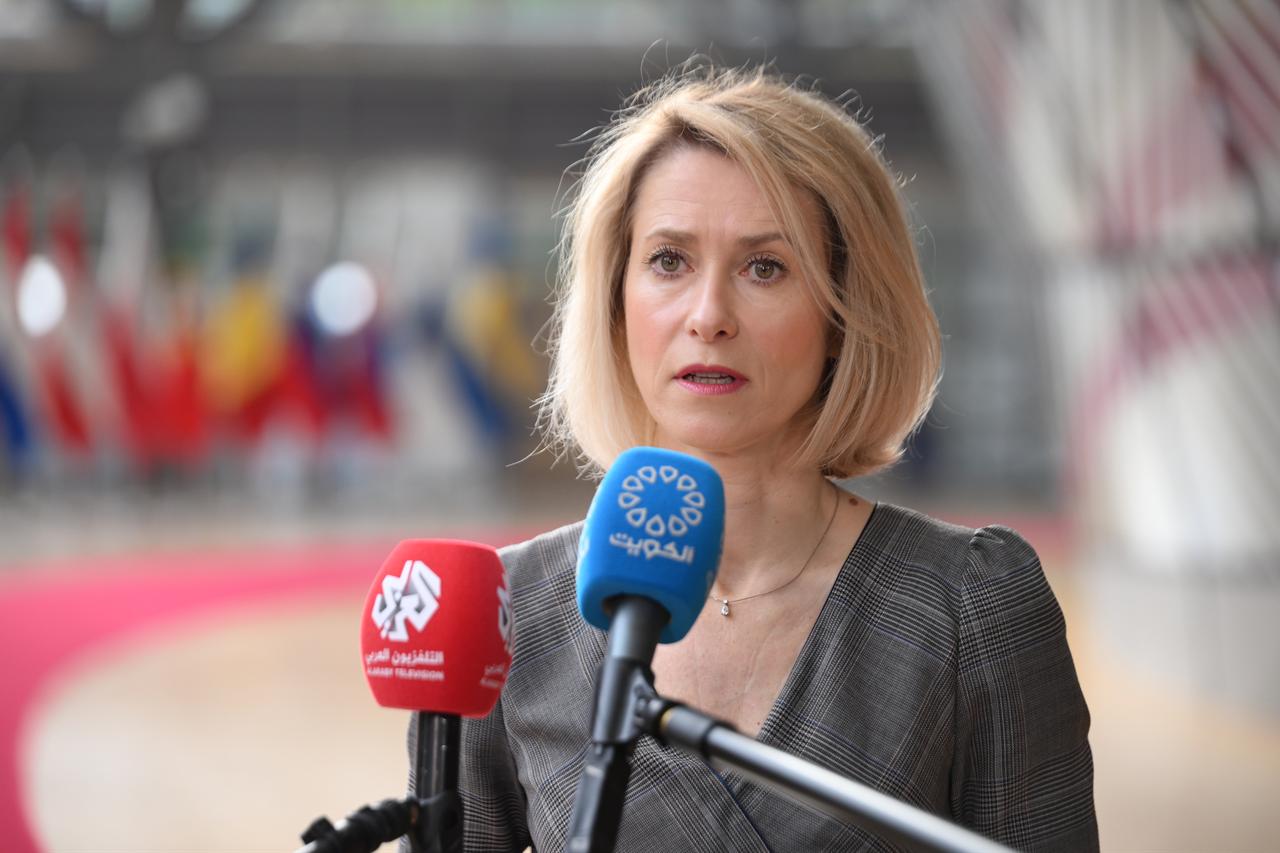


EU foreign policy chief Kaja Kallas said in an interview with Germany’s Der Spiegel that Russia has reached a deadlock in its war in Ukraine, arguing that Moscow’s threats show weakness and warning Europe not to be drawn into a debate over who should represent it in possible peace talks.
Kallas said Russia’s repeated threats, including against foreign diplomats in Kyiv, show that Moscow wants to demonstrate its ability to terrorize people through attacks on Ukrainian civilians and warnings against other states.
“Russia is in a deadlock in this war,” Kallas told Der Spiegel.
She said the war’s dynamics were shifting in Ukraine’s favor, with Russia falling behind militarily, economically and diplomatically. Kallas said about 35,000 Russian soldiers are killed or wounded every month, while the number of new recruits is far lower.
“Russia cannot sustain this war in the long term,” she said.

Kallas said Europe should not focus on who might speak with Russia in possible peace negotiations, saying that would serve Moscow’s interests.
“It’s a trap that Russia wants us to walk into, where we discuss who talks to them, and they are already picking who is suitable and who is not. Let’s not walk into that trap,” Kallas told reporters as EU foreign ministers met in Cyprus to weigh their terms for talks with Moscow.
She said Russia wants Europe to discuss names instead of substance after Russian President Vladimir Putin suggested that former German Chancellor Gerhard Schroder could mediate in the Ukraine war.
Kallas said Putin had miscalculated after the start of U.S. President Donald Trump’s term, hoping Ukraine would be delivered to him in negotiations.
She said Putin later realized he could not make decisions without Ukraine and the Europeans, adding that ending sanctions against Russia remained in European hands.
“For peace, Russia and Ukraine must come to the negotiating table,” Kallas said. “A lot of what would be discussed there also concerns us Europeans. We have the right to make demands and demand Russian concessions. Europe must sit at the negotiating table.”
Kallas said Putin must first stop the war before meaningful negotiations can take place.
“Above all, he must stop the war. Russia must stop bombing civilians. It must agree to an unconditional cease-fire,” she said.
She criticized Putin’s demand for a cease-fire during Moscow’s parade in early May, marking the end of World War II, saying it was cynical to treat protection of a Russian parade as more important than protection of Ukrainian civilians.
Kallas said she had prepared a paper in February for EU foreign ministers on what Europe should discuss if negotiations with Russia take place.
She said pressure had mainly been placed on Ukraine to make concessions, although Russia was the problem.
Kallas said there were still no credible signs that Moscow genuinely wanted to negotiate and that Putin had not moved away from his maximum demands.
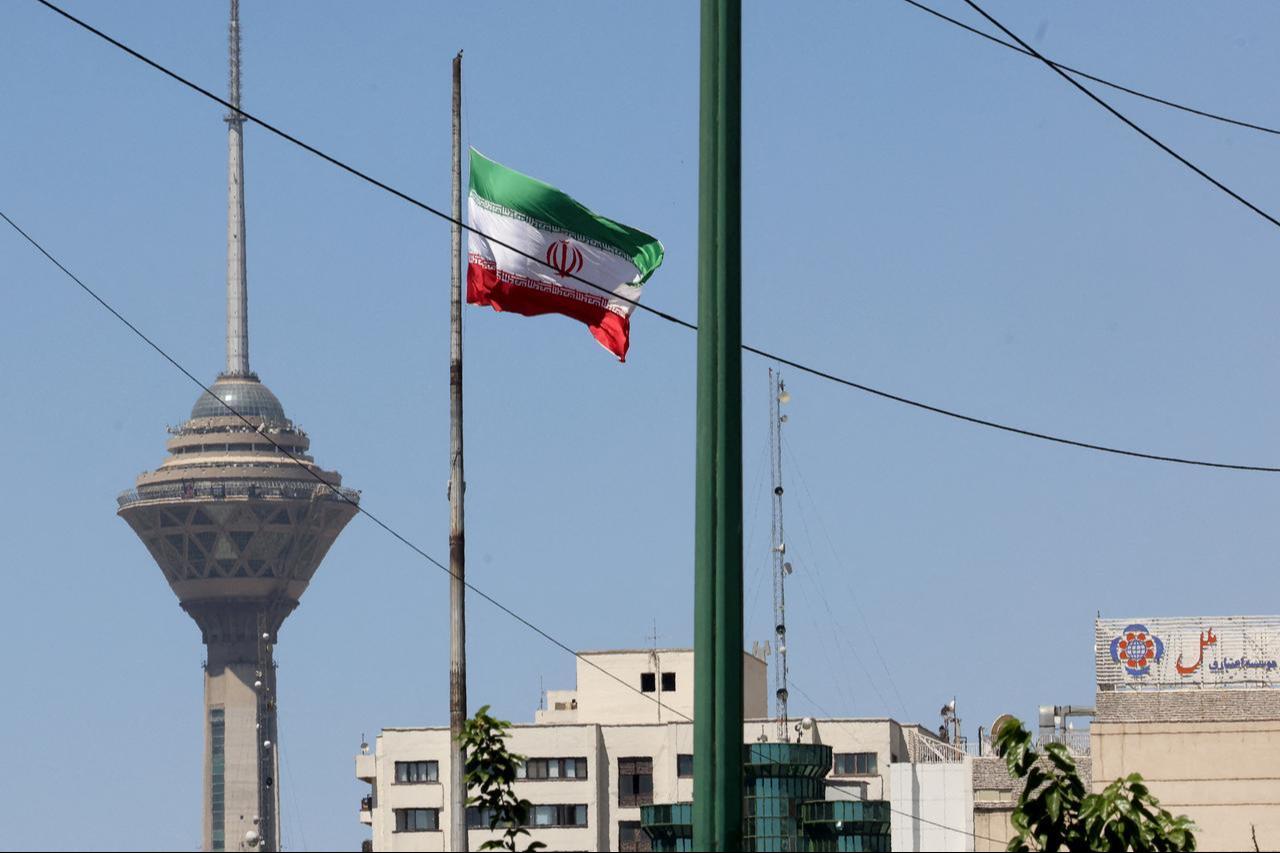
Kallas also warned Thursday that it was in no one’s interest for the U.S. war with Iran to continue.
“They are right now in between this very dangerous zone of war and peace, and it is not in anybody’s interest that this war continues,” Kallas told reporters at a meeting of EU foreign ministers in Cyprus.
She said Europe agreed that Iran must never possess nuclear weapons.
Kallas said that under the previous nuclear agreement, Iran had largely fulfilled some of its commitments, but that changed after the U.S. withdrew from the deal during Trump’s first term.
She said Iran is experienced in negotiations and that it is important to involve states in the region because they know Iran better than others. Kallas said the EU is in close contact with Gulf states, Jordan and Egypt.
“The war is between the U.S. and Iran,” Kallas said. “These two parties are responsible for a cease-fire. After that will come the difficult negotiations for a long-term peace solution, which also affects neighboring states. The EU is involved there.”
Kallas said the focus now must be on peace talks and reopening the Strait of Hormuz.
“The whole world is paying a very high price for this crisis,” she said.


 Set as preferred source
 Set as preferred source


 2 min read
 1 min read