Newsletters


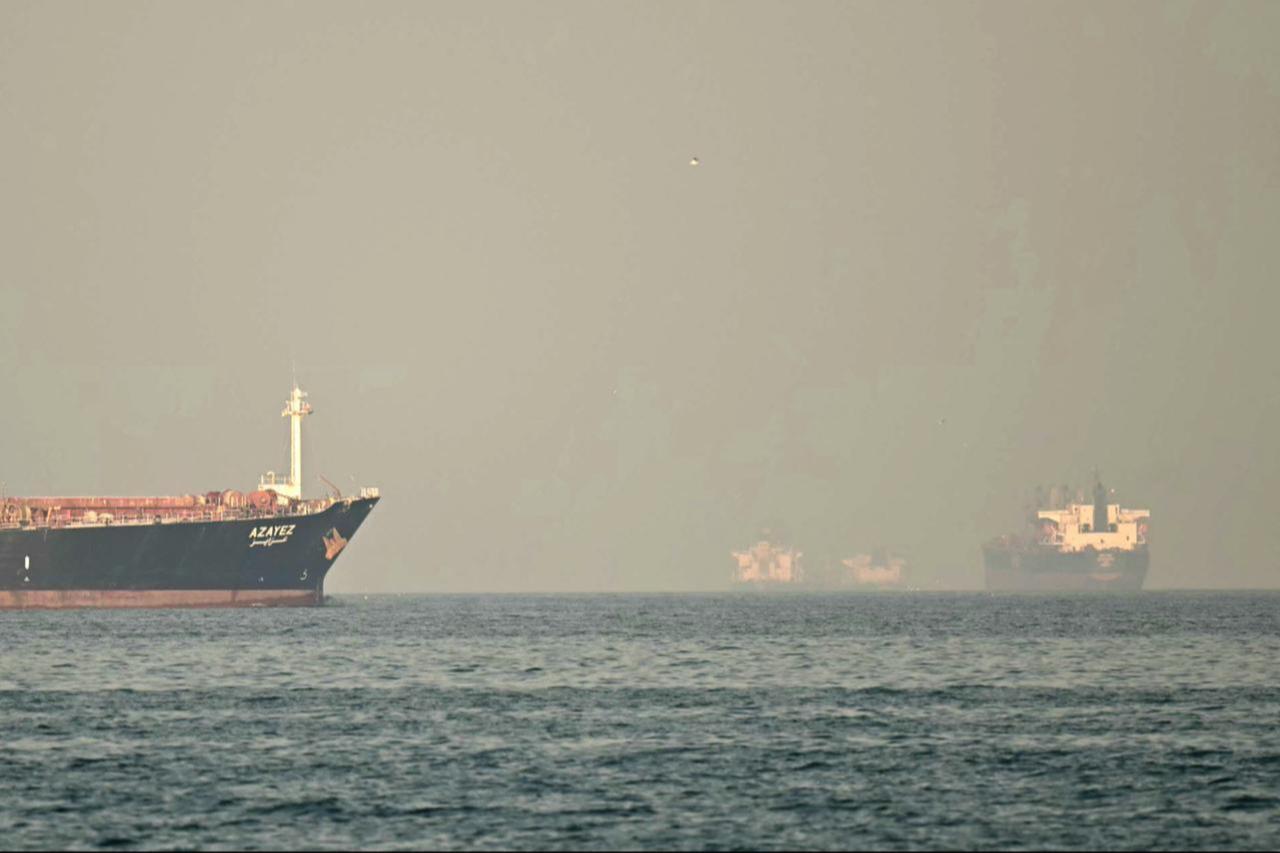


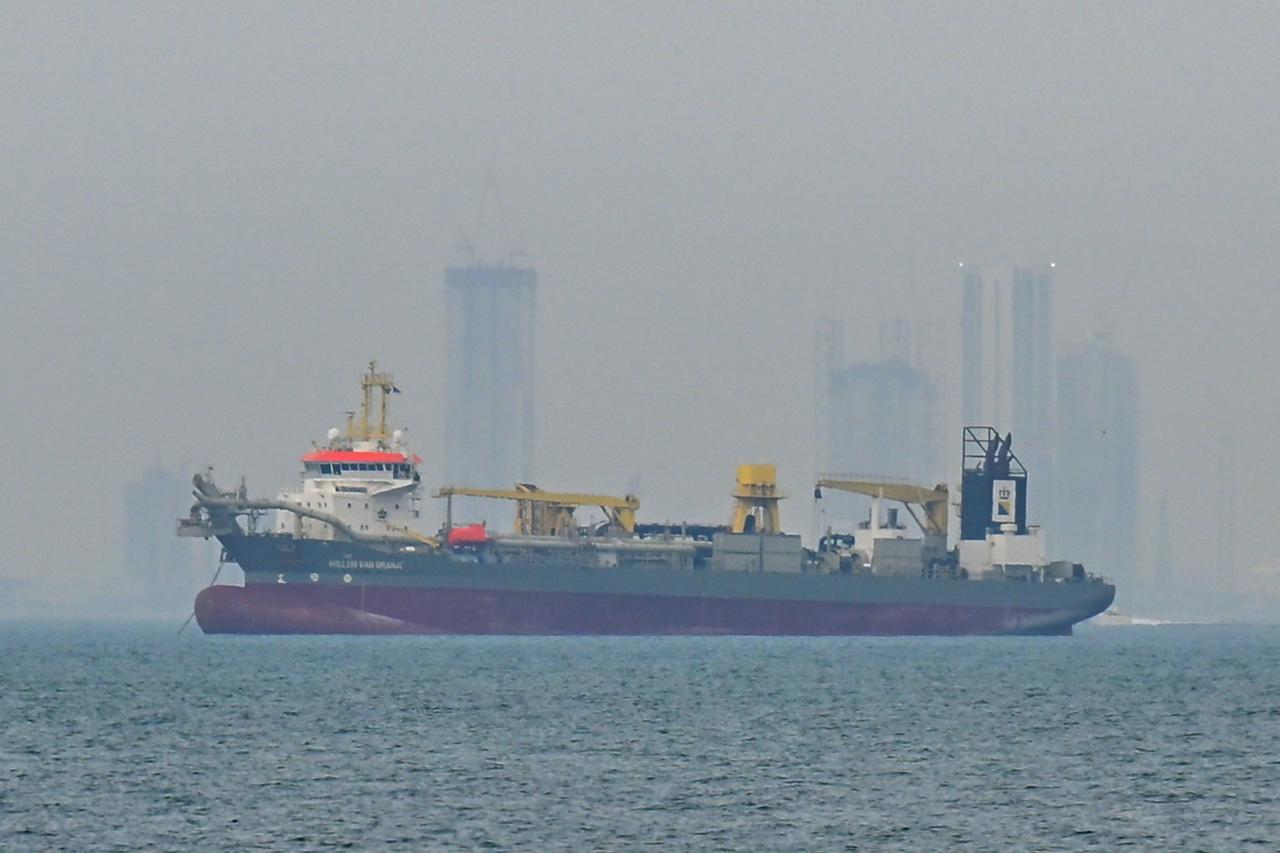
Turkish Transport and Infrastructure Minister Abdulkadir Uraloglu said the first Turkish-owned ship has passed through the Strait of Hormuz as dozens of vessels remain stranded in the strategic waterway amid disruptions caused by the ongoing regional conflict.
Speaking to journalists, Uraloglu said one of the 15 Turkish-owned ships in the Strait of Hormuz was allowed to pass because it had used an Iranian port.
“Fourteen Turkish-owned ships are still there, and we are in constant contact," he said.
"Six of them are cruise ships waiting together with their passengers,” the Turkish minister added.
Earlier Wednesday, speaking to reporters before the ruling Justice and Development Party (AK Party) parliamentary group meeting, Uraloglu said authorities were maintaining contact with the crews.
“There are 15 Turkish-owned ships in the Strait of Hormuz. We are in contact with all their personnel,” he said.
“They are at a waiting point. Their only difficulty is being there; otherwise, there is no problem in meeting their needs,” he added.

Regional tensions have escalated since Israel and the United States launched joint attacks on Iran on Feb. 28.
The strikes have killed more than 1,200 people, including former Supreme Leader Ali Khamenei, according to Iranian authorities.
Iran retaliated with drone and missile strikes targeting Israel, Jordan, Iraq and several Gulf countries hosting U.S. military assets.
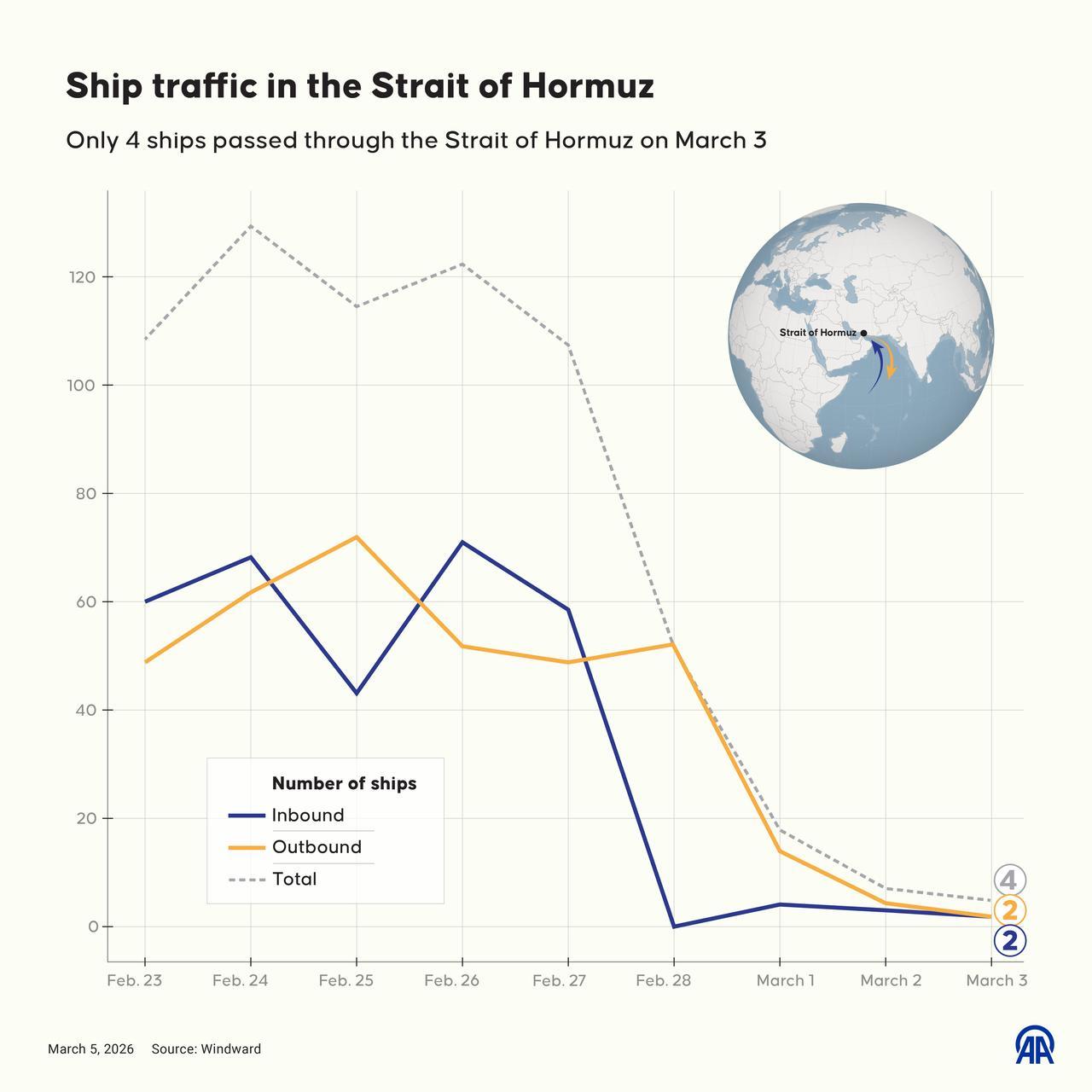
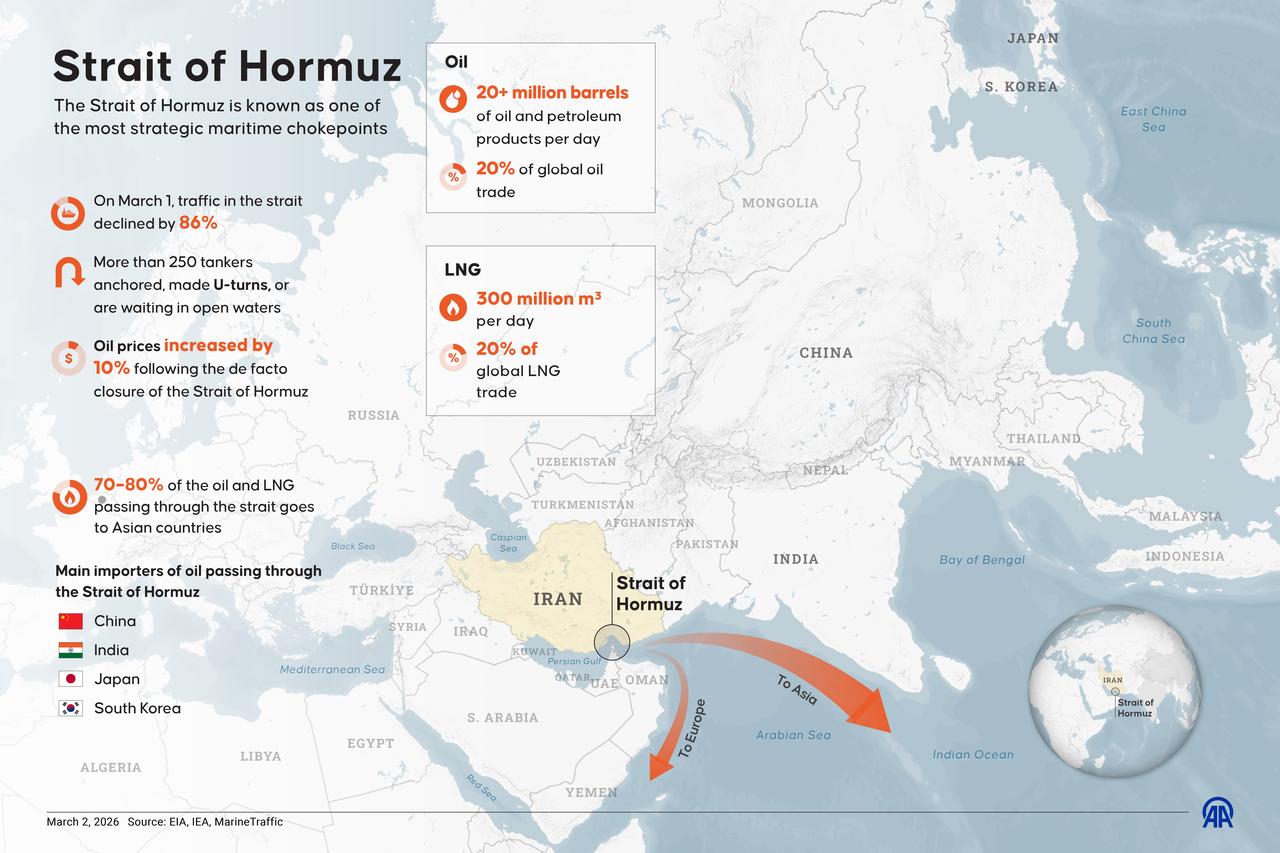
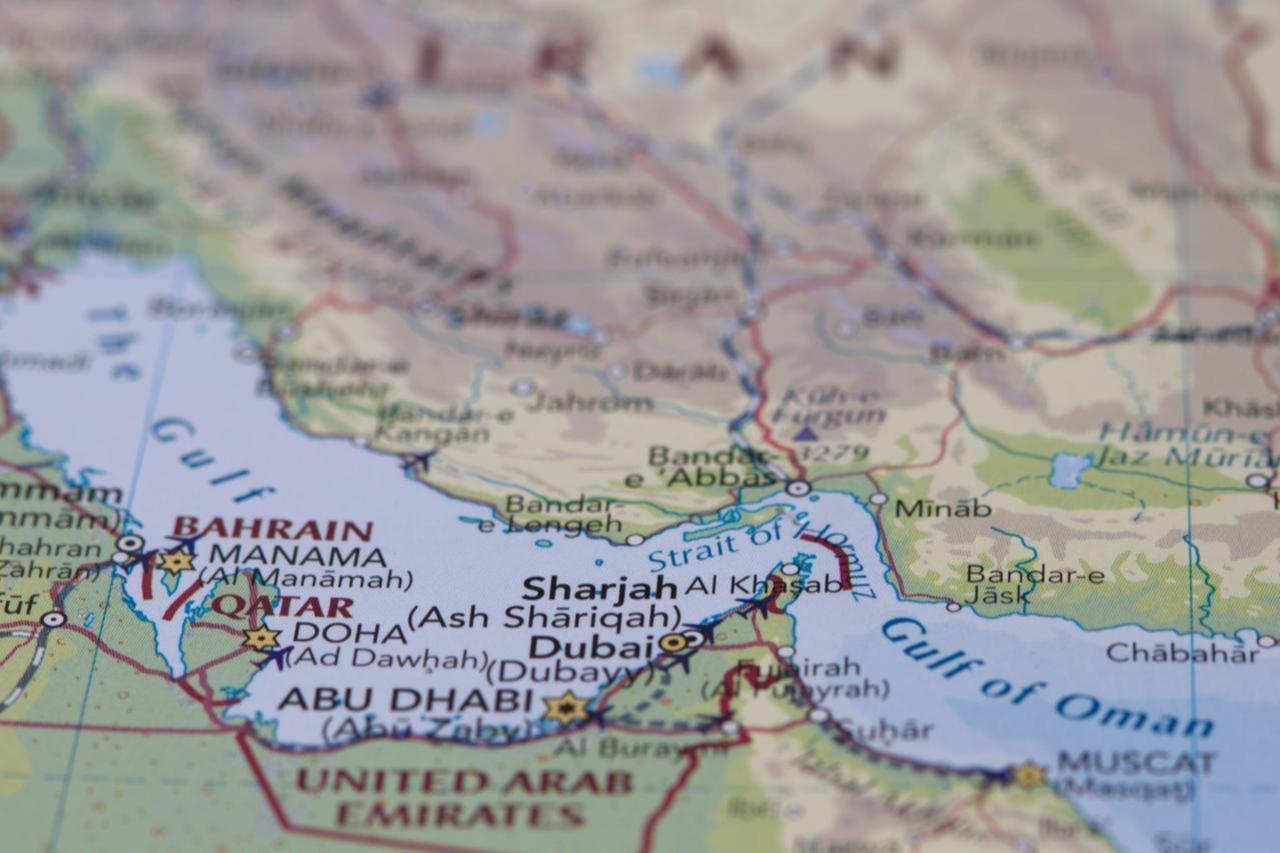
Tehran also effectively closed the Strait of Hormuz around March 1. The strategic waterway normally handles about 20 million barrels of oil shipments daily and roughly 20% of the global liquefied natural gas trade.
Analysts warn that a prolonged disruption in the strait, which carries roughly 20% of global oil and gas supplies and about one-third of fertilizer shipments used in food production, could severely affect the global economy, particularly in Asia and Europe.
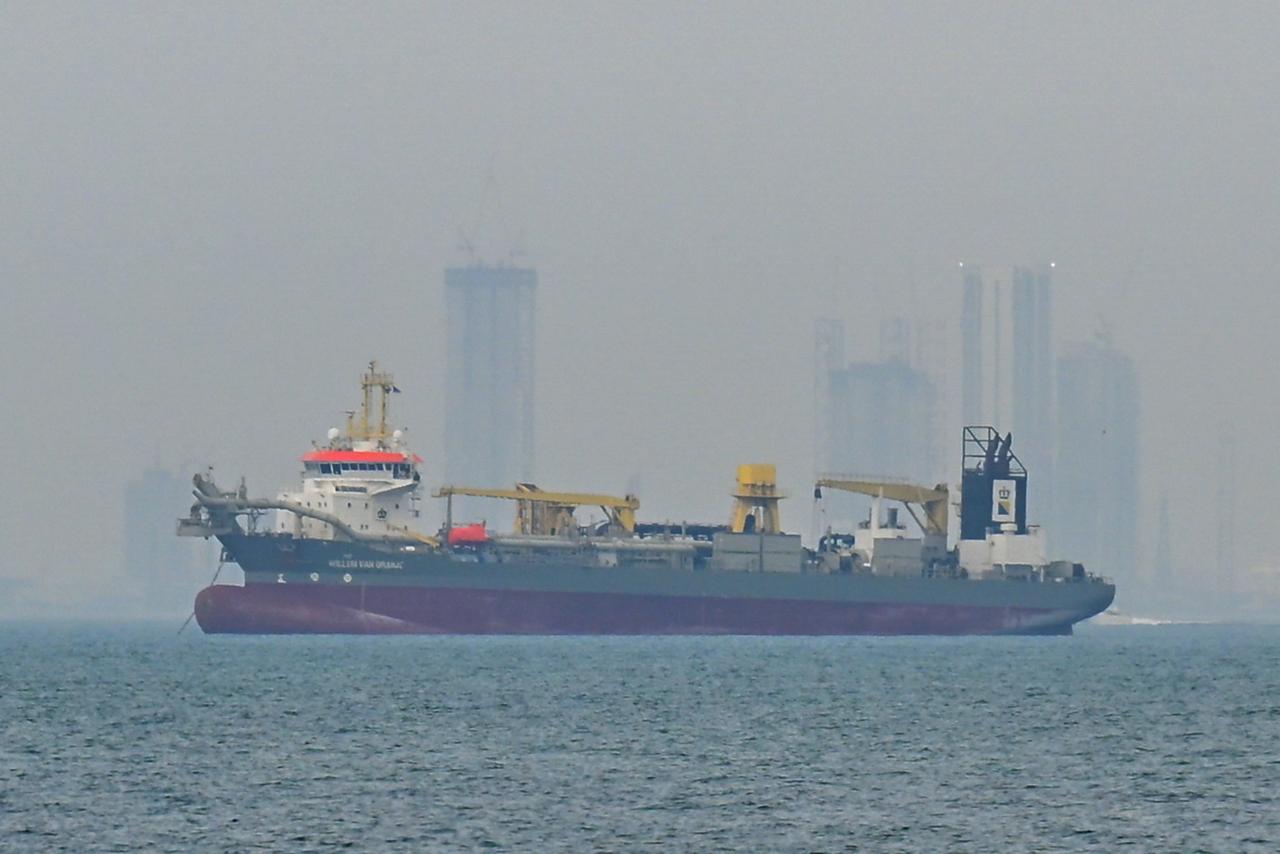
Meanwhile, Iran’s ambassador to the United Nations said Thursday that Tehran “is not going to close the Strait of Hormuz,” while accusing the United States and Israel of destabilizing the strategic waterway.
“Iran fully respects and remains committed to the principles of freedom of navigation under the Law of the Sea,” Amir Saeid Iravani told reporters ahead of a Security Council stakeout.
“However, the current situation in the region, including in the Strait of Hormuz, is not the result of Iran's lawful exercise of its right of self-defense. Rather, it is the direct consequence of the destabilizing actions of the United States in launching aggression against Iran and undermining regional security,” said Iravani.
“We are not going to close the Strait of Hormuz, but it is our inherent right to preserve the peace and security in this vital waterway,” he said.
On March 2, Tehran announced the closure of the Strait of Hormuz, a key transit route for oil tankers, in response to the U.S.-Israeli war against Iran. The move has driven up shipping and insurance costs and pushed global oil prices higher, raising concerns about potential economic repercussions worldwide.
Some 1,300 people have been killed and more than 10,000 injured in airstrikes by the United States and Israel against Iran since Feb. 28, according to Iranian authorities.
Tehran has retaliated with drone and missile strikes targeting Israel, Iraq and Gulf countries that host U.S. military assets.


 Set as preferred source
 Set as preferred source


 1 min read
 1 min read