Newsletters


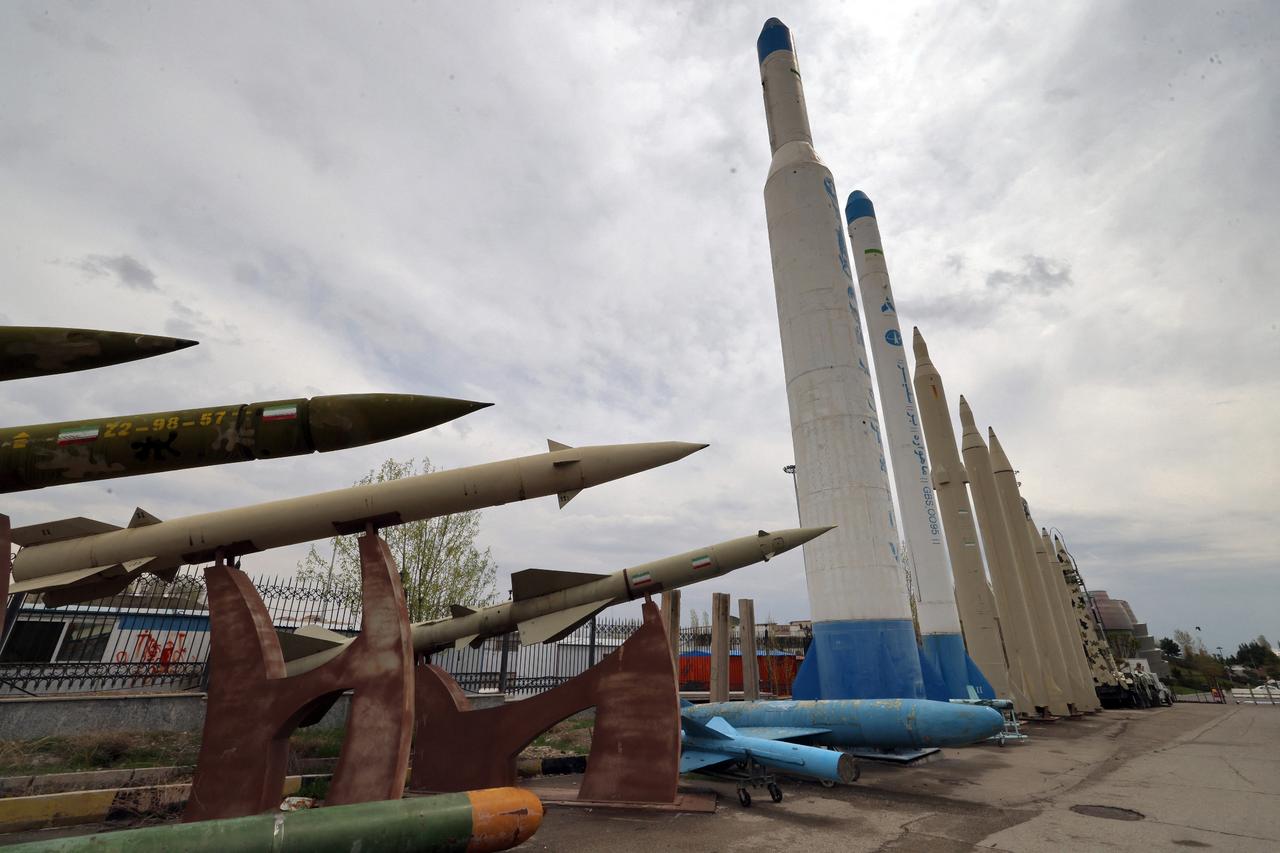


Former Iranian Foreign Minister Mohammad Javad Zarif has proposed a plan to end the war involving Iran, the U.S. and Israel, outlining terms for a ceasefire and broader agreement in an article published in Foreign Affairs magazine.
Zarif, who previously helped negotiate the 2015 nuclear deal and is now a professor at the University of Tehran, said Iran should “declare victory and make a deal that both ends this conflict and prevents the next one.”
Although he no longer holds an official government role, Zarif is seen as an ally of reformist President Masoud Pezeshkian and has been described as a target of hardliners within Iran’s political system. According to The Associated Press, Zarif would not have been able to publish the proposal without consulting senior Iranian leadership.
In a separate statement, Zarif said he was “torn” about presenting the plan but believed the war must end in a way consistent with Iran’s national interests.
Zarif’s proposal includes a series of steps aimed at de-escalating tensions and establishing a long-term framework for stability.
He suggested that Iran commit to never pursuing nuclear weapons and reduce its stockpile of enriched uranium to below 3.67%, the level set under the 2015 agreement from which U.S. President Donald Trump withdrew in 2018.
The plan also calls for the creation of a regional uranium enrichment facility involving China and Russia, where Iran would transfer its enriched materials and related equipment.
In return, Zarif proposed that the U.S. and its allies lift all sanctions on Iran and allow the country to fully reenter the global economy.
Additional measures include reopening the Strait of Hormuz while ensuring Iran retains access to the waterway, and the signing of a nonaggression pact between Iran and the U.S., committing both sides to refrain from future attacks.
Zarif wrote that Tehran “should offer to place limits on its nuclear program and to reopen the Strait of Hormuz in exchange for an end to all sanctions.”
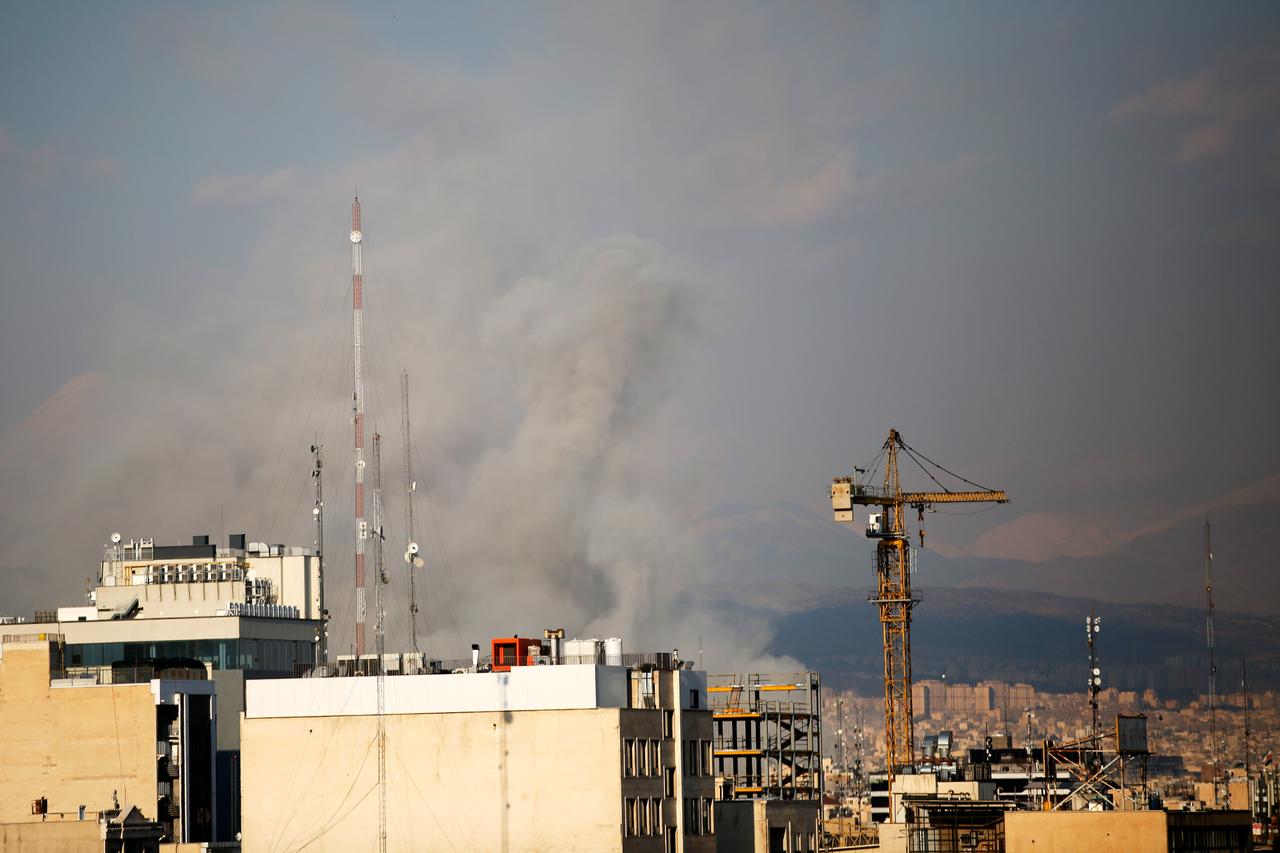
Zarif’s proposal comes as the war continues following U.S.-Israeli strikes launched on Feb. 28, and as questions remain over Washington’s willingness to engage in negotiations.
It remains unclear how Trump would respond to the plan, particularly after Zarif criticized key figures involved in previous negotiations, including Steve Witkoff and Jared Kushner, describing them as “completely illiterate on both geopolitics and nuclear technicalities.”
Witkoff and Kushner had led U.S. nuclear talks with Iran, including discussions held less than 48 hours before the launch of strikes on Iran.
Despite holding no official position, Zarif’s involvement in past diplomacy and his alignment with Iran’s current leadership suggest the proposal reflects positions considered within senior levels of the Iranian government.


 Set as preferred source
 Set as preferred source


 1 min read
 1 min read