Newsletters


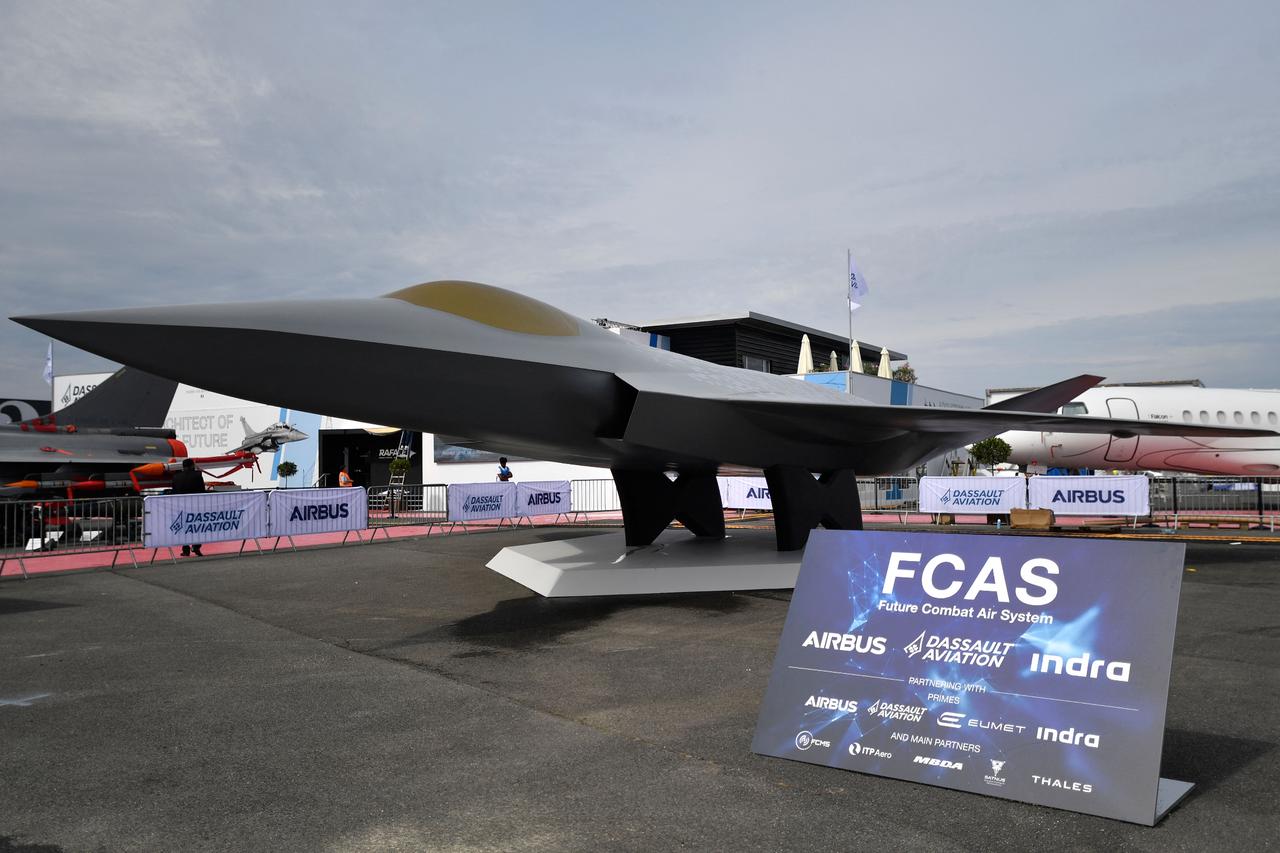


The Franco-German-Spanish Future Combat Air System (FCAS) fighter jet project is on the verge of collapse.
European officials see failure more likely than a relaunch, even as French President Emmanuel Macron insists the program is not dead.
"An announcement that the project is over is more likely than a relaunch," an official familiar with Macron's thinking told Politico on Feb. 6.
A French lawmaker working on defense policy concurred: "FCAS is dead; everyone knows it, but no one wants to say it."
The failure of the flagship sixth-generation fighter program—alongside drones and a combat cloud—would be a massive political blow to Macron, who personally launched the project with then-Chancellor Angela Merkel in 2017.
The project has been paralyzed for nearly a year over industrial disputes between France's Dassault Aviation and Airbus, which represents German and Spanish interests.
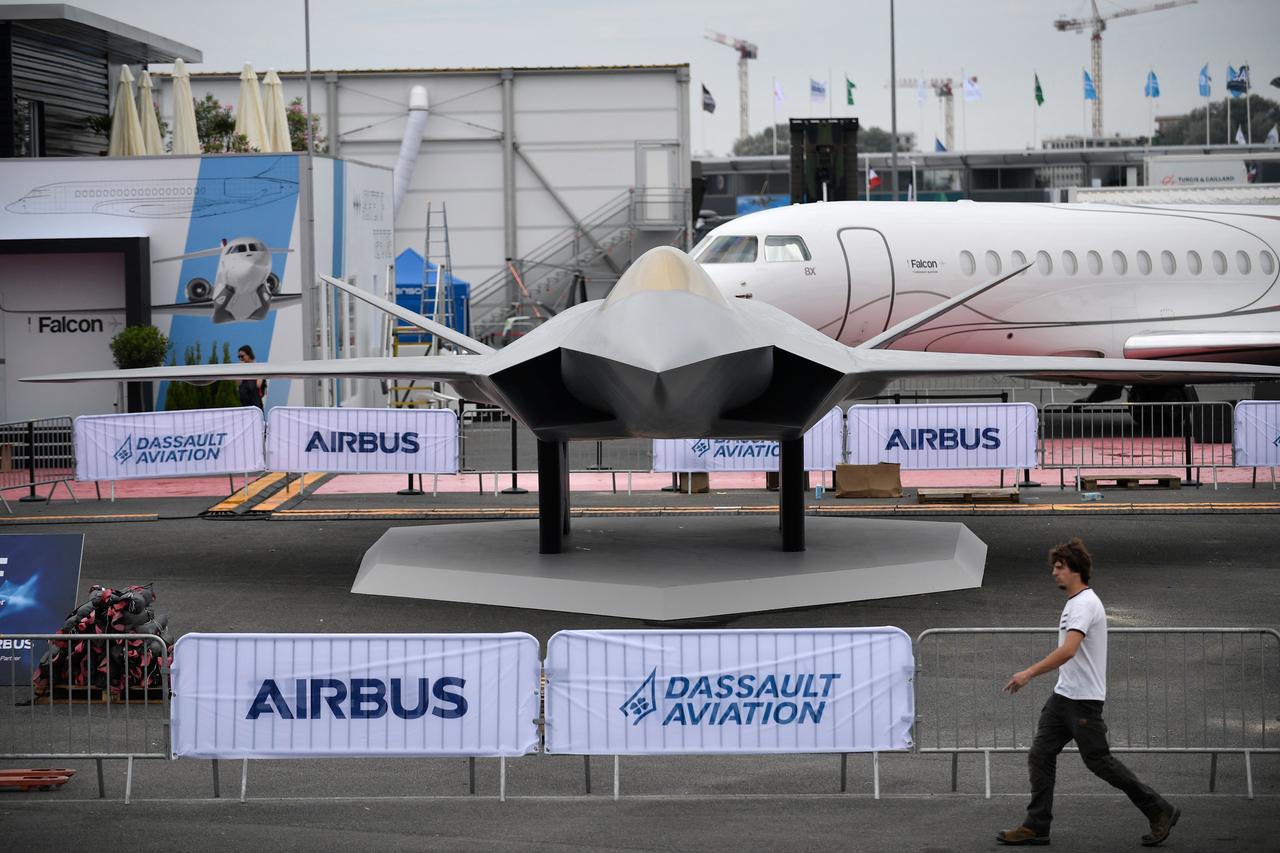

Asked in interviews with European newspapers, including Le Monde and the Financial Times, if FCAS was dead, Macron replied: "No."
"No. It is a good project, and I have not received any indication from Germany suggesting that it is not a good project," Macron noted.
"What I am experiencing now with the FCAS, I experienced with Ariane 6. On that issue, I was hearing every week that the Germans were not going to put up the money, that it was over, a disaster. We did it," Macron stated.
Patrick Pailloux, head of France's arms procurement agency, told reporters this week: "We are doing everything we can to try and save this program. We'll see how we can land."
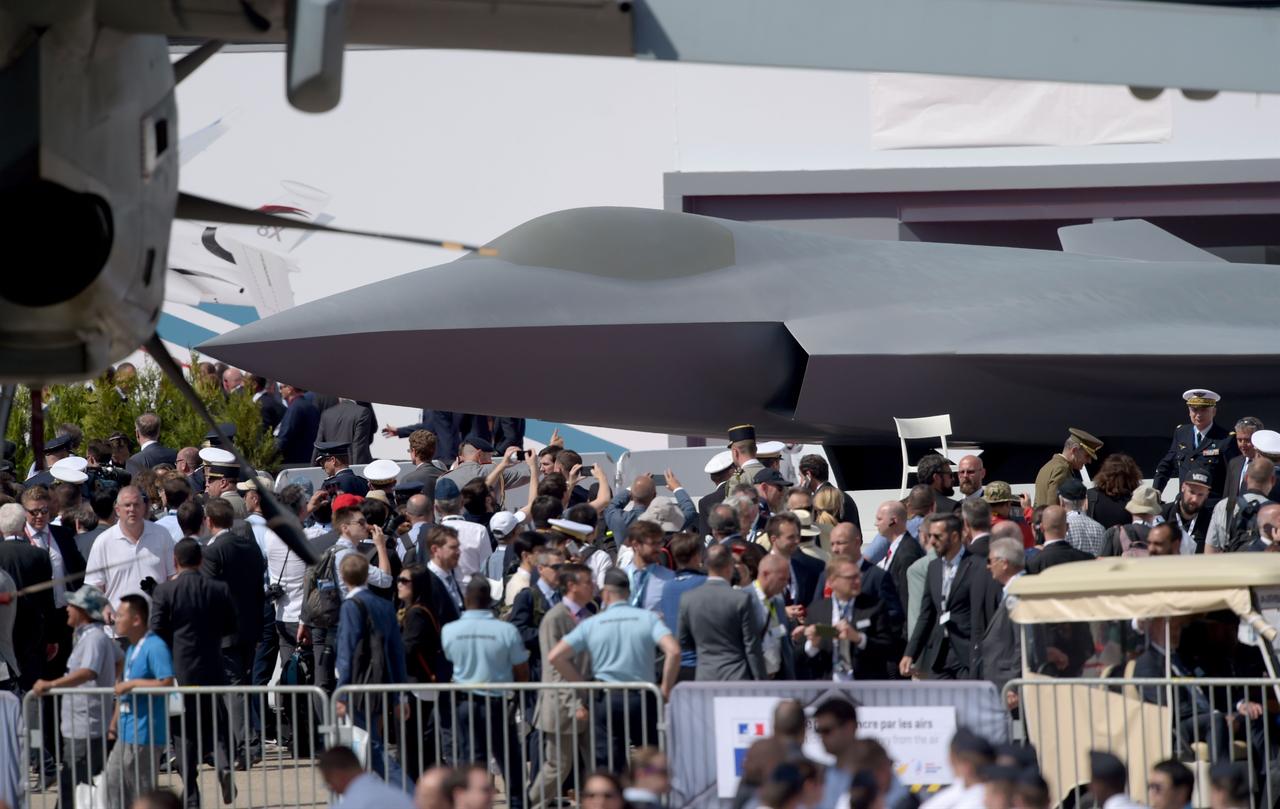
German Chancellor Friedrich Merz has considered options ranging from splitting the manned fighter component into two national jets to ending Germany's participation altogether, according to German government and industrial officials.
Merz has conveyed this thinking to envoys visiting Paris, two German officials said, though Berlin is still struggling to find a way to break such news.
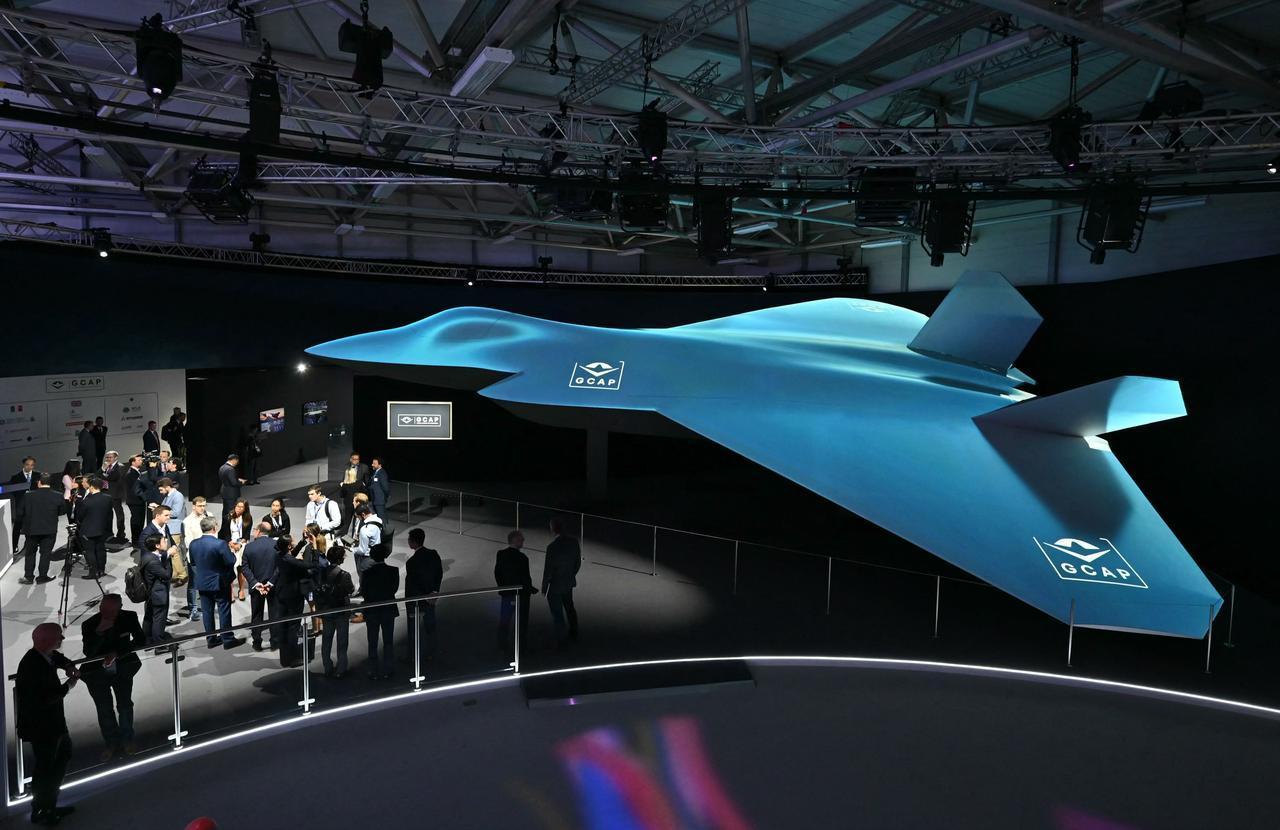
Germany has also quietly explored joining the rival Global Combat Air Programme (GCAP) led by the United Kingdom, Italy and Japan, two European defense officials told Politico.
Italian Prime Minister Giorgia Meloni expressed openness to Germany joining GCAP when Merz raised the idea during a meeting last month, according to Italian newspaper Corriere della Sera.
After reports emerged about Germany's interest in GCAP, Macron wrote a letter to Merz asking about his views on FCAS, according to Le Parisien.
Germany's largest union recently called for Berlin to develop its own fighter jet, accusing Dassault of trying to dictate terms.
"FCAS was originally planned as a joint project between equal partners and operated as such for a long time," wrote Jurgen Kerner, deputy head of IG Metall, and Marie-Christine von Hahn, head of the German Aerospace Industries Association, in Handelsblatt.
"Those who now demand absolute control should not be surprised if there are consequences," they added, calling for "a commitment to two aircraft within the project."
IG Metall had previously declared that "we no longer trust Dassault" and said the company has "completely disqualified itself as a reliable partner."
France and Germany had set a Dec. 17, 2025, deadline to resolve their differences but missed it without finding a solution.
Merz had pledged a decision by the end of last year, but a government spokesman said the two leaders had been unable to discuss the project due to "the comprehensive Franco-German agenda on foreign and security policy issues."
In September, both Dassault and a French government official said France was in a position to develop the project alone should negotiations fail.
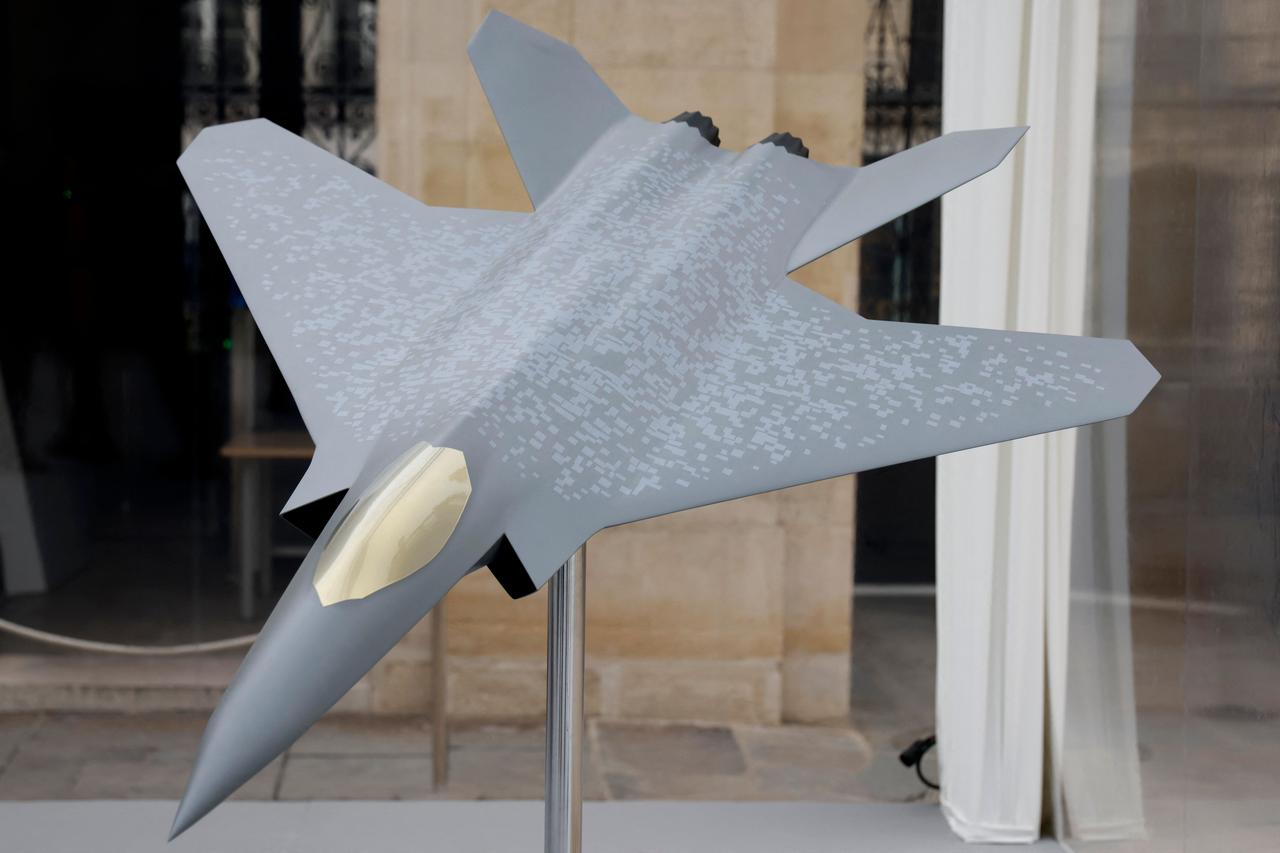
The FCAS troubles highlight challenges of European defense industrial cooperation as the continent rushes to rearm against a resurgent Russia amid American military retrenchment.
The total cost of FCAS was estimated at €100 billion for the three countries.
Building two separate aircraft would significantly increase the bill—a challenge for France, where the government faces intense pressure to cut budget deficits.
German officials insist Berlin still wants to preserve parts of the project, particularly the joint combat cloud and other shared systems, even if the fighter itself splits into two separate jets, according to Politico.


 Set as preferred source
 Set as preferred source


 2 min read
 1 min read