Newsletters


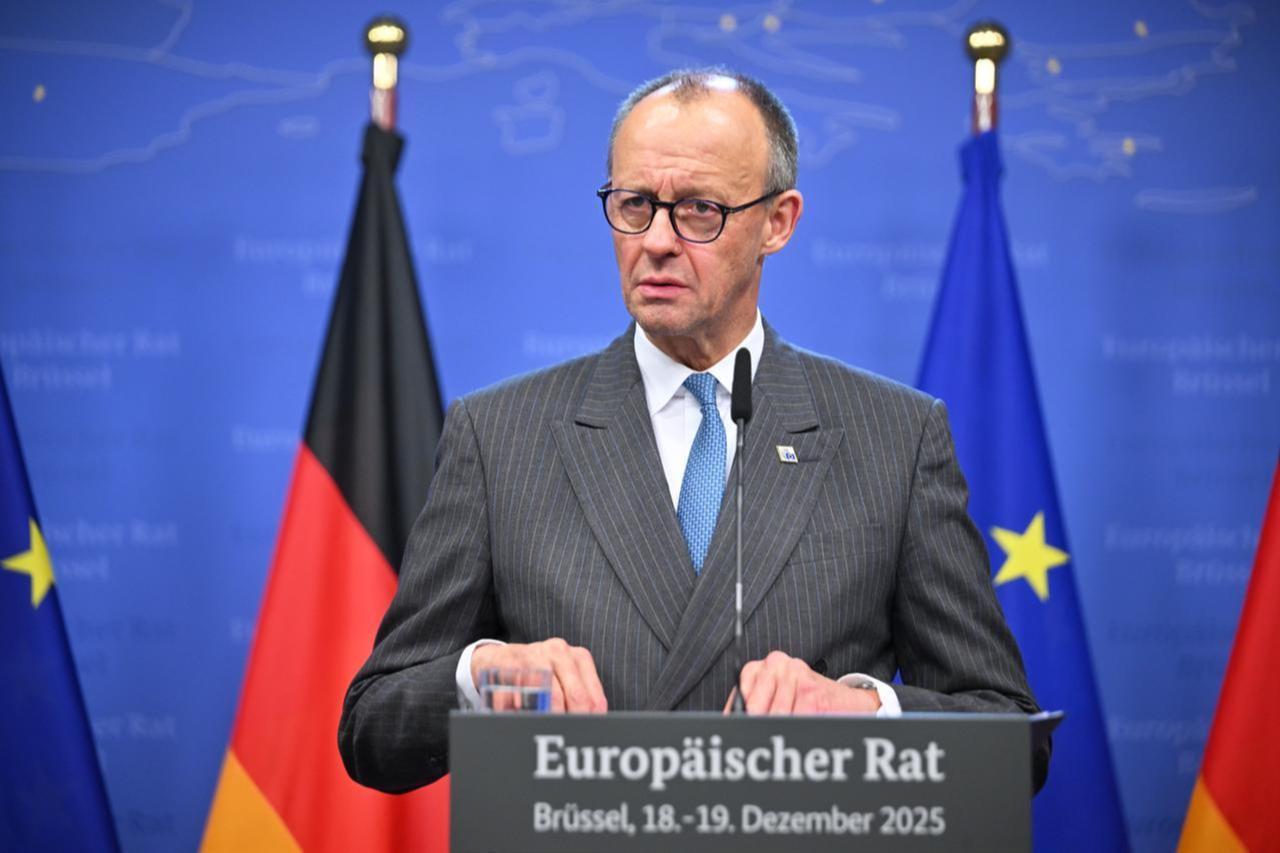


Germany has resumed diplomatic contact with Iran after a prolonged break, Chancellor Friedrich Merz announced Thursday, warning at the same time that Israel's continuing military campaign in Lebanon threatens to collapse a fragile peace process before it can take hold.
Merz told reporters that Berlin was reopening a channel to Tehran it had deliberately kept closed. "After a long period of silence, which we had serious reasons for," he said, Germany was "restarting talks with Tehran" a move being coordinated "with the United States and our European partners."
The announcement came as the region braced over whether a two-week truce between the United States and Iran, which President Donald Trump has hailed as a victory, could survive an Israeli offensive in Lebanon that neither Washington nor Tel Aviv has agreed to halt under the ceasefire terms.
Merz made clear that Germany's diplomatic engagement comes with an urgent warning. The scale of Israel's military operations in southern Lebanon, he argued, risks poisoning the broader peace effort at its most critical juncture.
"The severity with which Israel is waging war there could cause the peace process as a whole to fail," Merz said, "and that must not be allowed to happen."
Lebanon was drawn into the wider conflict after Hezbollah, the Iran-backed militant group, launched rocket attacks on Israel in response to the assassination of Iranian Supreme Leader Ayatollah Ali Khamenei during joint US-Israeli strikes on February 28.
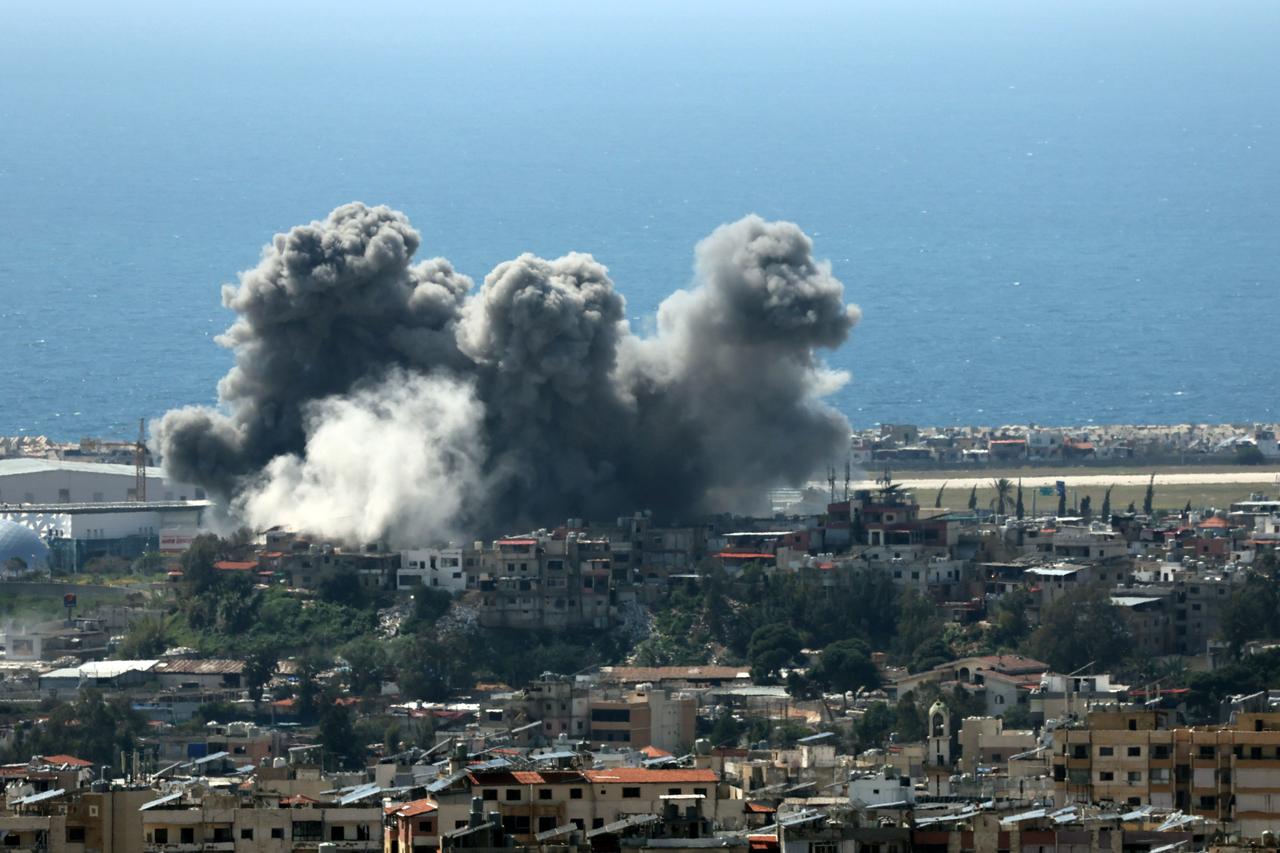
Israel responded with an invasion and air campaign across Lebanon that, according to Lebanese authorities, has killed more than 1,500 people since early March. Israel and the United States have maintained that the ceasefire with Iran does not extend to operations against Hezbollah, a position disputed by both Iran and Pakistan, the truce's broker.
Calls from European governments, including France and the United Kingdom, have grown louder for Lebanon to be included in any ceasefire framework, a view Merz appeared to share without stating explicitly.
Beyond Lebanon, Merz outlined three goals shaping Berlin's approach to the conflict. Germany wants, he said, "a swift end to a military escalation that is increasingly destabilising the Middle East." He also said the war, which he called "a transatlantic stress test," must not be allowed to place further strain on relations between the United States and its European NATO partners.
As a third priority, he cited the Strait of Hormuz, the narrow waterway through which a significant share of global oil supplies pass, calling for its navigation to be "restored quickly and stably."
Iran agreed as part of the truce framework to temporarily reopen the strait, which it had closed during the conflict, though it remained unclear Thursday whether Tehran was in practice permitting vessels to transit the waterway.


 Set as preferred source
 Set as preferred source


 1 min read
 1 min read