Newsletters


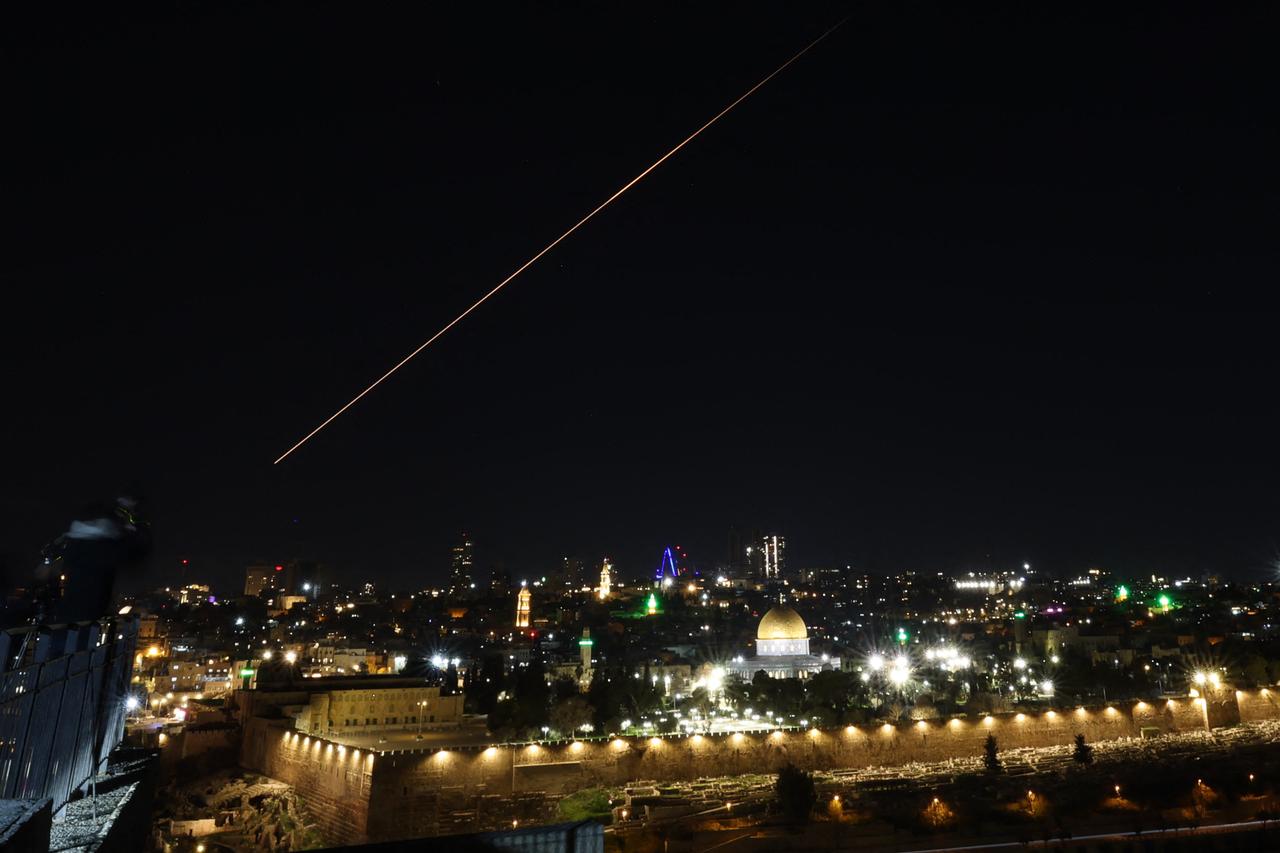


Countries and international organizations issued a range of reactions, from calls for restraint to condemnations, following U.S. and Israeli attacks on Iran and Tehran’s subsequent retaliatory strikes.
In a written statement, Türkiye’s Foreign Ministry said the developments triggered by the U.S. and Israeli attacks on Iran risk the future of the region and global stability.
“We are deeply concerned about any action that violates international law and threatens innocent civilians, and we condemn provocations that could lead to further escalation of violence. We call on the parties to end the attacks immediately,” the statement said.
Presidential Communications Director Burhanettin Duran said escalating tensions turning into open conflict and affecting other regional countries is unacceptable.
“Türkiye will continue to fulfill its responsibility to reduce tensions, protect civilians and ensure diplomatic channels function effectively. All our institutions are closely monitoring developments and taking necessary measures for the safety of our citizens,” he said.
Turkish Republic of Northern Cyprus President Tufan Erhurman called for resolving disputes through diplomacy before more civilians are killed.

Jordan’s Foreign Ministry described the attacks as a serious violation of sovereignty and security and strongly condemned Iran’s strikes, expressing solidarity with targeted countries.
Oman’s Foreign Minister Badr bin Hamad al-Busaidi said he was “disappointed” that Israel and the U.S. launched attacks while Iran-U.S. negotiations were ongoing.
Iraq condemned the attacks and said its territory and airspace must not be used as a passage or launch point.
Kuwait condemned Iran’s strike targeting its territory as a violation of sovereignty and international law, saying its air defenses repelled the attack.
Lebanese Prime Minister Nawaf Salam said Lebanon would not be dragged into any adventure threatening its unity and security.
Egypt voiced deep concern over the “dangerous” escalation and emphasized diplomacy, while reacting to Iran’s targeting of Arab countries.
The United Arab Emirates and Qatar strongly condemned Iranian missile attacks targeting their territories, describing them as violations of sovereignty.
Lebanese Druze leader Walid Jumblatt warned that U.S. strikes on Iran could lead to a long war with unimaginable consequences.
In Iraq, the Iran-backed Kataib Hezbollah militia said it would soon target U.S. bases in Iraq.
Yemeni Houthi leader Abdulmalik al-Houthi said they are prepared for a new wave of attacks against Israel and its partners. Houthi media official Nasral Din Amer said “the coming hours hold surprises,” calling Tehran’s response legitimate self-defense.
Hamas strongly condemned the U.S. and Israeli attacks on Iran.
Norway’s foreign minister said Israel’s attacks violate international law.
Italy’s foreign minister said the situation is complex and could last for days.
Germany said it is closely monitoring developments in coordination with European partners.
The United Kingdom said it does not want to see escalation into a broader regional conflict.
Switzerland and Austria expressed deep concern and called for de-escalation.
Ireland’s prime minister urged restraint.
In a joint statement, French President Emmanuel Macron, UK Prime Minister Keir Starmer and German Chancellor Friedrich Merz condemned Iran’s attacks on regional countries and urged Tehran to avoid indiscriminate military actions.
Spain rejected what it described as unilateral U.S. and Israeli military action and also criticized actions by Iran and the Revolutionary Guards, calling for de-escalation.
France called for an urgent meeting of the UN Security Council. Greece said it is closely monitoring developments and emphasized preventing Iran from acquiring nuclear weapons.
Malaysia criticized the U.S. and Israeli attacks, saying they bring the region to the brink of disaster.
Australia urged its citizens not to travel to Iran and called on those there to leave.
Indonesia expressed regret over failed negotiations and offered mediation if both sides agree.
Japan said it will take all necessary precautions. South Korea urged all parties to make maximum efforts to reduce tensions and said it is taking measures to protect its citizens in Iran.
China called for respect for Iran’s sovereignty and territorial integrity and urged immediate cessation of military action.
Russia said the attacks violate fundamental international principles and condemned the timing amid renewed negotiations. Russian Security Council Deputy Chairman Dmitry Medvedev criticized the U.S. action.
Pakistan’s foreign minister strongly condemned what he called unprovoked attacks on Iran. India expressed deep concern and urged restraint and respect for sovereignty.
Brazil condemned the attacks and called for adherence to international law. Cuba’s president said the attacks violate international law and the UN Charter.
UN Secretary-General Antonio Guterres condemned the military escalation, saying the use of force undermines international peace.
ICAN Executive Director Melissa Parke called for an immediate halt to military actions.
World Health Organization Director-General Tedros Adhanom Ghebreyesus expressed deep concern.
UN High Commissioner for Human Rights Volker Turk said he regrets the military attacks and retaliation.
European Union foreign policy chief Kaja Kallas said diplomatic options are being explored and non-essential EU personnel are being withdrawn from the region.
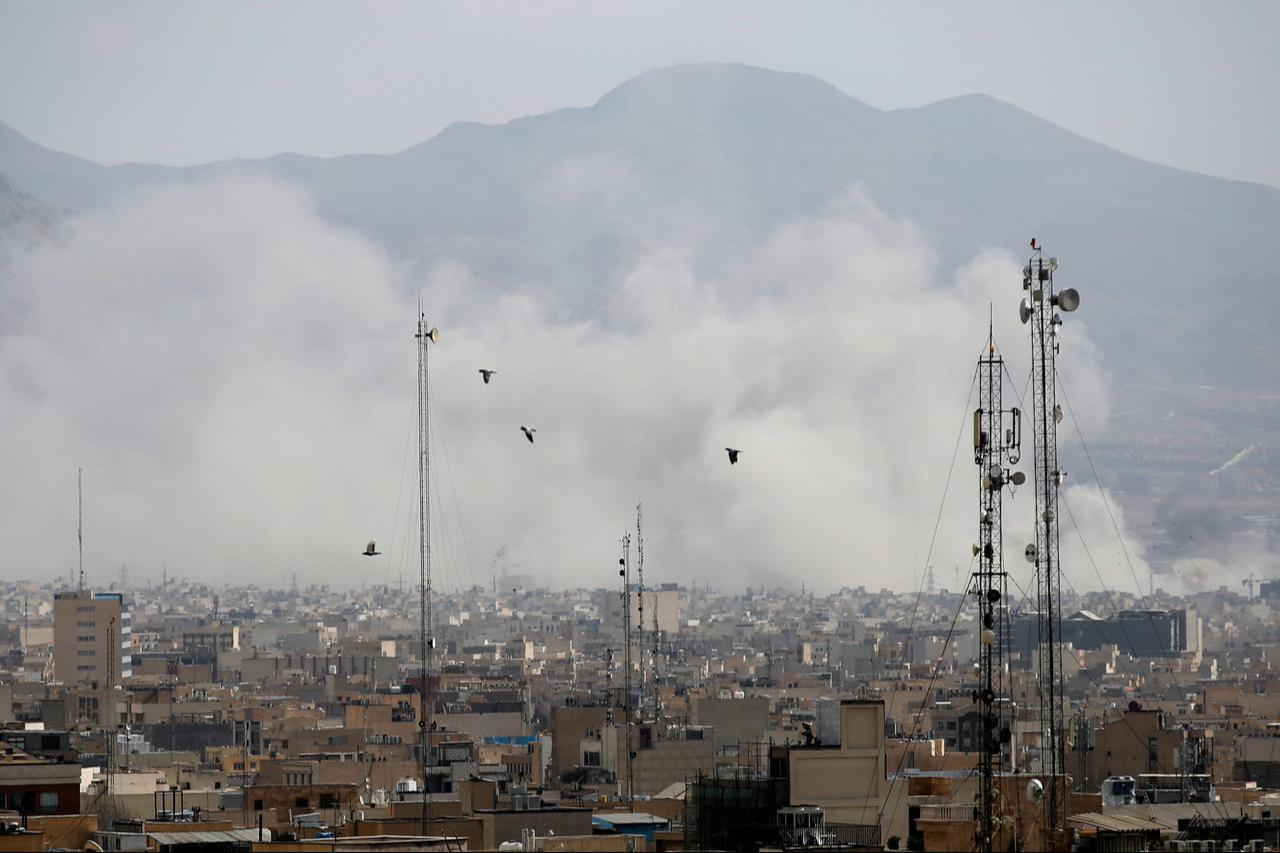
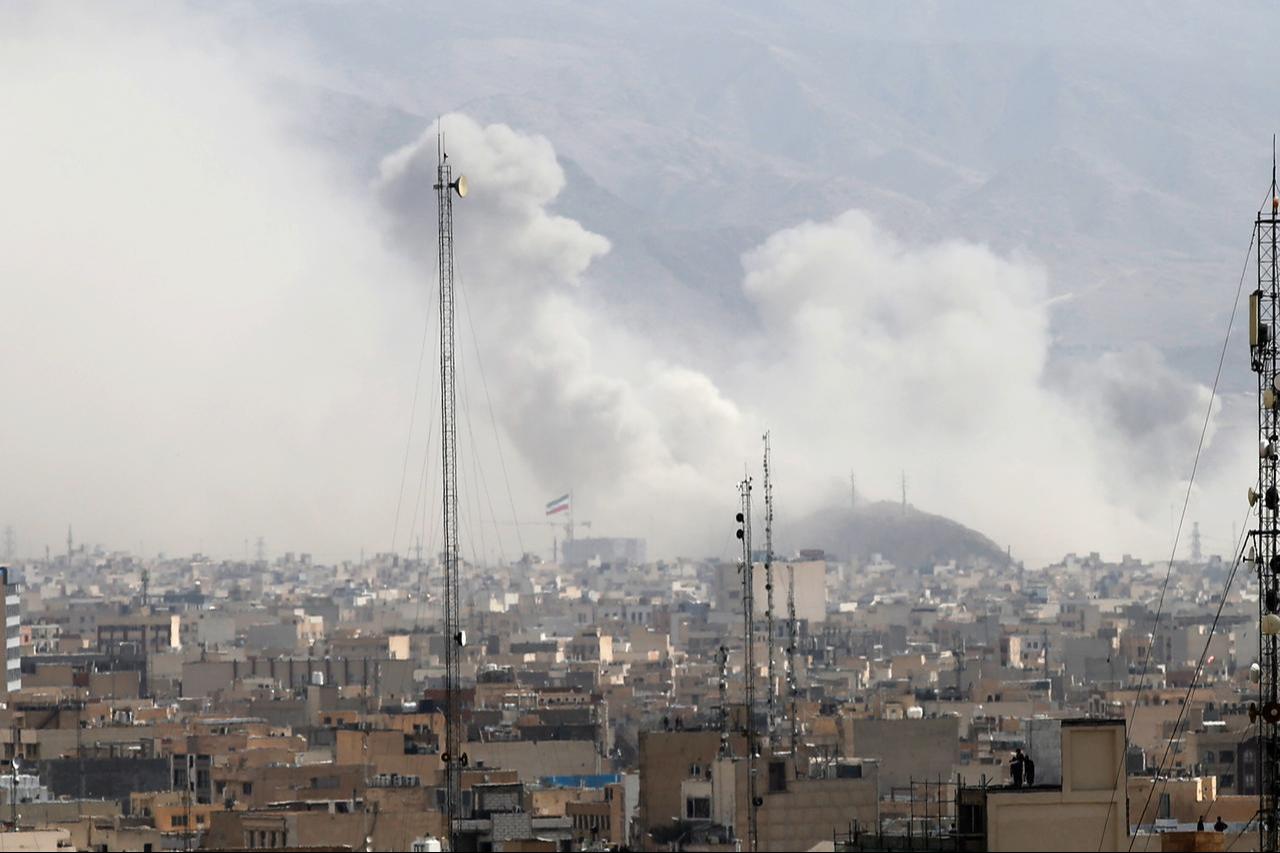
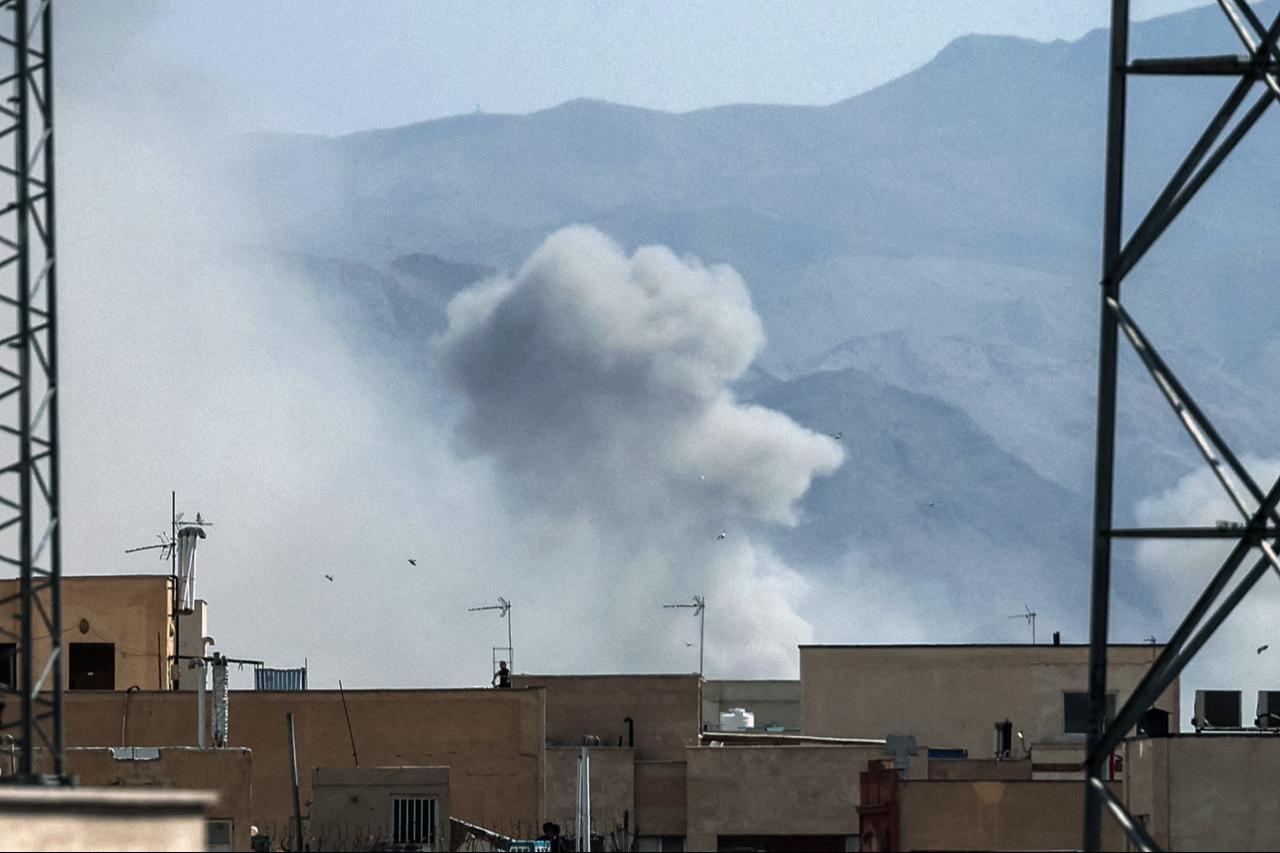
As Iran-U.S. negotiations were ongoing, Israel and the U.S. launched joint strikes on Iran in the early morning.
Israel described the operation as a preemptive strike, while U.S. President Donald Trump said a “major operation” had been launched.
Tehran, Isfahan, Karaj, Qom, Tabriz, Bushehr, Kermanshah and Ilam were among the targeted cities.
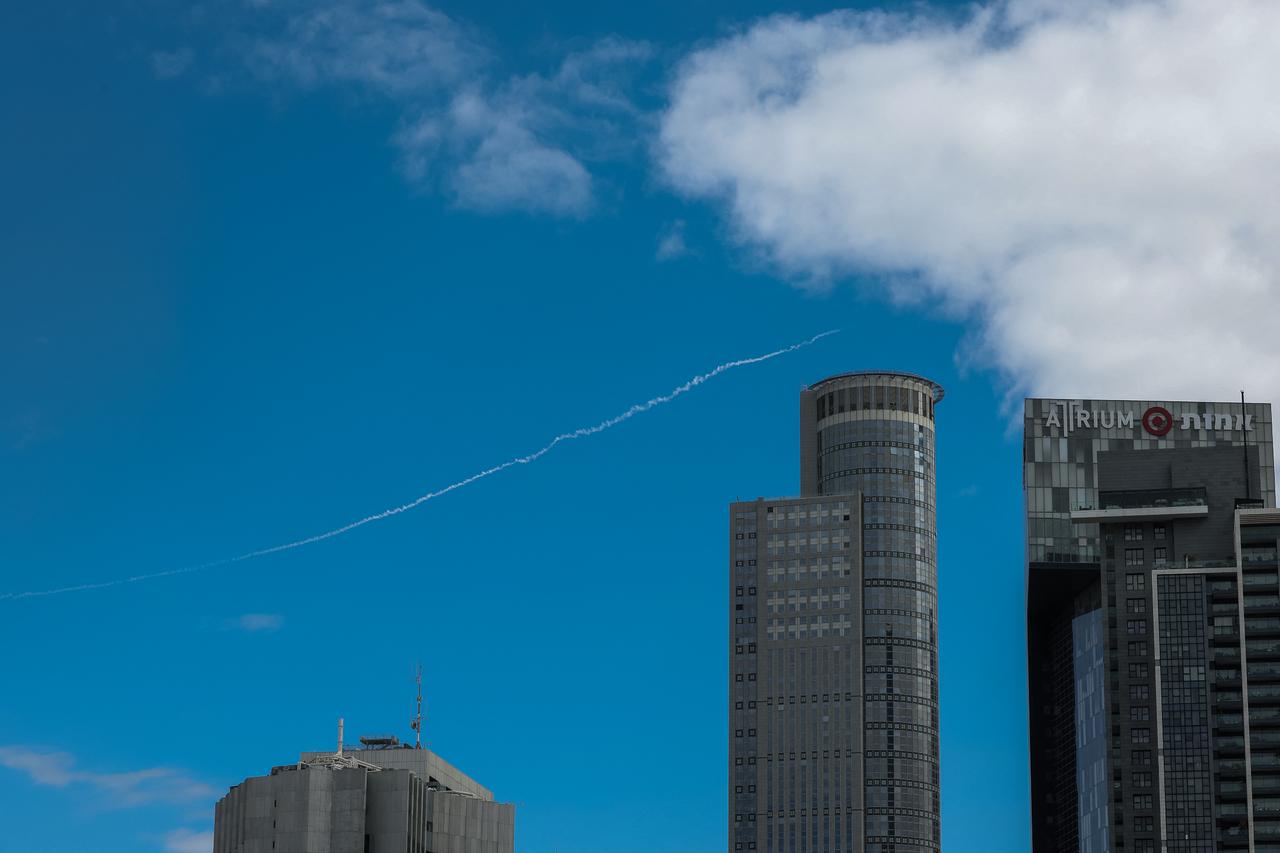
Israel and Iran closed their airspace, Israel declared a state of emergency and sirens sounded nationwide.
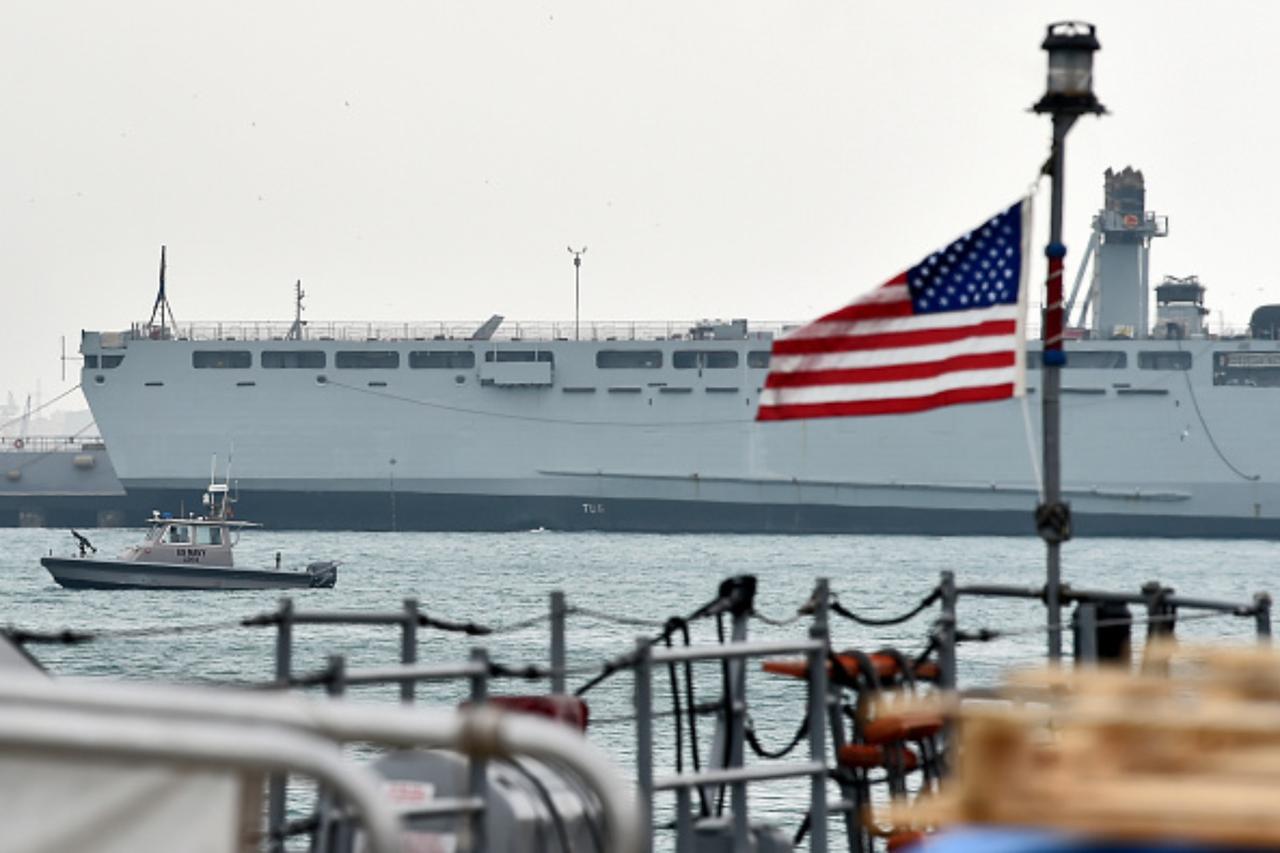
Iran’s army said it launched dozens of ballistic missiles and drones at Israel in retaliation. Iran also targeted U.S. bases in Bahrain, the United Arab Emirates, Kuwait, Qatar and Jordan, and the U.S. naval base in Bahrain was hit, according to reports.


 Set as preferred source
 Set as preferred source


 1 min read

 1 min read