Newsletters


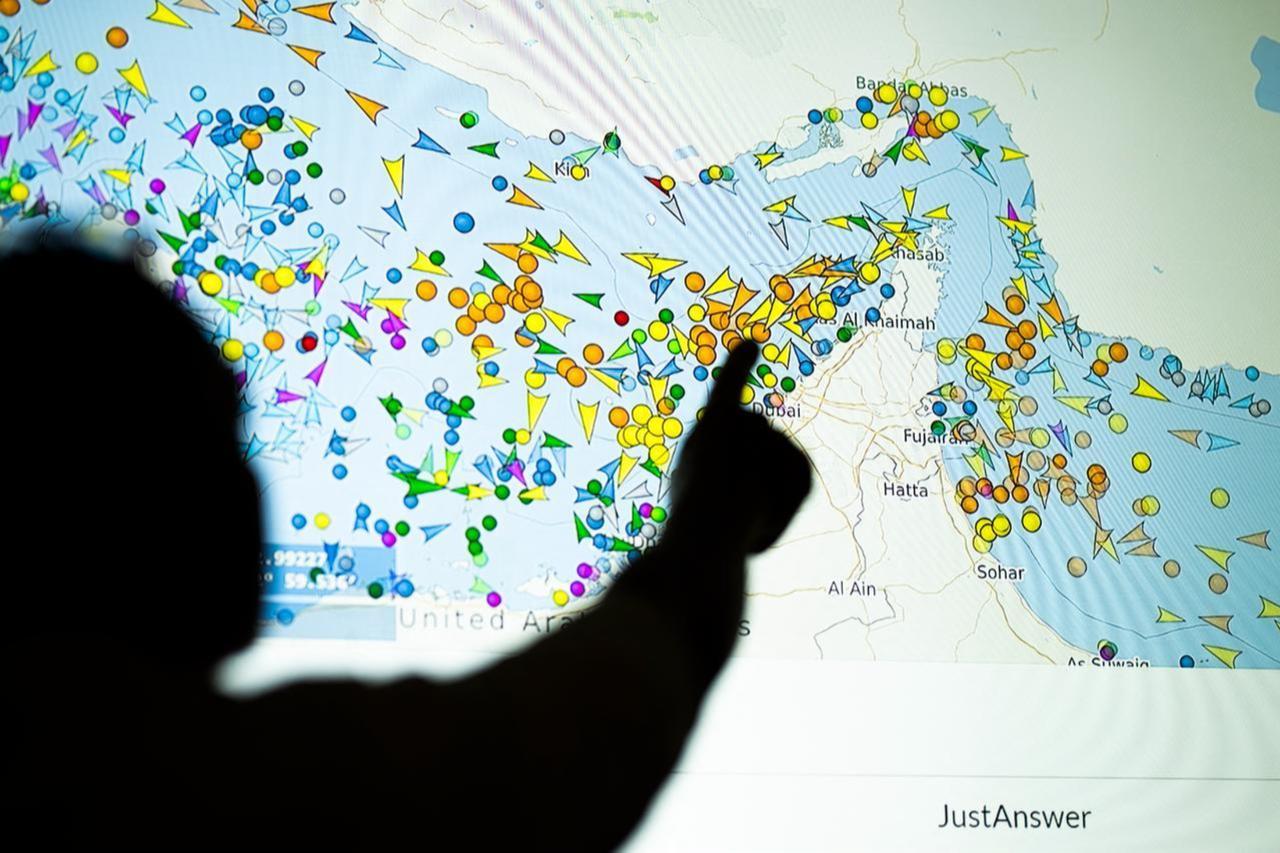


The chief executives of some of the world's largest oil and gas companies warned investors last week that the Iran conflict has permanently altered the trajectory of global energy markets, with the closure of the Strait of Hormuz triggering a cascade of supply disruptions that will reshape how governments and corporations approach energy security for years to come.
Speaking on earnings calls over the past two weeks, the leaders of major oilfield services firms and producers said the disruption has laid bare the fragility of the world's energy infrastructure, driving what Baker Hughes CEO Lorenzo Simonelli called "fundamental structural change across the energy landscape." Olivier Le Peuch, chief executive of SLB, echoed that assessment, and Jeffrey Miller of Halliburton said energy security is "no longer simply a talking point."
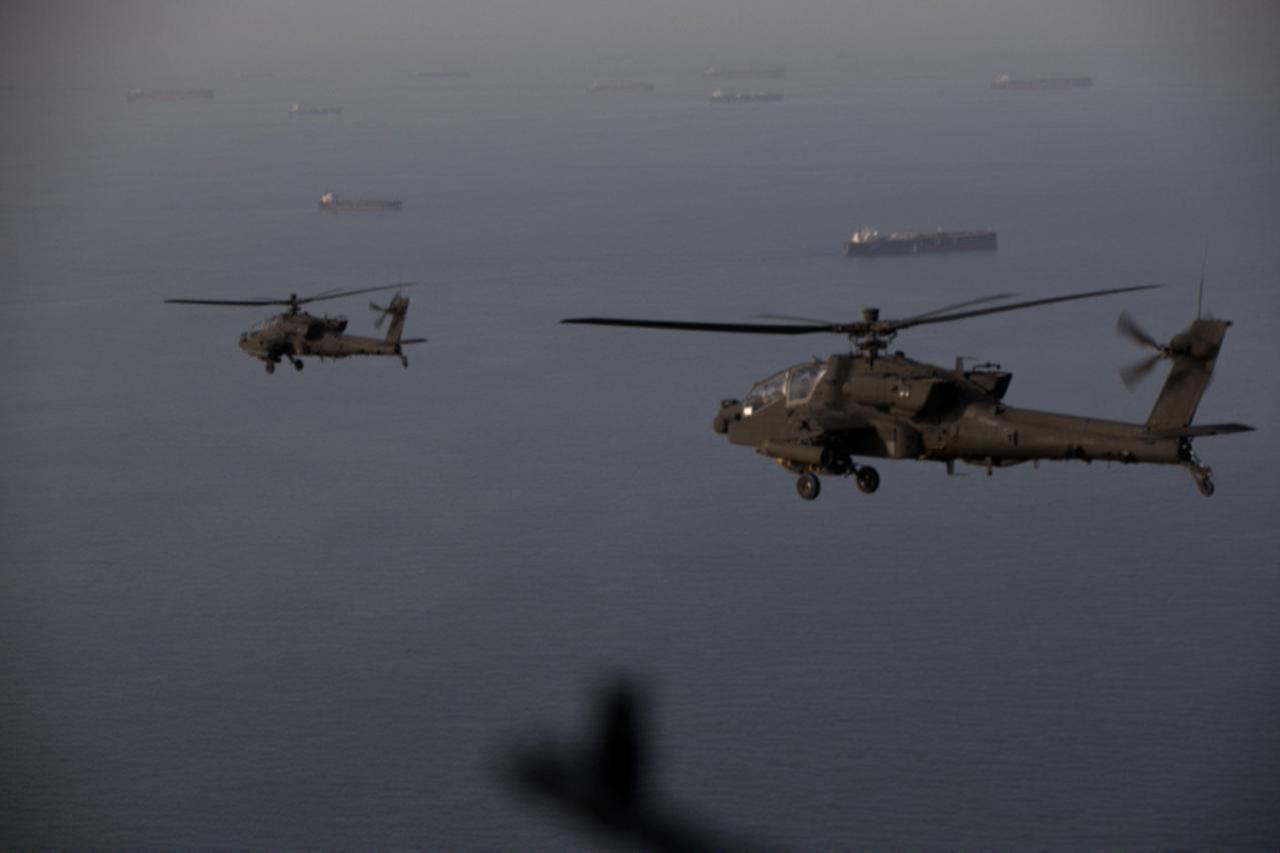

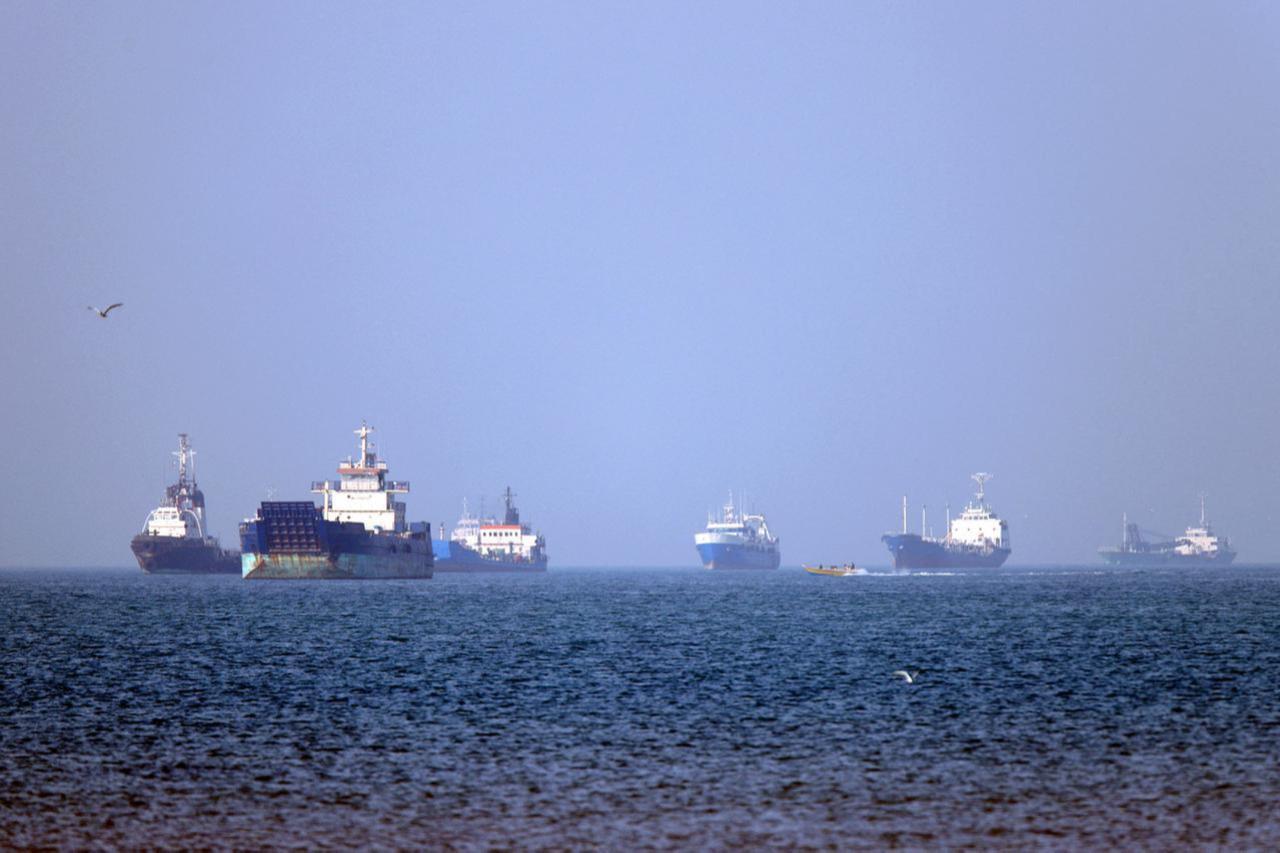
The scale of the disruption is substantial. Iran's blockade of the Strait of Hormuz, the narrow waterway through which roughly a fifth of the world's oil supply normally flows, has resulted in the loss of nearly a billion barrels of oil, with the shortfall growing daily as the sea lane remains closed. The market has swung sharply, from expectations of a surplus this year to a significant deficit. Miller described current conditions as "fundamentally tighter."
For Asian economies, the consequences have been particularly acute. The region's dependence on Middle Eastern crude oil and liquefied natural gas has left it heavily exposed to the blockade. Exxon Mobil CEO Darren Woods said governments would be compelled to fundamentally "reassess their energy security" to avoid similar vulnerabilities in the future.
Executives said the war has depleted global oil inventories, and that rebuilding those reserves will become a policy priority once hostilities end. Simonelli said stocks would need to be rebuilt "above historical levels to ensure that energy security is at the foremost." Governments will also move to diversify their energy sources and reduce dependence on any single chokepoint or supplier region, executives said.
U.S. crude, already hitting export records during the conflict, is poised to play an increasingly central role in the global supply picture. Kaes Van't Hof, CEO of Diamondback Energy, one of the largest shale oil producers in the United States, said American crude will be more important than it has ever been in preserving global energy security.
Simonelli framed the challenge as one of resilience rather than volume alone. "It's not just about increasing energy supply," he said. "It's about the robust and resilient energy infrastructure and greater redundancy, diversifying infrastructure, reducing reliance on any single large-scale assets."
The executives anticipate that elevated prices, once the war ends, will unlock new upstream investment that had been held back by years of market uncertainty. Le Peuch said higher prices would encourage exploration in offshore and deepwater zones across Africa, the Americas, and Asia. He described Africa as "one of the most compelling long-term opportunities," citing its large base of underdeveloped oil and gas resources, and said he expected capital allocation to shift more favorably toward the continent.
Low-carbon energy sources are not expected to be sidelined. Simonelli said investments in geothermal energy, nuclear power, and grid modernization would continue alongside conventional oil and gas spending, reflecting the dual imperatives of security and decarbonization that have come to define the post-conflict energy conversation.
The oilfield services sector, which includes SLB, Baker Hughes, and Halliburton, collectively known in the industry as the Big Three, is positioned to benefit directly from any sustained uptick in upstream investment. Their clients, the major oil producers, have signaled they are prepared to accelerate spending in response to the tighter market conditions the conflict has created.


 Set as preferred source
 Set as preferred source


 1 min read

 1 min read