Newsletters


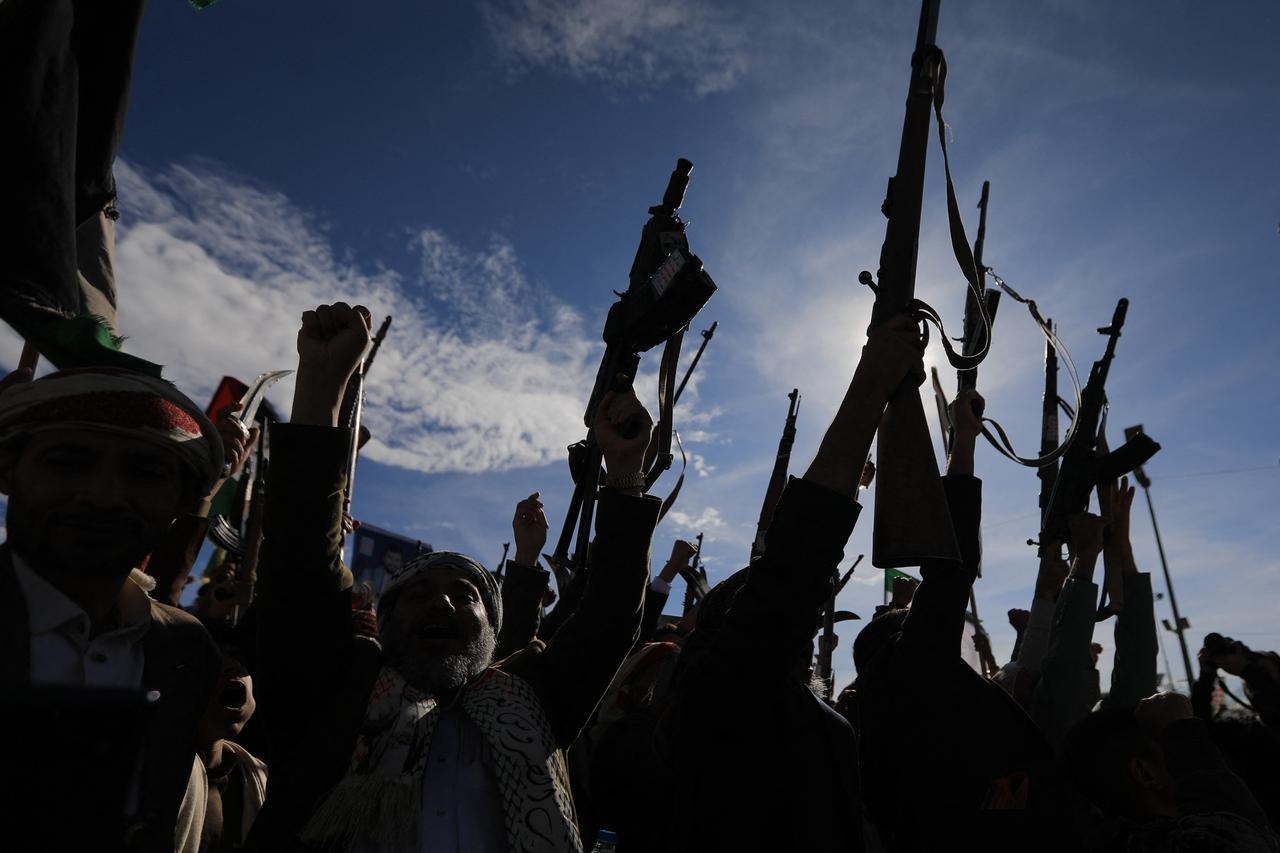


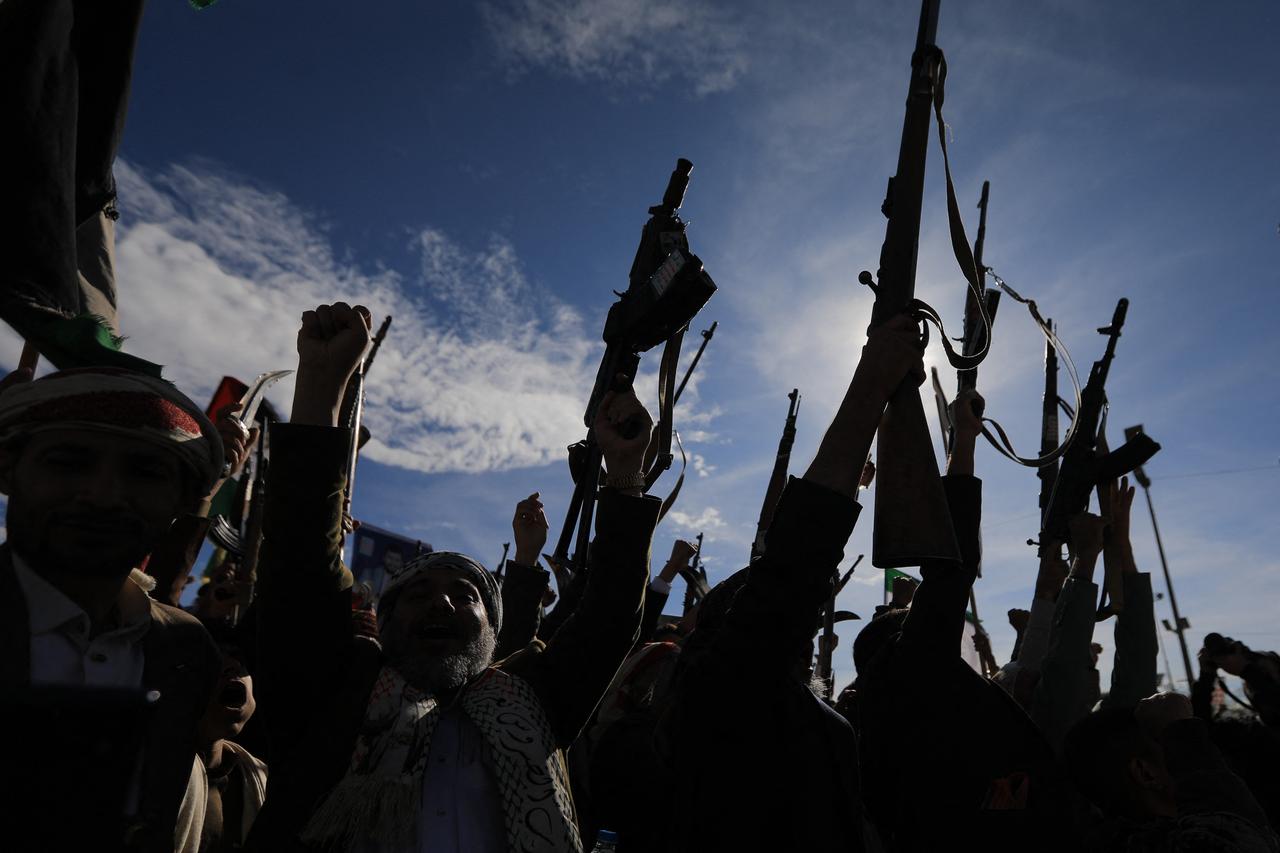
Mohammed Mansur, the Houthis’ deputy minister of press and information, reportedly said the group is considering closing the Bab el-Mandeb Strait, a key global shipping route that handles about 12% of global trade.
Mohammed Mansour, deputy information minister for the Houthis, told CNN last week that closing the chokepoint was “an option on the table.”
Meanwhile, an Iranian source also told Tasnim News Agency that Tehran warned the United States against reopening the Strait of Hormuz, cautioning that “another strait could be added to its challenges, as Iran is fully prepared to escalate.”
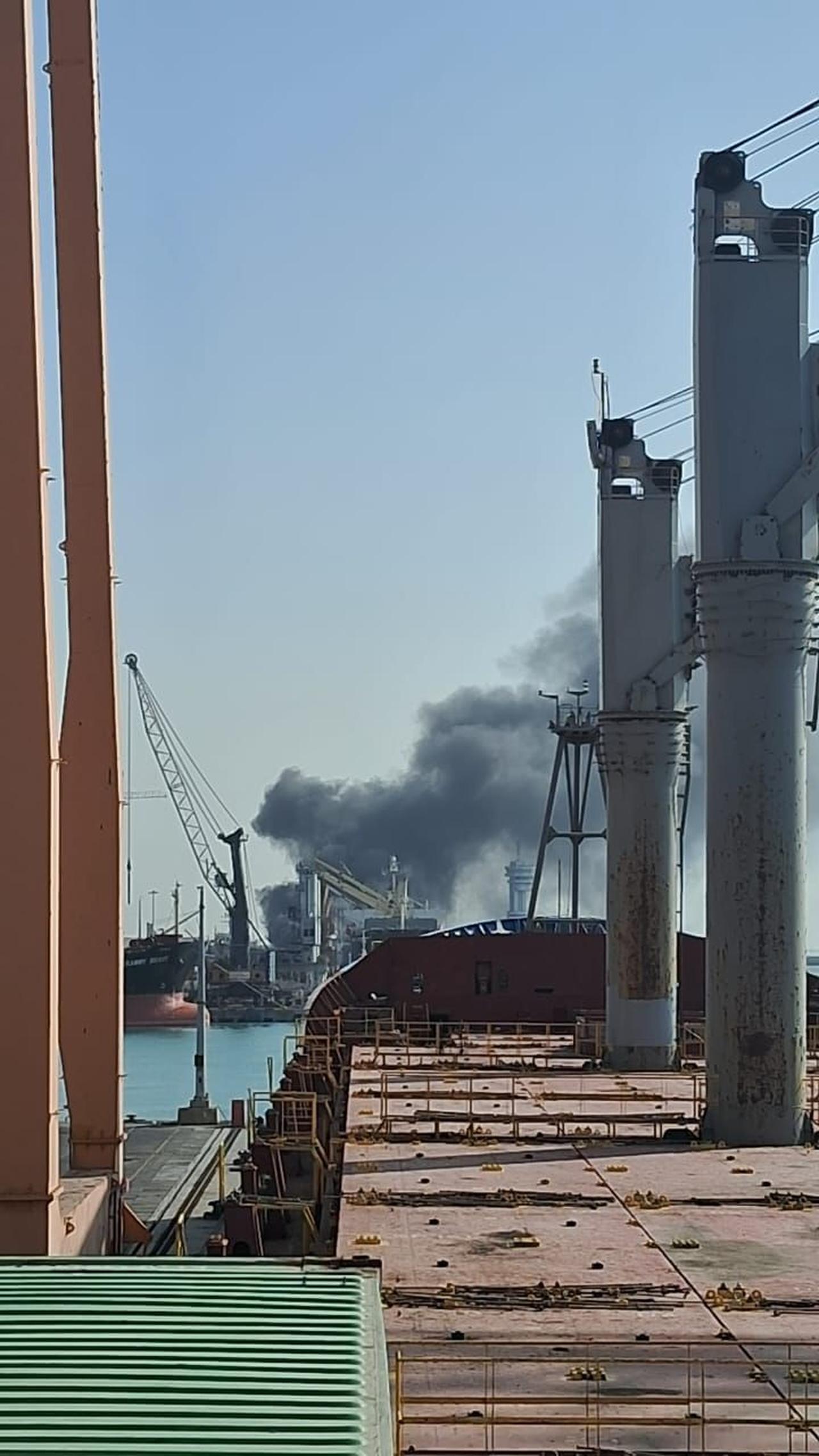

The involvement of Yemen’s Houthi militias in the Middle East war in support of Iran against the U.S. -Israeli military campaign threatens to worsen the global shipping crisis, as the group now poses risks to another strategic passage, the Bab el-Mandeb Strait, alongside the energy crisis triggered by the closure of the Strait of Hormuz.
CNN reported that the Houthis’ entry into the conflict could further endanger oil exports and maritime shipping routes.
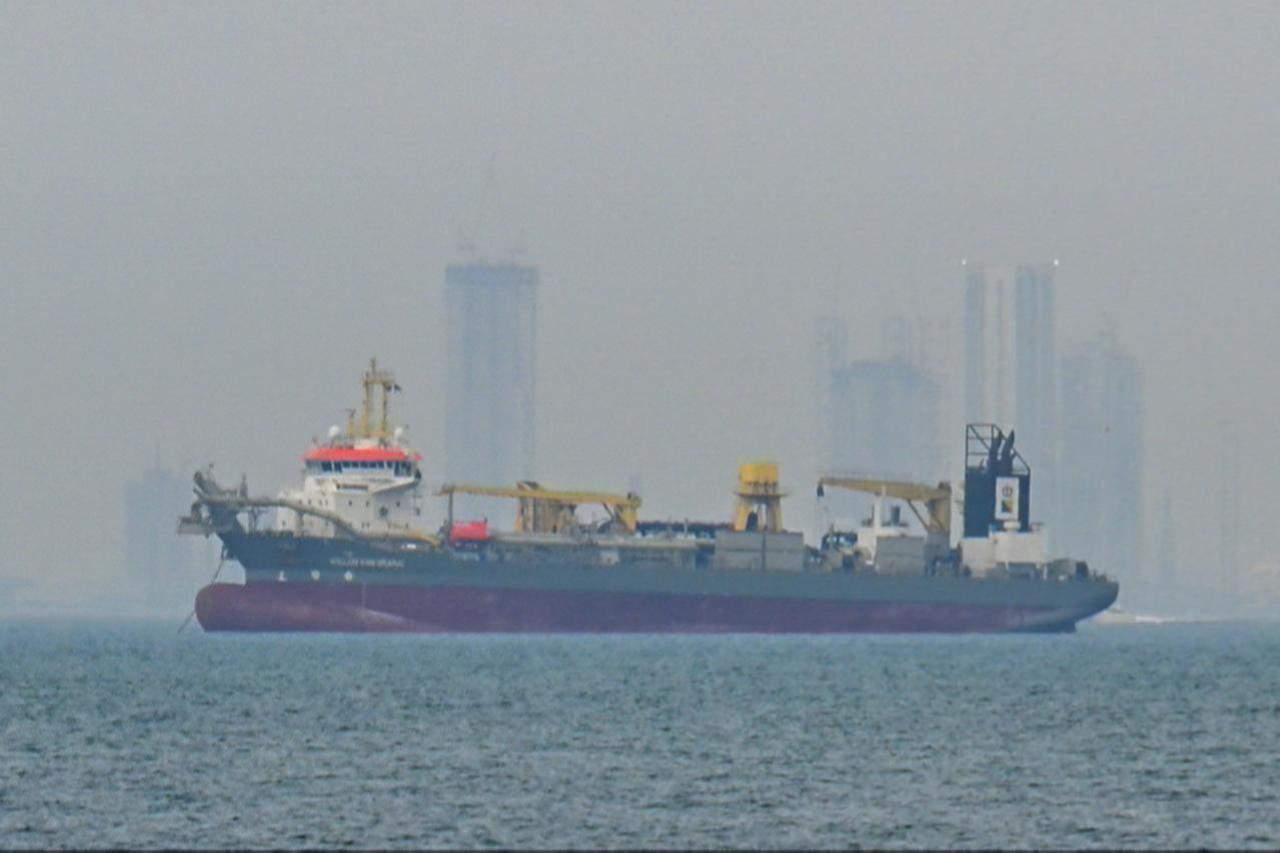
Bab el-Mandeb, only 29 kilometers wide at its narrowest point, is known as the “Gate of Tears” due to its difficult navigation and vulnerability to attacks on shipping vessels.
According to U.S. Energy Information Administration data, over 30 million tons of liquefied natural gas passed through the strait during the first 11 months of 2023, along with massive container traffic and about 12% of seaborne oil trade.
Like the Strait of Hormuz, Bab el-Mandeb is considered a major maritime chokepoint due to its narrow passage and heavy global shipping traffic.
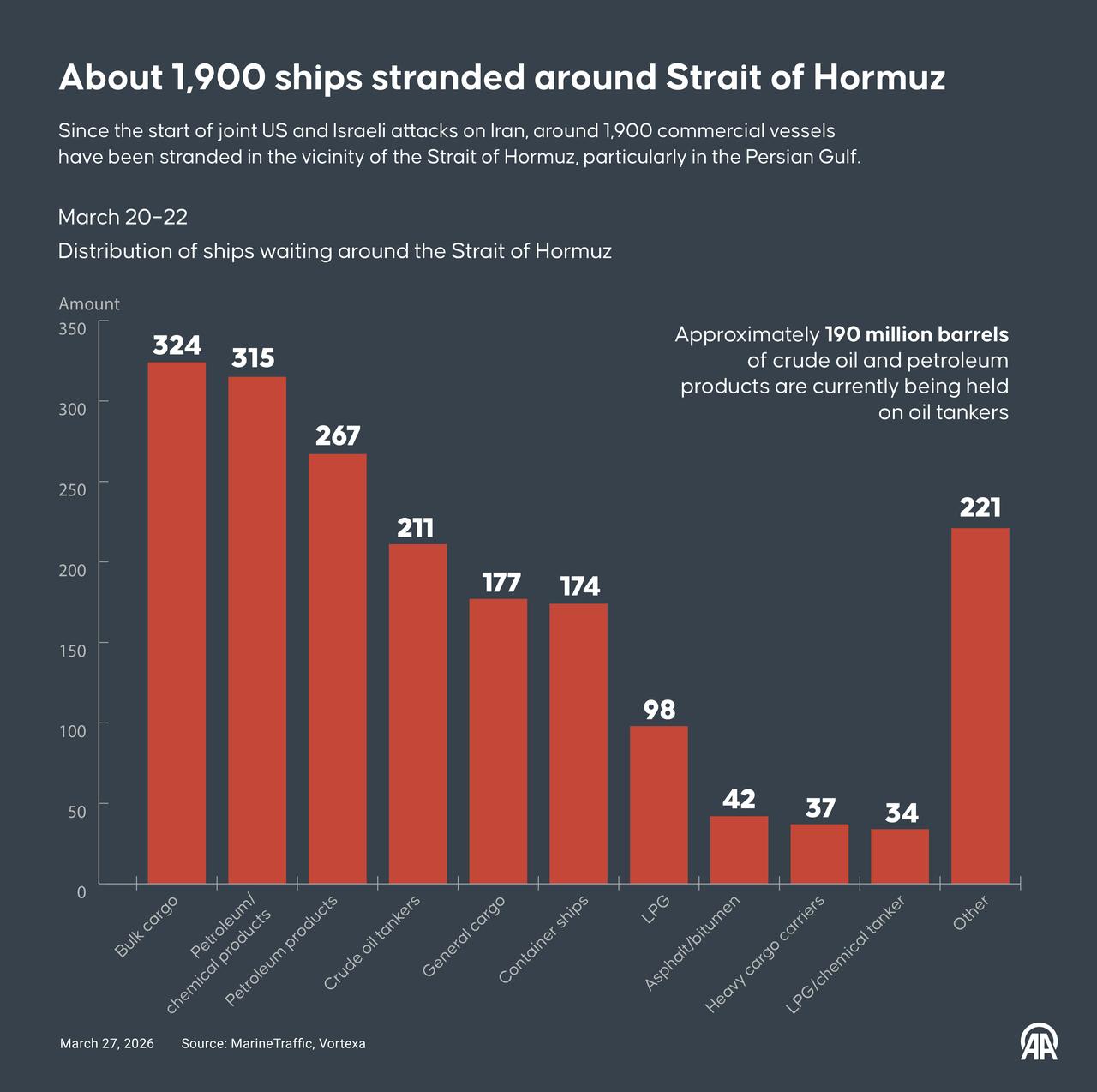
The Strait of Hormuz, a critical waterway for energy supplies to most Asian countries, remains under effective blockade by Iran, which is currently at war with the United States and Israel since late February.
The entire region has been on alert since the United States and Israel launched a joint offensive on Iran on Feb. 28, which has killed more than 1,340 people so far, including then-Supreme Leader Ali Khamenei.
Tehran has retaliated with drone and missile strikes targeting Israel, as well as Jordan, Iraq, and Gulf countries hosting U.S. military assets, causing casualties and damage to infrastructure while disrupting global markets and aviation.


 Set as preferred source
 Set as preferred source


 1 min read
 1 min read