Newsletters


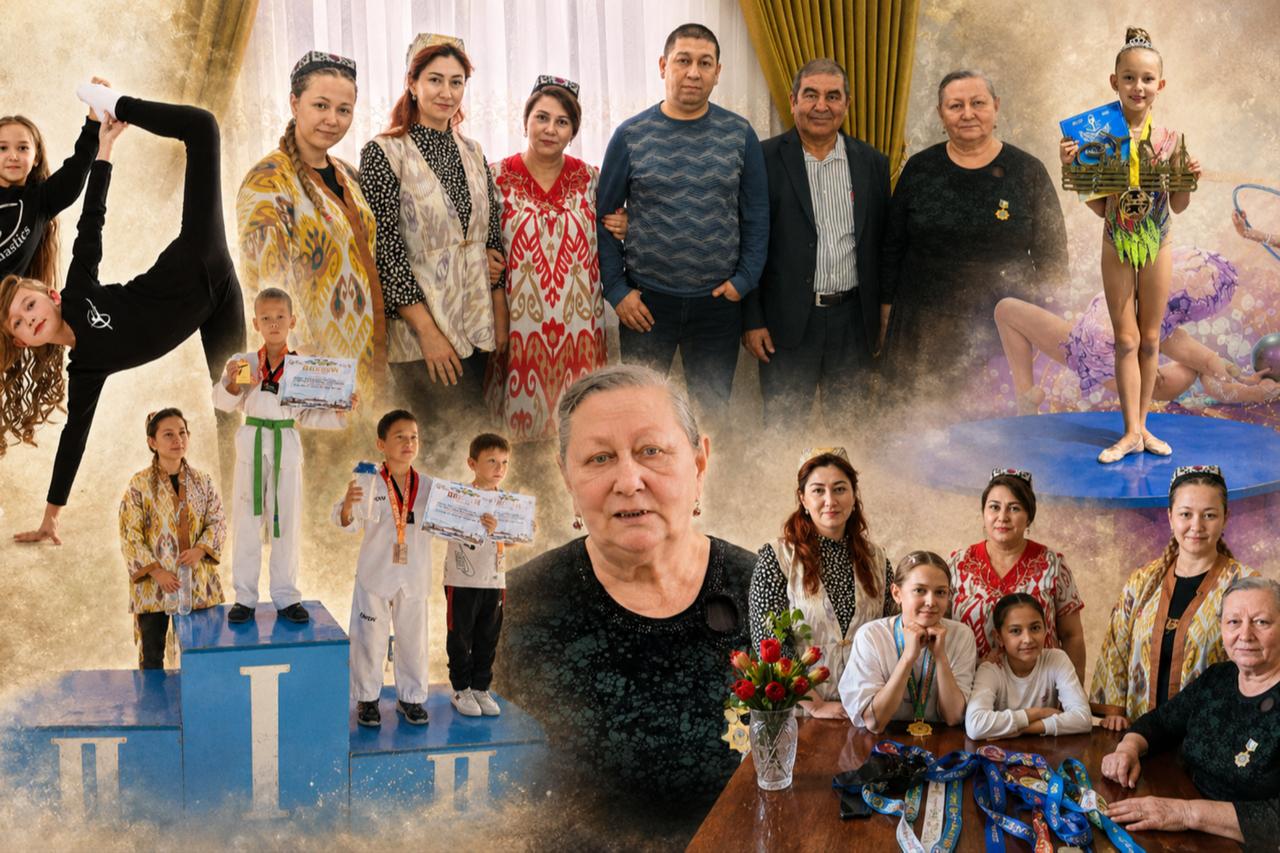


In the winter of 1979, a young woman boarded a train in Belovo, a coal town in Russia's Kemerovo region, and travelled some 3,000 kilometers southwest to a place she could barely picture. Tatyana Alekseyevna had met Haytboy Sobirov while he was serving in the army near her home. They married. She followed him to Karakalpakstan, the arid autonomous republic in northwestern Uzbekistan that most of the world knows, if at all, for the desiccation of the Aral Sea.
Forty-seven years later, she is still there—in the Markaziy neighborhood of Takhiatash, a small industrial town on the Amu Darya, baking bread in a clay tandoor.
I write about this family not because it is exotic, but because it is ordinary—and because policy analysts, myself included, have a habit of assessing interethnic harmony through decrees, committees and indices, while the thing itself is decided in kitchens, courtyards and neighborhood councils. Uzbekistan has built an elaborate institutional architecture around ethnic diversity over the past decade. The Sobirov household is where one can see whether that architecture actually holds.
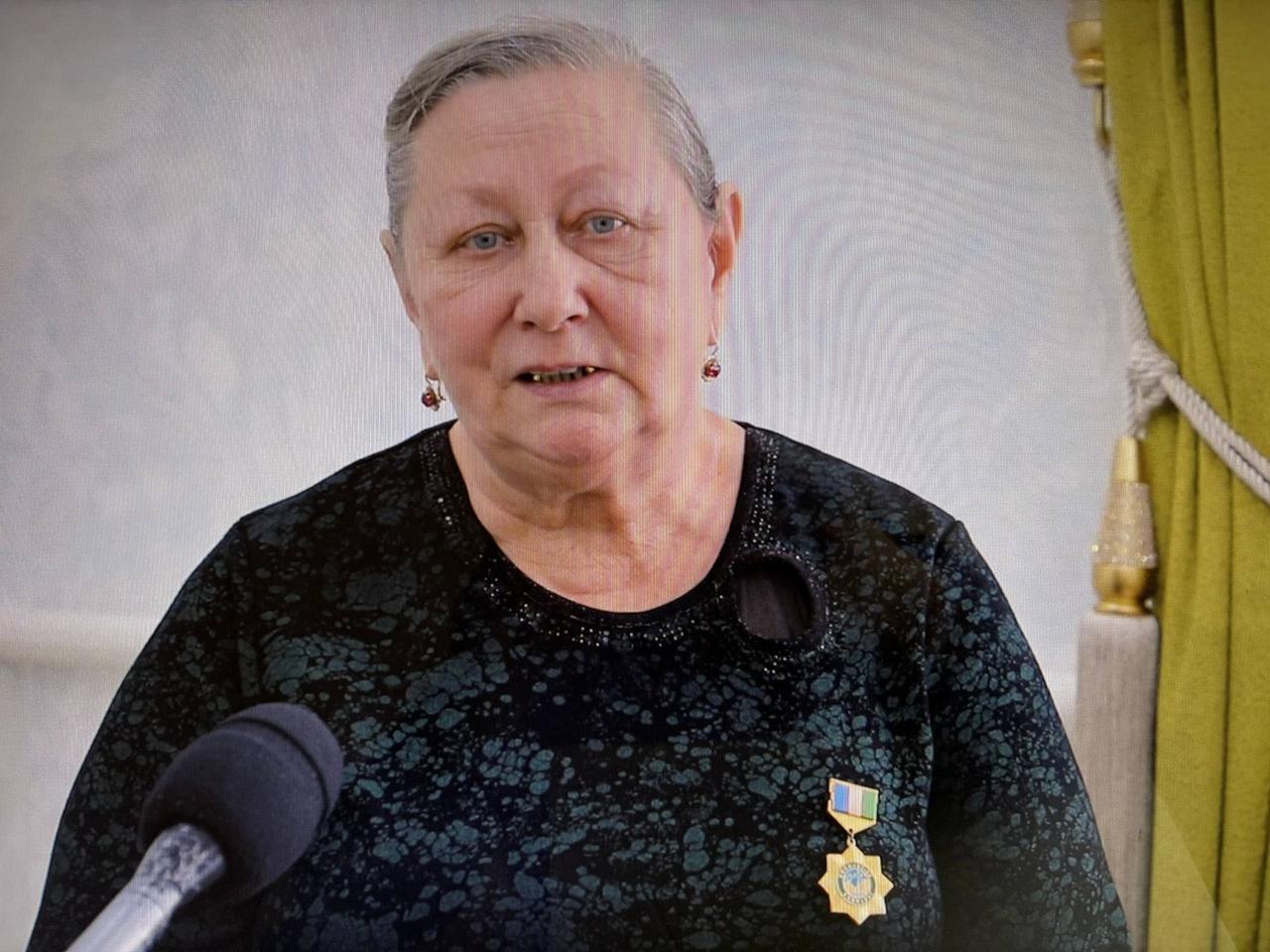

“I was traveling to people I did not know, to a place I could not imagine,” Tatyana recalls of that first journey. “I worried the whole way about how they would receive me.” What she found instead, she says, was her husband's aunt, Orazgul, who spent weeks patiently teaching her to knead dough, slap bread onto the wall of a tandoor and milk a cow. “Adapting to a foreign country turned out to be far easier than I had feared. It was the people who made it so.”
It would be sentimental to leave the story there, and misleading. Personal warmth does not survive on its own; it needs a legal and institutional floor beneath it. Uzbekistan is home to representatives of more than 130 nationalities and ethnic groups. Article 4 of the Constitution obliges the state to respect the languages, customs and traditions of every one of them. In May 2017, a dedicated government body—the Committee on Interethnic Relations and Friendly Ties with Foreign Countries—was created under the Cabinet of Ministers. In November 2019, the country adopted a state policy concept on interethnic relations. Since 2021, July 30 has been marked as the Day of Friendship of Peoples. Newspapers appear in 14 languages; schooling is available in six, including Karakalpak, Russian, Kazakh and Tajik.
None of this makes tolerance automatic. Institutions of this kind can easily become ceremonial—a calendar of concerts and commemorations that says more about the state's self-image than about how neighbors treat one another. The question worth asking is whether the framework touches ordinary lives at all.
In Takhiatash, it does, and in a fairly unglamorous way: through work.
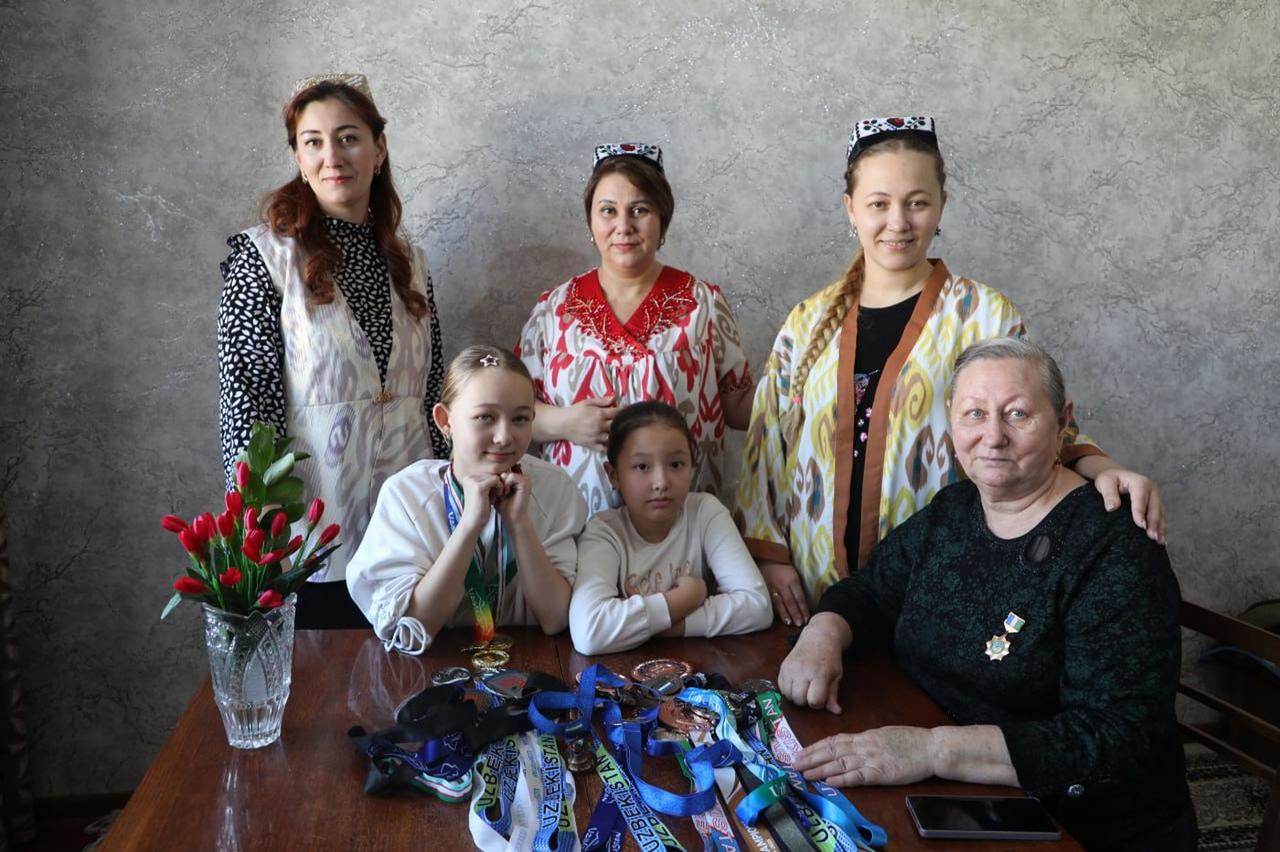
The town's thermal power plant—the old GRES, still the largest employer for miles—hired Tatyana into its laboratory in 1979. She stayed until she retired in 2015: 36 years, one workplace. In 2008, the state awarded her the “Veteran of Labor” medal. A Russian woman from Siberia, working her entire career in a Karakalpak industrial town and being decorated for it by the Uzbek state, is not a symbolic gesture. It is what equal access to employment, promotion and public recognition looks like when it is real rather than declared.
That, ultimately, is the more interesting claim to test in Central Asia. Formal equality is cheap to legislate. What is expensive—and what determines whether a multi-ethnic society holds together—is whether a minority citizen can build an entire working life in a provincial town without ever hitting an invisible ceiling.
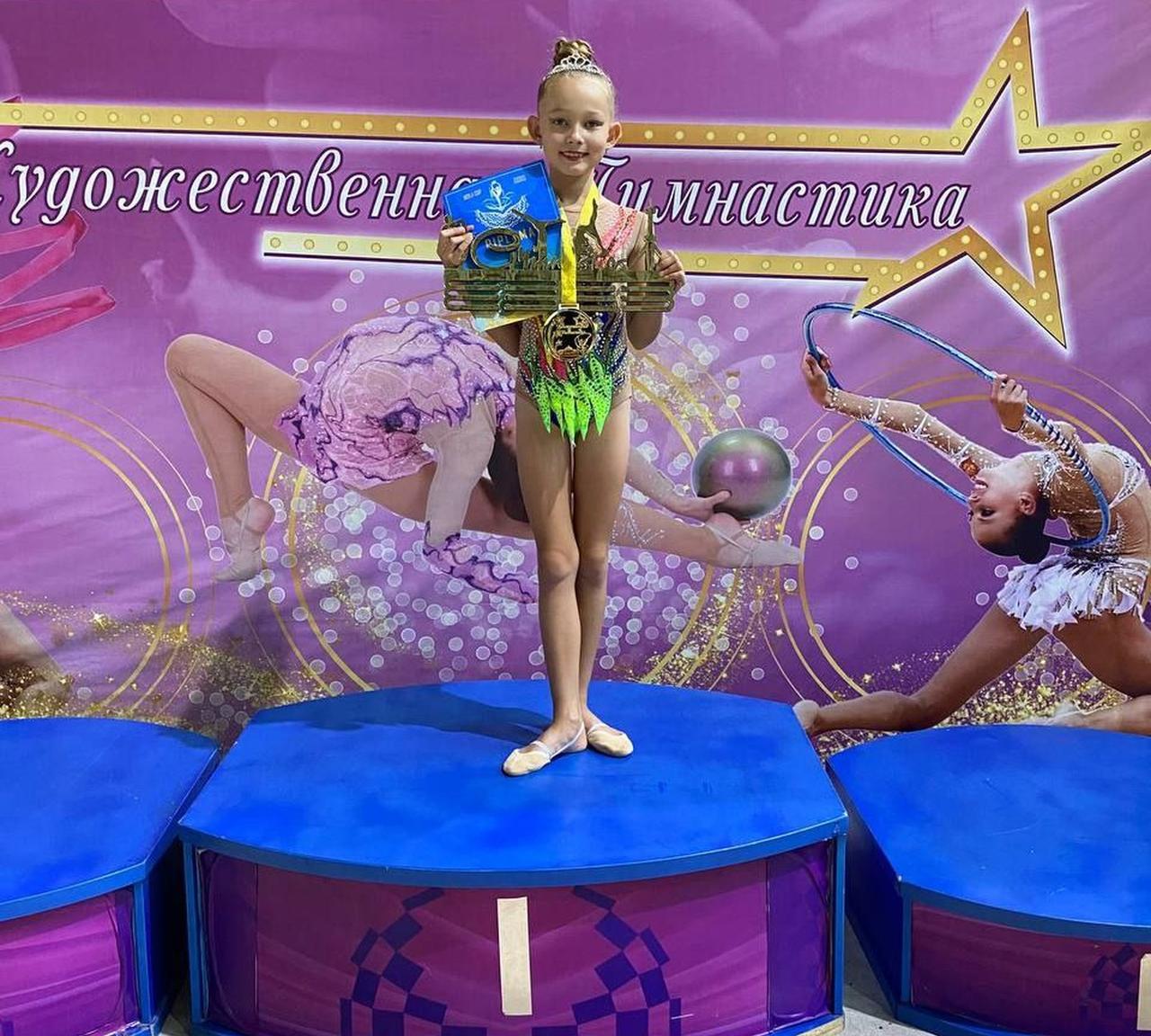
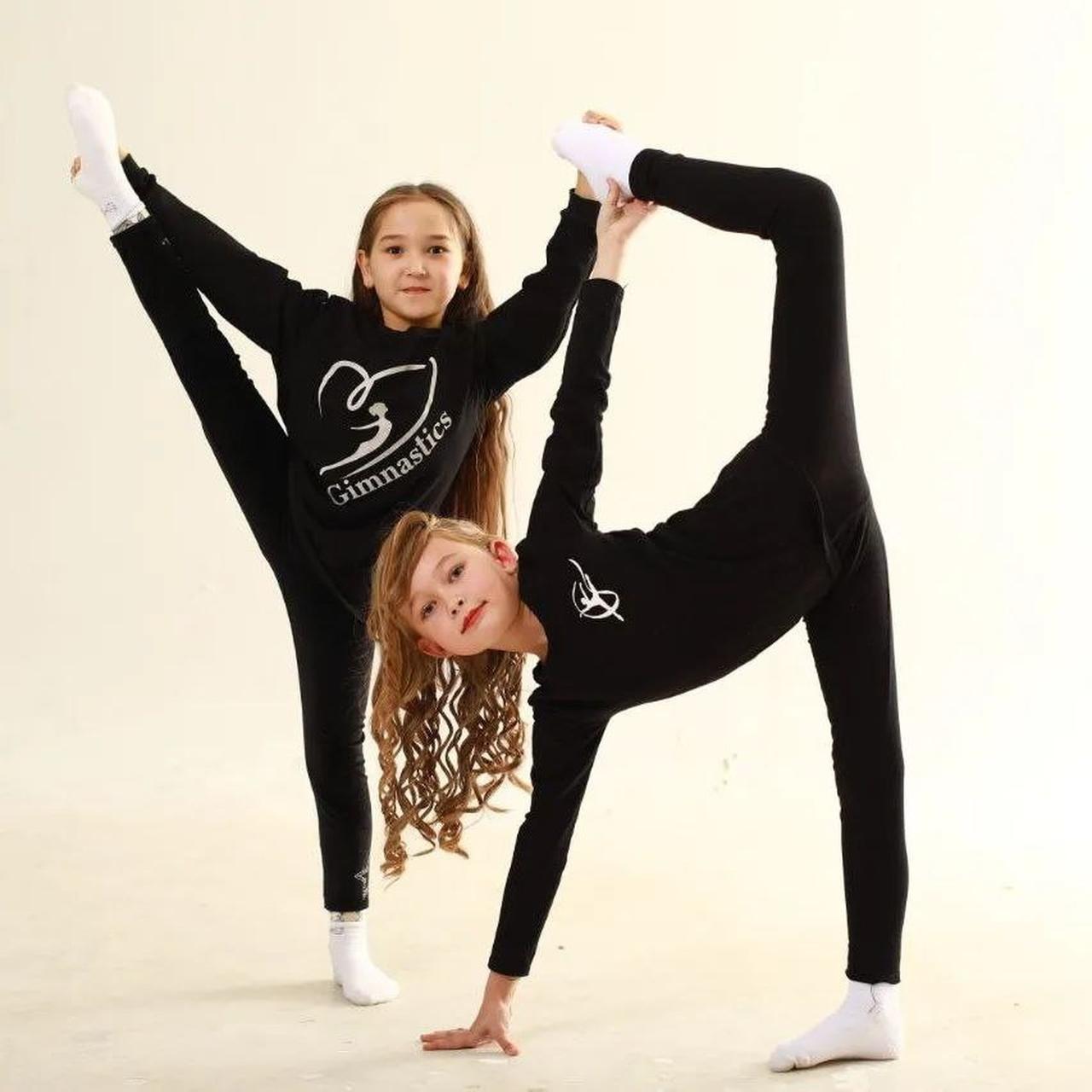
The Sobirovs raised one son and four daughters. The family has since acquired what can only be described as an internationalist shape: the son married Khotira, an Uzbek; the youngest daughter's husband, Radik, is Bashkir. Eleven grandchildren have followed. Several compete in sambo at international tournaments; others train in artistic gymnastics.
At Navruz—the spring festival marked from the Balkans to western China—the table in this house reads like a map. “My daughter-in-law, Khotira, is a gifted cook. She prepares dishes from so many traditions that she astonishes all of us,” Tatyana says. “What nationality someone belongs to has never mattered in this family. What matters is respect.”
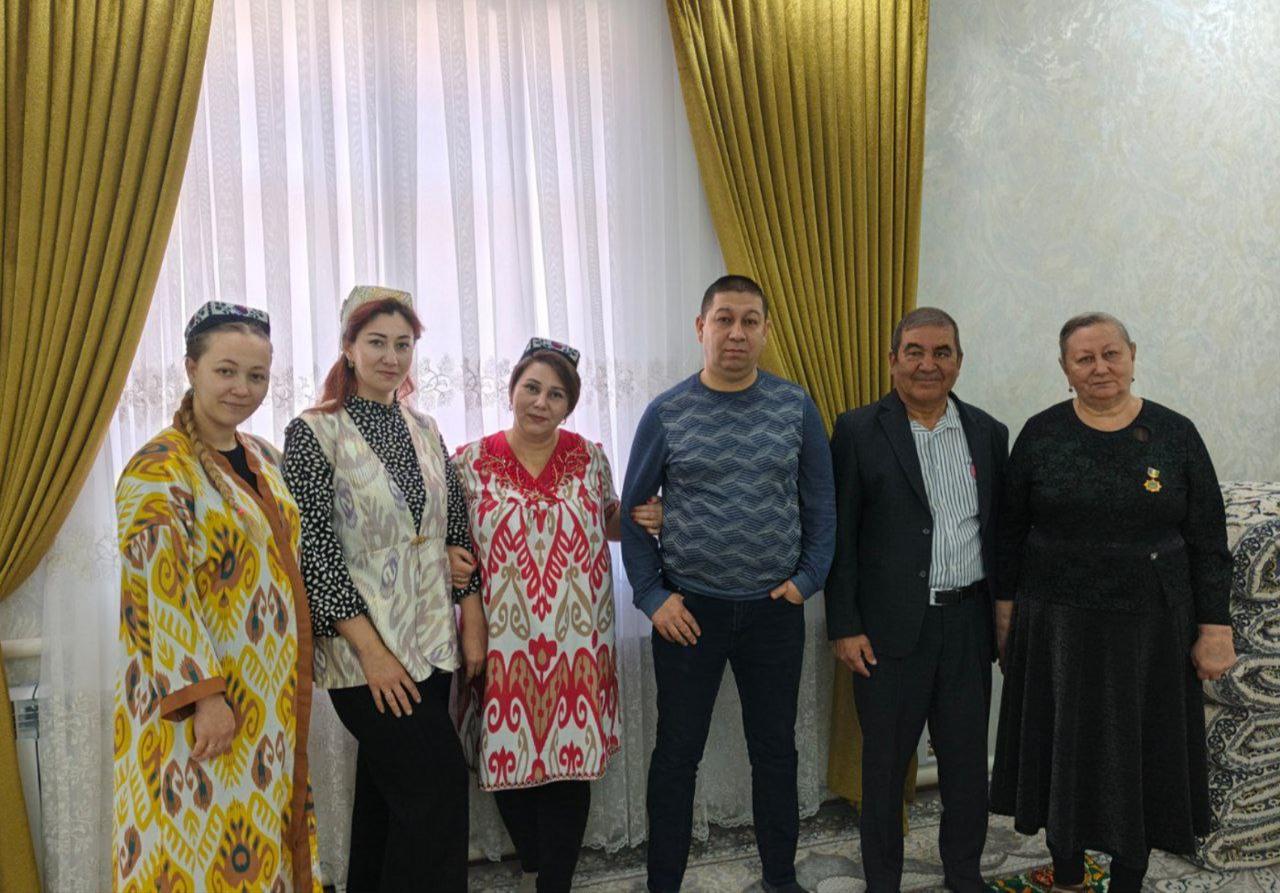
Khotira traces that respect to a simpler source: “In 47 years of marriage, we have never once heard my mother-in-law and father-in-law raise their voices at each other. They do not lecture us about how to live together. They show us.”
Haytboy, now retired, serves as the elected elder of his street—the koʻcha biyi, a role with no salary and considerable authority. He mediates disputes, keeps an eye on young men who might otherwise drift, and organizes the modest cultural gatherings that hold a neighborhood together. Uzbekistan's roughly 10,000 mahallas are frequently discussed abroad as instruments of state control, and that critique is not baseless. But they are also, in places like Takhiatash, the level at which a mixed community either functions or does not—and it functions largely because of people like him.
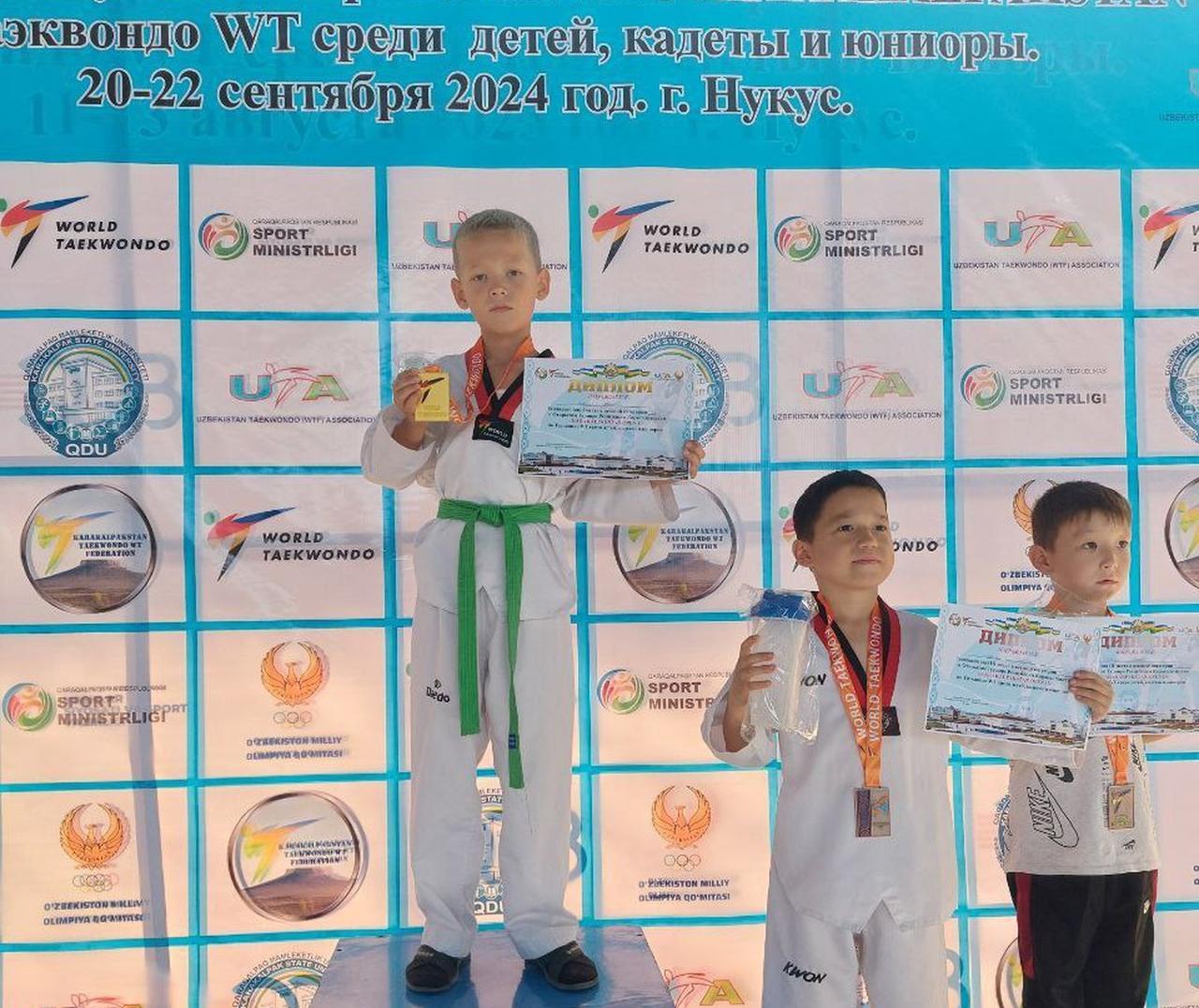
Karakalpakstan makes it to the international press in moments of crisis: the vanishing Aral Sea, the constitutional dispute of July 2022. It is rarely reported in its ordinary condition. Yet the country's leadership has, since those events, repeatedly framed the republic's fate as inseparable from the nation's. Addressing parliament, President Shavkat Mirziyoyev described the principle that “the achievements of Karakalpakstan are the achievements of the whole Uzbekistan”—and that its concerns are those of the entire country—as a program of practical action rather than a slogan.
Whether that principle is honored is not something an outsider can settle from a policy document. It is settled in places like the Markaziy mahalla, one household at a time. Central Asia is entering a decade in which identity will be under pressure from every direction—migration, economic strain, competing external narratives, and the ambient temptation to define belonging narrowly.
Governments across the region will keep signing declarations on tolerance. Yet these declarations are worth little unless a Russian woman from Kemerovo can spend her life in an Uzbek town, be honored for her work, and watch her Bashkir son-in-law and Uzbek daughter-in-law share the same table without anyone thinking it remarkable.
In Takhiatash, nobody does. That is precisely the point. The strength and peace of any state begin in households like these—with families that have learned, without being instructed, to understand, value, and love one another.


 Set as preferred source
 Set as preferred source


 3 min read