Newsletters


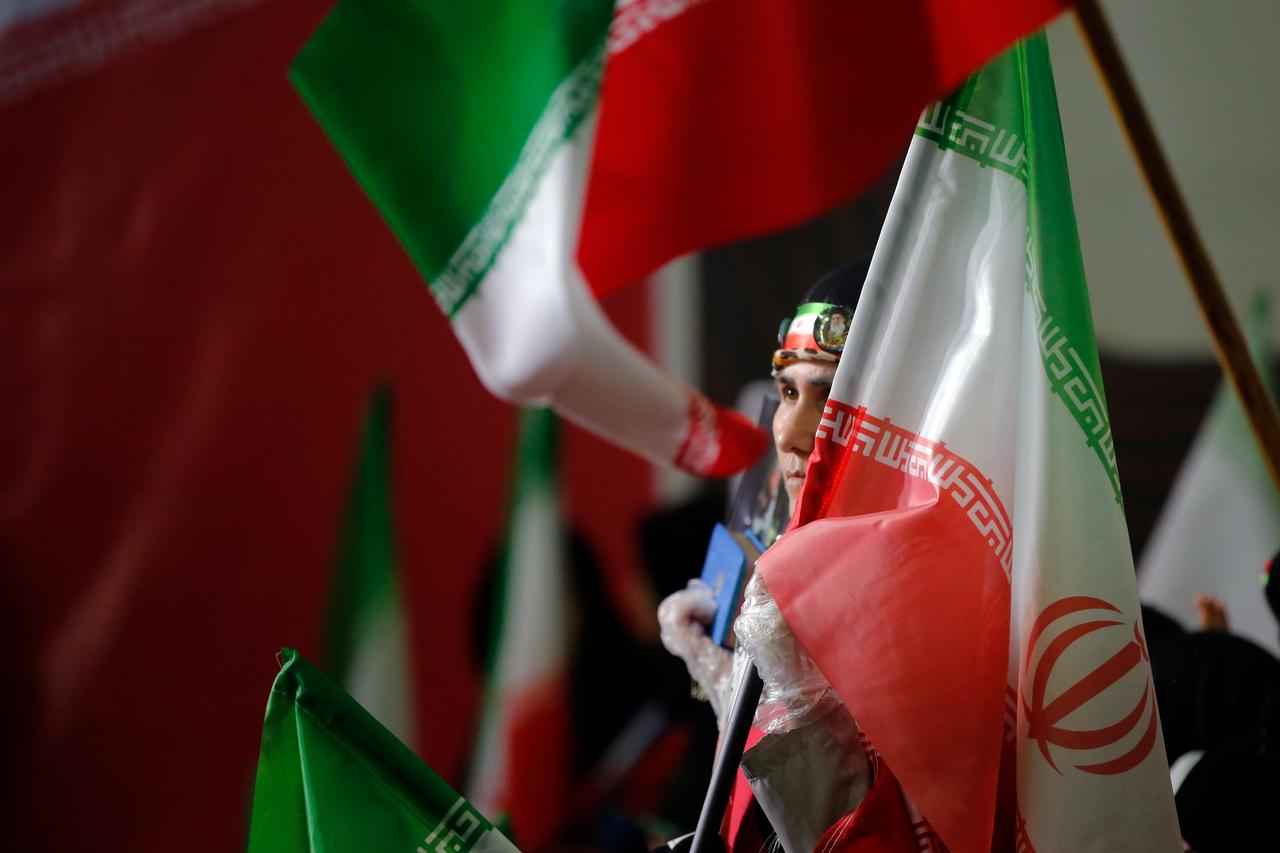


Iran on Wednesday criticized the United States and Israel for spreading "disinformation" about its nuclear program and ballistic missiles, describing the allegations as "the repetition of big lies."
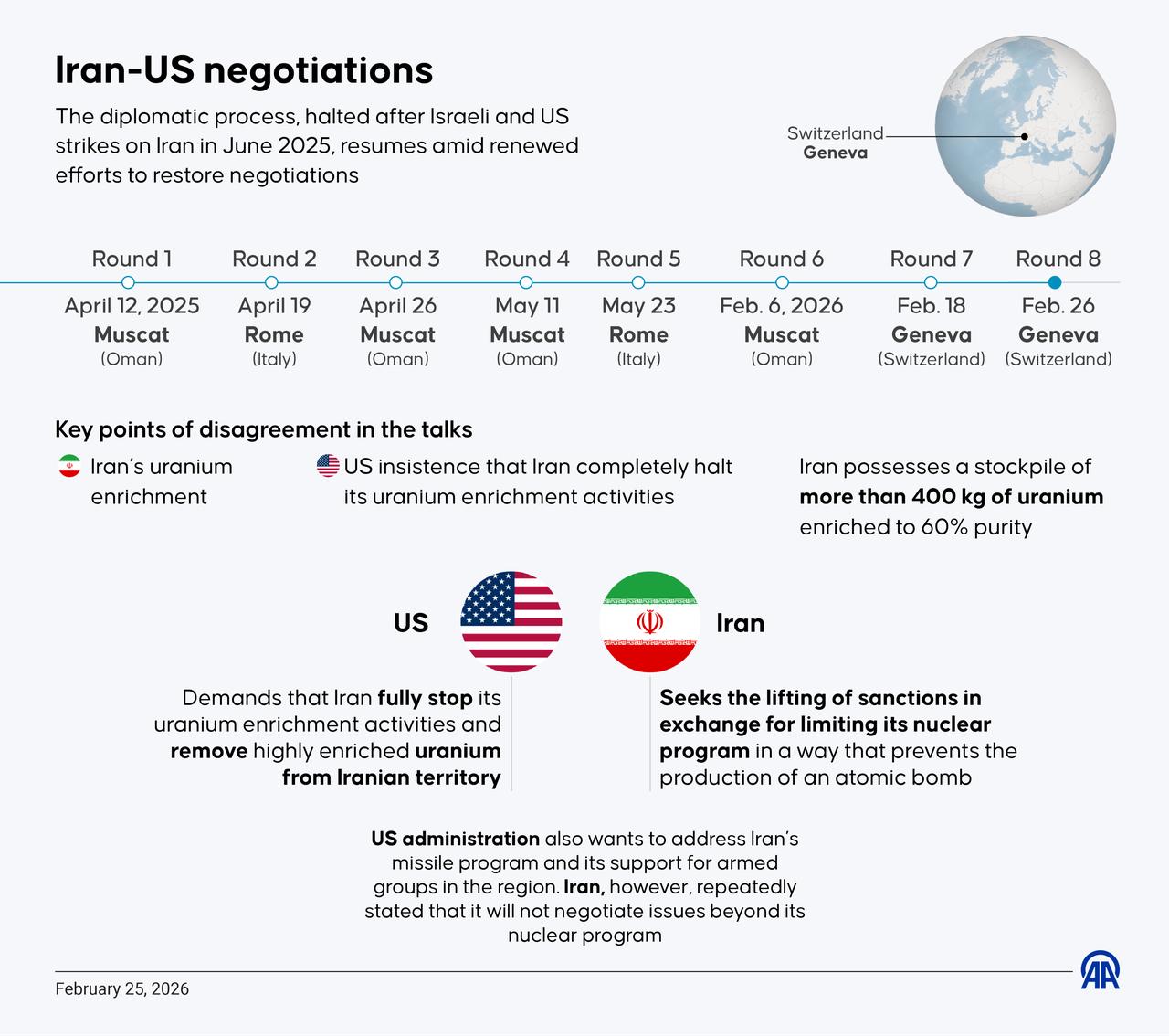
Meanwhile, the largest U.S. military buildup since the 2003 Iraq war continues to surge toward the region ahead of Thursday's (Feb. 26) nuclear talks.
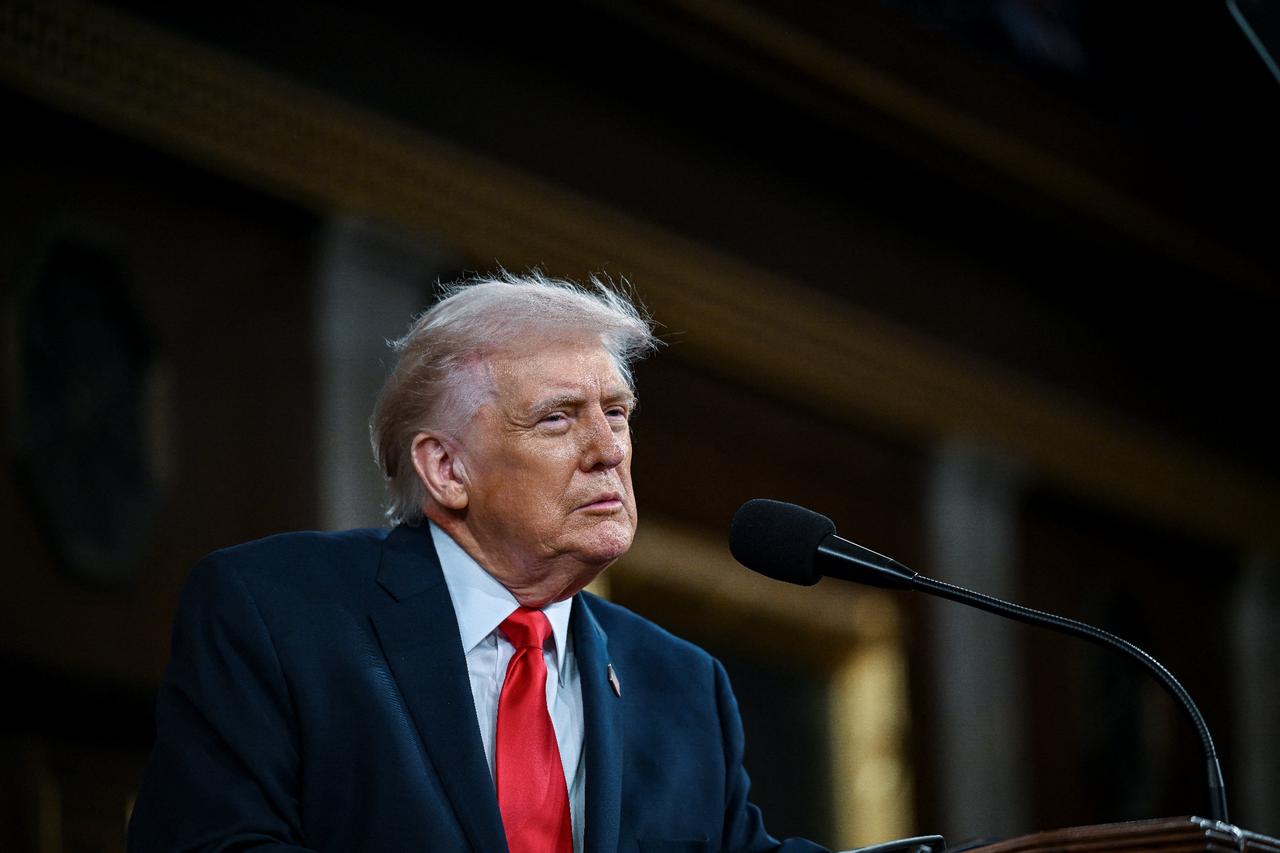
Iranian Foreign Ministry spokesperson Esmaeil Baqaei responded sharply to President Donald Trump's State of the Union remarks, in which the U.S. president vowed to never allow Tehran to acquire a nuclear weapon and claimed Iran is developing missiles capable of reaching American soil.

"'Repeat a lie often enough, and it becomes the truth" is a law of propaganda coined by Nazi Joseph Goebbels. This is now systematically used by the U.S. administration and the war profiteers encircling it, particularly the genocidal Israeli regime, to serve their sinister disinformation and misinformation campaign against the nation of Iran," Baghaei said on the social media platform X.
"Whatever they're alleging regarding Iran's nuclear program, Iran's ballistic missiles, and the number of casualties during January's unrest is simply the repetition of 'big lies,'" he said.
"No one should be fooled by these prominent untruths," he added.
 1 min read
Iranian Parliament Speaker Mohammad Bagher Ghalibaf also pushed back against Trump's claims.
"We have said this many times. We have not pursued nuclear weapons, we are not pursuing them, and we will not pursue them," Ghalibaf told business leaders in Tehran, according to Iran's official news agency IRNA.
Ghalibaf argued that Trump is being "misinformed" and making wrong decisions as a result.
Referring to Thursday's Geneva talks, Ghalibaf warned, "If the enemy decides to repeat its past behavior based on false information and attacks and bombs Iran in the middle of the negotiation and diplomacy process, it will undoubtedly taste the harsh response of the Iranian nation and its defense forces."
In his State of the Union address Tuesday, Trump said: "They've already developed missiles that can threaten Europe and our bases overseas, and they're working to build missiles that will soon reach the United States of America."
Open-source intelligence data shows more than 300 U.S. military aircraft deployed to the region, primarily distributed between Al-Udeid Air Base in Qatar, Muwaffaq Salti Air Base in Jordan, and Prince Sultan Air Base in Saudi Arabia, along with carrier air wings aboard the USS Abraham Lincoln and USS Gerald R. Ford.
Since early January, an estimated 270 C-17 and C-5 logistics flights to U.S. Central Command (CENTCOM) were needed to assemble this force, along with Patriot and Terminal High Altitude Area Defense missile defense systems.
Approximately 75 KC-46 and KC-135 strategic transports remain deployed to the region.
The assembled forces include 84 F-18E/F, 36 F-15E, 48 F-16C, and 42 F-35A/C fighter jets—constituting nearly 70% of all aircraft.
The remaining 30% consists of 18 EA-18G Growler electronic warfare aircraft, 12 A-10C Thunderbolt close air support aircraft, five E-11A Battlefield Airborne Communications Node aircraft, and six E-3 Sentry AWACS aircraft.
No movements of B-2 bombers, which were used in Operation Midnight Hammer last June, have been observed.
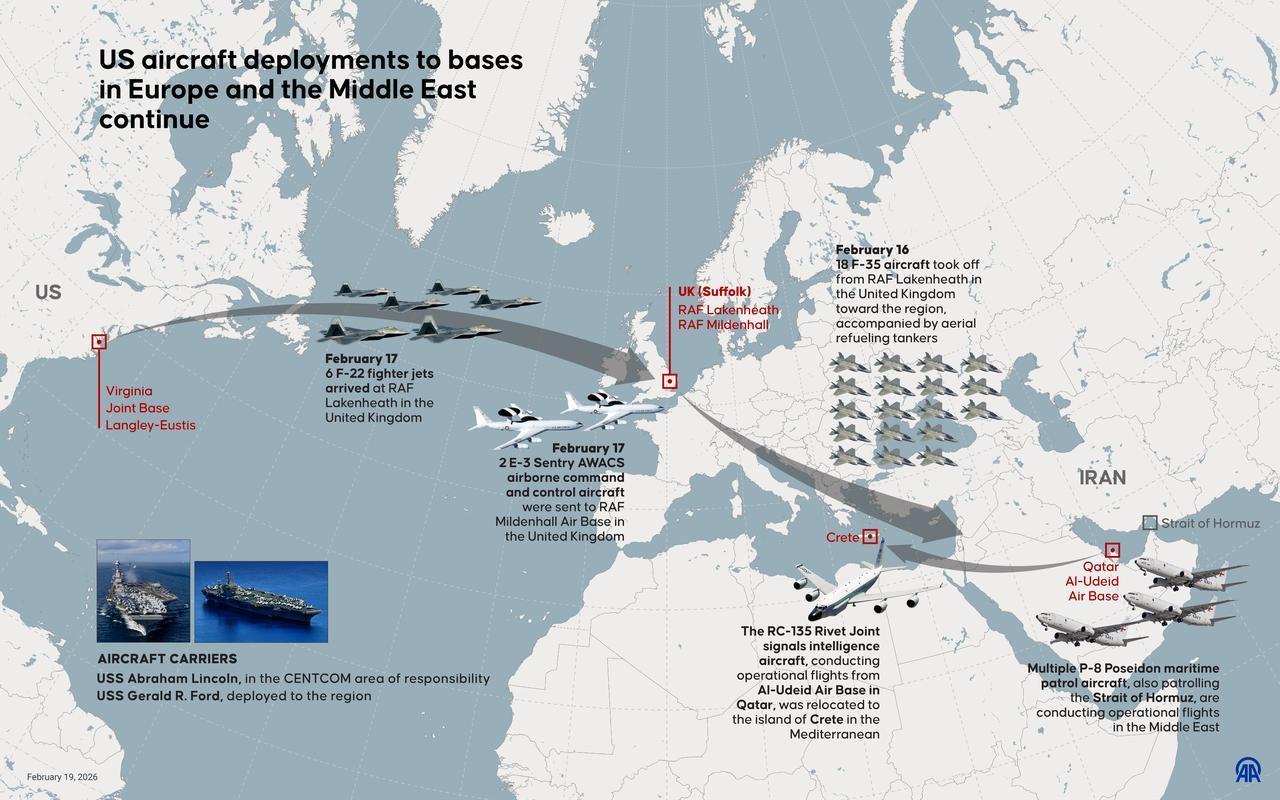
At least 12 US F-22 fighter jets landed at an Israeli air base on Tuesday, Israel's public broadcaster Israeli media reported.
"Twelve US F-22 fighter jets landed this afternoon at one of the Israeli Air Force bases in the south of the country, as part of the American deployment in the Middle East," Israeli media said, adding that the aircraft are among the most advanced in the world and are tasked with "penetrating enemy territory and disabling air defense systems and radar installations."
An additional six F-22s were spotted later in the day departing from Langley Air Force Base in the U.S., presumably to join the others in Israel via RAF Lakenheath in the United Kingdom.
Israel's fighter fleet of 66 F-15I/C/D, 173 F-16I/C/D, and 48 F-35 jets effectively doubles the assembled airpower of forces that could participate in strikes against Iran, reports say.


 Set as preferred source
 Set as preferred source



 1 min read