Newsletters


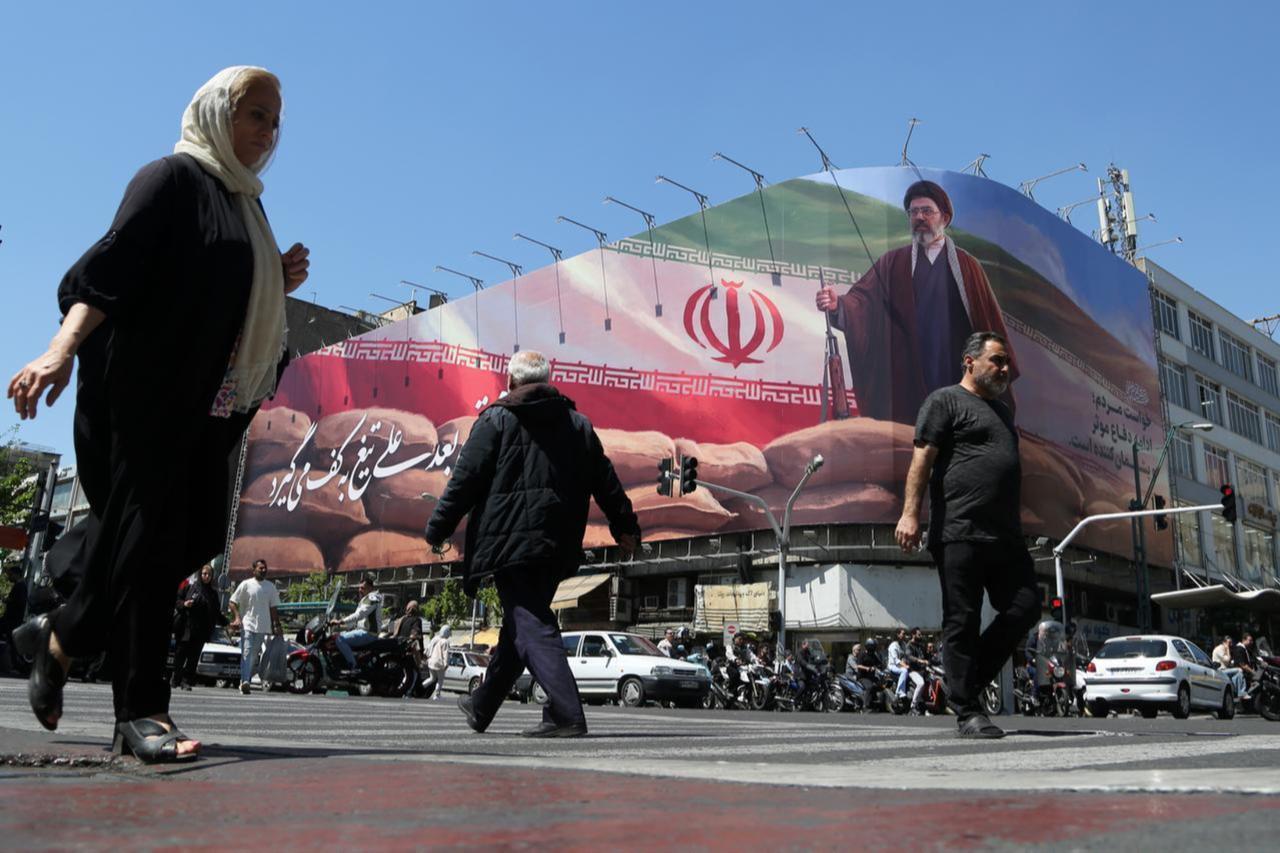


Iran’s unprecedented internet blackout has hit the 53-day mark, leaving the majority of the population in digital exile even as authorities begin restoring "selective" access to government-approved groups.
According to NetBlocks, the blackout's human and economic effects are continuing to grow as Iranian authorities work to develop tiered access for select users and businesses.
The New York Times reported that Iranian officials have started easing some restrictions for groups, including university professors, even as broad access to the global internet remains blocked for most people.
NetBlocks said Iran's internet blackout is now in its 53rd day after 1,248 hours of disconnection from global networks.
The monitoring group said authorities are developing tiered access for select users and businesses, while the human impact and economic harm caused by the digital censorship measure continue to spiral.
The outage has left ordinary Iranians struggling to access the internet, while leading officials continue to have open access to social media and post regularly.
The shutdown, which Iran said it imposed because of national security concerns during the war with the U.S. and Israel, has cut access to the internet for most of the country's population of more than 90 million.
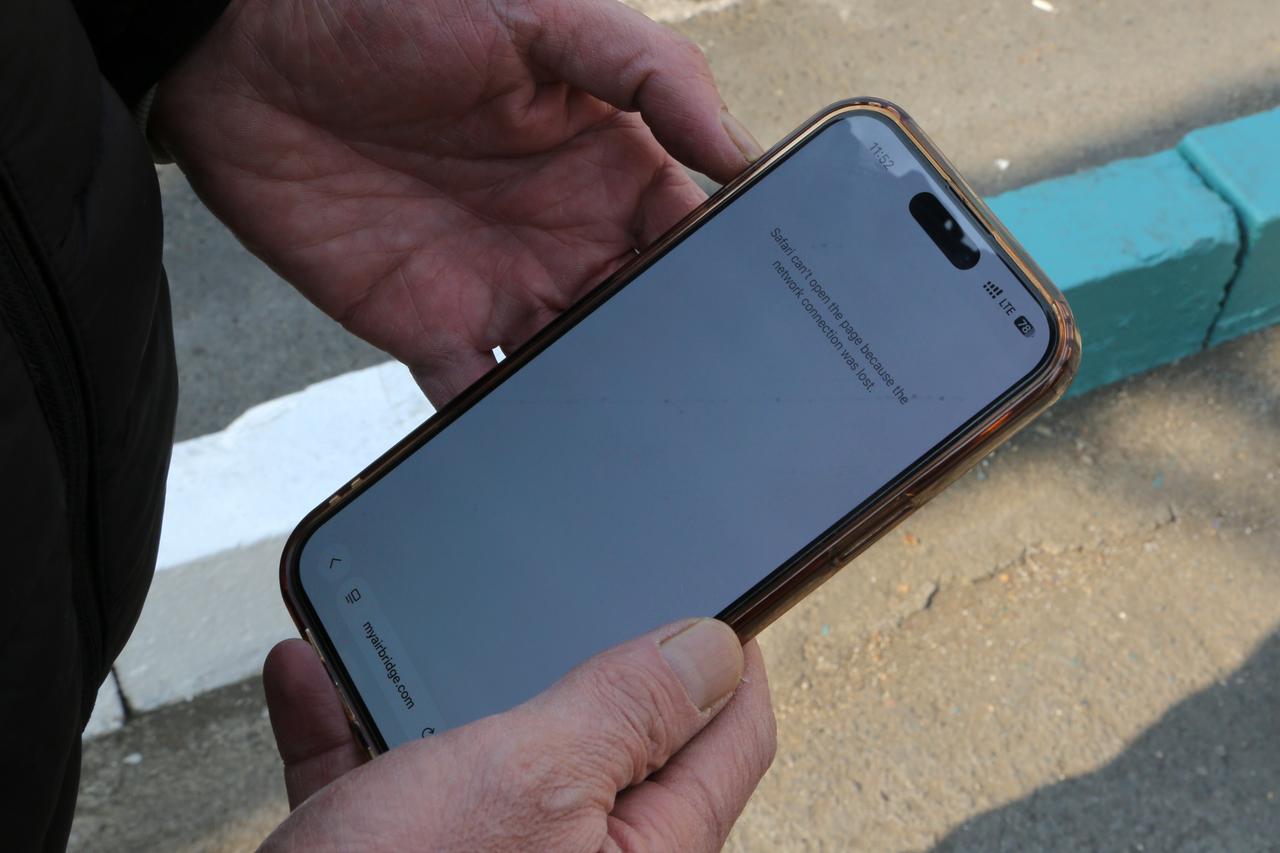
For seven weeks, the blackout has left many Iranians unable to communicate with relatives abroad, largely cut off from information beyond state media reports and unable to run businesses that depend on internet access.
The report said many Iranian business leaders and internet freedom activists have described the blackout as a human rights violation and a serious threat to an economy already in deep crisis.
Iranians are still able to connect to a parallel domestic internet that is separated from international websites and heavily monitored by authorities.
The report said only some Iranian officials and a limited group of elites have been granted an open connection.
Iranian authorities have begun easing some internet access in recent days.
According to the report, Iranian state media said Sunday that wider internet access would be restored for university professors, even as the rest of the population entered its 51st day under the blackout.
Seyed Mehdi Abtahi, Iran's deputy science minister, told local Iranian news outlets that professors and researchers would soon be granted access to most online sites apart from those subject to censorship.
"Based on a list we had, steps have been taken to provide professors with access to the international internet, and gradually this will be extended to all professors," Abtahi was quoted as saying by the semiofficial ISNA news agency, according to The New York Times.
The report also said access to Google searches and Google Maps had been restored, but users still could not open most of the sites appearing in search results and nearly all other internet access remained blocked.
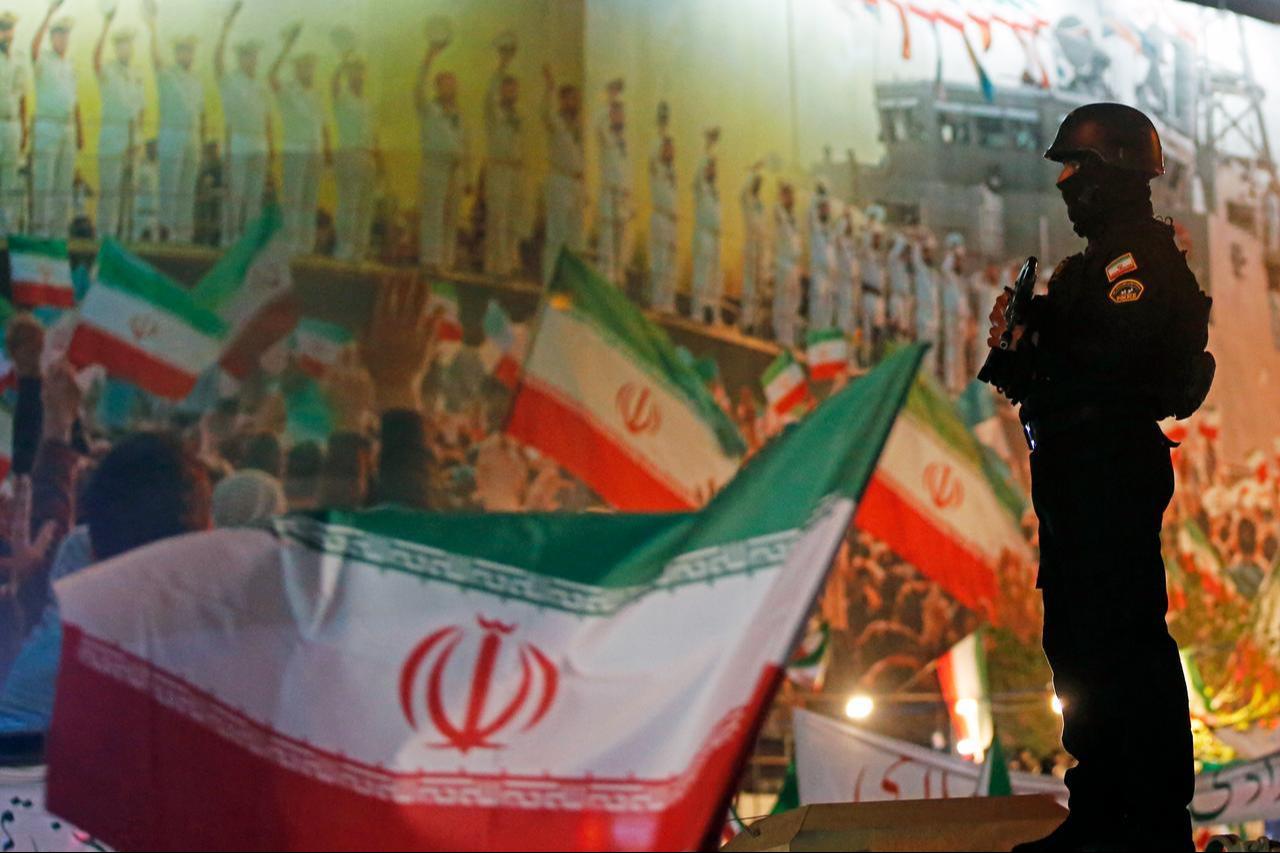

Some internet providers have also begun offering international internet service called "Internet Pro" to users granted state approval.
Internet freedom activists, academics and business figures have criticized the limited easing of restrictions as a possible step toward what Iranians call a "tiered internet," under which meaningful access to the global web would be reserved for politically or economically privileged groups, the report said.
Prominent journalist Elaheh Mohammadi criticized the limited restoration of service in a social media post cited by The New York Times, saying public excitement over partial access showed how severe the restrictions had become.
"How did things get to the point where people have to get excited over a partial connection to Google? For opening a few simple links - for the most basic right of access?" she wrote.
"They want to lower people's expectations so much that even the smallest things start to feel like a favor. That is the ultimate disregard for people's dignity."
Internet freedom advocates see the new measures as part of a broader shift in how Iranian authorities treat internet access.
"In Iran, the internet is no longer being treated as a public right. It is being reframed as a 'strategic infrastructure' whose level of access can be adjusted based on security concerns and high-level state priorities," Amir Rashidi, a cybersecurity expert at Miaan, a digital rights group focused on Iran, told The New York Times.
"Once internet access is moved from a rights-based framework into a security-governance framework, it no longer belongs equally to everyone," he said.
Iran has a record of cutting the country's internet, including earlier this year during widespread protests, according to the information provided.


 Set as preferred source
 Set as preferred source


 1 min read

 1 min read