Newsletters


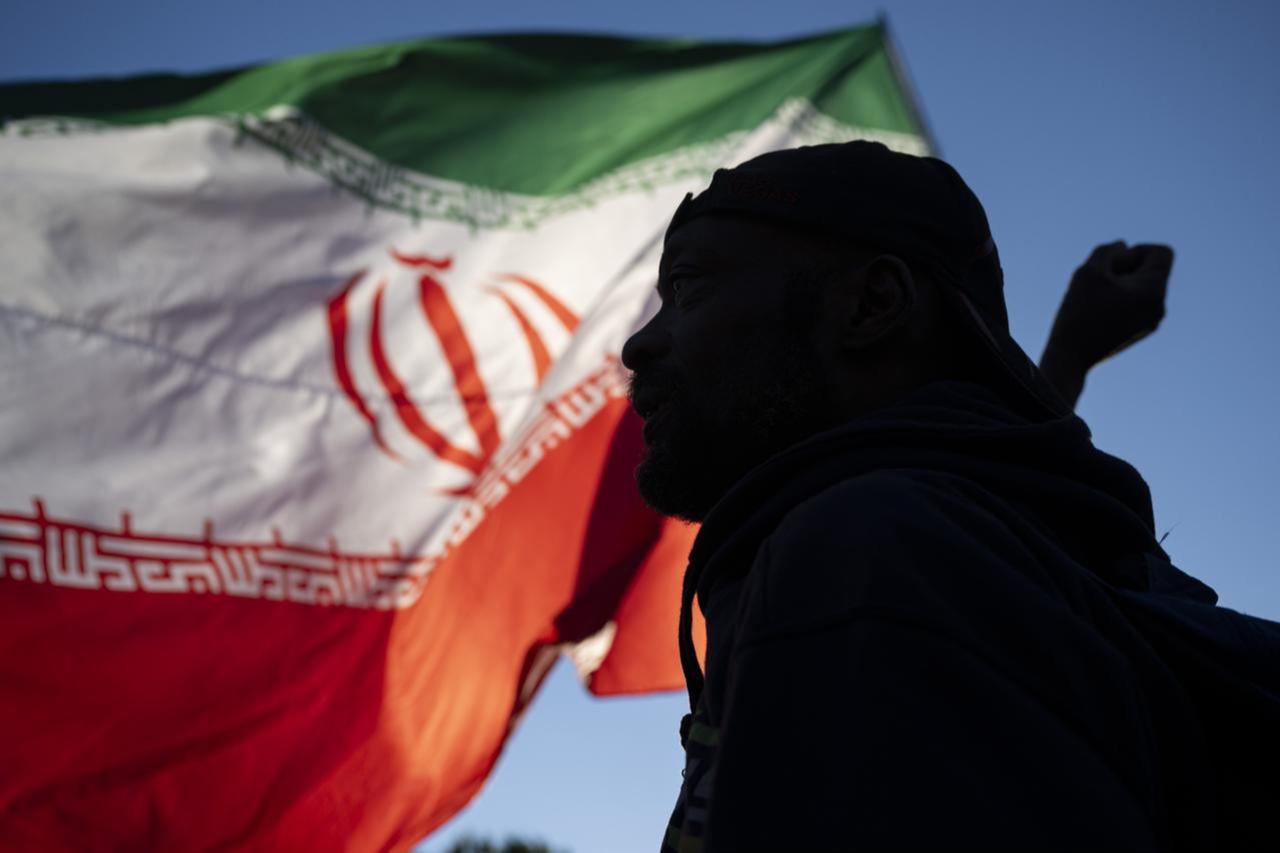


A senior spokesperson for Iran’s armed forces warned Tuesday that any resumption of U.S. and Israeli strikes on Iran would trigger a “heavier” and “stronger” response.
“If the region enters another round of war, Iran's response will extend beyond regional borders and will be much heavier and stronger,” Iranian military spokesperson Abolfazl Shekarchi said, according to Iran’s semi-official Fars news agency.
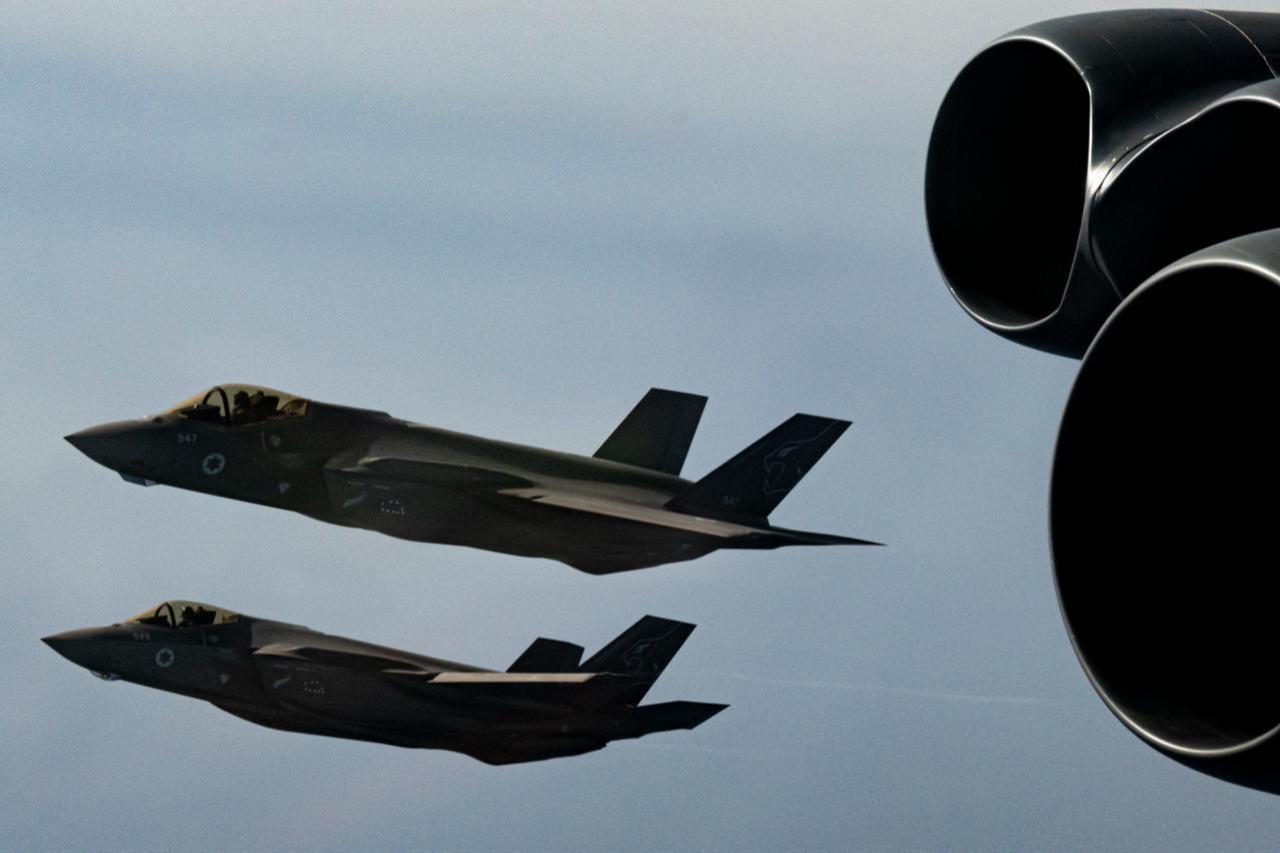
Earlier Tuesday, Fars reported that U.S. and Israeli aircraft struck Iranian vessels south of Larak Island near the Strait of Hormuz, killing “several Iranian nationals.”
The reported incident came amid Pakistan-led mediation efforts aimed at ending the conflict that began with U.S. and Israeli strikes on Iran on Feb. 28 and was followed by Iranian retaliation.
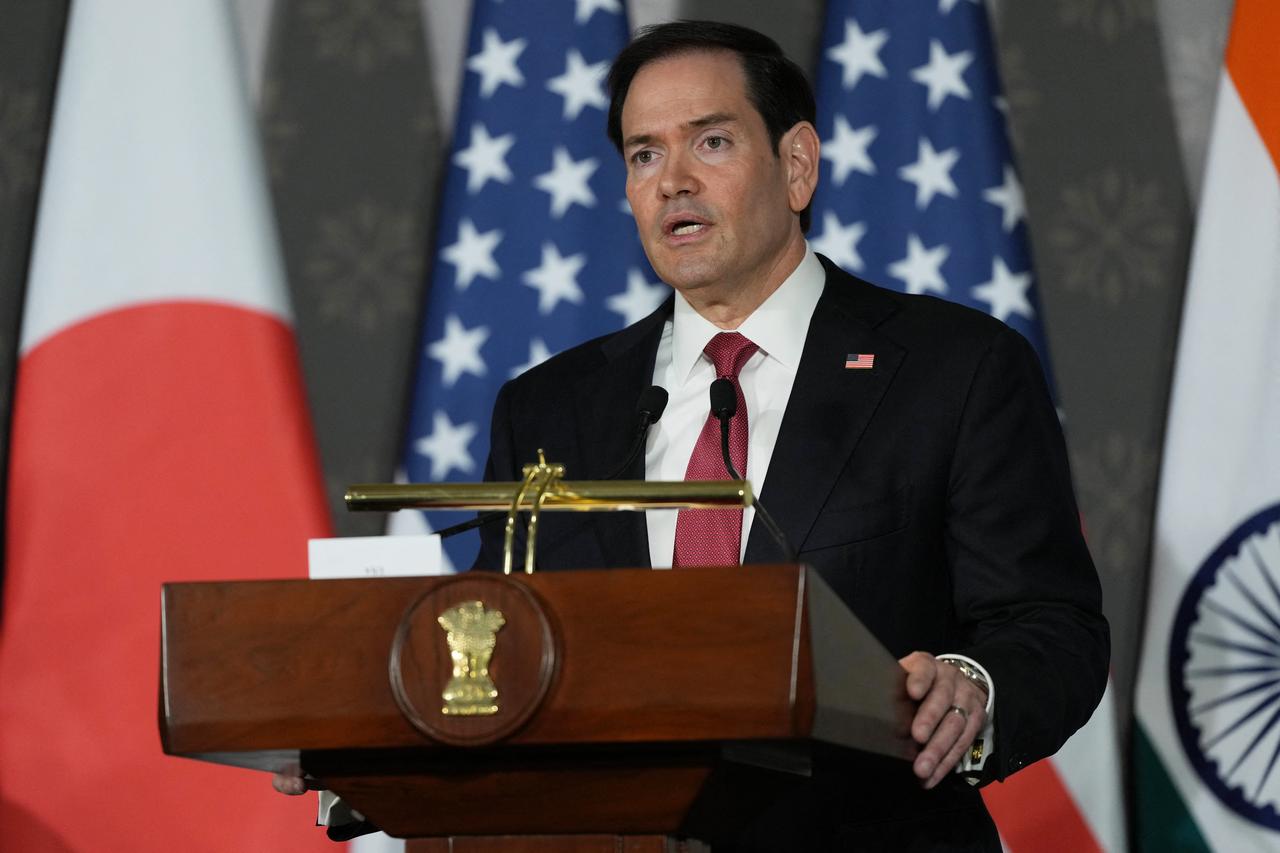

Meanwhile, U.S. Secretary of State Marco Rubio said Tuesday that an agreement to end the U.S.-Israeli war with Iran would take “a couple of days” to finalize despite progress in negotiations.
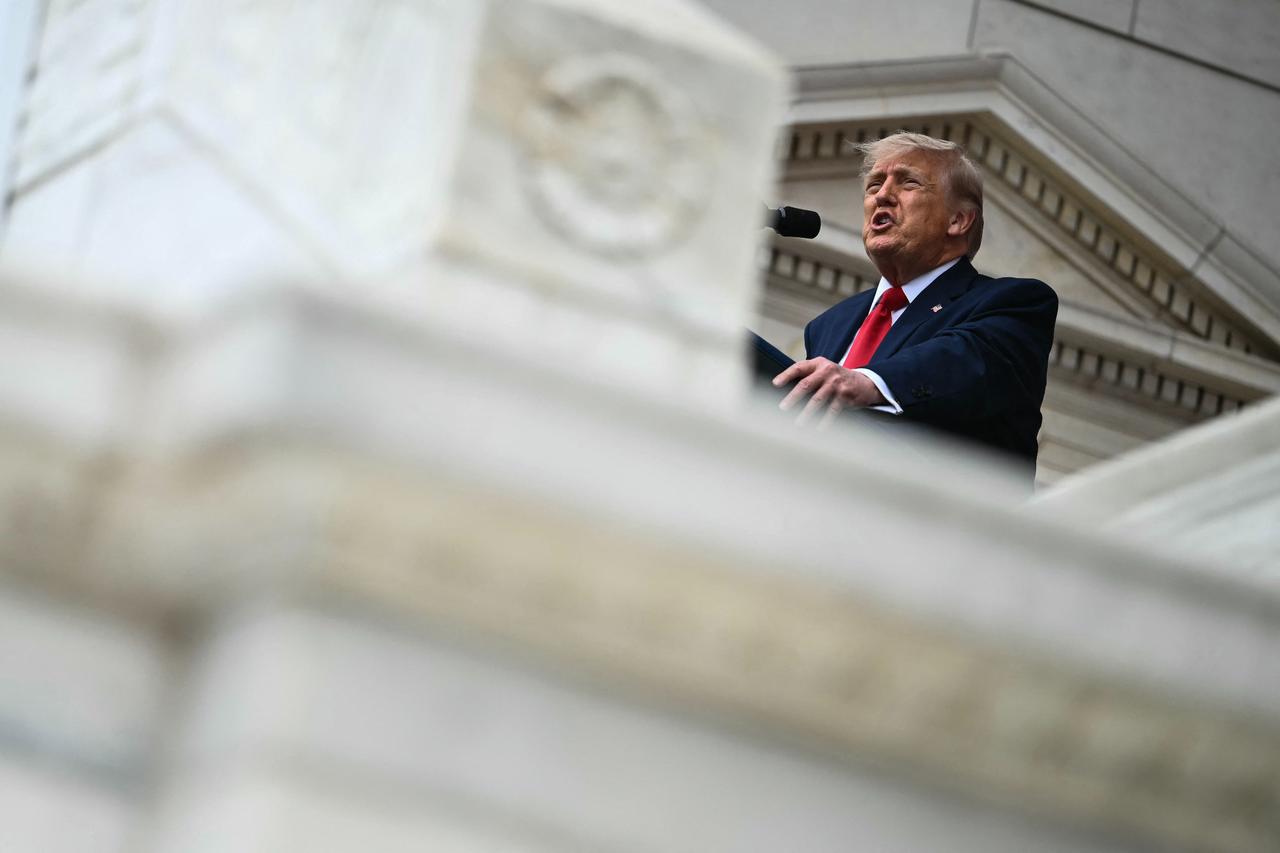
“I think there's strong alignment and agreement on what a preliminary draft should look like. I think, like anything with something like this, it's going to take a couple of days to settle on, even down to the disagreements over a word, sentence,” Rubio, who also serves as President Donald Trump’s national security adviser, told reporters en route to New Delhi.
“If there's going to be a deal, we're going to have to work through that, but this is, you know, it's either going to be a good deal, or there isn't going to be one,” he added.
Rubio also criticized Iran’s efforts to restrict commercial traffic through the Strait of Hormuz.
“There's no country in the world that's in favor of the tolling system, except the regime in Iran. So that's not acceptable. That cannot happen,” Rubio said.
“The straits need to be open, unimpeded, without tolls, and obviously that needs to happen,” he added.
 1 min read
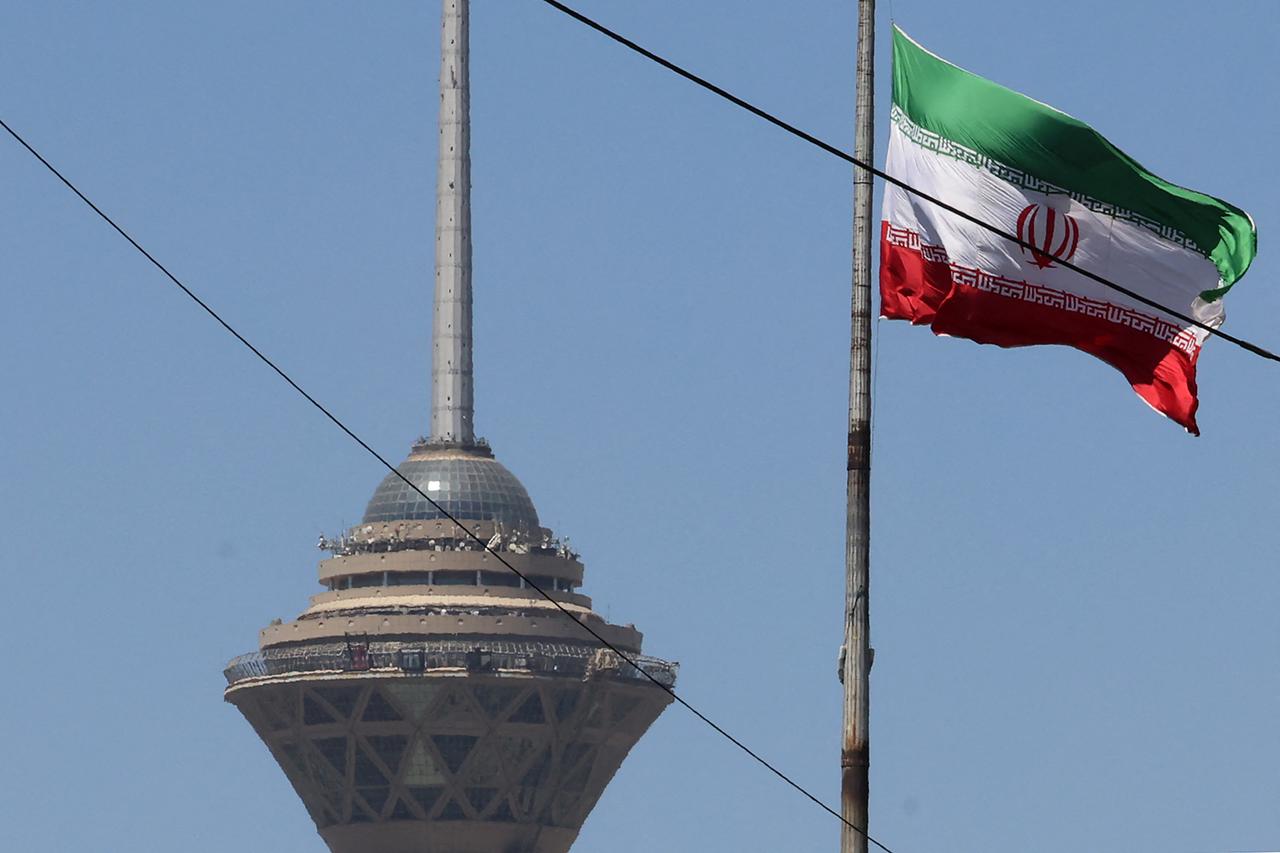
Regional tensions escalated on Feb. 28 when the United States and Israel launched attacks on Iran, prompting Tehran to respond with waves of drones and missiles targeting sites across the region while closing the Strait of Hormuz.
A ceasefire took effect on April 8 through Pakistani mediation, but subsequent talks in Islamabad failed to produce a lasting agreement.
U.S. President Donald Trump later extended the truce indefinitely while maintaining restrictions on vessels traveling to and from Iranian ports through the strategic waterway.
Last week, Trump said the agreement had been “largely negotiated” and was awaiting finalization.


 Set as preferred source
 Set as preferred source


 1 min read