Newsletters


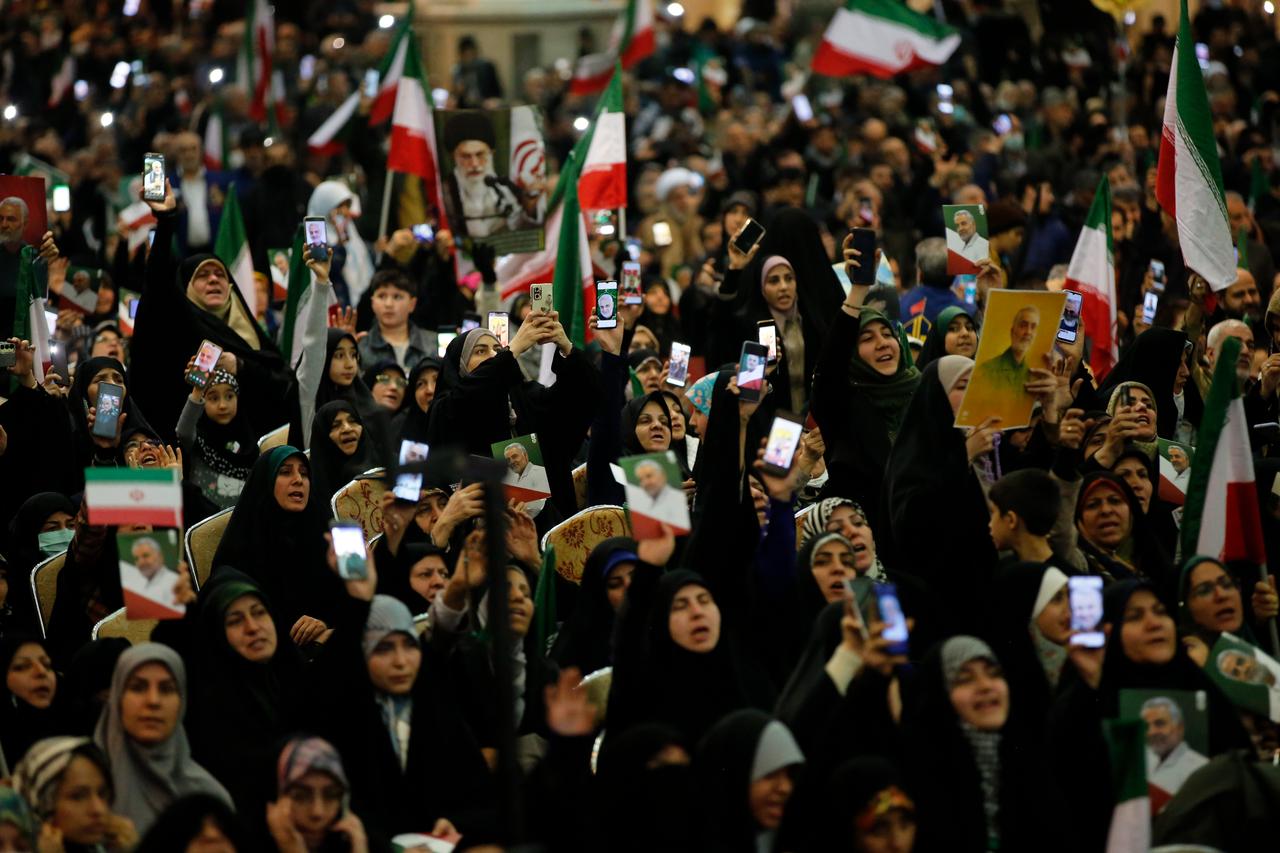


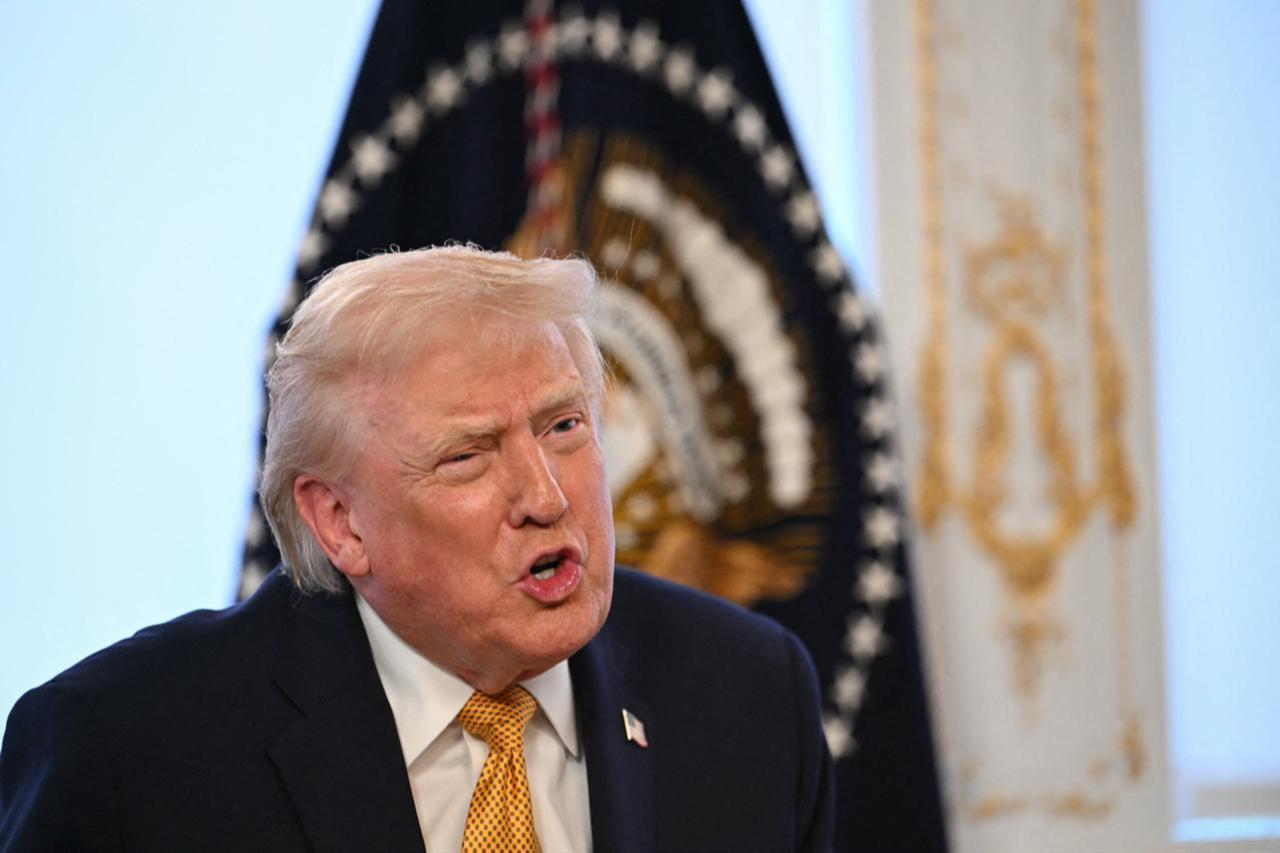
Iran’s Foreign Ministry warned Friday that any attack on the country would prompt a “swift and comprehensive” response, reacting sharply to remarks by United States President Donald Trump threatening intervention if Iranian authorities use force against protesters.
According to Iran’s official news agency IRNA, the Foreign Ministry issued a written statement condemning Trump’s comments, which it said violate international law and encourage violence against the Iranian people.
The ministry said the U.S. threat was part of Israel’s policy of escalating tensions in the region, adding that “Iran’s response to any attack will be swift and comprehensive.”
It warned that any such action would further destabilize the region and said Washington would bear responsibility for the consequences.
Trump said Friday that the United States would “come to the rescue” of Iranian protesters if authorities “violently kill peaceful protesters,” adding that the U.S. was “locked and loaded and ready to go.”
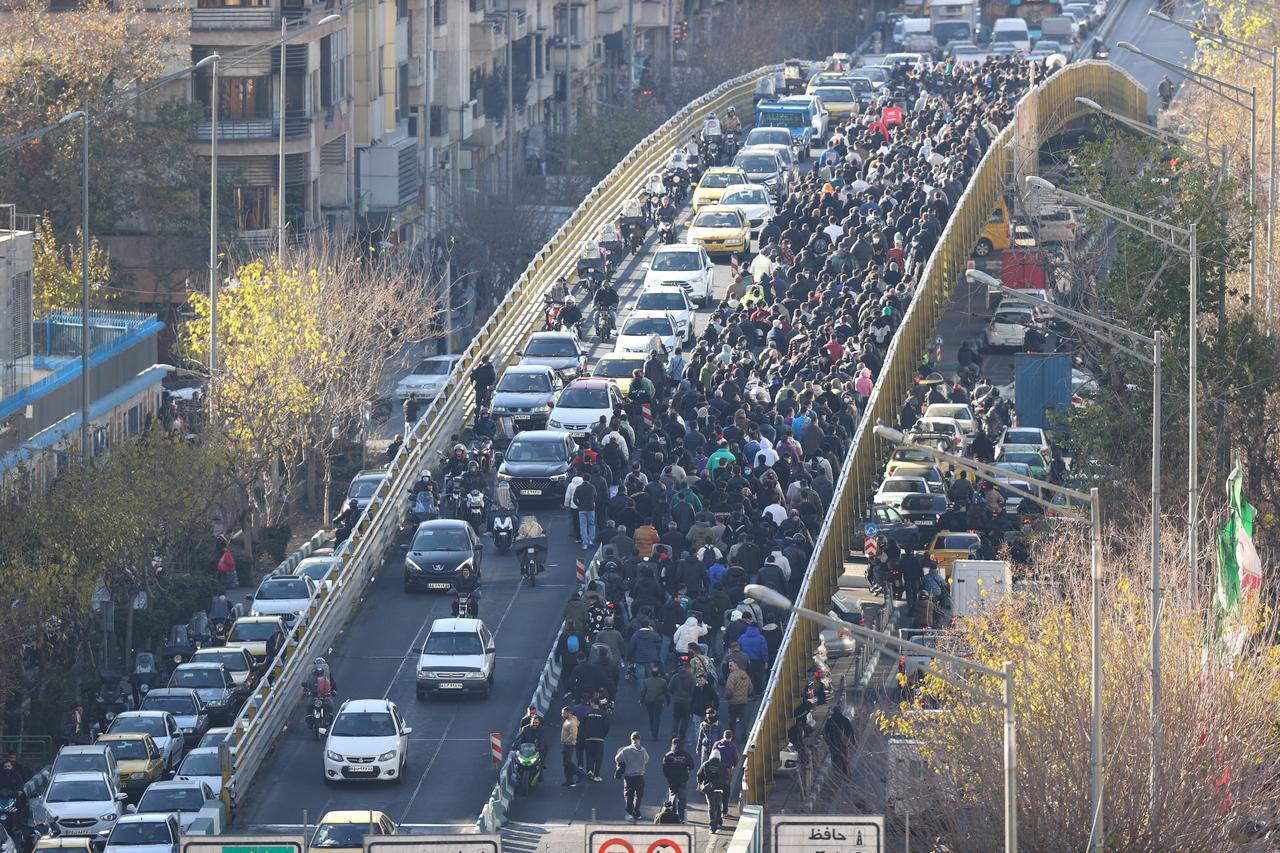

Iranian Parliament Speaker Mohammad Bagher Ghalibaf also reacted strongly, saying “the voice of the devil has risen,” and accusing foreign intelligence services of failing in attempts to turn legitimate protests into violence.
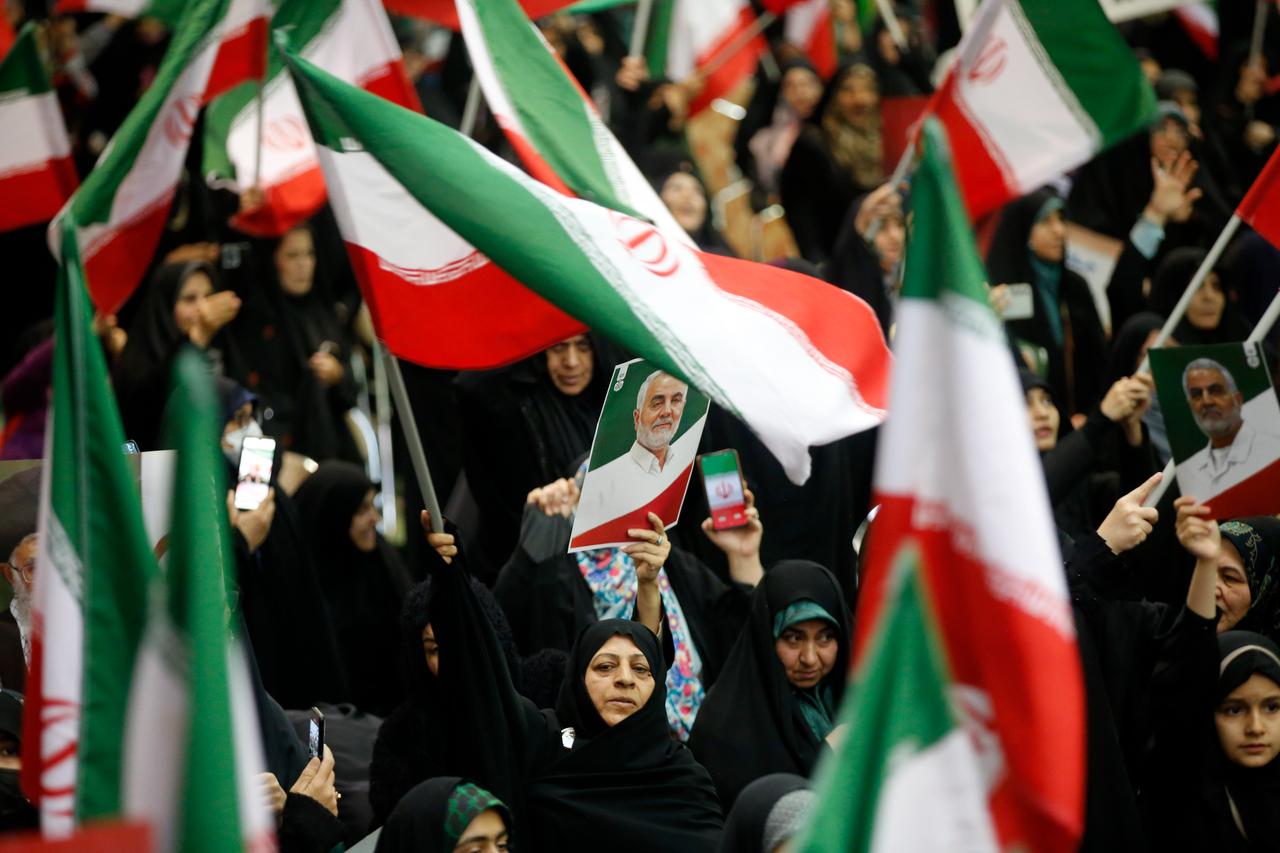
“The disrespectful U.S. president should also know that, with this open confession, in response to any possible adventurist move, all American centers and forces in the region will be legitimate targets for us,” Ghalibaf said. He added that Iranians were united against what he described as an external enemy.
Foreign Minister Abbas Araghchi called Trump’s remarks “reckless and dangerous” and said Iran’s armed forces were “on standby” in the event of any intervention.
Ali Larijani, head of Iran’s top security body, warned that U.S. interference would destabilize the Middle East and damage American interests. “The American people should be mindful of their soldiers’ safety,” he wrote on the U.S.-based social media platform X.
Ali Shamkhani, an adviser to Supreme Leader Ayatollah Ali Khamenei, said any U.S. intervention would face a response, calling Iran’s national security a “red line.”
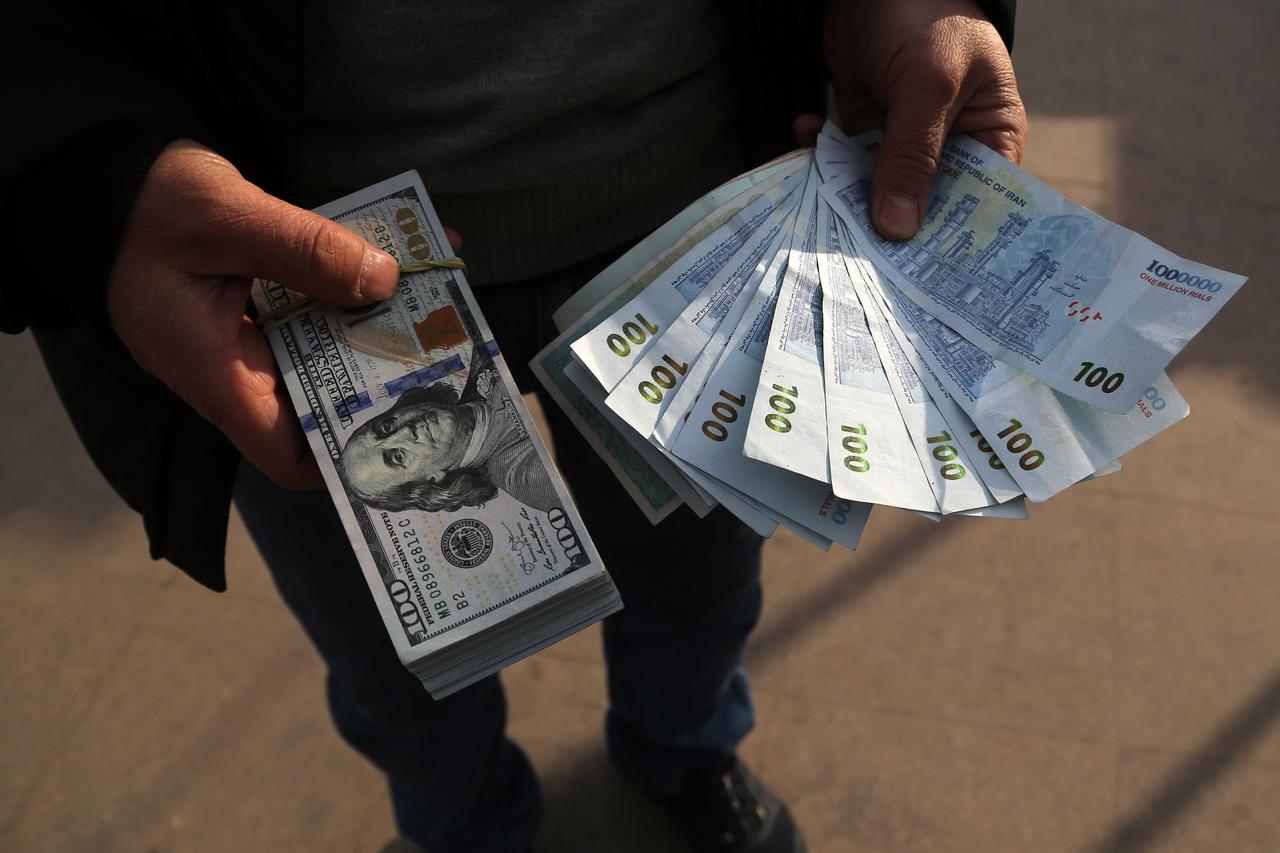
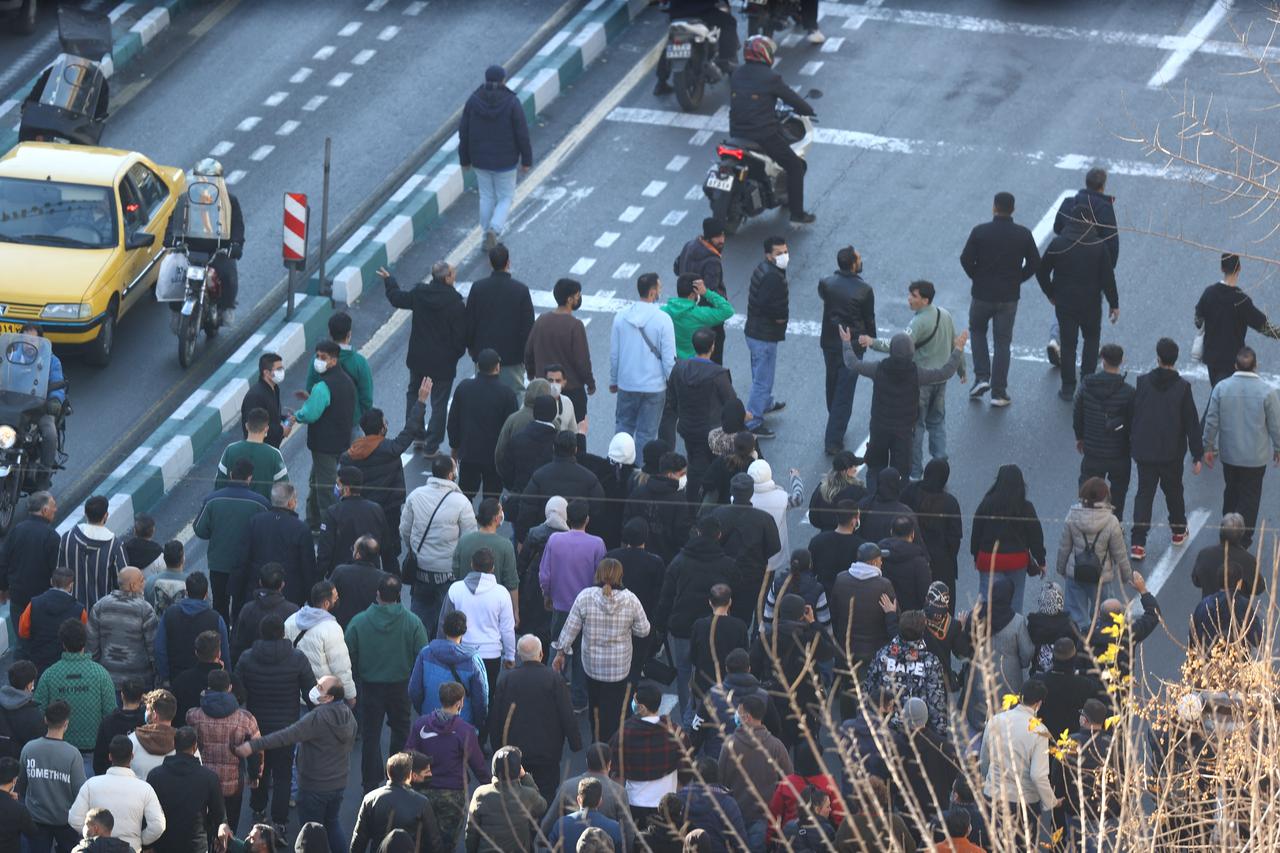
The warnings came as protests spread across Iran amid worsening economic conditions and a sharp depreciation of the national currency. Demonstrators and security forces clashed in several cities Thursday, with six people reported killed, marking the first deaths since unrest escalated.
Shopkeepers in Tehran’s Grand Bazaar went on strike Sunday over high prices and economic stagnation, protests that later spread to other cities and took on broader political demands.
Iranian police acknowledged the economic roots of the demonstrations but warned against unrest. “These protests express the will of the people to improve their living conditions,” police spokesman Said Montazeralmahdi said. “The police clearly distinguish between legitimate demands and destructive actions and will not permit any enemies to transform the unrest into chaos.”
The prosecutor in Lorestan province, where clashes occurred, warned that participation in illegal gatherings and actions disturbing public order would be dealt with “with the greatest firmness.” Officials accused what they called opportunistic and hostile elements of seeking to sow chaos.
The United Nations human rights chief, Volker Turk, urged Iranian authorities to uphold rights to freedom of expression, association and peaceful assembly.
Iran’s economy has been under strain from years of international sanctions over its nuclear program, with high inflation and a rapidly weakening rial fueling public anger. The unrest comes as Iran has also faced setbacks involving regional allies in Gaza, Lebanon and Syria, and following a 12-day conflict with Israel in June in which the United States briefly joined strikes on Iranian nuclear sites.
Protests have affected at least 20 cities, largely in western Iran, according to an AFP tally based on Iranian media reports, though coverage remains limited and many videos circulating online cannot be independently verified.
The demonstrations are smaller than the nationwide protests in 2022 following the death of Mahsa Amini in custody, which left hundreds dead, and the unrest in late 2019 over fuel price hikes that escalated into calls to topple Iran’s leadership.
According to Iranian reports, protests that began Dec. 28, 2025, over the currency’s sharp depreciation spread nationwide. During unrest in Lorestan on Dec. 31, a 21-year-old Basij member was killed and 13 police officers were injured. On Jan. 1, two people were reported killed in Chaharmahal and Bakhtiari province, and three others died in an attack on a police station in Azna, Lorestan.
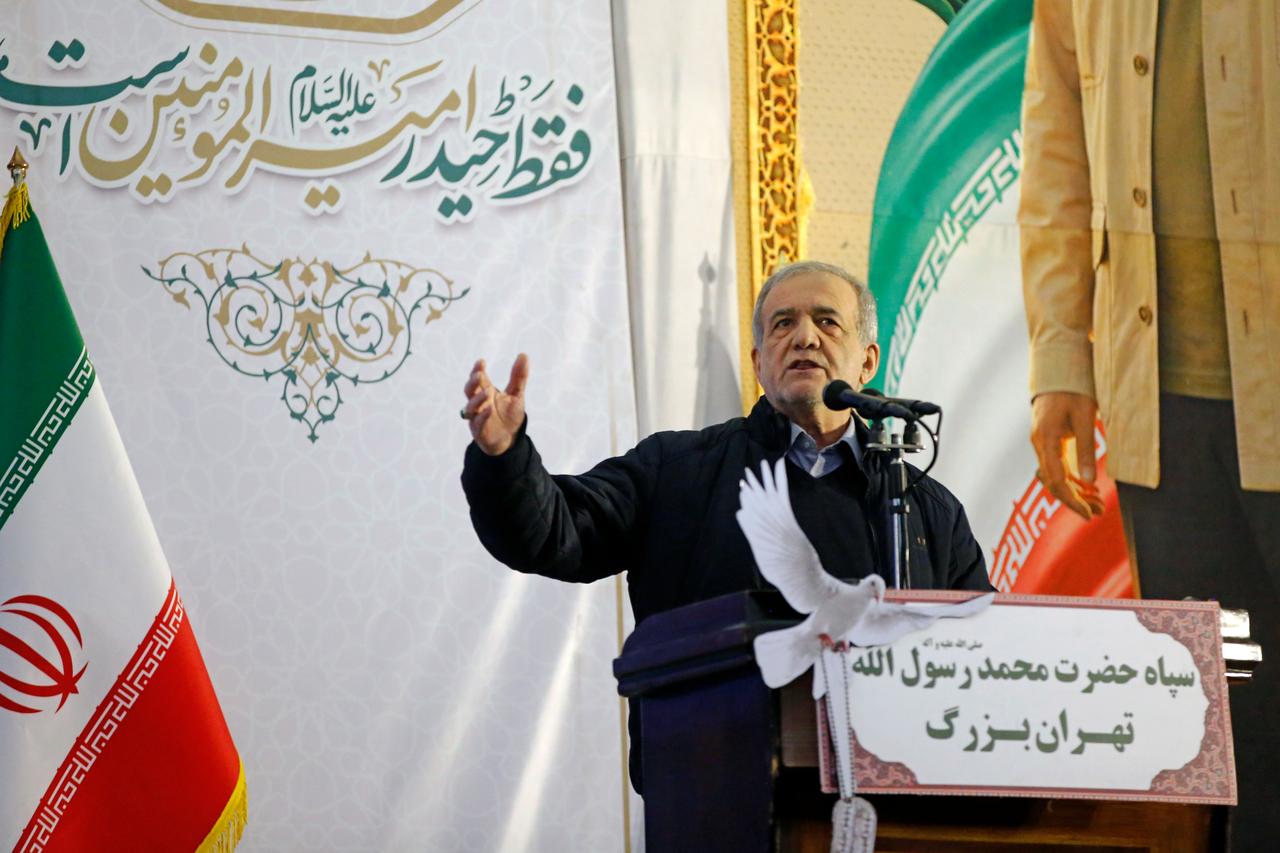
President Masoud Pezeshkian has acknowledged public discontent over the economy, saying the government bears responsibility for current conditions, while officials continue to warn against instability and foreign interference.


 Set as preferred source
 Set as preferred source


 1 min read
 1 min read