Newsletters


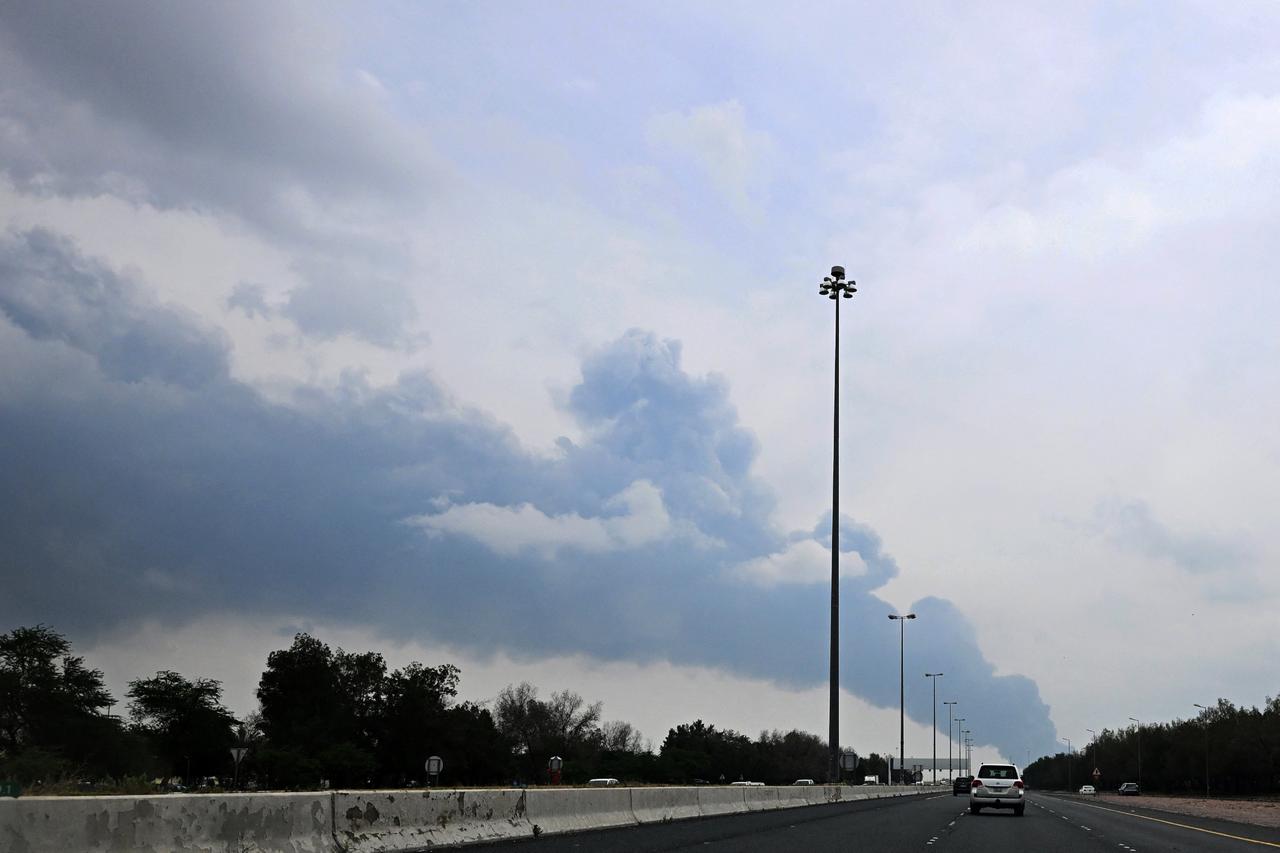
An Iranian drone attack struck fuel tanks at Kuwait International Airport early Wednesday, triggering a massive fire but causing no casualties, Kuwait's state news agency KUNA reported.
The unmanned aerial vehicle targeted a fuel storage facility operated by the Kuwait Aviation Fueling Company (KAFCO), causing significant material damage, according to Kuwait's Directorate General of Civil Aviation.
Firefighting teams deployed to the site immediately.
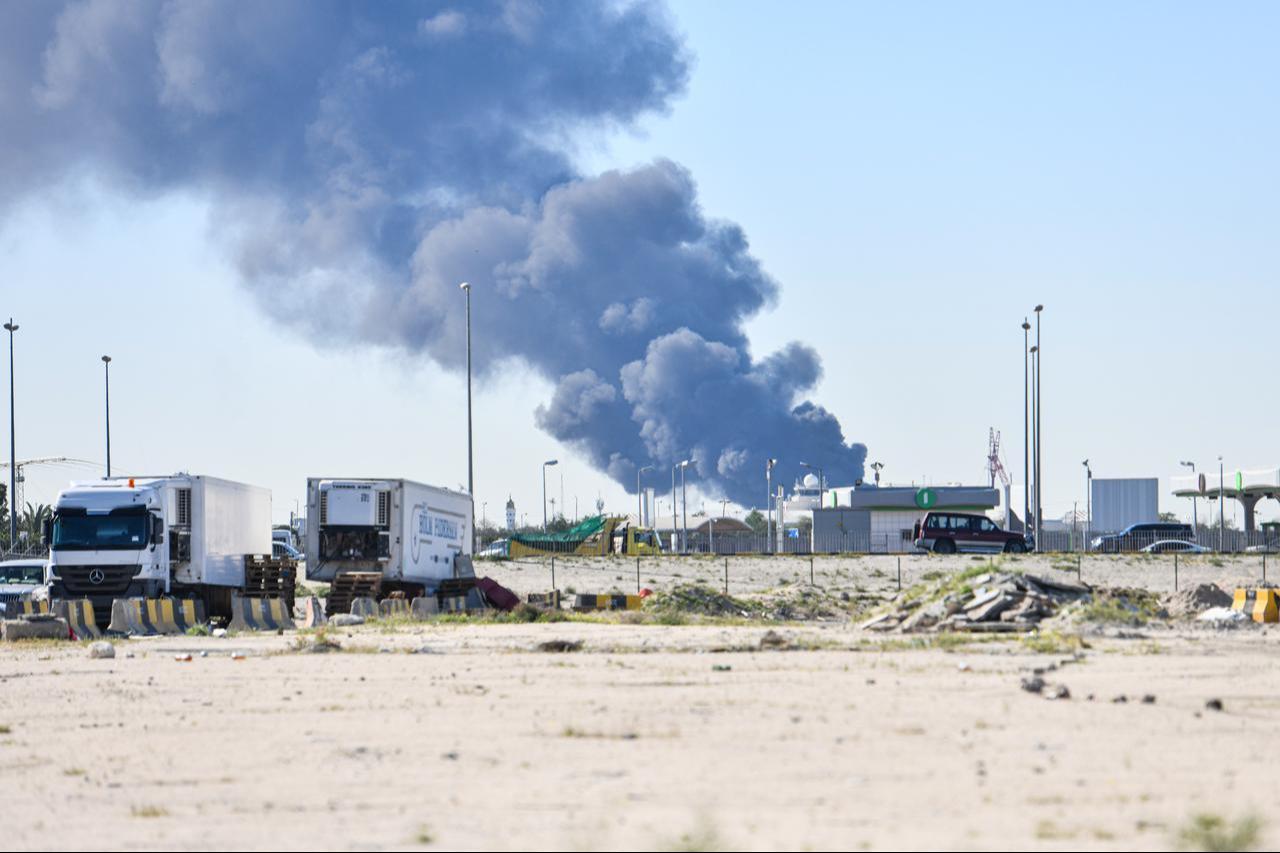

Abdullah Al-Rajhi, official spokesperson for the General Authority of Civil Aviation, said Kuwait International Airport "was subjected to brazen attacks using drones by Iran and the armed factions it supports."
"The attacks targeted fuel tanks belonging to the Kuwait Aviation Fuel Supply Company, leading to a large fire breaking out at the site," Al-Rajhi said.
"Emergency teams immediately began handling the incident, and according to initial reports, the damage is material with no human injuries," Al-Rajhi added.
 1 min read
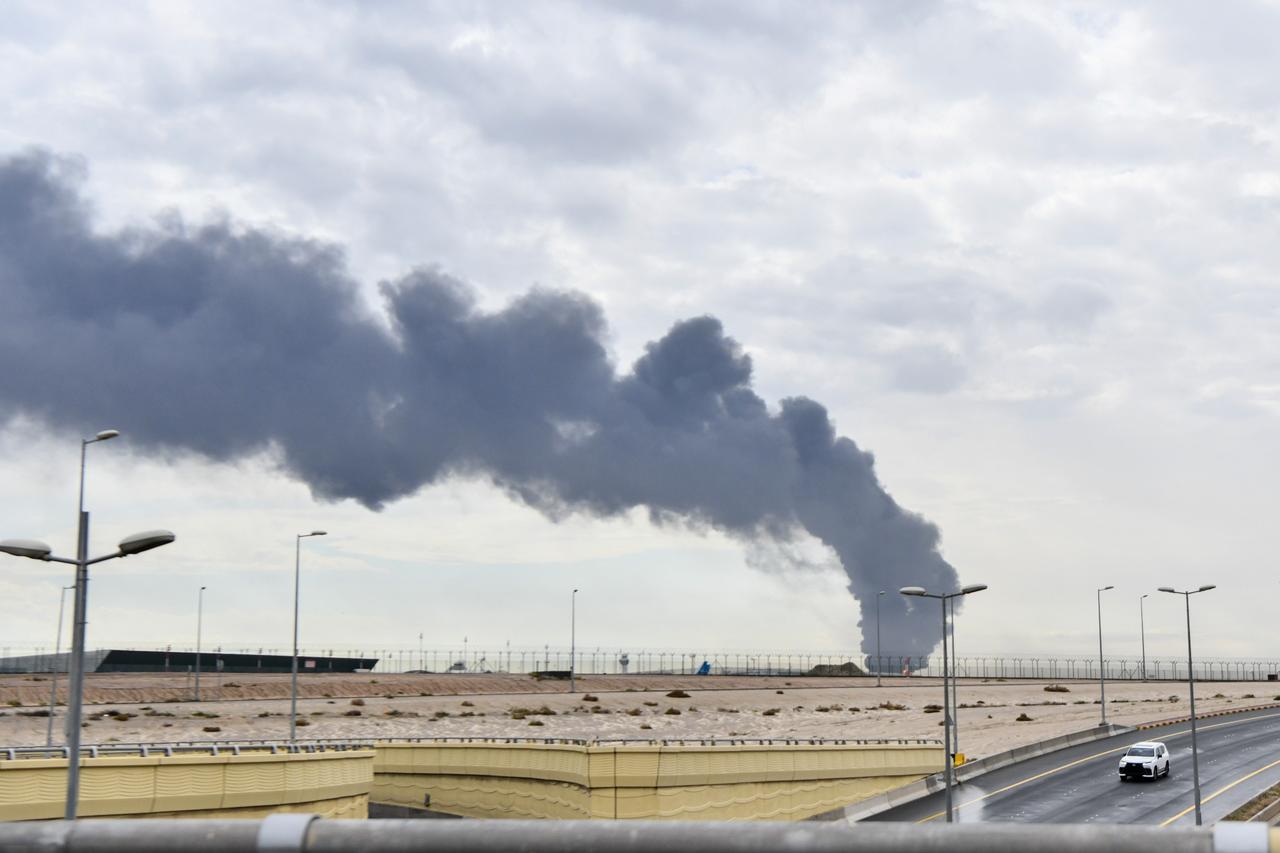
The airport attack came as multiple U.S. Gulf allies reported strikes on Wednesday. Bahrain's Interior Ministry said a fire caused by an Iranian attack on one of its business facilities had been brought under control. Saudi Arabia's defense ministry said several drones were "intercepted and destroyed."
A tanker was also hit in waters off Qatar, the U.K. Maritime Trade Operations (UKMTO) reported. The agency said "the vessel was struck by two projectiles" 17 nautical miles north of Ras Laffan, a major natural gas facility. One projectile caused a fire that was extinguished, while another "remains unexploded within the vessel's engine room," UKMTO said, adding that all crew members were safe with "no environmental impact."
On Tuesday, KUNA reported that an Iranian attack sparked a fire on a Kuwaiti oil tanker at Dubai Port without causing injuries.
1 person was killed in Fujairah, UAE, after debris from the interception of a drone fell in the Al-Rifaa area.
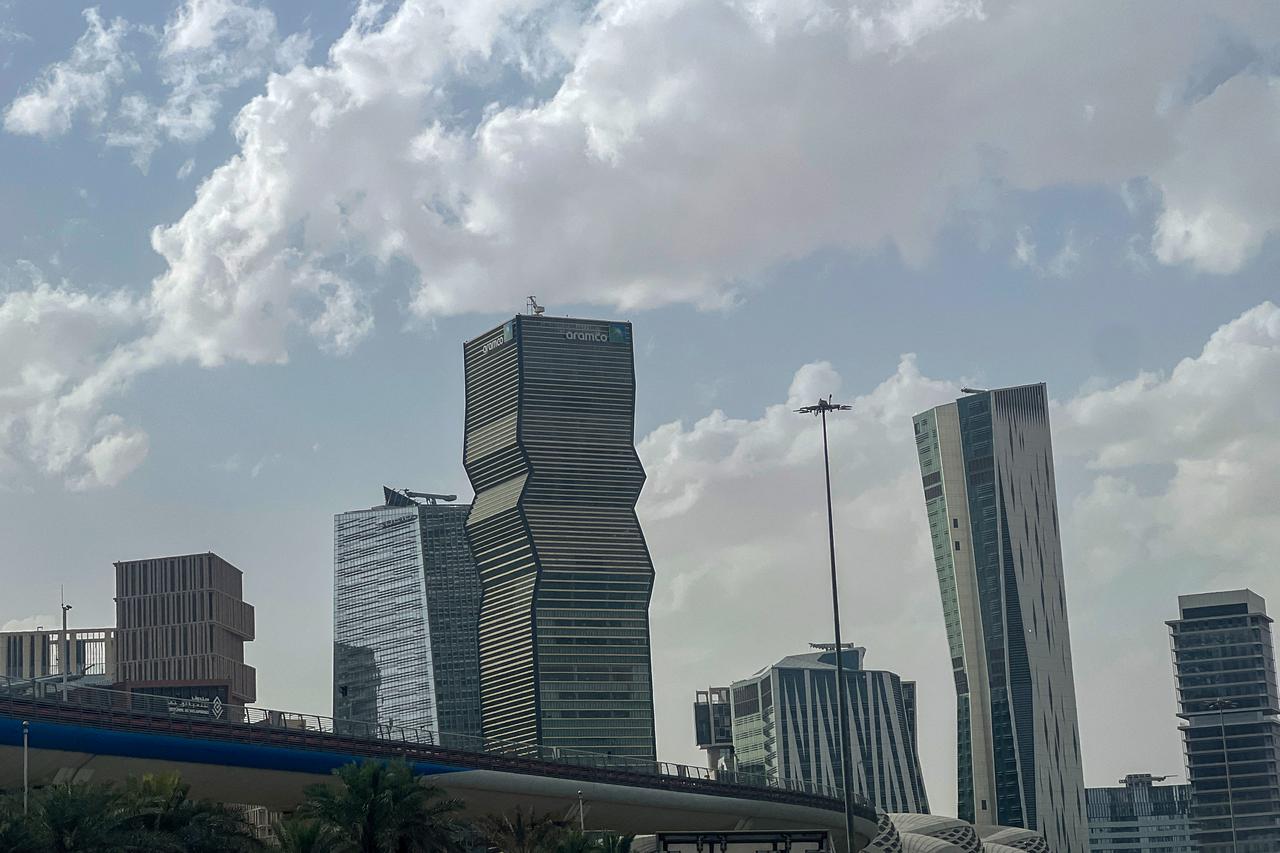
The U.S. and Israel have been carrying out airstrikes on Iran since Feb. 28, killing over 1,340 people, according to Iranian authorities.
Iran has retaliated with drone and missile strikes targeting Israel, Jordan, Iraq, and Gulf countries hosting U.S. military assets.
The conflict has driven up energy prices and disrupted shipping through the Strait of Hormuz, a critical global oil chokepoint through which about 20% of global supply passes each day.
Tehran has threatened to target vital infrastructure across the Gulf, including energy sites. The oil-rich region has borne the brunt of Iran's retaliatory attacks since the war began.


 Set as preferred source
 Set as preferred source


 1 min read