Newsletters


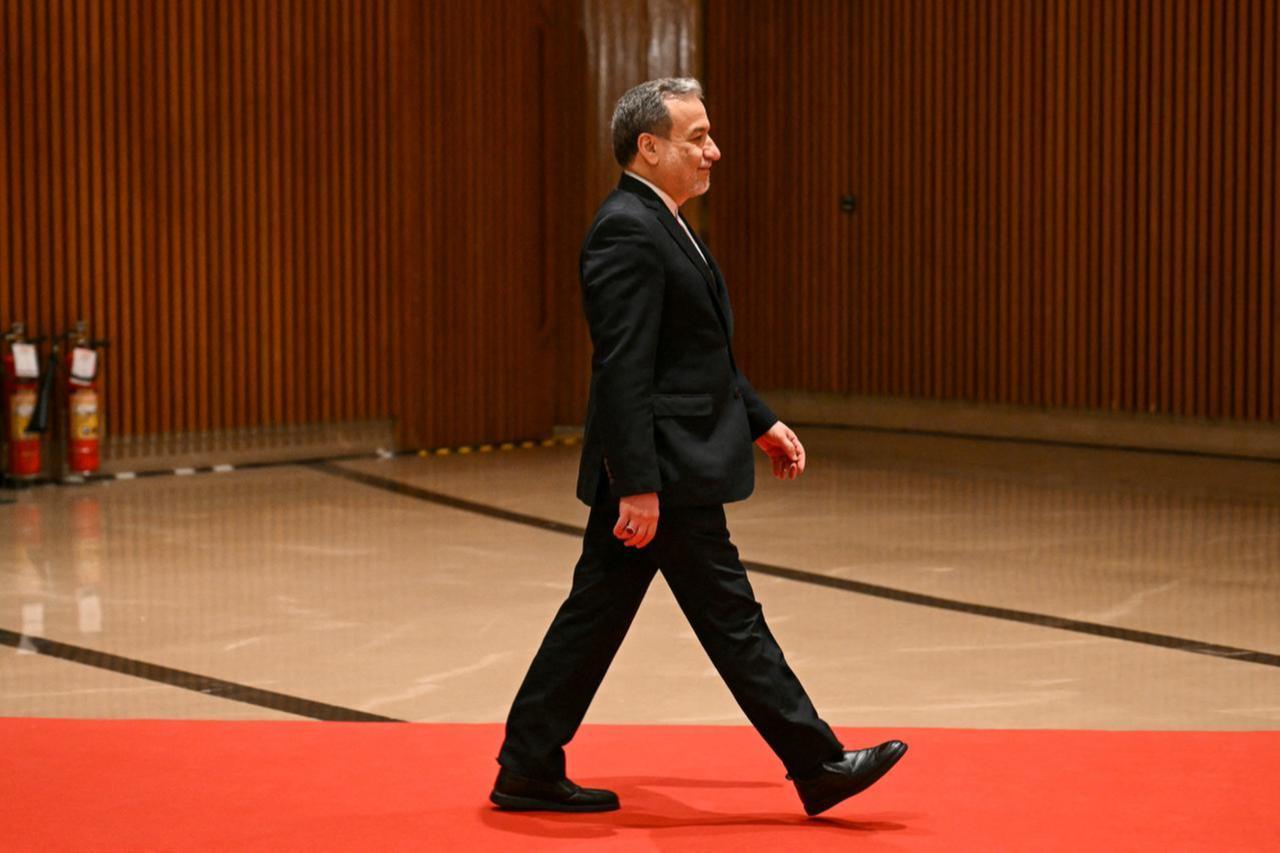


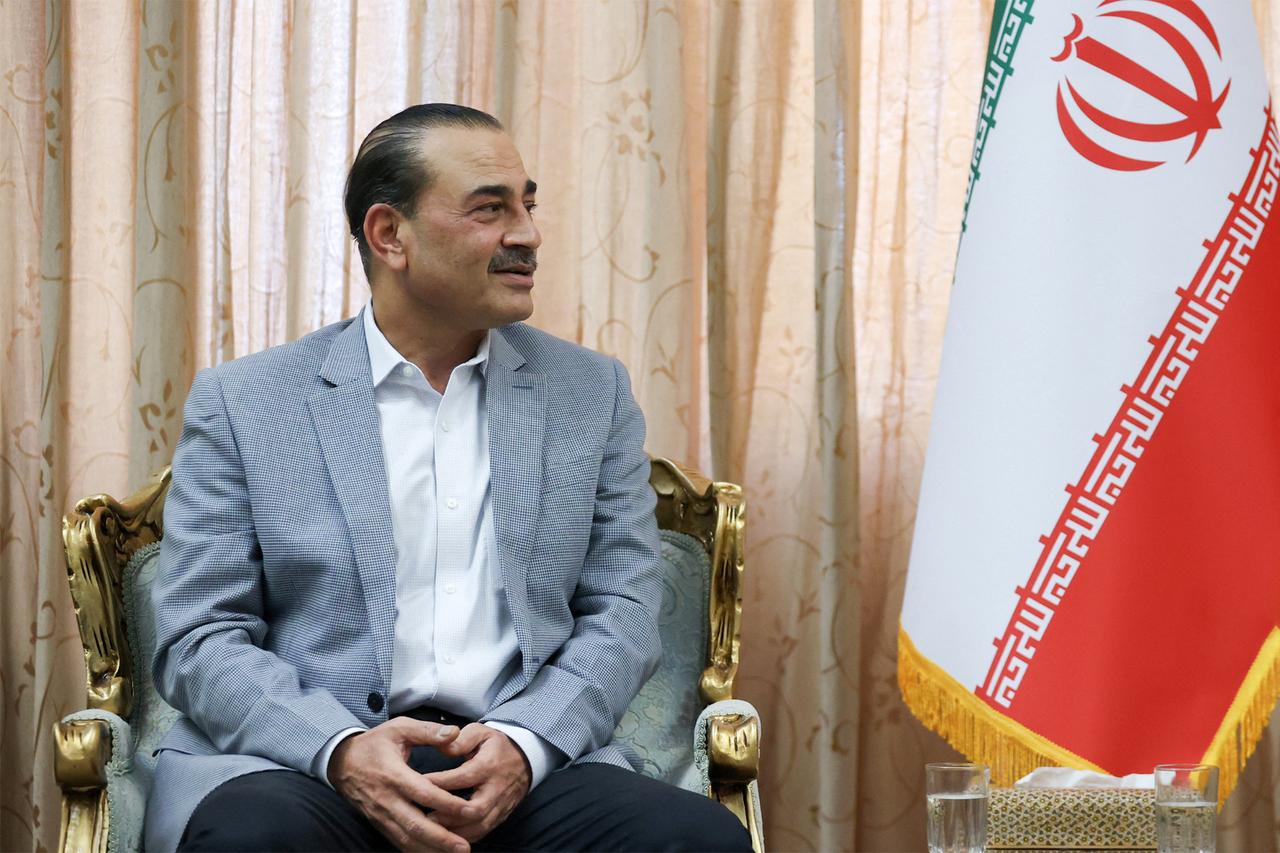
Iran’s Parliament Speaker Mohammad Bagher Ghalibaf and Foreign Minister Abbas Araghchi arrived in Doha on Monday for talks with Qatar’s prime minister amid diplomatic efforts toward a potential U.S. peace deal, according to media reports.
Iranian state media said Ghalibaf, Tehran’s top negotiator, reached Qatar as part of the “diplomatic process” to end the war with the U.S., which began on Feb. 28.
Other Iranian outlets, including Tasnim and Fars, said the delegation also included Araghchi and Central Bank Governor Abdolnaser Hemmati.
A source briefed on the matter told Agence France-Presse (AFP) that Ghalibaf and Araghchi arrived in Doha for talks on ongoing diplomatic efforts to end the conflict.
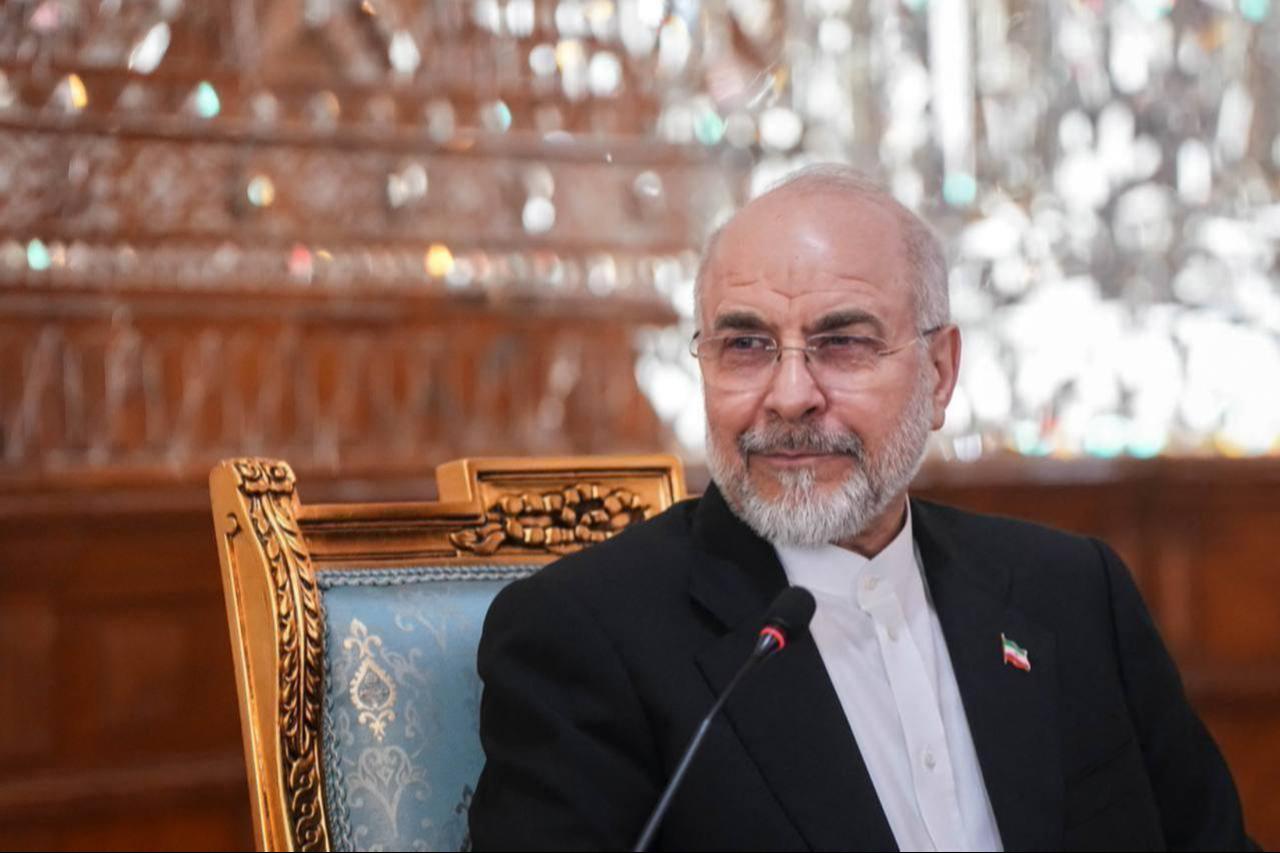

An official briefed on the visit told Reuters that the Iranian officials were expected to discuss two main issues: the Strait of Hormuz and Iran’s enriched uranium.
The source who spoke to AFP said the visit would focus “on issues relating to the Strait and highly enriched uranium.”
The visit comes as both Washington and Tehran have said some progress has been made toward a possible peace agreement, though a final deal has not yet been reached.
Iranian state news agency IRNA said the visit was part of the diplomatic process and that talks would be held to end the war.
 1 min read
Hemmati joined the delegation to discuss the possible release of frozen Iranian funds as part of any eventual agreement, according to reports.
A source briefed on the matter told AFP that the central bank governor was part of the delegation “to discuss the issue of frozen funds, which is addressed in the MoU as part of an eventual final deal.”
Iranian state broadcaster IRIB reported that Hemmati’s visit followed a trip by a Qatari delegation to Tehran a few days earlier to discuss Iran’s frozen assets, citing unspecified sources.
Iran has been seeking the release of frozen assets held abroad, including those in Qatar, as part of Pakistan-mediated negotiations with the U.S.
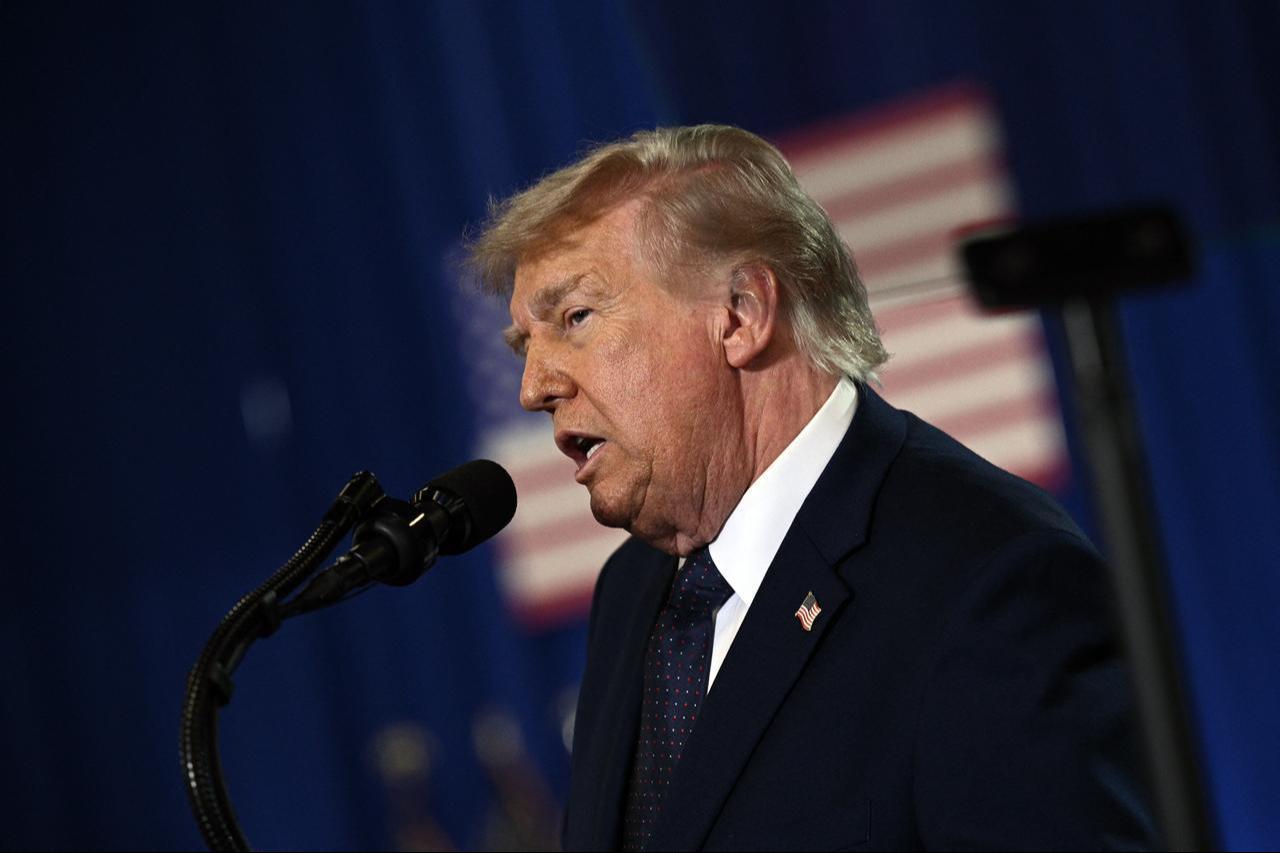
Regional tensions have escalated since the U.S. and Israel launched strikes against Iran in February.
Tehran responded with strikes targeting Israel and U.S. allies in the Gulf, along with the closure of the Strait of Hormuz.
A ceasefire took effect on April 8 through Pakistani mediation and was later extended indefinitely by U.S. President Donald Trump.
On Saturday, Trump said an agreement with Iran to end the conflict had been “largely negotiated” and was awaiting finalization.


 Set as preferred source
 Set as preferred source


 1 min read