Newsletters


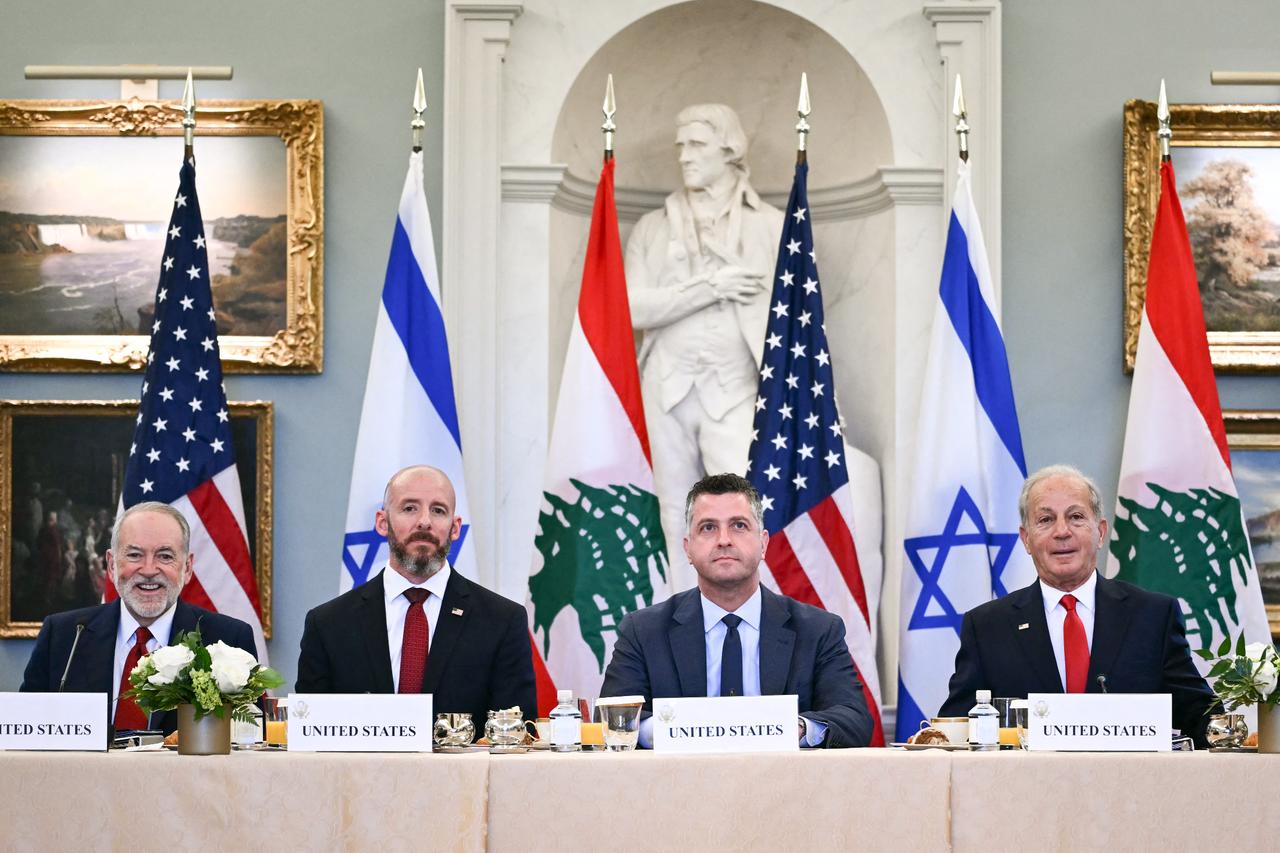


Israel and Lebanon reached a framework agreement at the U.S. State Department establishing “pilot zones” where the Lebanese Armed Forces would assume exclusive control and Hezbollah would be excluded.
The announcement was met with immediate resistance from the group, which said it did not recognize the talks, while Lebanese state media reported Israeli drone strikes in the south within hours.
The agreement, the product of two days of negotiations, the final session running over six hours, represented the most formal diplomatic progress between the two countries since the latest Israel-Hezbollah war began in March.
But significant questions surrounded how, and whether, it would be enforced.
"The ceasefire is contingent on a complete cessation of Hezbollah fire and the evacuation of all Hezbollah operatives from the South Litani Sector," the joint statement said.
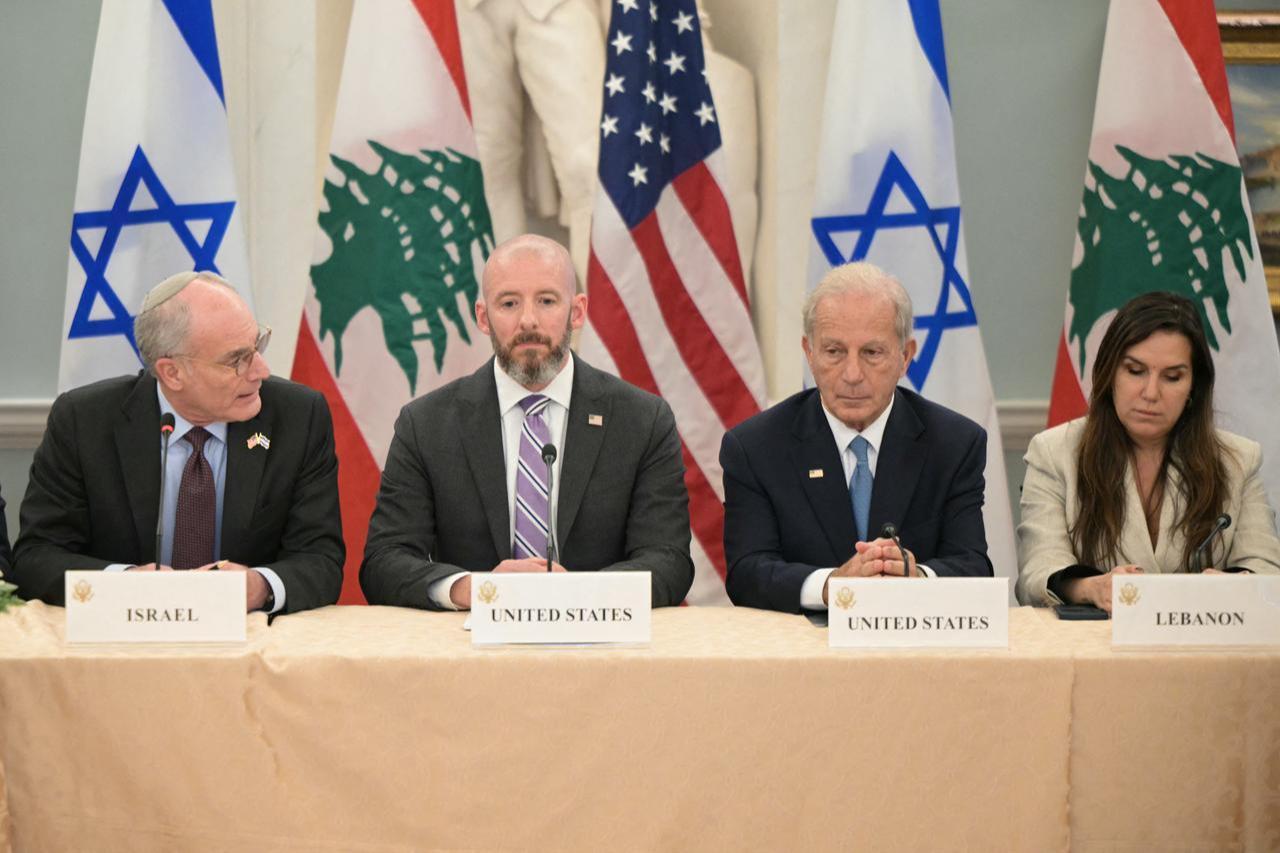

Under the framework, Israel and Lebanon agreed to create designated areas in southern Lebanon in which the Lebanese Armed Forces would hold exclusive control over territory, with all non-state actors, meaning Hezbollah, excluded.
In return, Israeli forces would withdraw from those areas.
The joint statement said the move was intended to "enable progress towards a comprehensive peace and security agreement," with the parties agreeing to hold another round of negotiations on June 22 in Washington to forge a comprehensive agreement.
Both governments reaffirmed that they have "no hostile intent toward one another". They discussed a security framework that includes "the dismantlement of non-state armed groups and the prevention of their re-emergence."
The statement also condemned Iran's attacks on countries in the region and its activities that "undermine stability throughout the Middle East, whether through support for proxies and all other acts of aggression."
It added: "All countries reaffirmed that the future of the relationship between Israel and Lebanon must be decided by the two sovereign governments. They rejected any attempt, by any state or non-state actor, to hold Lebanon's future hostage."
Before the announcement, U.S. Secretary of State Marco Rubio said he hoped the talks would produce "an action plan on a track for security in Lebanon, independent from Hezbollah."
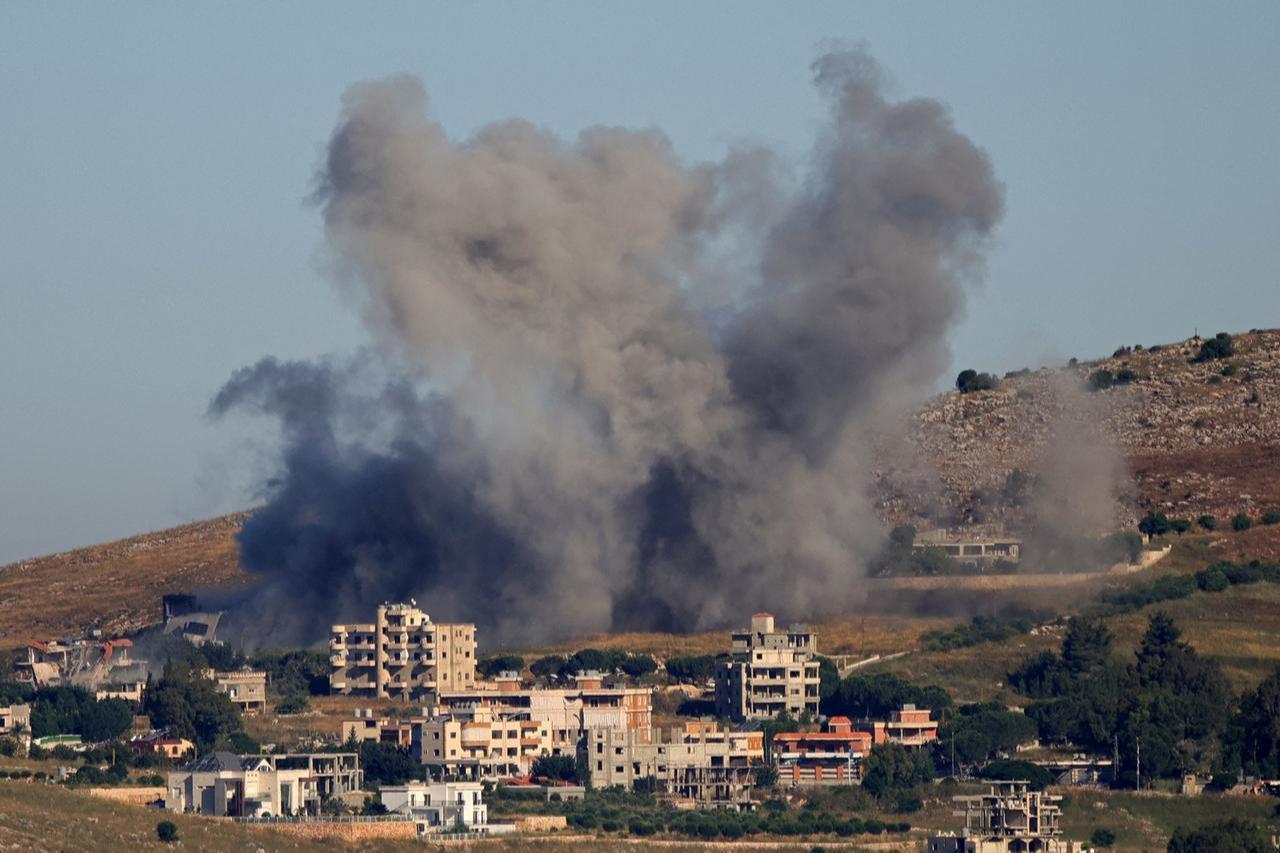
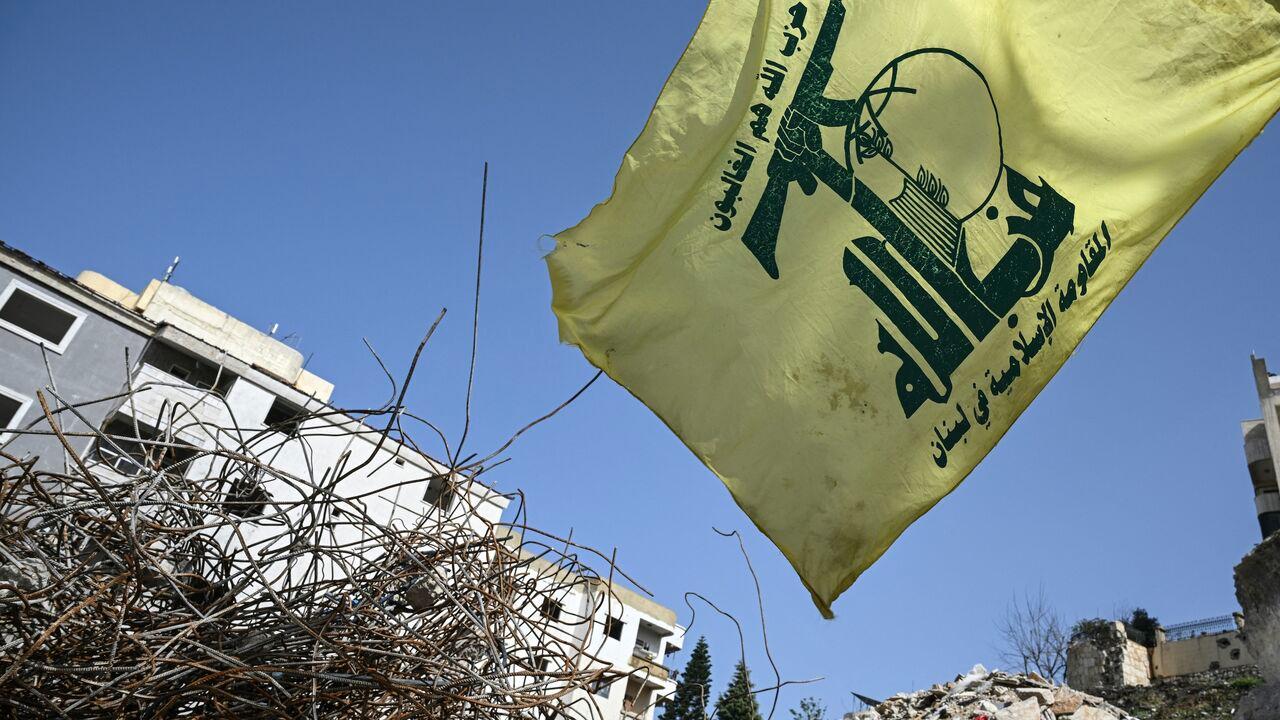
Whether the deal holds depends on Hezbollah's compliance, and the group signaled it had no intention of cooperating. Mahmoud Qamati, a member of Hezbollah's political council, told the BBC: "There was no ceasefire agreement, just the protection of Dahieh."
On the Washington talks themselves, he was unequivocal. "We think these negotiations do not concern us, nor do we recognize their findings or decisions, because we have rejected them on principle," Qamati said.
Hezbollah has not yet commented publicly on Wednesday's joint statement.
The framework faces a credibility test from the start. Lebanese state media reported Israeli drone strikes on southern Lebanese roads Thursday morning, hours after the announcement, with the National News Agency saying at least one caused casualties.
On the Israeli side, hardline National Security Minister Itamar Ben-Gvir dismissed the deal harshly. "A serious mistake and the pipe dream of advisers who are dragging the prime minister into incorrect decisions," he wrote on X.
"Hezbollah will only grow stronger, and instead of defeating it Israel is coming to terms with its very existence. There are moments when one must know how to say 'no' even to the president of the United States, and when we don't do so we will meet Hezbollah next time when it is much stronger and more dangerous."
The talks were preceded by a sharp escalation. Last week, Netanyahu ordered the military to intensify strikes on Hezbollah and deepen Israel's incursion into Lebanon.
On Monday, Trump intervened, in what Axios described as an expletive-laden call with Netanyahu, halting a planned massive Israeli strike on Beirut. After that call, a partial ceasefire was announced: Israel would refrain from striking Beirut and Hezbollah would stop targeting Israeli communities along the border.
Neither side fully honored that arrangement. Hezbollah conducted several drone attacks against Israeli targets over the following 48 hours as Israel continued to strike southern Lebanon.
At least 3,516 people have been killed in Lebanon since the war began on March 2. More than 1 million people have registered as displaced. Evacuation orders cover more than an eighth of the country.
Israel has reported 26 soldiers and four civilians killed on both sides of the border.


 Set as preferred source
 Set as preferred source


 4 min read