Newsletters


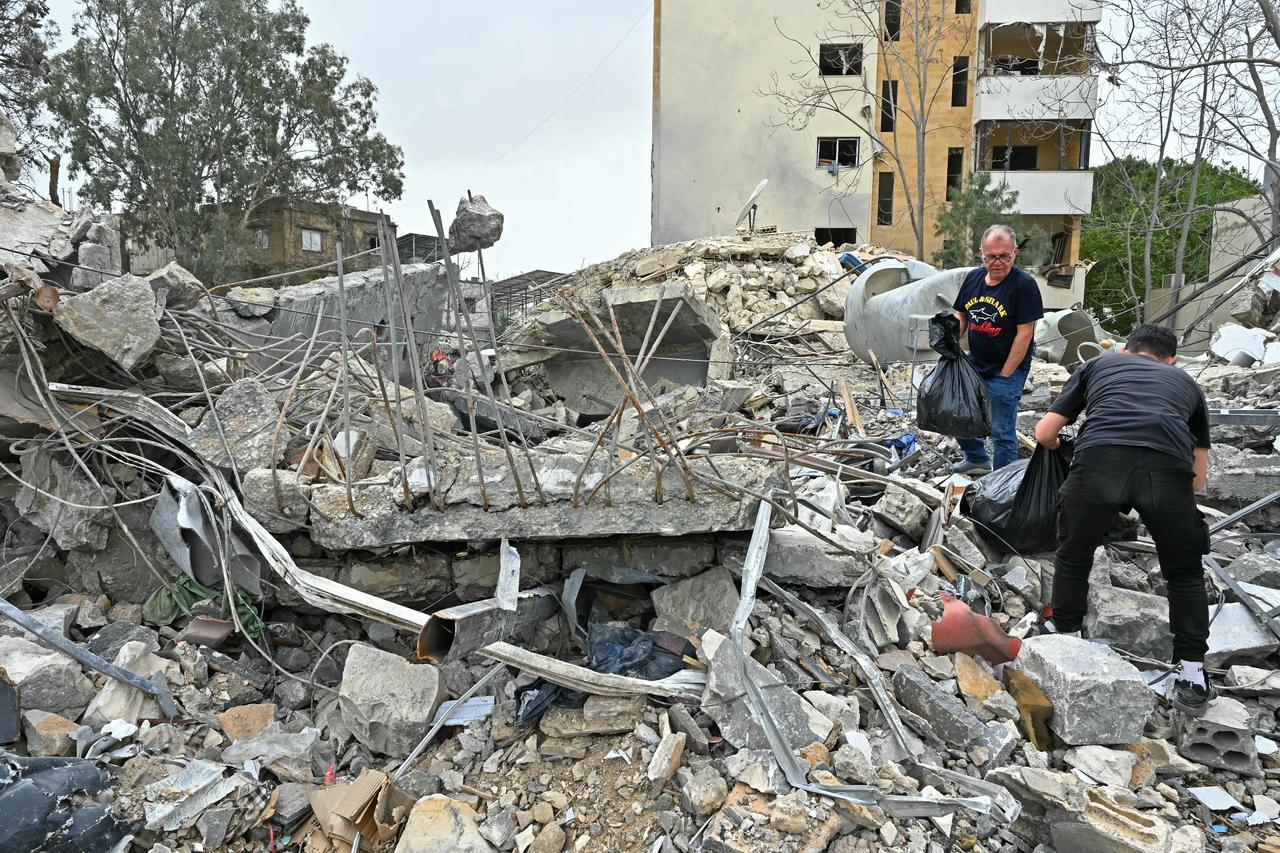


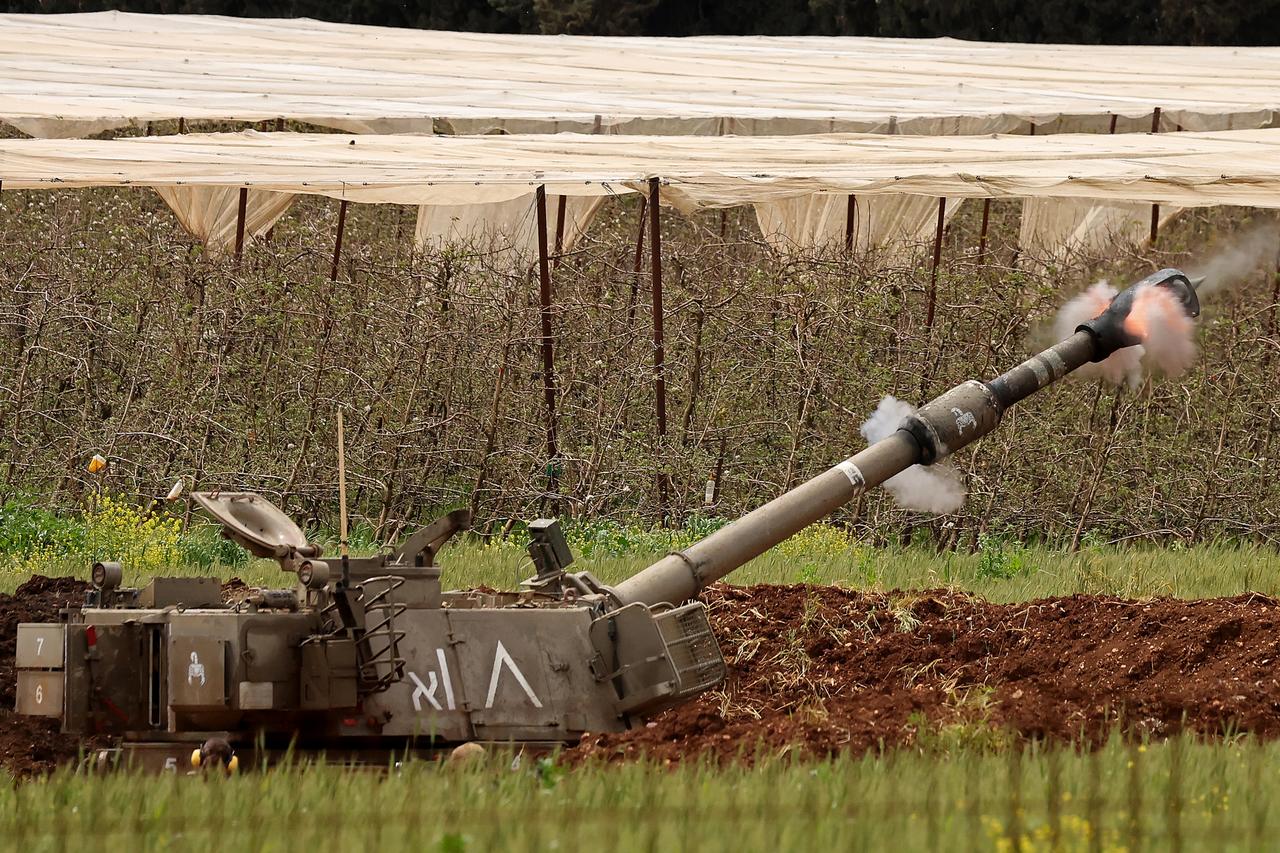
Israel's military said Saturday it had established a "Yellow Line" in southern Lebanon following a ceasefire with Hezbollah, describing it as a demarcation similar to the one separating Israeli forces from Hamas-held areas in Gaza and saying it had carried out strikes against what it called threats near its troops.
The military said that over the past 24 hours, forces operating south of the Yellow Line in southern Lebanon had identified "terrorists" who, it said, violated ceasefire understandings and approached troops from north of the line in a way that posed an immediate threat.
"In order to eliminate the threat... forces attacked the terrorists in several areas," the military said, adding that it was authorized to act against threats. "Actions taken in self-defence and to remove immediate threats are not restricted by the ceasefire," it said.
Later Saturday, the military said the air force had eliminated a "terrorist cell" operating near troops in southern Lebanon.
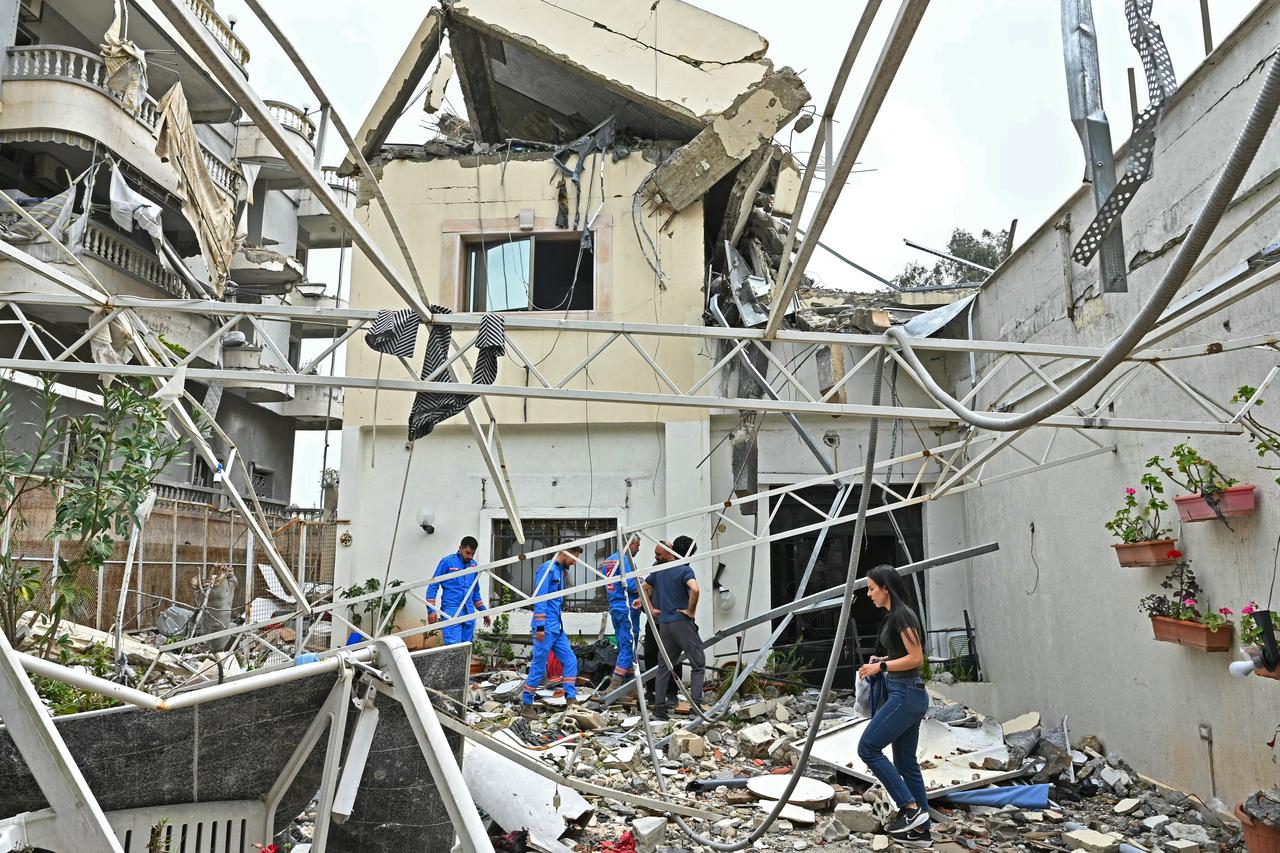

"The IDF eliminated a terrorist cell operating in proximity to IDF soldiers in southern Lebanon, in the area of the forward defence line," it said, referring to the Yellow Line.
The military did not specify how many suspected militants were killed in the airstrike.
It also said it struck an underground shaft in the area south of the forward defence line, as well as Hezbollah fighters it said were identified entering it.
"Additionally, the IDF struck an underground shaft in the area south of the forward defence line, as well as Hezbollah terrorists who were identified entering it. A hit was identified," it said.
Since a ceasefire came into effect in Gaza on Oct. 10, the Palestinian territory has been split by a "Yellow Line," described as the de facto boundary dividing Gaza into two zones, one under Israeli military control and one under Hamas control.
Israel and Lebanon agreed to a 10-day ceasefire on Thursday in order to negotiate an end to six weeks of war between Israel and the Iran-backed group Hezbollah.
The war included massive Israeli airstrikes across Lebanon as well as a ground invasion in the south.
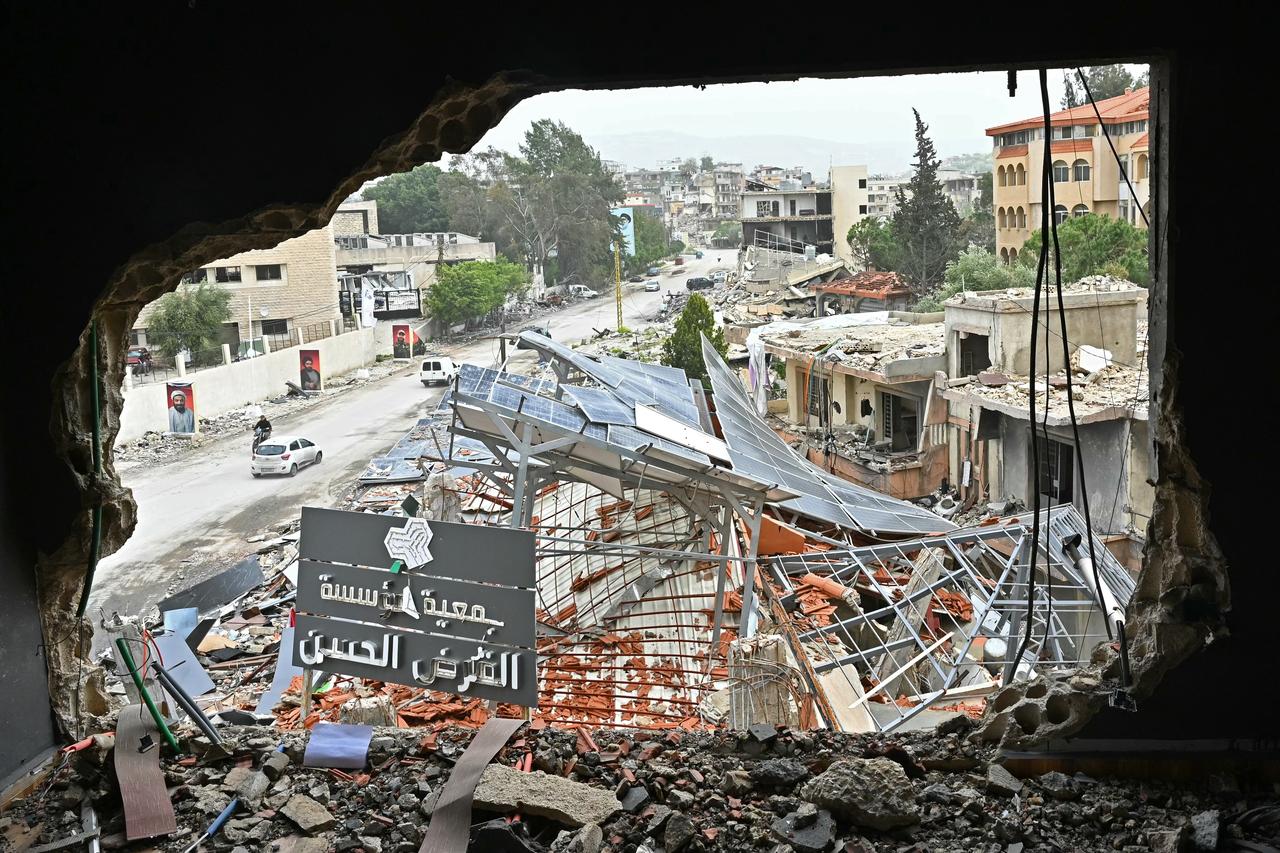
Lebanese authorities say the war, which began on March 2, has killed nearly 2,300 people and caused widespread devastation in southern towns and cities such as Nabatiyeh.
Hezbollah halted military operations after the ceasefire came into effect, but said it was keeping its "finger on the trigger" in case Israel violated the truce.
Lebanese President Joseph Aoun said Friday that "direct negotiations" with Israel are "crucial" and that the government aims to "consolidate a ceasefire, secure the withdrawal of Israeli forces from the occupied southern territories, recover prisoners and address outstanding border disputes."
U.S. President Donald Trump said Washington had "prohibited" Israel from bombing Lebanon following the ceasefire deal and that the U.S. would work with Lebanon to "deal with" Hezbollah.
But Israeli Prime Minister Benjamin Netanyahu said Israel had not "yet finished the job" on Hezbollah and vowed to continue with the group's "dismantling" just hours after the truce came into effect.


 Set as preferred source
 Set as preferred source


 1 min read
 1 min read