Newsletters


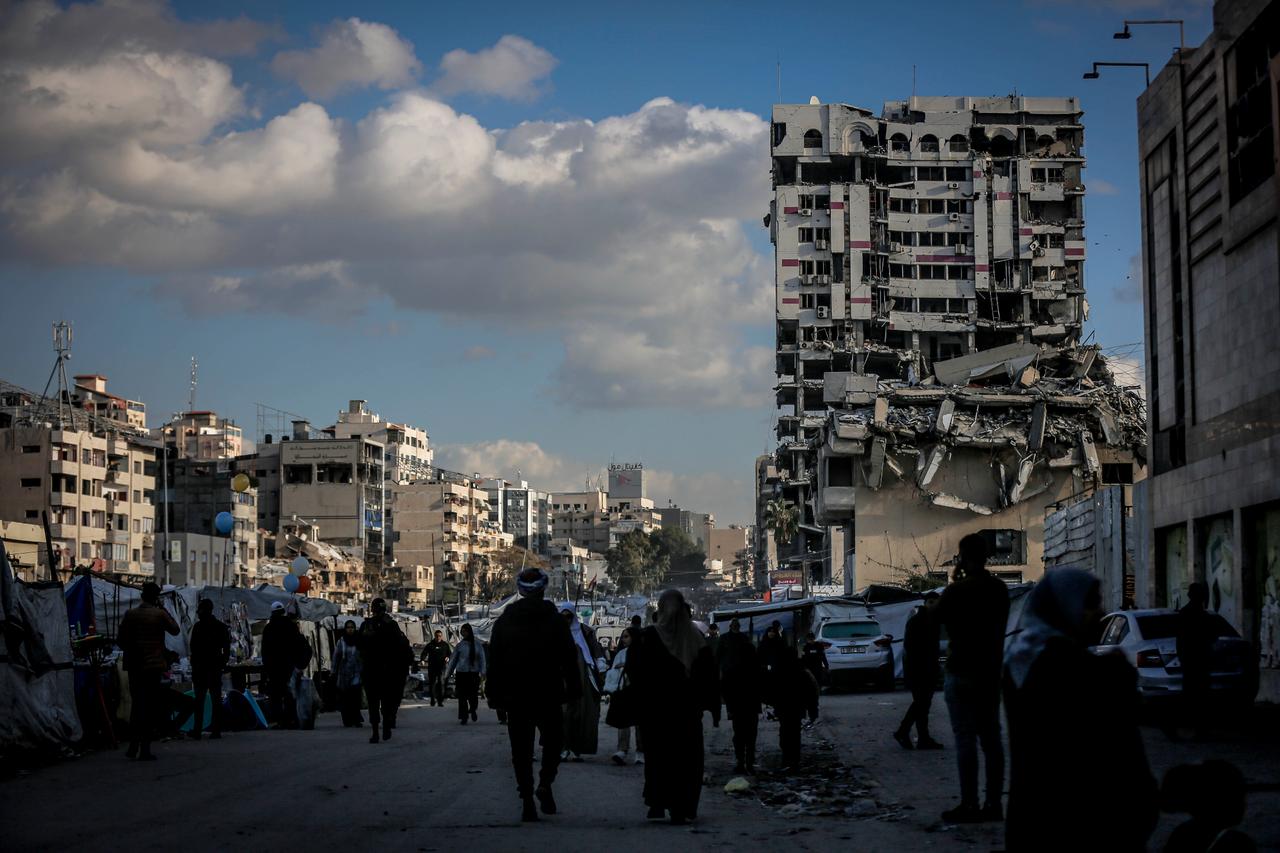


Egyptian thinker and journalist Fahmi Huwaidi said Israel is attempting to sabotage the Gaza ceasefire agreement, while Türkiye's role in the Palestinian cause is "decisive and honorable."
"Israel is reluctant to implement the agreement. It is consciously blocking the process," Huwaidi told state-run Anadolu Agency on Saturday.
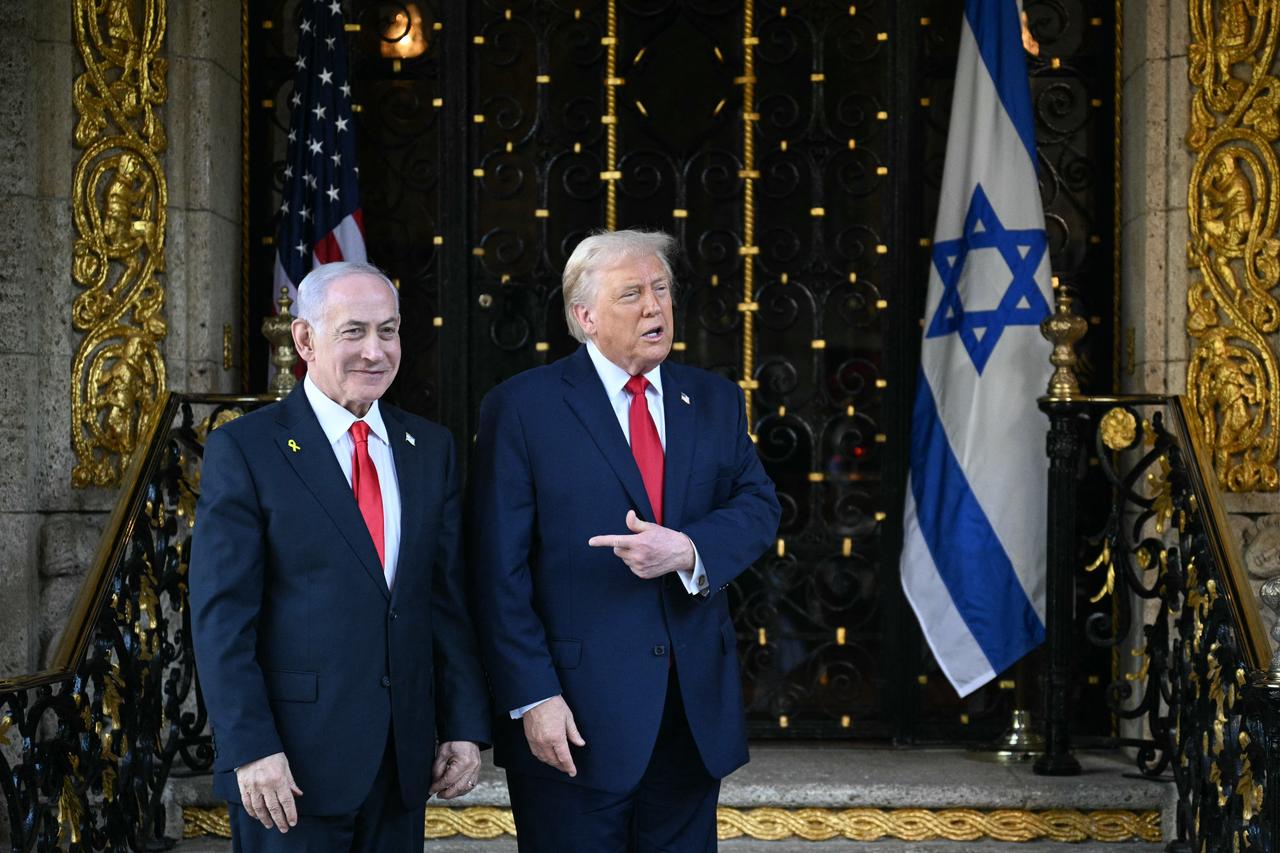
Huwaidi said Israel is acting with the support it receives from the U.S., and the Tel Aviv administration aims to liquidate the Palestinian cause, which is why it wants to undermine the ceasefire.
Huwaidi described the ceasefire agreement as "not perfect but a less bad option under current conditions," noting that its continuation could be possible, especially with Türkiye's presence on the ground.
"A stability force established without Türkiye would be meaningless," Huwaidi said.
He emphasized that Türkiye has assumed "a politically and morally honorable role" in the Gaza ceasefire process.
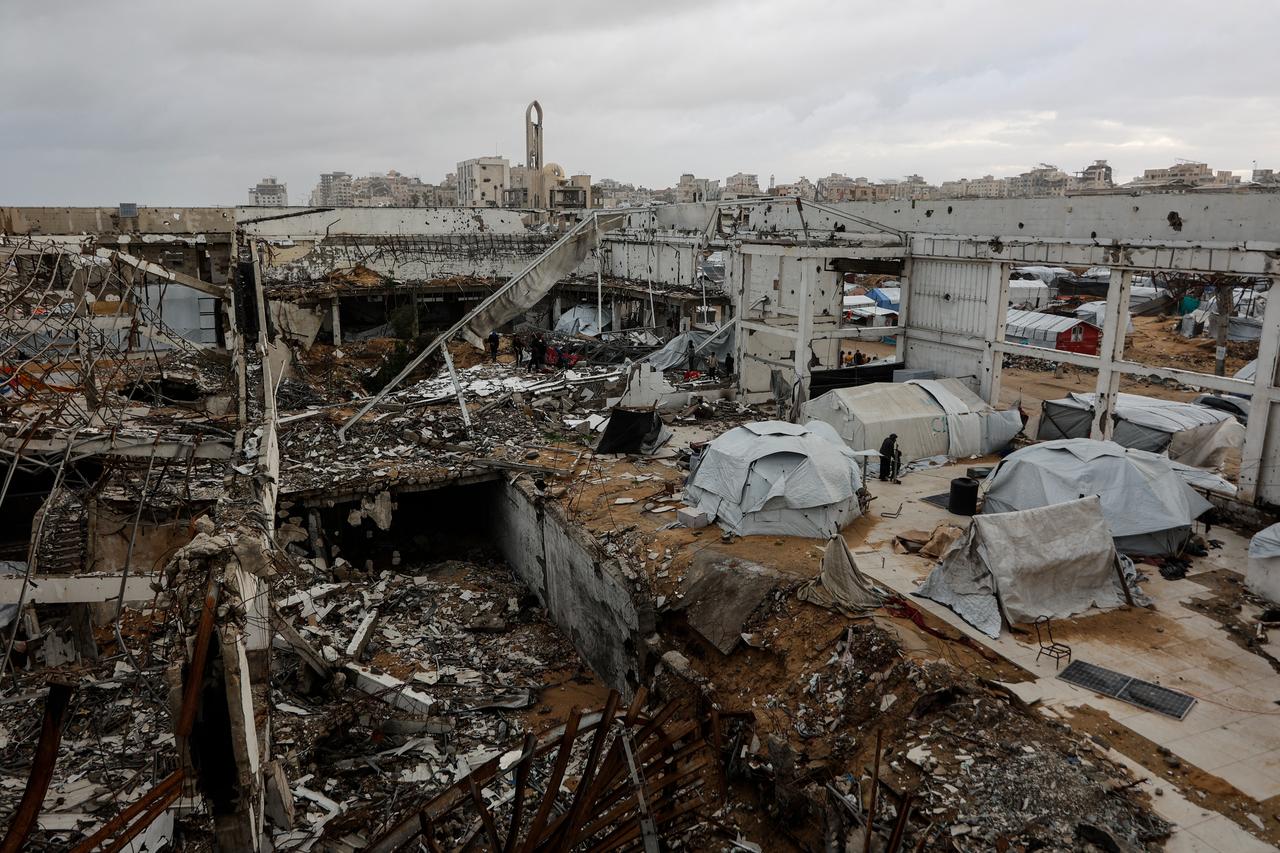
He noted that Türkiye's mediation alongside Egypt and Qatar is important, and said Israel's opposition to Ankara's participation in the international force planned to be deployed in Gaza is an indication of this effective role.

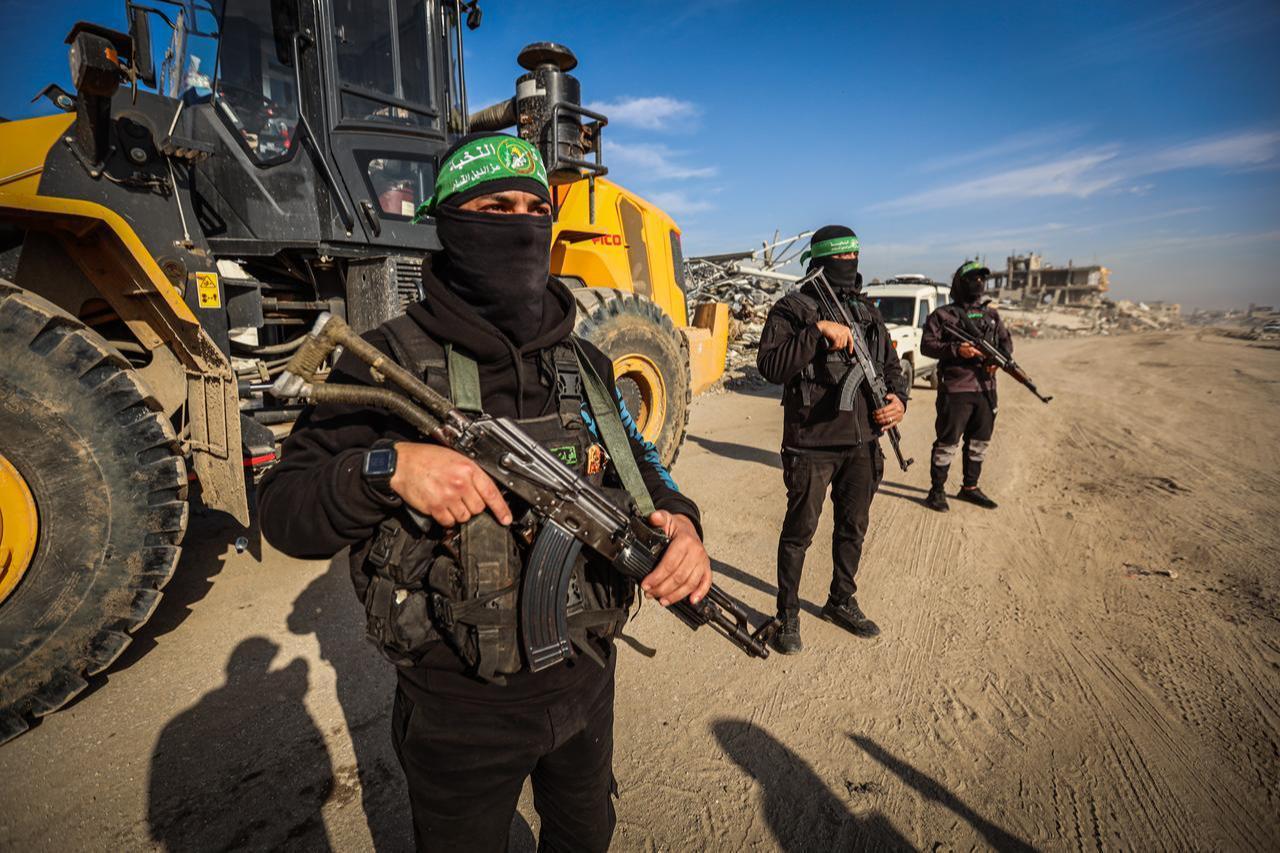
Huwaidi described Israel's attempt to legitimize its attacks solely through Hamas as "a great delusion," saying Hamas is part of Palestinian society and cannot be eliminated as an idea.
"Hamas emerged after the Palestinian cause, but the cause existed before it and will continue to exist after it," he added.
Huwaidi noted that relations between Türkiye and Egypt have improved significantly in recent times, with military cooperation, trade, and political contacts being indicators of this process.
He described this development as "extremely healthy," saying the past tension between the two countries was a serious loss for the region.
Huwaidi said he hopes for the establishment of a broader Islamic-Arab alliance led by Türkiye and Saudi Arabia, with Iran also included.
He noted that Iran's stance on the Palestinian cause cannot be ignored and emphasized that discussions conducted through sectarian divisions do not reflect reality, as "the pain and the cause are common."
Huwaidi described Syria as "the heart of the Arab world," saying Damascus's place in the Arab world needs to be strengthened.
He said Syria needs to "regain its vitality and influence in the Arab world that it has been deprived of for years."
Huwaidi noted that the Assad regime "devastated the country for half a century."
He also said he found Saudi Arabia's diplomatic initiatives in Yemen and Sudan positive and that these efforts should be supported for regional stability.
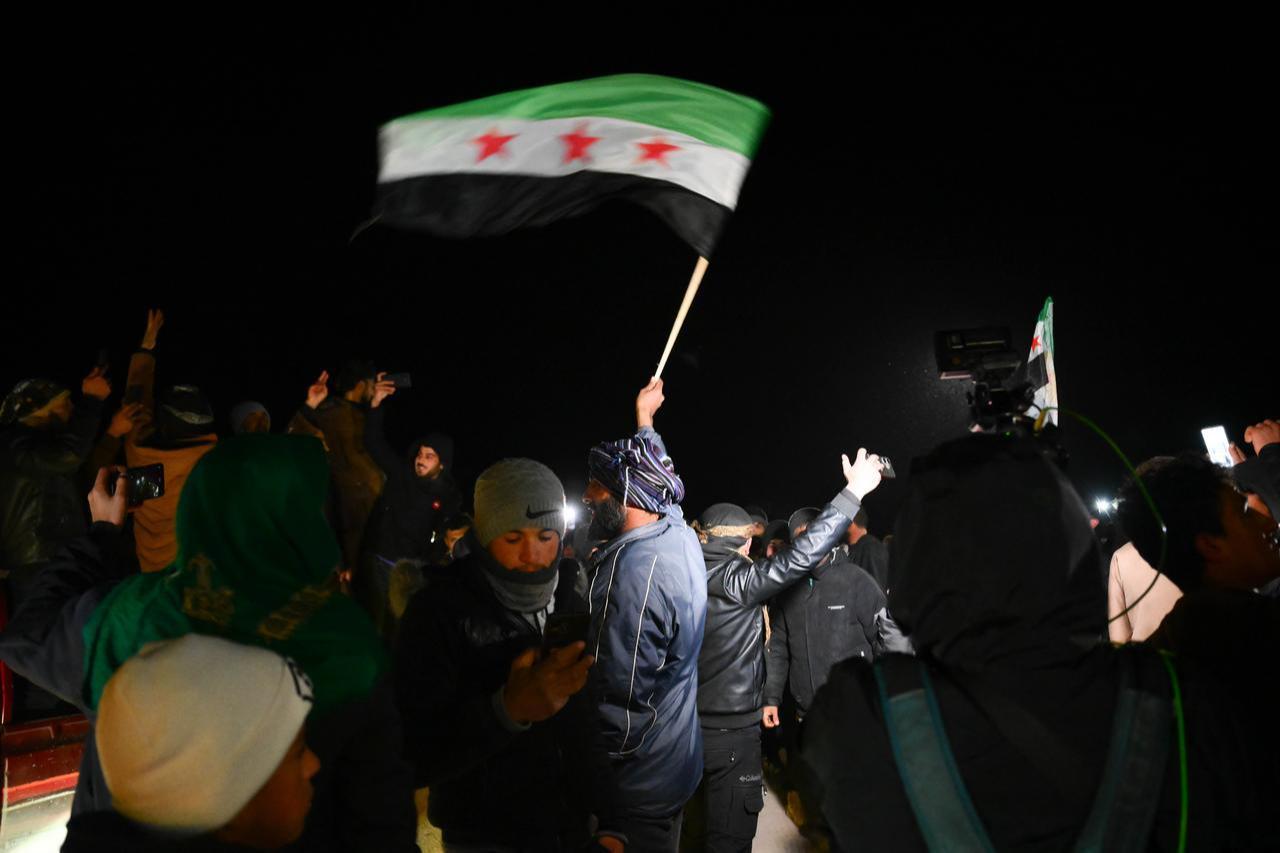
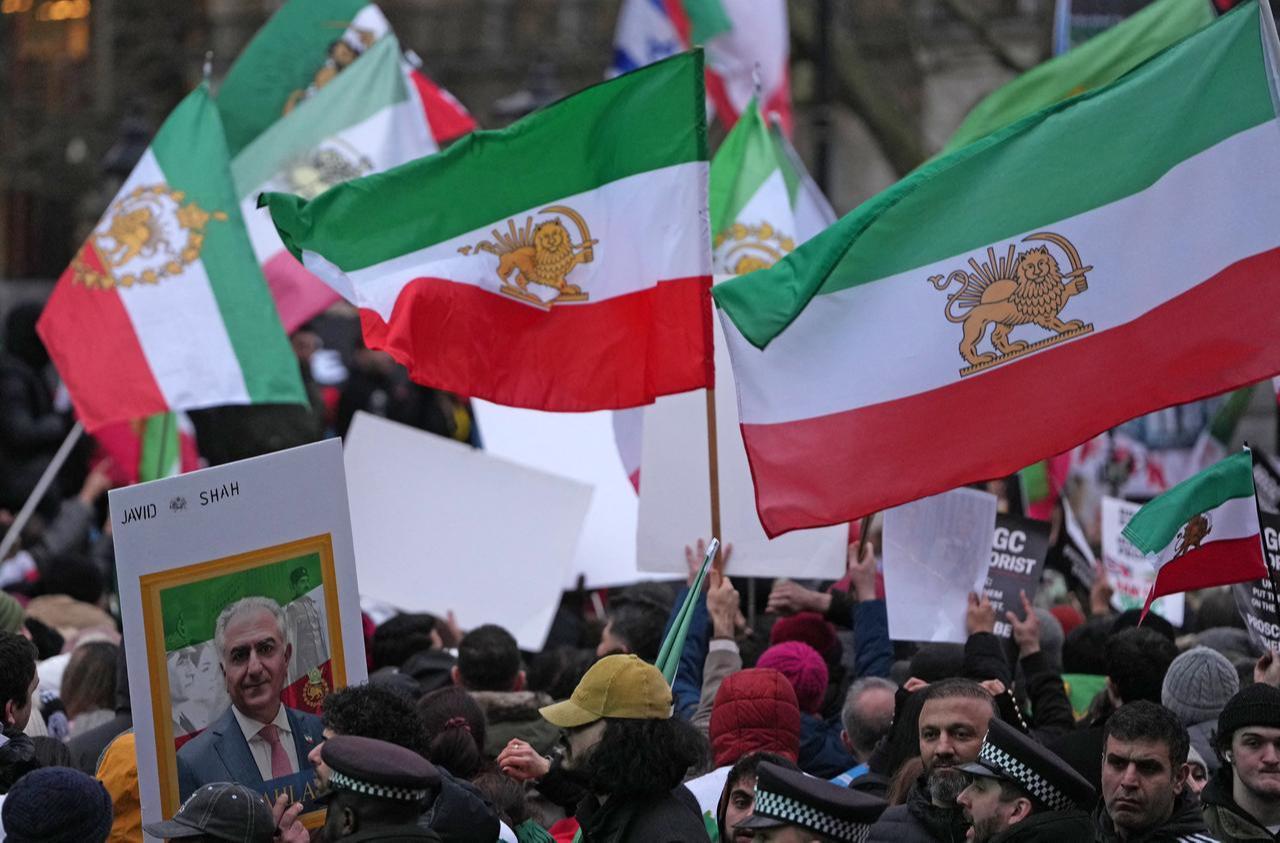
On developments in Iran, Huwaidi said, "People have the right to protest. We must accept that people's complaints are real, and these complaints continue because of the U.S. sanctions imposed since 1979. This led to a popular uprising."
"However, there is a difference between people's dissatisfaction and anger at the government's policies and their embracing the idea of overthrowing the regime," Huwaidi added.
He argued that the idea of overthrowing the current regime in Iran is "a completely remote possibility," noting that Iran is "a deep-rooted country with courage and a strong people" and that overthrowing the regime is "out of the question."
"Iran is an intelligent and strong country rooted in the depths of history," Huwaidi said, noting that the situation in Venezuela does not apply to Iran.
"Netanyahu gets his power from two things: our weakness as Arabs and US support," Huwaidi said.
"If Arabs unite their ranks, adopt a serious and determined stance, and U.S. support loosens, Israel will have no place and existence on the map," Huwaidi said.


 Set as preferred source
 Set as preferred source


 1 min read
 1 min read