Newsletters


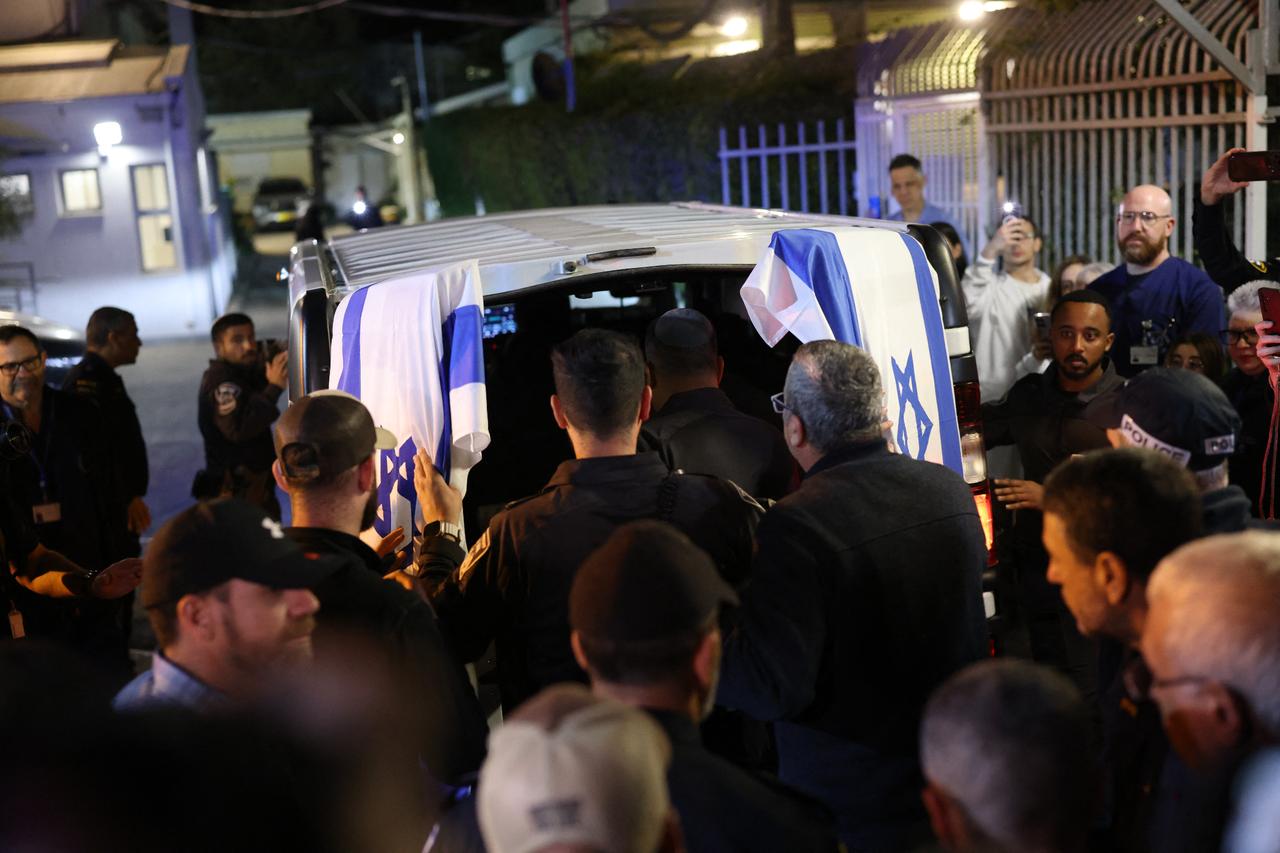


The Israeli army announced Monday that it had located and recovered the body of its last remaining captive in the Gaza Strip, marking what it described as the completion of hostage returns under the current ceasefire agreement.
Military officials identified the recovered remains as those of Sgt. 1st Class Ran Gvili, stating the body would be returned for burial. The army declared that all hostages had now been returned from Gaza.
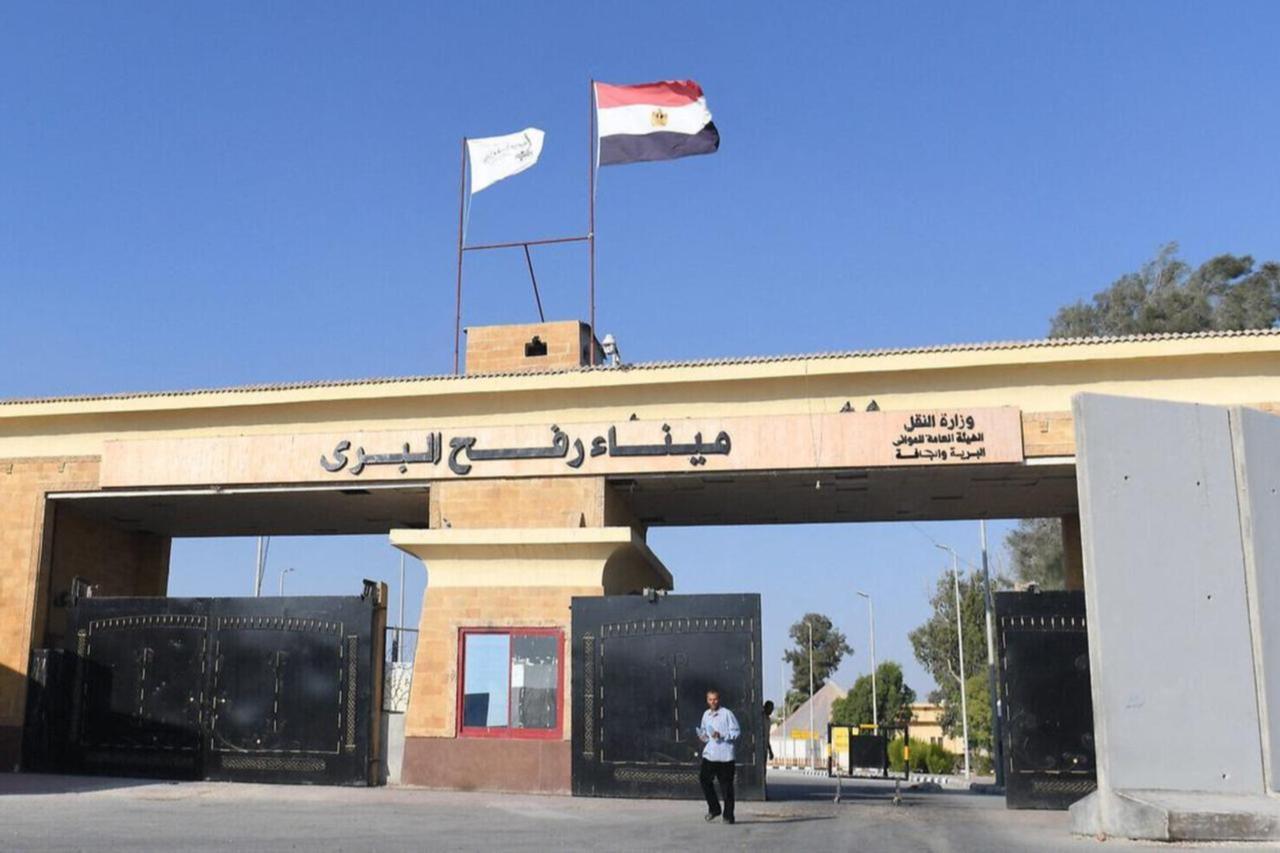
The recovery followed a statement Sunday by Israeli Prime Minister Benjamin Netanyahu pledging to reopen the Rafah border crossing between Gaza and Egypt once Gvili's body was returned. Israel has controlled the crossing since May 2024, using it as leverage in negotiations over the captive's remains.


Hamas said in a statement that its forces had worked to locate the body as part of commitments under the ceasefire agreement, providing mediators with ongoing information that contributed to the recovery. The group characterized the handover as evidence of its adherence to first-phase requirements of the truce.
The Palestinian faction called on Israel to implement the ceasefire agreement fully, demanding the opening of the Rafah crossing in both directions without restrictions, the entry of humanitarian supplies in adequate quantities, complete withdrawal from Gaza, and support for local administration efforts.
Since the first phase of the ceasefire began on Oct. 10, 2025, Palestinian factions have handed over 20 living Israeli captives and the remains of 27 others to Israel, according to available records. Before this recovery, Gvili had been the final outstanding case.
Palestinians have accused Israel of repeatedly breaching the ceasefire deal, which halted a two-year military campaign that has killed more than 71,000 people, mostly women and children, and injured nearly 171,400 others since October 2023, according to Palestinian health authorities.
Gaza's Health Ministry reports that at least 484 people have been killed and 1,321 others injured since the truce took effect, raising questions about the durability of the agreement. The ceasefire represents a pause in hostilities that began in October 2023, though implementation disputes continue between the parties.
The Rafah crossing has remained a point of contention throughout negotiations. Israel's control of the Palestinian side of the border has intensified restrictions on movement and humanitarian access to Gaza's population.


 Set as preferred source
 Set as preferred source


 1 min read

 1 min read