Newsletters




Israeli Finance Minister Bezalel Smotrich announced Tuesday that he had revoked the Palestinian municipality of Hebron's civil planning and construction powers in the occupied West Bank, a move Palestinian officials condemned as a violation of signed agreements and international law, and one that draws the occupied territory a step closer to formal Israeli annexation.
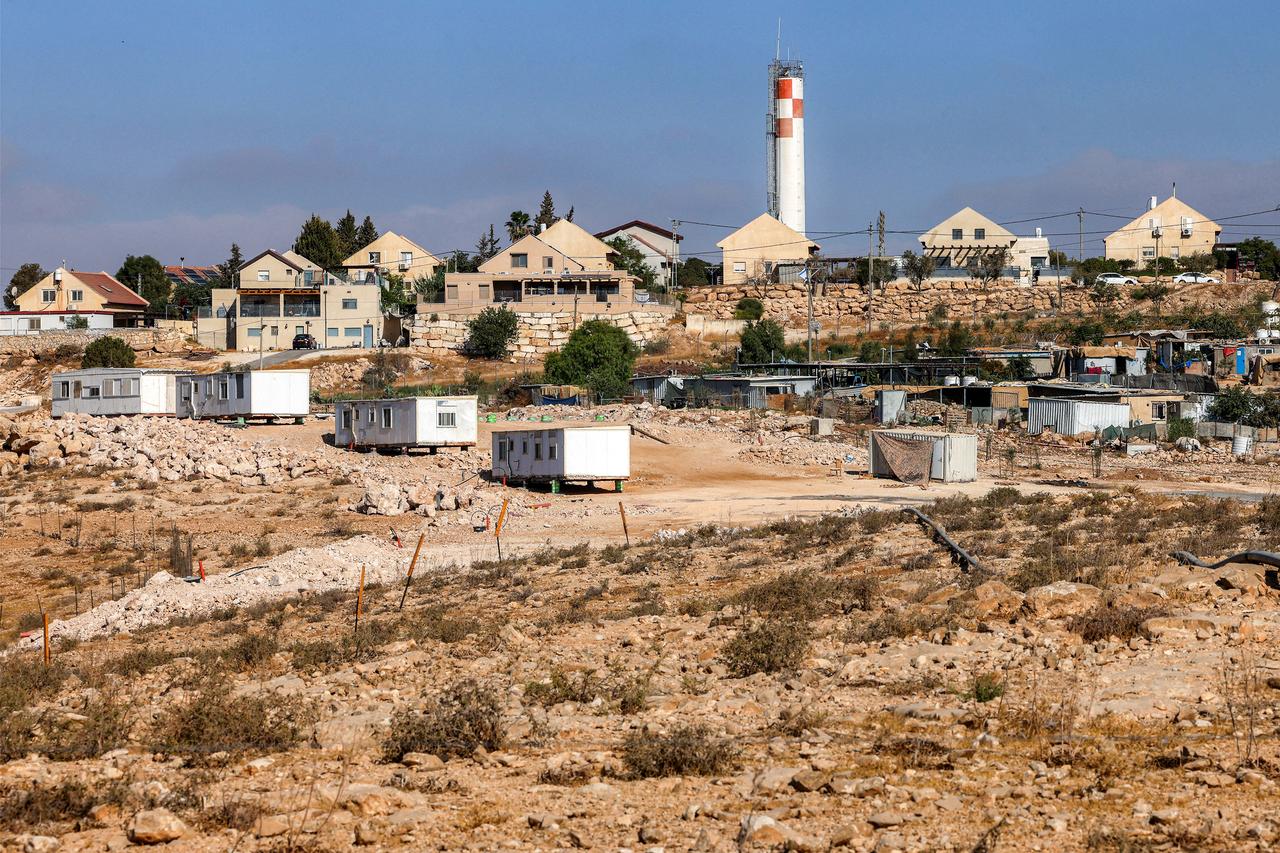
Smotrich made the announcement during the inauguration of the Doreen settlement on Mount Hebron, signaling that the decision was as much political as administrative.
"This is much more than a planning step," he said at the ceremony. "It is a step of practical sovereignty, of governance."
The decision transfers jurisdiction over planning and construction in Hebron, including over the city's holy sites, from the Palestinian municipality to Israeli authorities, and formally severs arrangements established under the 1997 Hebron Agreement, itself a product of the Oslo Accords.
Smotrich said the Supreme Planning Council of Judea and Samaria, the biblical term Israel uses for the occupied West Bank, had approved the resolutions stripping Palestinian authorities of those powers.
Israel's Channel 12 reported the move represents the implementation phase of a process launched months ago with approval from Israel's Security Cabinet at Smotrich's initiative.
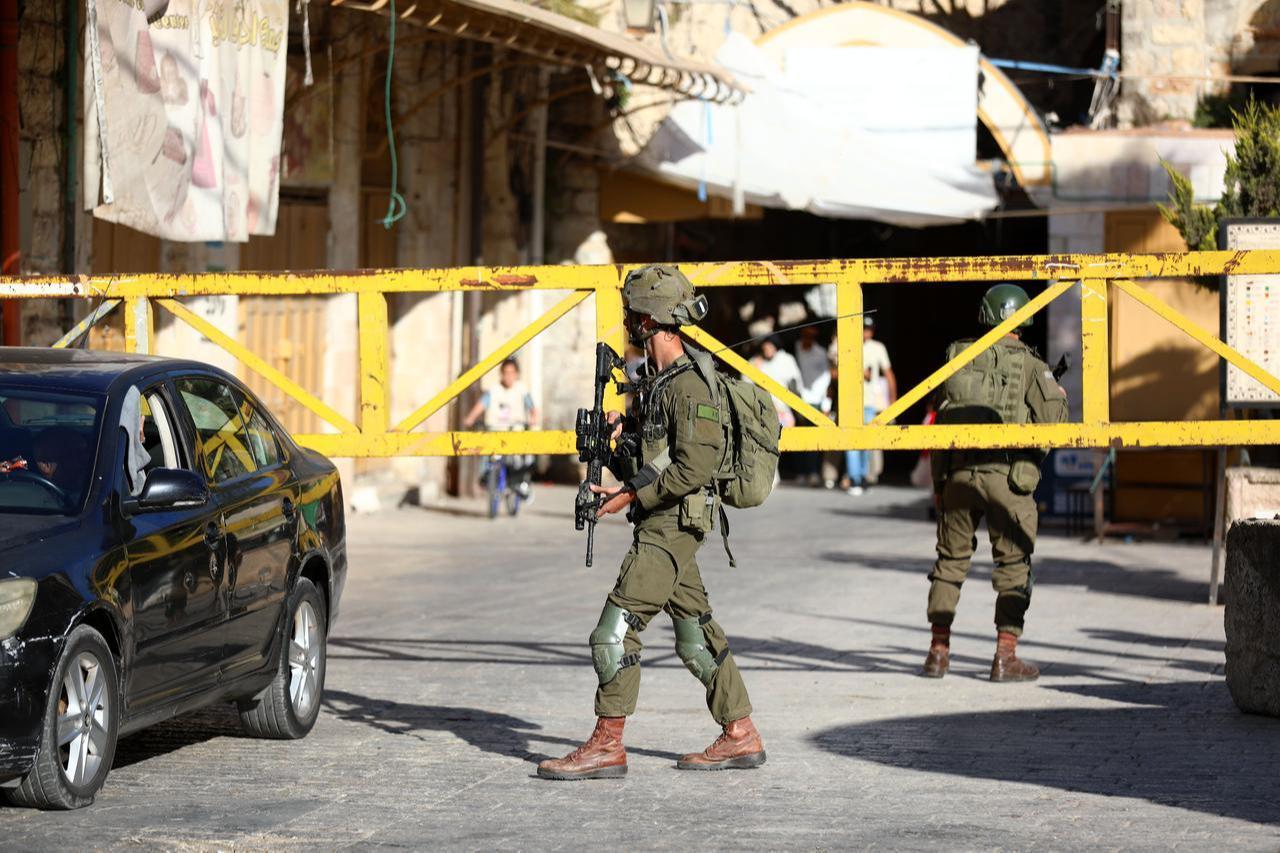

Hebron is the largest city in the West Bank, which Israel has occupied since 1967. Under the 1997 protocol, the city was divided into H1, under Palestinian control, and H2, under Israeli security control.
Despite that division, the Palestinian municipality retained certain civil powers in H2, including the authority to issue planning and construction permits and develop infrastructure. Tuesday's decision effectively ends that arrangement.
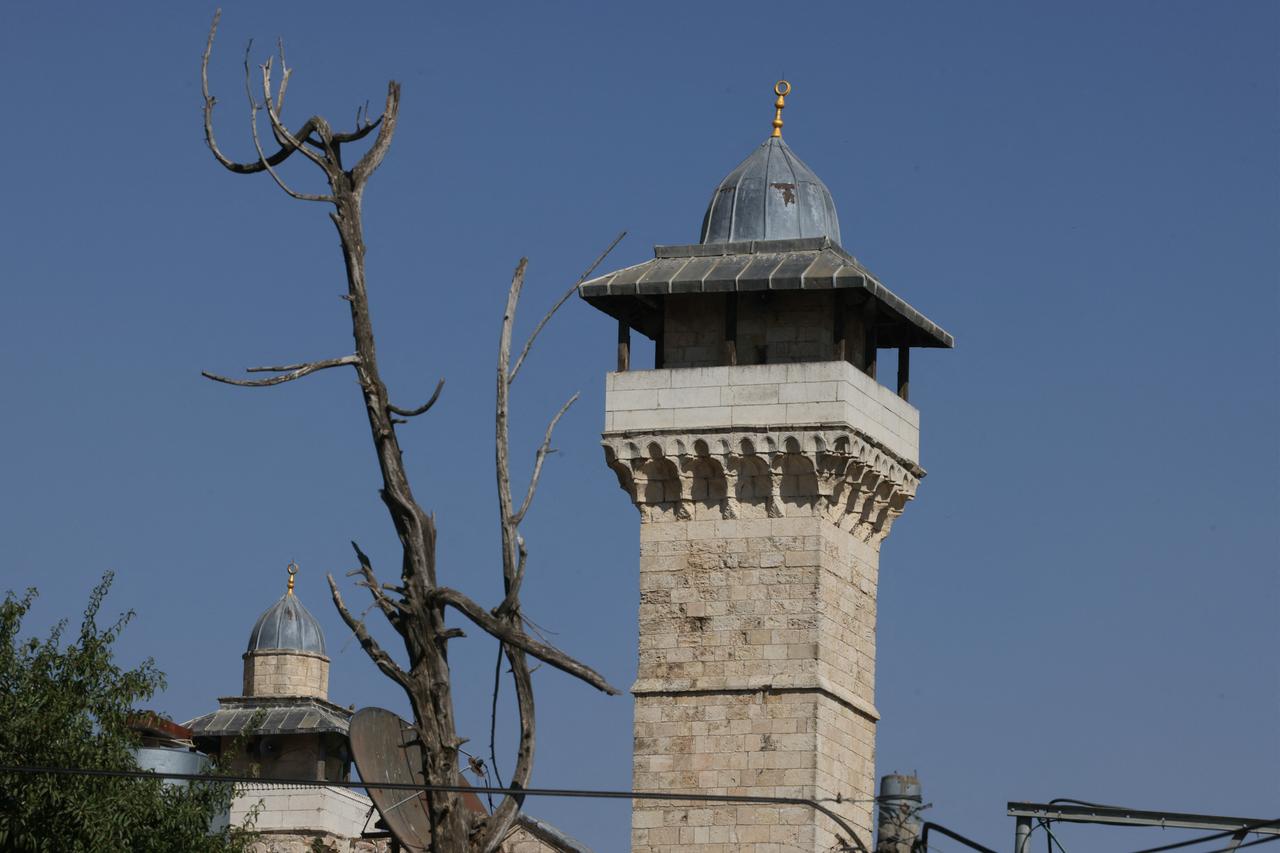
At the center of the dispute is the Cave of the Patriarchs, known to Muslims as the Ibrahimi Mosque, which sits within the Israeli-controlled H2 sector.
The site is venerated by Jews, Muslims and Christians as the burial place of Abraham and other biblical patriarchs. Roughly 40,000 Palestinians live in H2 alongside approximately 200 Israeli settler families.
Smotrich described the previous arrangement as "one of the most absurd provisions of the Oslo Accords," arguing that administrative powers over the Jewish settlement bloc in Hebron and its holy sites should not have remained tied to the Palestinian municipality.
The Palestinian Authority, based in Ramallah and led by President Mahmoud Abbas, rejected the move outright. Abbas's office said the measure constitutes "a violation of signed agreements with the Israeli side, as well as a breach of international law," and called on the international community, and the United States in particular, to intervene immediately and press Israel to reverse what it described as "an extremely dangerous step" that undermines the two-state solution and broader regional stability.
Hebron Mayor Yusuf al-Jabari told Anadolu Agency that Smotrich's actions are part of a broader effort to "annul all agreements," despite the fact that the Hebron arrangements were concluded under international auspices with direct US participation.
He said any unilateral modification outside existing international understandings amounts to "a serious breach" with far-reaching consequences on the ground, and called on Washington to "fulfill its responsibilities as a co-sponsor of the agreements and press to preserve the status quo."
Al-Jabari warned that any encroachment on municipal powers "would effectively alter the nature of the status quo" in the city, with potential repercussions for local governance and the daily lives of residents. He said the municipality would intensify outreach to UNESCO, the US administration and other international partners to press for a halt to Israeli decisions concerning Hebron.
Hebron's Old City and the Ibrahimi Mosque were inscribed on UNESCO's World Heritage and World Heritage in Danger lists in 2017.


 Set as preferred source
 Set as preferred source


 1 min read

 1 min read