Newsletters


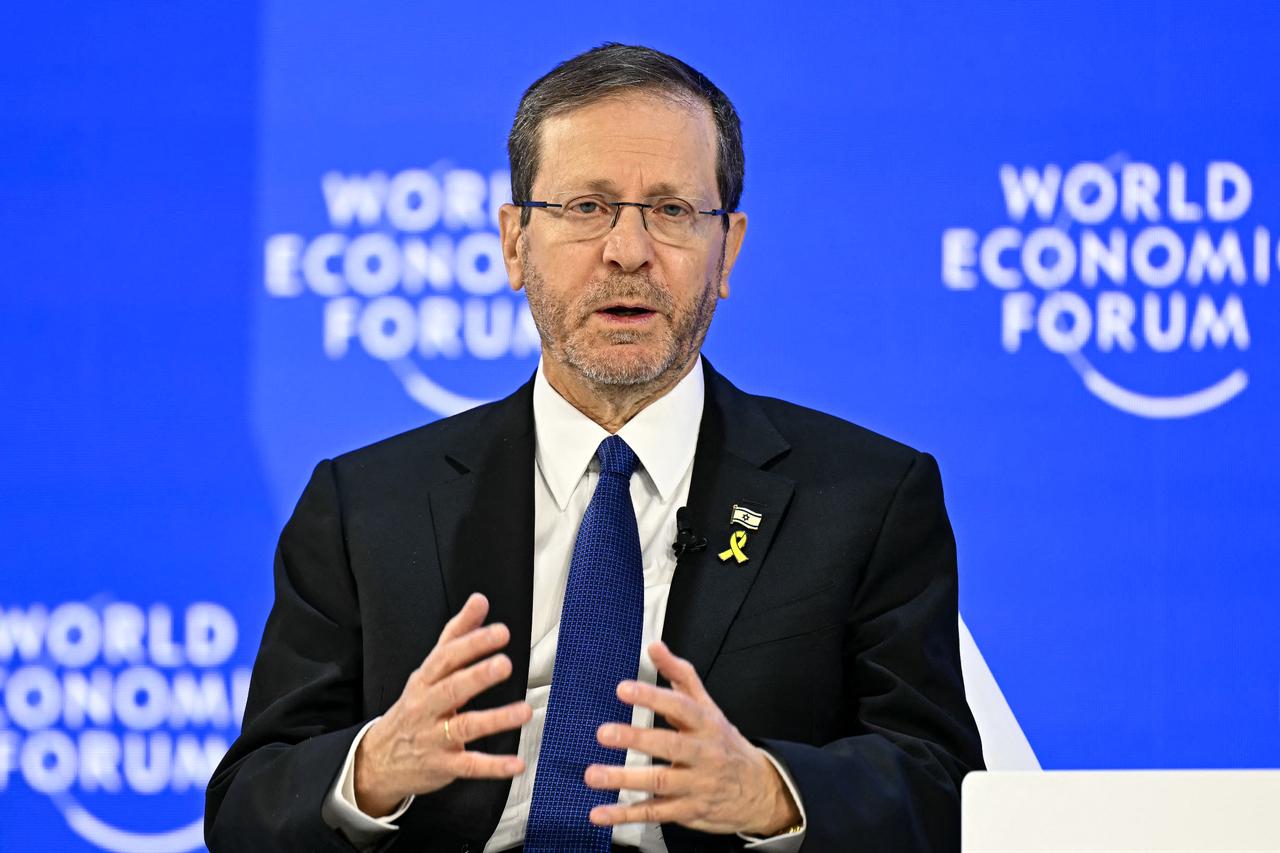


Israeli President Isaac Herzog said Israel is acting cautiously regarding developments in Syria and is “listening to our American friends” amid the Syrian army’s operations against the YPG/SDG.
Speaking at the World Economic Forum in Davos, Switzerland, Herzog said Israel is closely monitoring events in Syria, referring to concerns about developments in the country’s south and north.
Herzog said U.S. officials are in contact with Syrian President Ahmed Sharaa and his team, adding that Israel is paying close attention to those discussions.
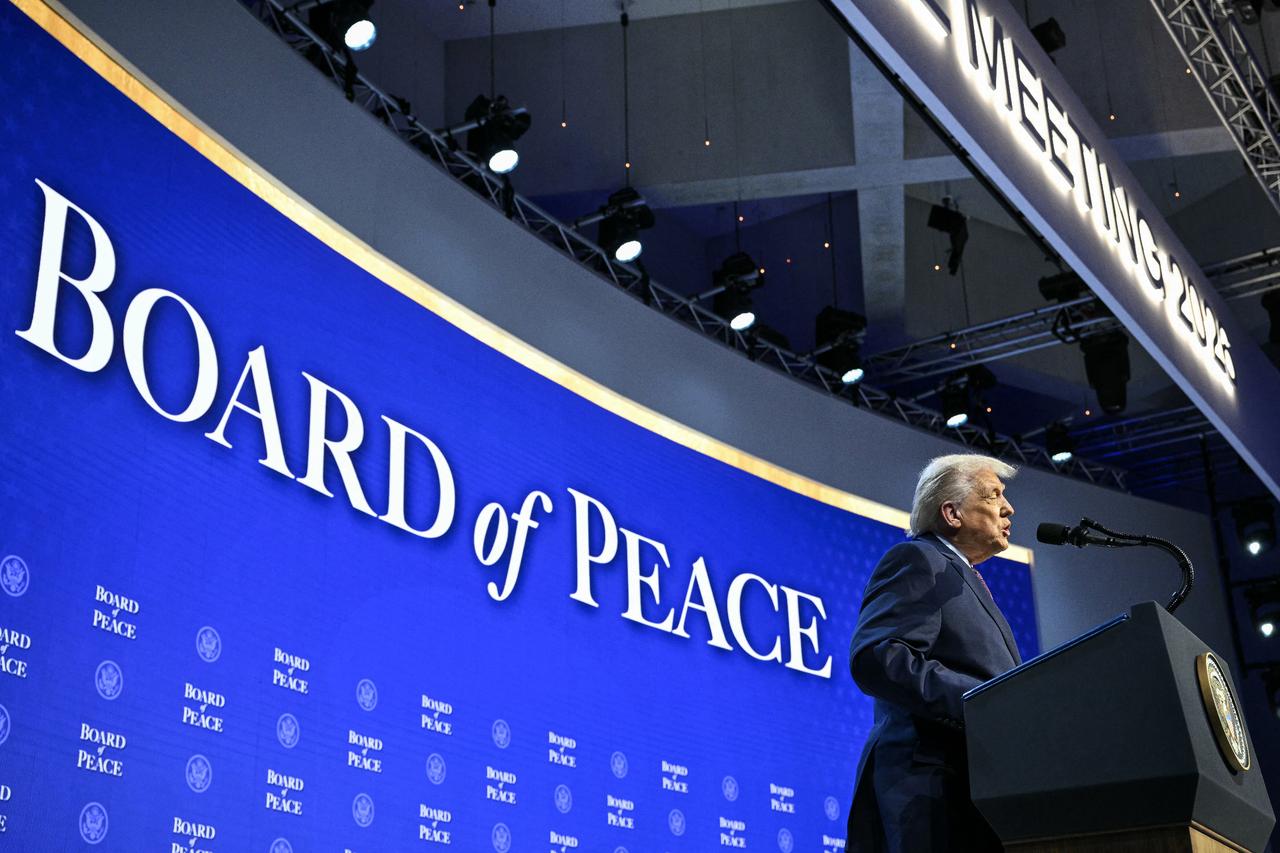
Herzog compared U.S. President Donald Trump’s Gaza plan to the Marshall Plan, saying the Peace Council would begin work as part of the initiative and that a technocratic body, the Gaza National Administration Committee, would assume civilian governance.
He said the key test for the plan would be Hamas leaving Gaza and noted that discussions are underway on Gaza’s future, reconstruction, and funding.
Asked about the possibility of an independent Palestinian state if the plan succeeds, Herzog said U.N. Security Council resolutions provide a horizon but emphasized reforms within the Palestinian administration and Israel’s security as central issues.
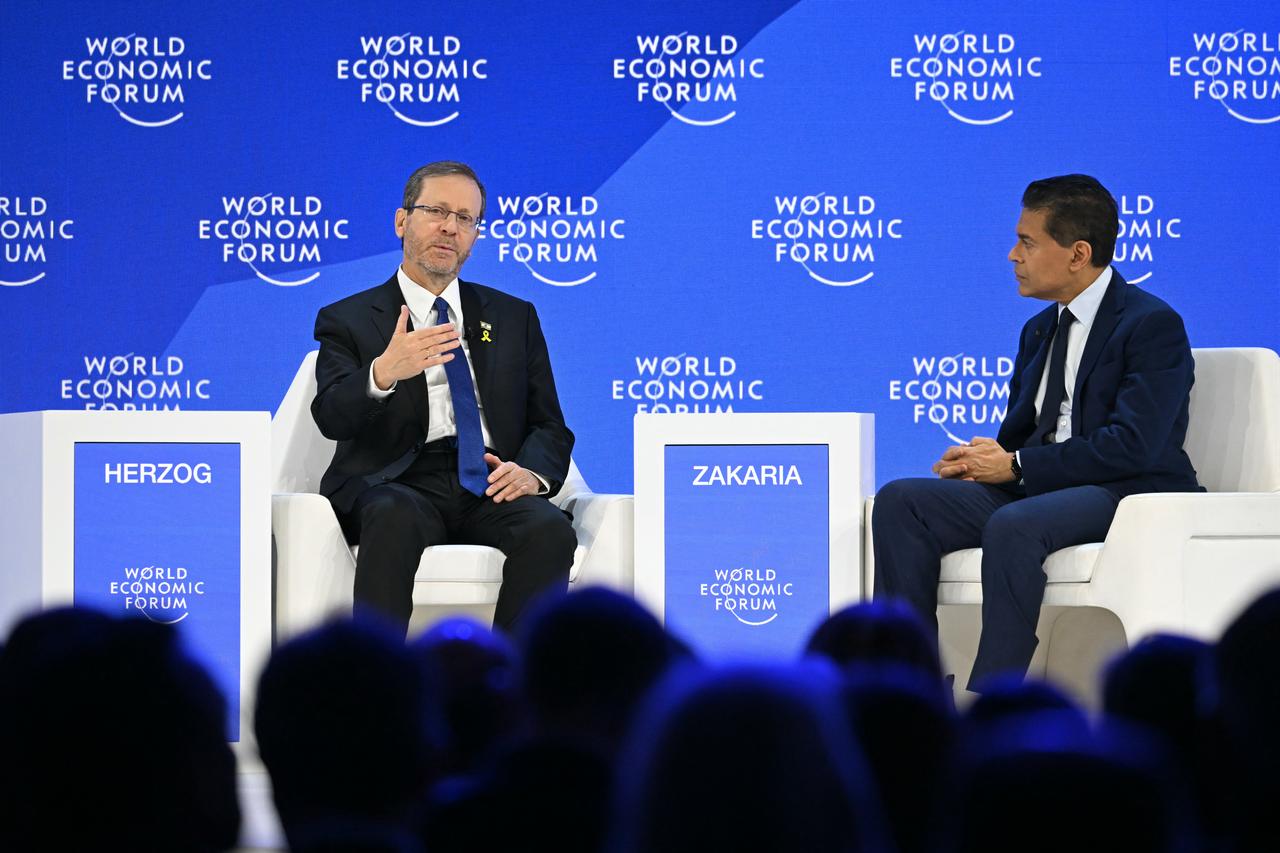

Herzog said Israel wants to advance the Abraham Accords launched during Trump’s first term and hopes more countries will join.
“Seeing an agreement with Saudi Arabia is my dream,” Herzog said, adding that closer ties between Saudi Arabia and Israel would represent a vision for Jewish-Muslim rapprochement and the future of the Middle East.
He referred to remarks by Saudi Crown Prince Mohammed bin Salman about establishing a pathway toward a Palestinian state, saying Israel’s response would need to be considered alongside other factors.
Herzog claimed Iran is regrouping for war and that Hezbollah is rebuilding its strength, while threats from the Houthis and Hamas persist.
He said Israel supports protests in Iran and alleged that the Iranian population is suffering shortages of food, water and basic necessities, describing the regime as fragile.
Separately, debate emerged over whether Israel remained silent on Syria’s military operation against YPG/SDG-controlled areas.
According to Reuters, Syrian officials raised the issue during talks in Paris held under U.S. mediation, accusing Israel of backing the YPG/SDG and discussing a limited Syrian military operation to retake certain areas. Sources claimed Israel did not object.
Israel’s ambassador to Washington, Yechiel Leiter, rejected the claim, saying Israel never approved an attack by the Syrian army against Syrian Kurds.
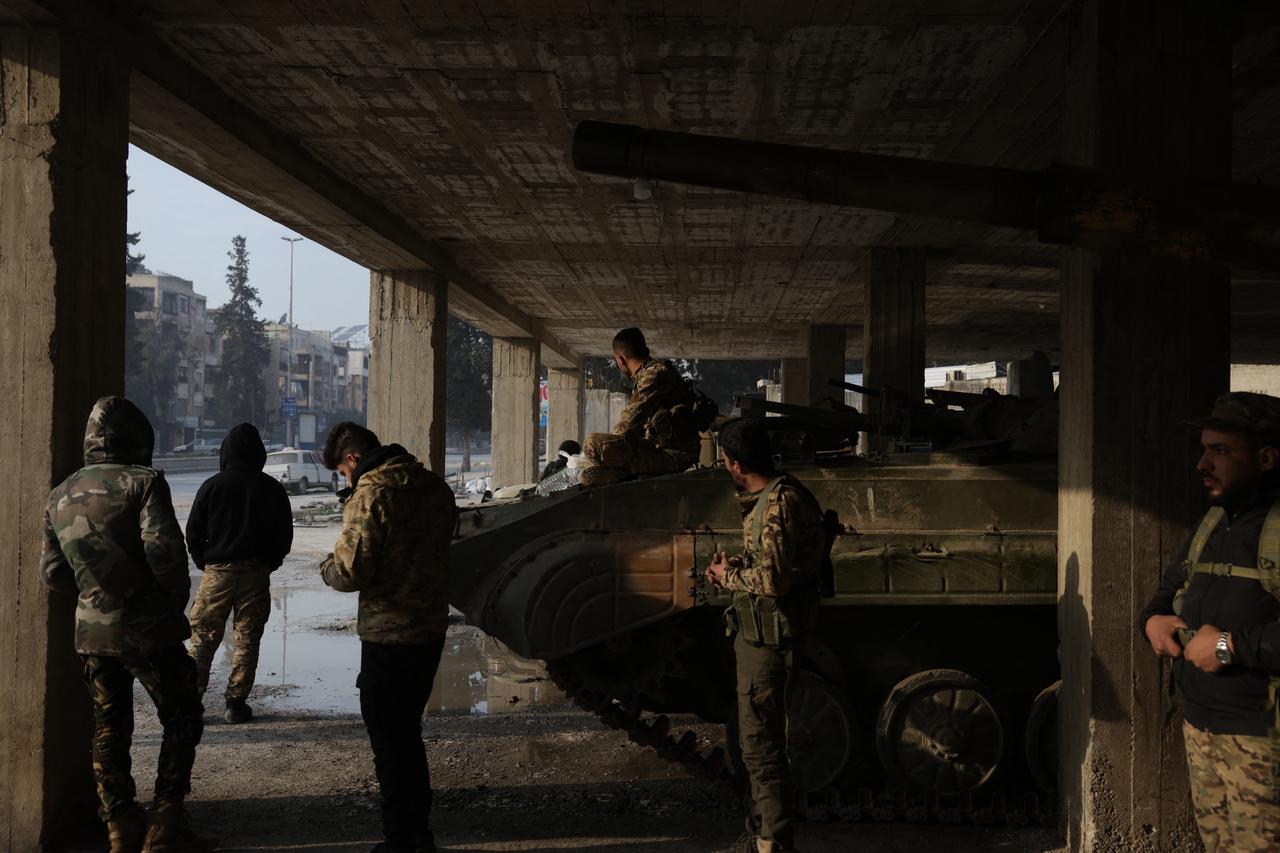
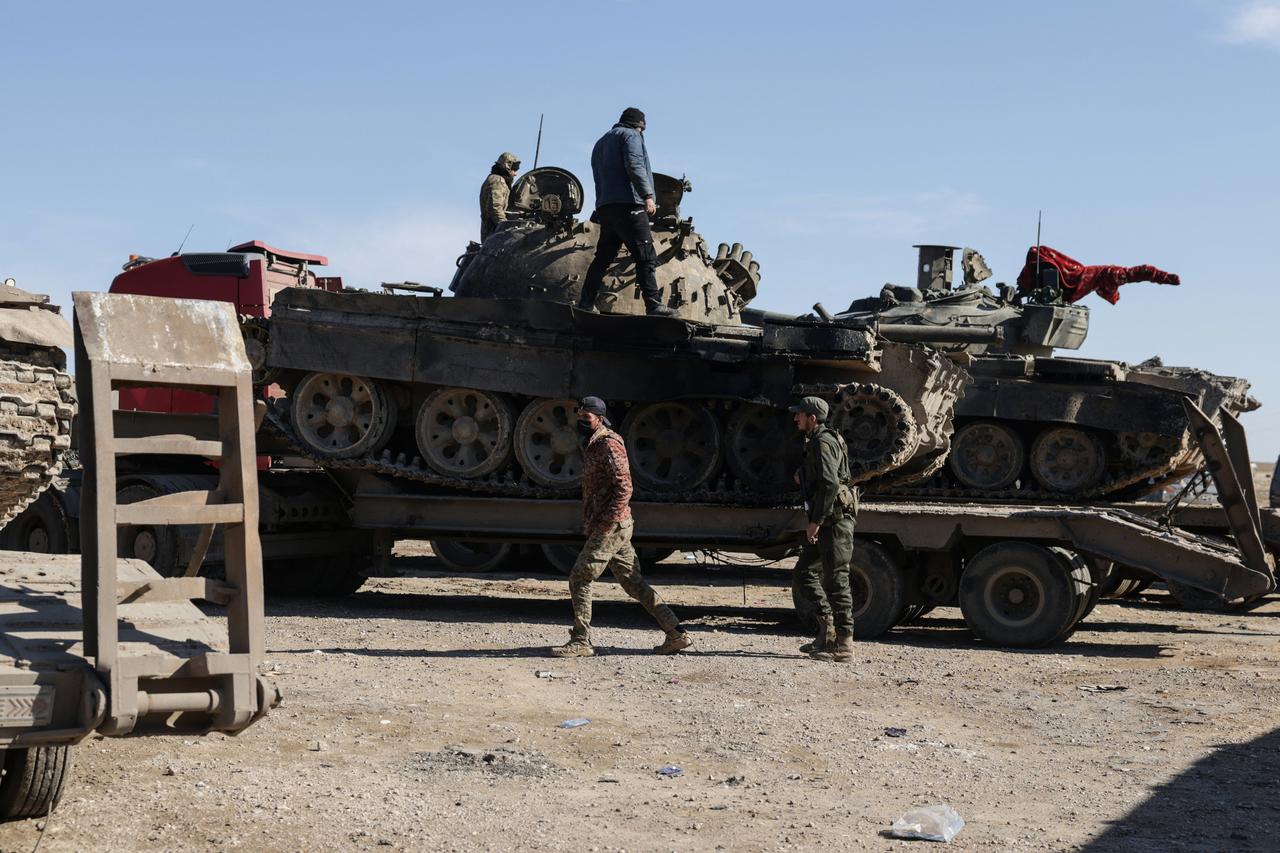
The Syrian army launched an operation on Jan. 16 against YPG/SDG west of the Euphrates River, later expanding eastward with the participation of tribal forces, resulting in sizeable areas returning to government control.
The cease-fire and full integration agreement includes provisions such as the group’s withdrawal from Raqqa and Deir ez-Zor, the transfer of public institutions to state control, centralized authority over border crossings and energy resources, and the individual integration of YPG/SDG members into state security forces.
Clashes have continued in some areas due to disputes over the implementation of the agreement.


 Set as preferred source
 Set as preferred source


 1 min read
 1 min read