Newsletters




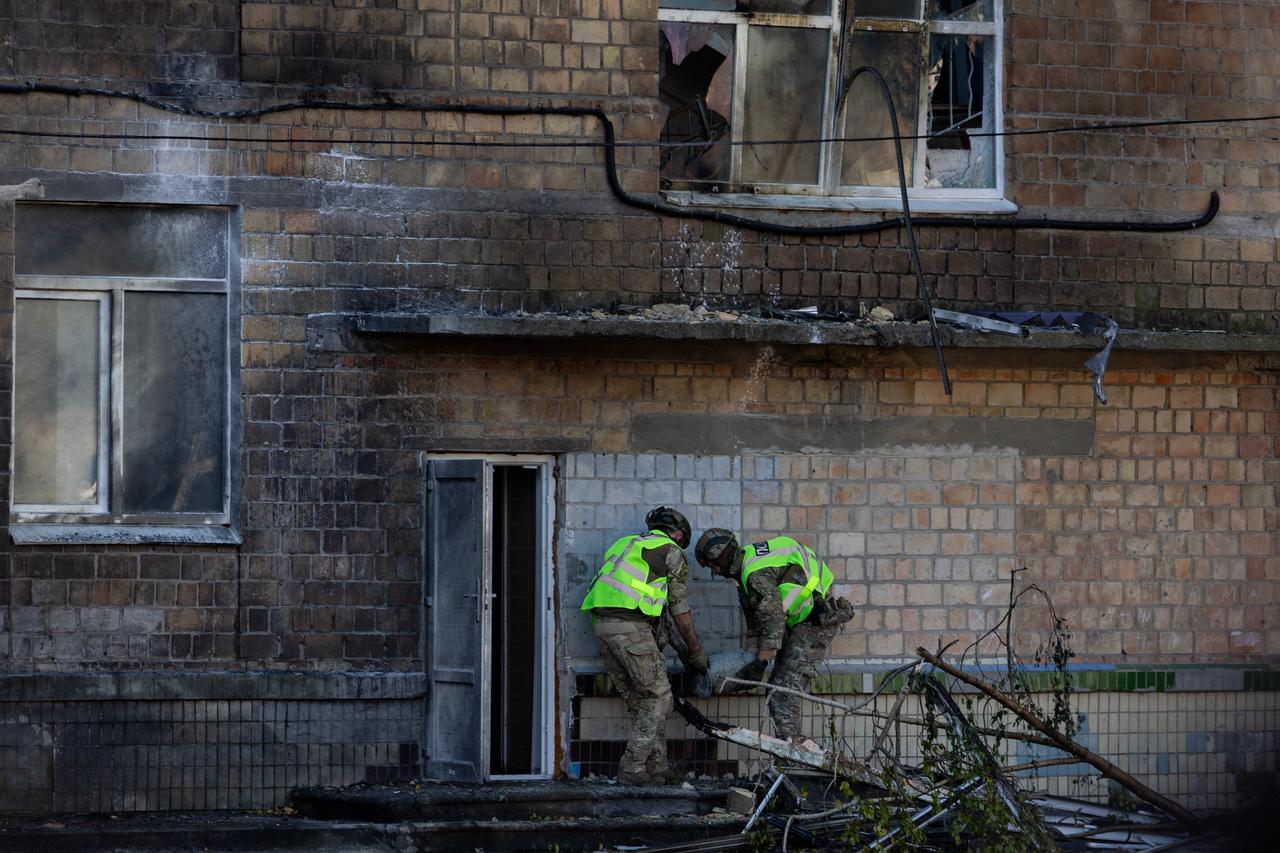
Israel carried out a wide-scale wave of strikes on Iran’s capital, Tehran, early Wednesday, as U.S. President Donald Trump prepared to deliver an address on the ongoing conflict that he said could end within weeks.
Iranian state television reported explosions in the north, east, and center of Tehran, while an Agence France-Presse (AFP) journalist described intense blasts and smoke in the capital. The Israeli military confirmed the attacks and later said it was intercepting a new missile launched from Iran, the first in around 20 hours.
The Israeli military said it had conducted a “wide-scale wave of strikes” targeting Tehran, adding that operations against Iranian military infrastructure were ongoing.
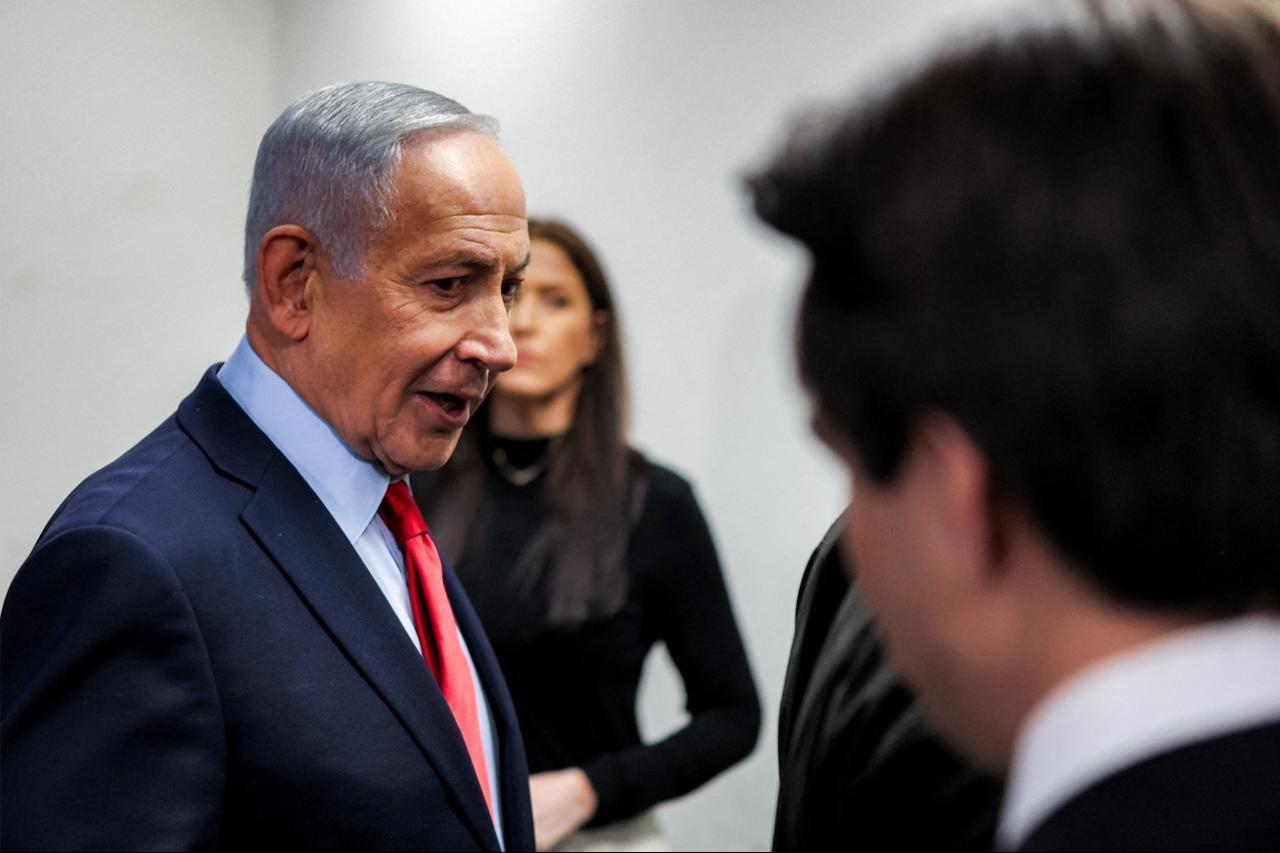
Israeli Prime Minister Benjamin Netanyahu said the campaign would continue, stating it had “changed the face of the Middle East” and eliminated Iran’s ballistic and nuclear threats.
“We had to act, and we acted,” Netanyahu said. “We will continue to crush the terror regime.”
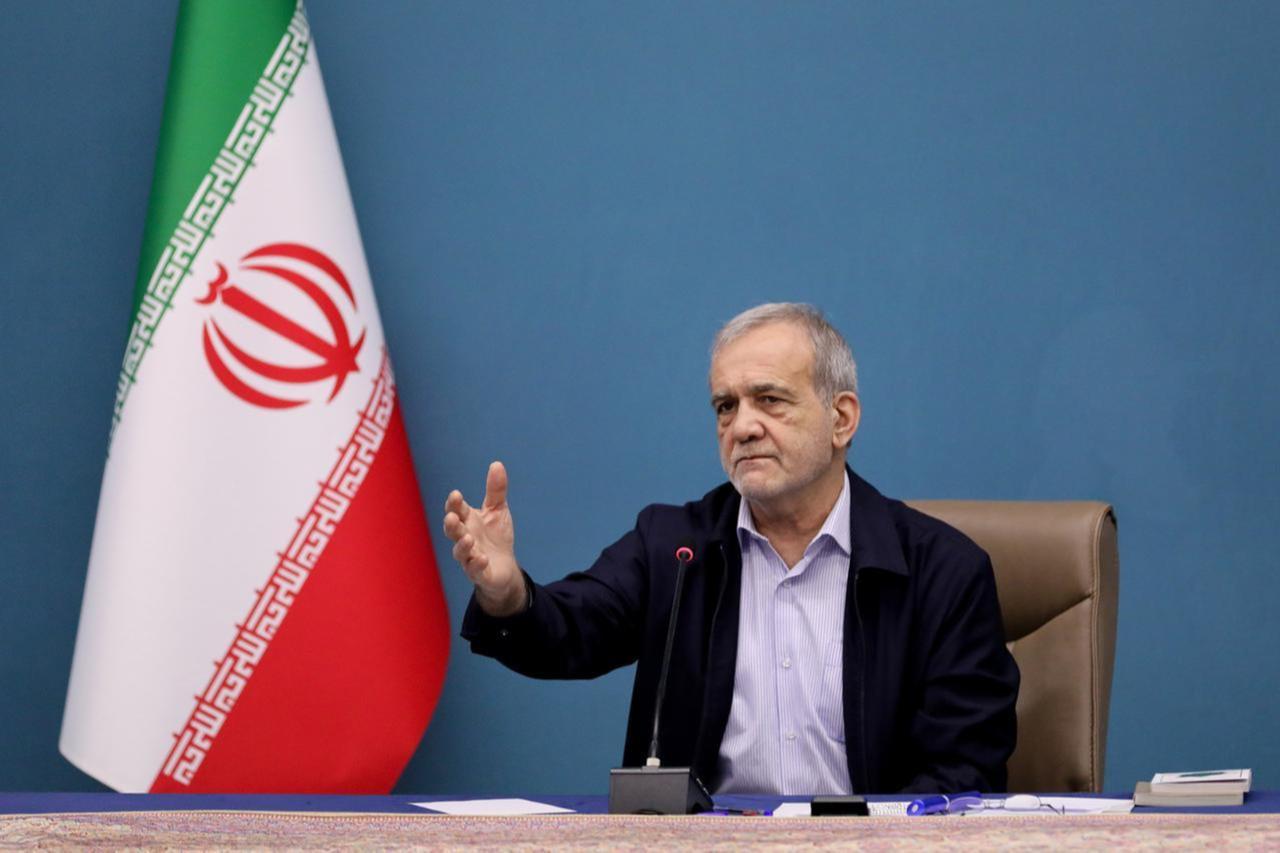
Iranian President Masoud Pezeshkian said Tehran had the “necessary will” to end the war, provided guarantees were given that it would not resume.
Meanwhile, Iran’s Revolutionary Guards warned major U.S. technology firms, including Intel, Tesla, and Palantir, of “destruction” if further Iranian leaders were killed in targeted assassinations.

The conflict, which began on Feb. 28 with U.S.-Israeli strikes on Iran, has expanded across the region.
Yemen’s Houthi rebels have joined the fighting, launching missiles toward Israel and threatening Red Sea shipping routes.
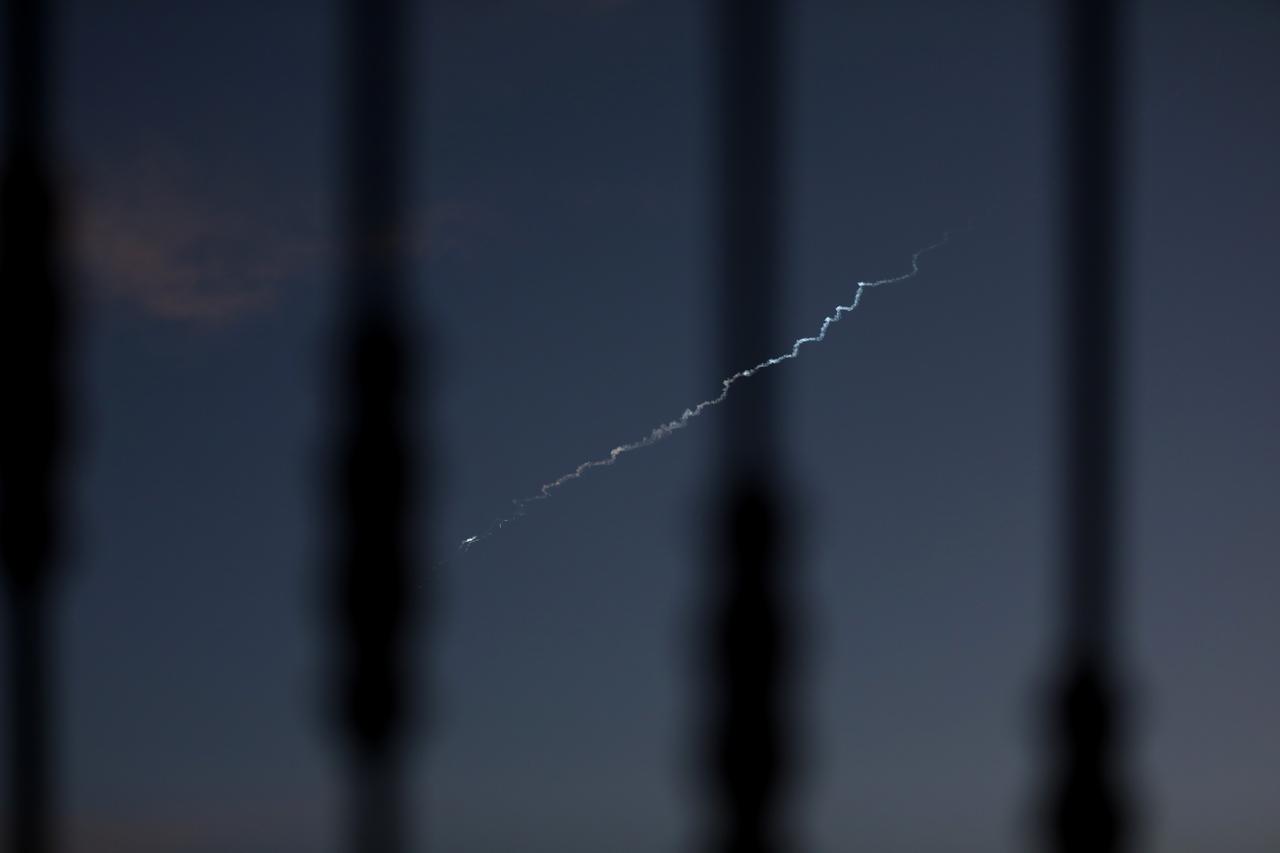
Israel said its air defenses intercepted a missile fired from Yemen on Wednesday with no reported casualties.
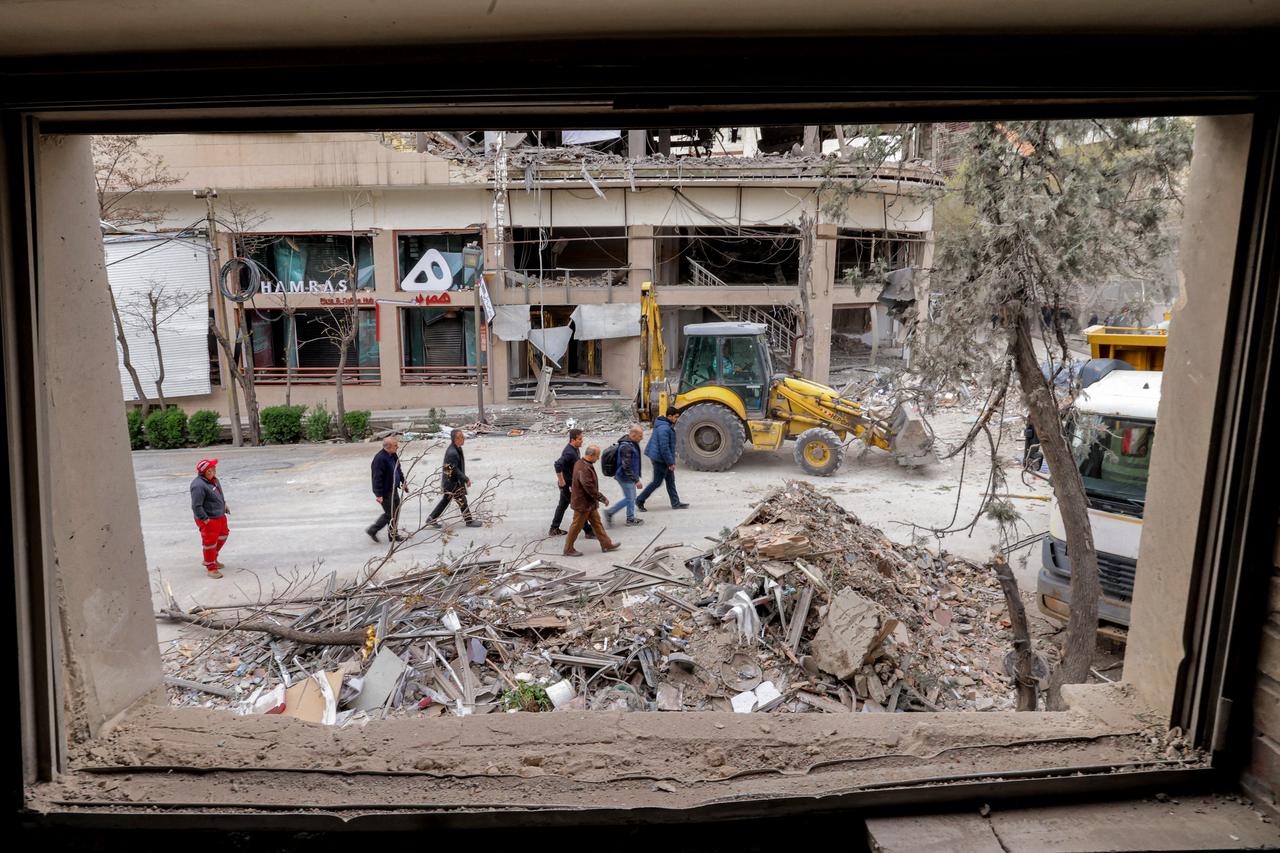
In Lebanon, seven people were killed in Israeli strikes in south Beirut and nearby areas, according to the health ministry, while Israel said it targeted a senior Hezbollah commander. The campaign has left over 1,200 dead and displaced over one million people in Lebanon.
Iran has continued retaliatory attacks on Gulf countries. Kuwait reported a drone strike that caused a large fire at fuel tanks at its international airport, while Bahrain said a fire broke out at a business facility due to what it described as Iranian aggression. Saudi Arabia said several drones were intercepted and destroyed.
A tanker was also hit by a projectile in the Gulf off Doha, with damage reported but no casualties, according to a British maritime security agency.
 1 min read
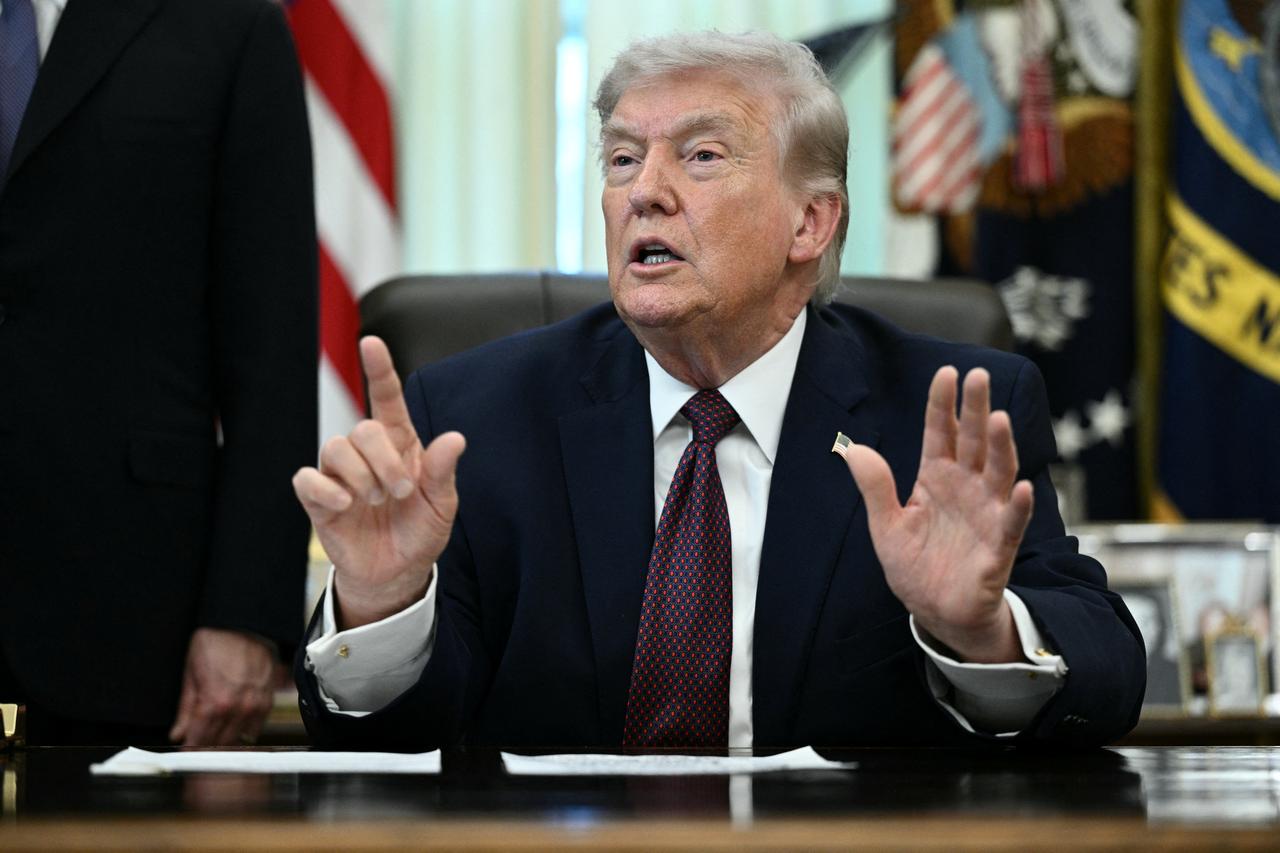
Trump said the conflict could end in “two weeks, maybe three,” but added, "We're finishing the job.” The White House said he would deliver an “important update on Iran” at 9:00 pm Wednesday.
The U.S. has not disclosed who it is engaging with in Iran, and Tehran has denied that negotiations are taking place. Iranian Foreign Minister Abbas Araghchi said he continues to receive messages from U.S. envoy Steve Witkoff but stressed that this does not constitute negotiations.
Pentagon chief Pete Hegseth said “the upcoming days will be decisive,” adding that Iran has limited military options.
U.S. Central Command released footage showing precision strikes on underground military targets in Iran.
The conflict has disrupted energy markets and raised concerns about the global economy, particularly due to Iran’s effective closure of the Strait of Hormuz.
Crude prices rose amid fears over the strategic waterway, while stock markets in Asia rallied following Trump’s comments suggesting a potential end to the war.
Trump said countries such as France and China would have to “fend for themselves” regarding access through Hormuz, criticizing allies for not supporting U.S. efforts to secure the route.
Rising fuel prices in the U.S. have also drawn public concern, though Trump said he was not worried, adding that prices would fall once the U.S. exits Iran.
The developments highlight the widening scope of the conflict and its impact on regional security, global trade and energy markets.


 Set as preferred source
 Set as preferred source



 1 min read