Newsletters


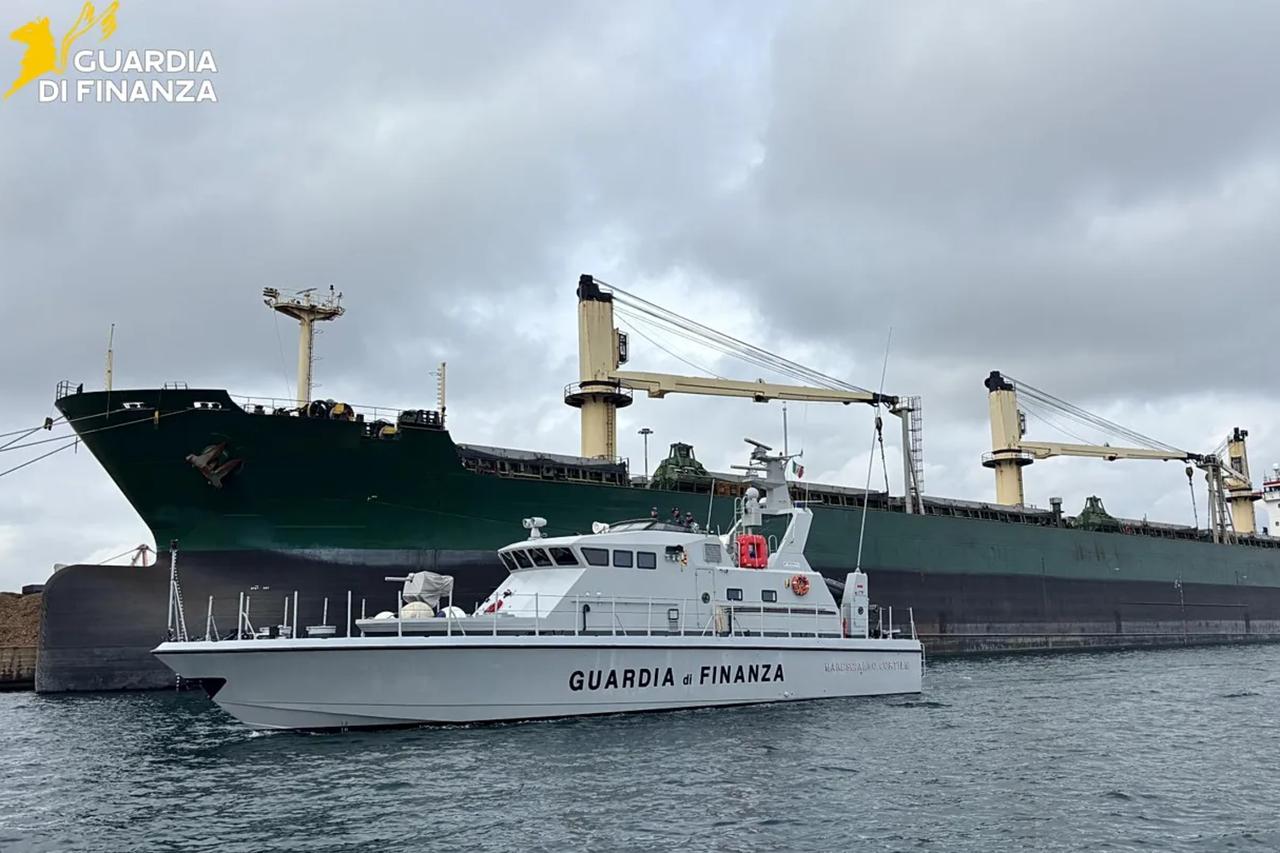


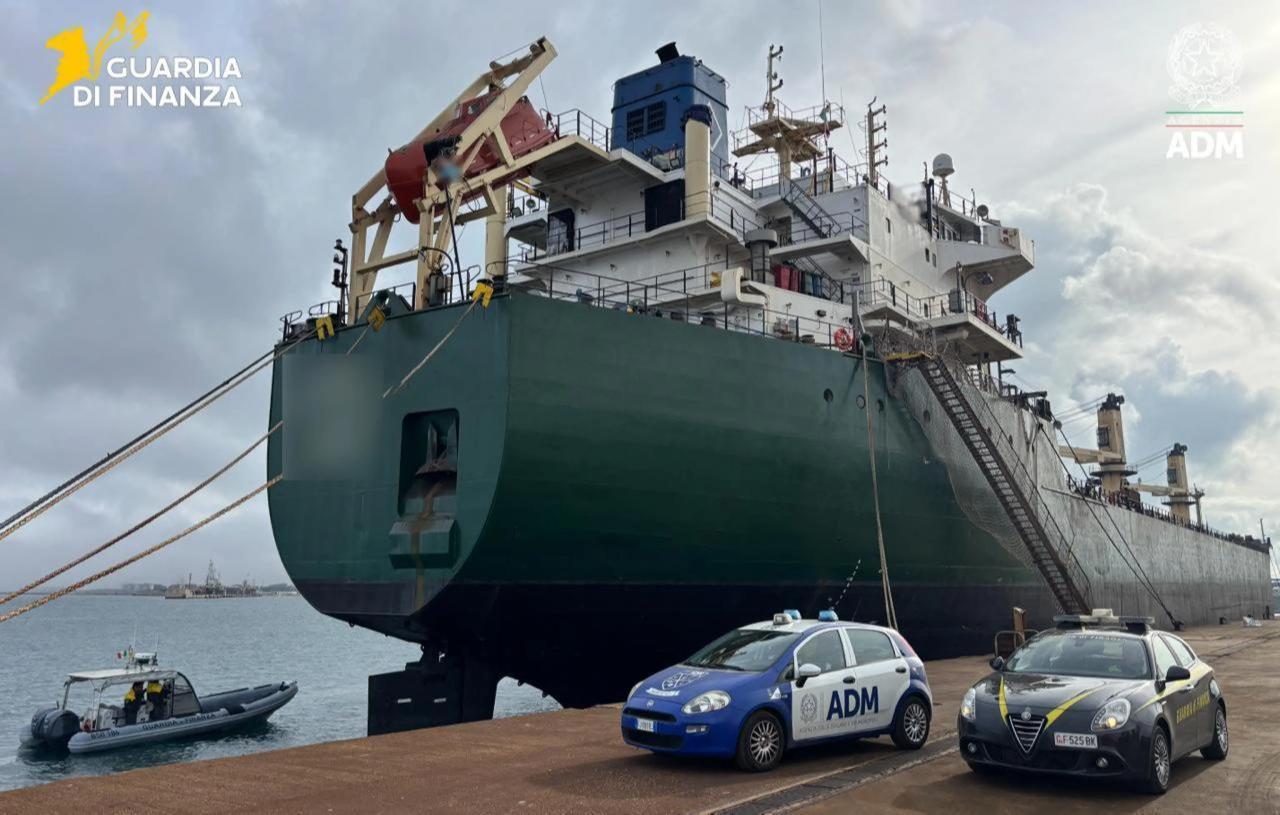
Italian authorities seized a Tuvalu-flagged, Turkish-owned bulk carrier carrying 33,000 tonnes of ferrous metals at the southern port of Brindisi on suspicion of violating European Union sanctions against Russia. A detailed investigation revealed document falsifications and deliberately disabled tracking systems.
The vessel, Hizir Reis, flagged to a small island nation in Oceania and owned by Istanbul-based Emiroglu Denizcilik, was detained following a joint investigation coordinated by the Brindisi Prosecutor's Office.
The seizure was validated by the Brindisi judge for preliminary investigations and confirmed by the Court of Riesame.
Authorities alleged that the ship engaged in prohibited loading and unloading operations at Russia's Novorossiysk port on the Black Sea from November 13 to Nov. 16, 2025. Novorossiysk is subject to EU sanctions.
"The operation carried out in Brindisi constitutes a result of absolute importance," Roberto Alesse, director of the Agenzia delle Dogane e dei Monopoli (Italian Customs and Monopoly Agency), said in a statement.
Alesse attributed the seizure to "the effective use of risk analysis systems and customs intelligence" that "made it possible to promptly intercept a commercial movement attributable to an attempt to circumvent the restrictive measures adopted by the European Union against the Russian Federation."
The seizure was conducted pursuant to EU Regulation 833-2014, which implements sanctions measures against the Russian Federation following the Russian-Ukrainian conflict.
The regulation prohibits conducting commercial operations in certain locations, including specific Russian ports, and restricts the import of certain categories of goods.
Upon the vessel's arrival at Brindisi port, the Agenzia delle Dogane analysis systems selected the import declaration to verify any prohibitions and restrictions. The selection considered both the type of goods transported and their geographical origin, according to the Guardia di Finanza statement.
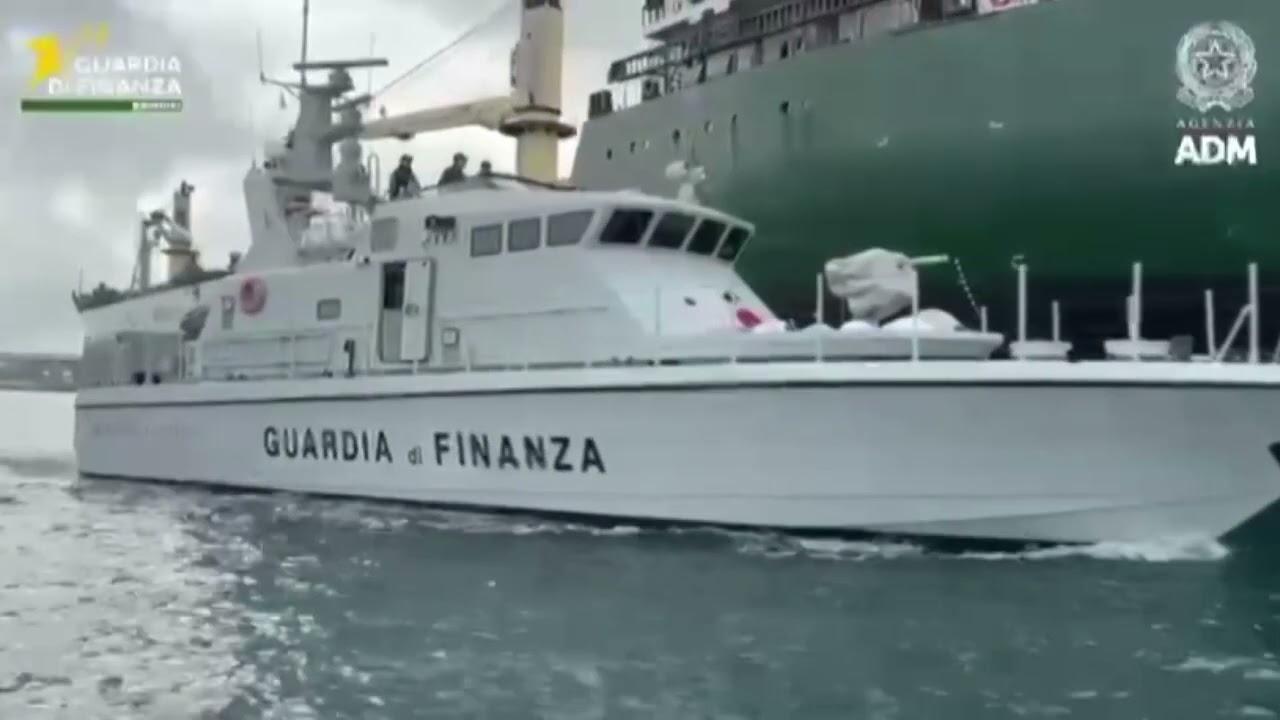

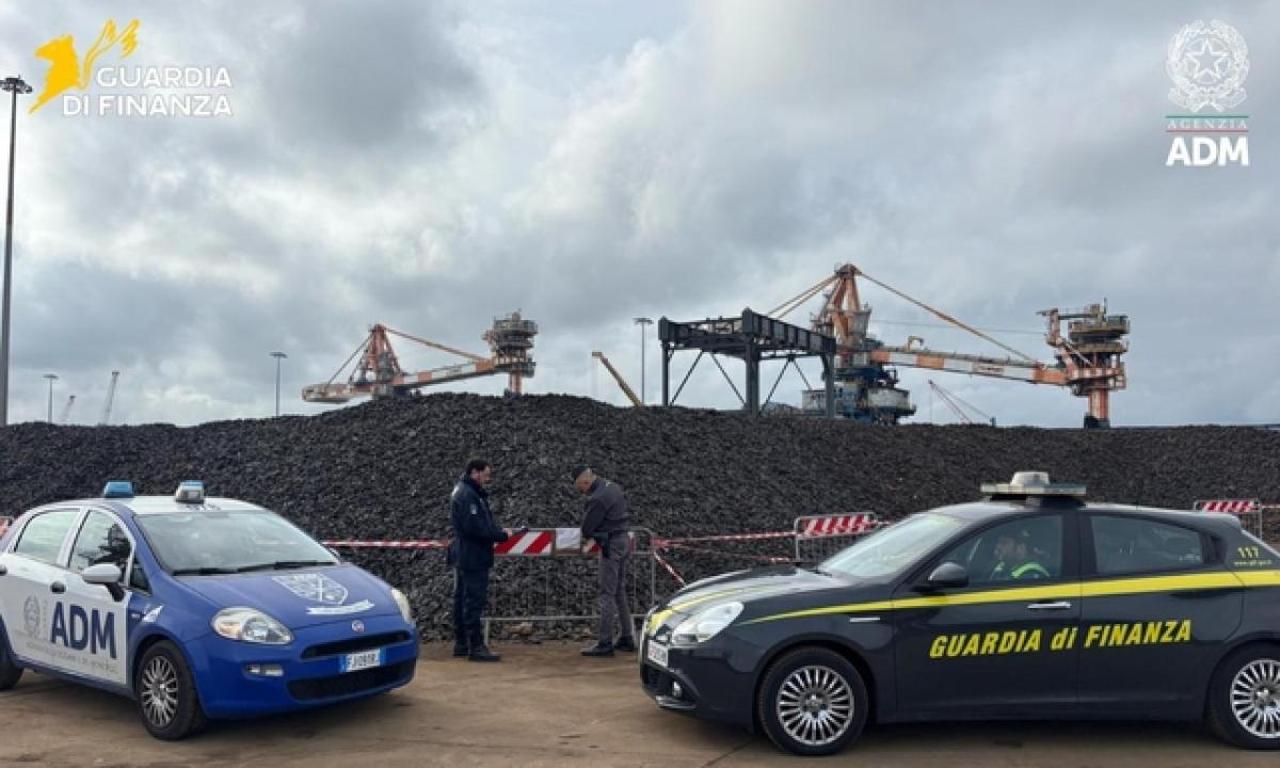
Joint control operations were conducted by the Guardia di Finanza, Italy's military financial police, and the Agenzia delle Dogane di Brindisi with specialist support from the Aeronaval Unit of the Guardia di Finanza in the Puglia region through its Naval Operations Section in Brindisi.
Investigators discovered "serious incongruences, falsifications and alterations of onboard documentation regarding places of stay and cargo loading operations," according to the Guardia di Finanza statement.
Military personnel examined the ship's documents while specialists analyzed data extracted from the vessel's ECDIS system, the mandatory electronic navigation system required on large ships.
The analysis confirmed that the ship "stayed and operated in the Port of Novorossiysk, a Russian Federation port subject to sanctions, from November 13 to November 16, 2025, executing prohibited cargo loading operations," the statement said.
Investigators discovered that the ship's AIS system—the GPS transponder that allows vessels to identify themselves and provide real-time position, course and speed data—had been deliberately deactivated near the Russian port.
"The AIS system was deactivated in proximity to the Russian Port of Novorossiysk, plausibly with the intent to evade geolocation and obstruct the inspection activity of competent authorities," according to the Guardia di Finanza statement.
"The deliberate deactivation was confirmed through consultation of the Lloyd's Global Maritime database used by the Agenzia delle Dogane," investigators said.
Satellite data and maritime records from Lloyd's S&P Global Maritime revealed discrepancies between the vessel's declared route and its actual movements, according to Italian authorities.
The investigation found that documents had been falsified and significant port visits had been omitted from official records.
Despite these evasion attempts, investigators were able to precisely document the violations.
"All investigations conducted allowed exact reconstruction of the vessel's route and operations in violation of EU Regulation regarding sanctions against the Russian Federation, despite the misleading declarations of the ship's captain and attempts to obstruct the facts," the Guardia di Finanza said.
Four individuals are under investigation in connection with the alleged sanctions violation: the importer, the shipowner and two crew members.
All four are accused of violating restrictive measures imposed by the European Union and attempting to conceal the ship's actual itinerary.
The importer, shipowner and crew members are under investigation "for having evaded the restrictive measures of the European Union," according to the Guardia di Finanza statement.
Alesse emphasized that the seizure demonstrated the Italian government's dedication to enforcing EU sanctions.
"The operational synergy between the Agenzia delle Dogane e dei Monopoli and the Guardia di Finanza confirms itself as a strategic tool for the identification of illegal conduct and for the strengthening of controls on international traffic," Alesse said.
"Actions like this concretely strengthen the government's commitment to ensuring the full and rigorous implementation of European sanctions to protect legality, national economic security and the credibility of the country's system," he added.
"The vessel and the entire cargo were subjected to seizure, duly validated by the judge and confirmed by the Court of Riesame," the Guardia di Finanza concluded.


 Set as preferred source
 Set as preferred source



 6 min read