Newsletters


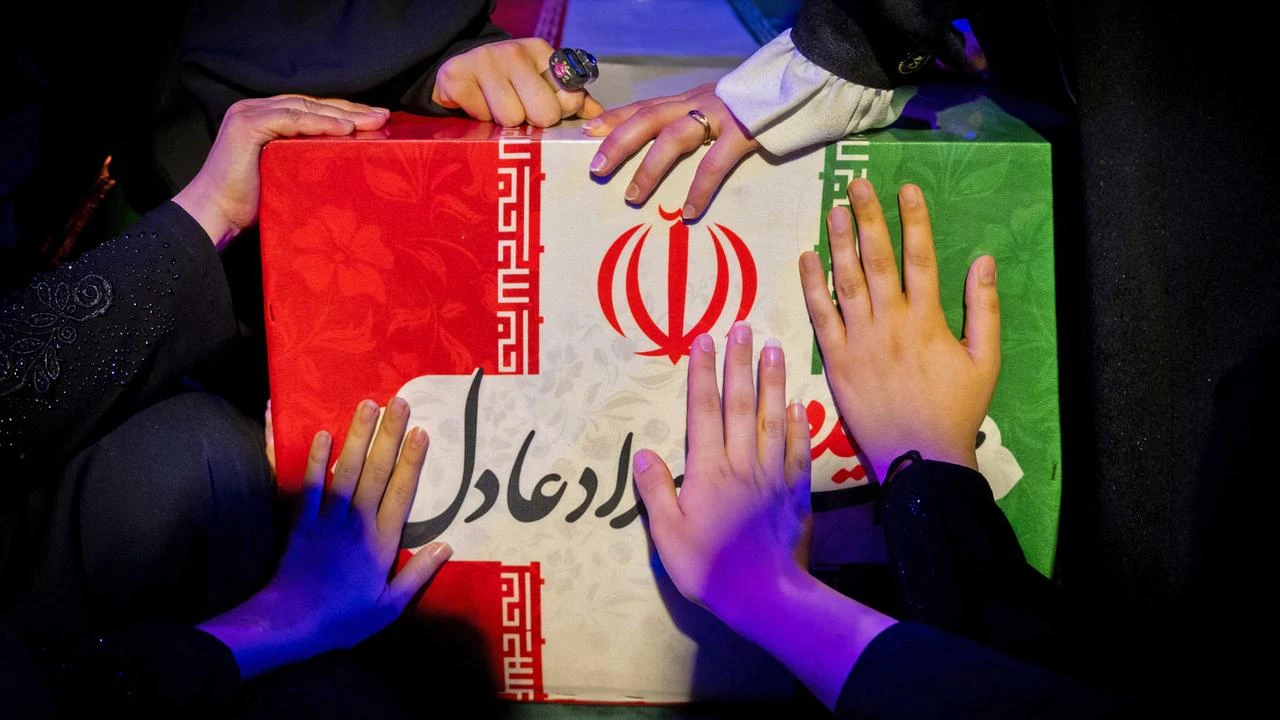
Iran began a week of funeral ceremonies for late Supreme Leader Ali Khamenei on July 3, as his body lay in state at the Grand Mosalla in Tehran. The ceremonies are set to move through major Shi'ite religious centers before his burial in Mashhad, near the tomb of Imam Reza.
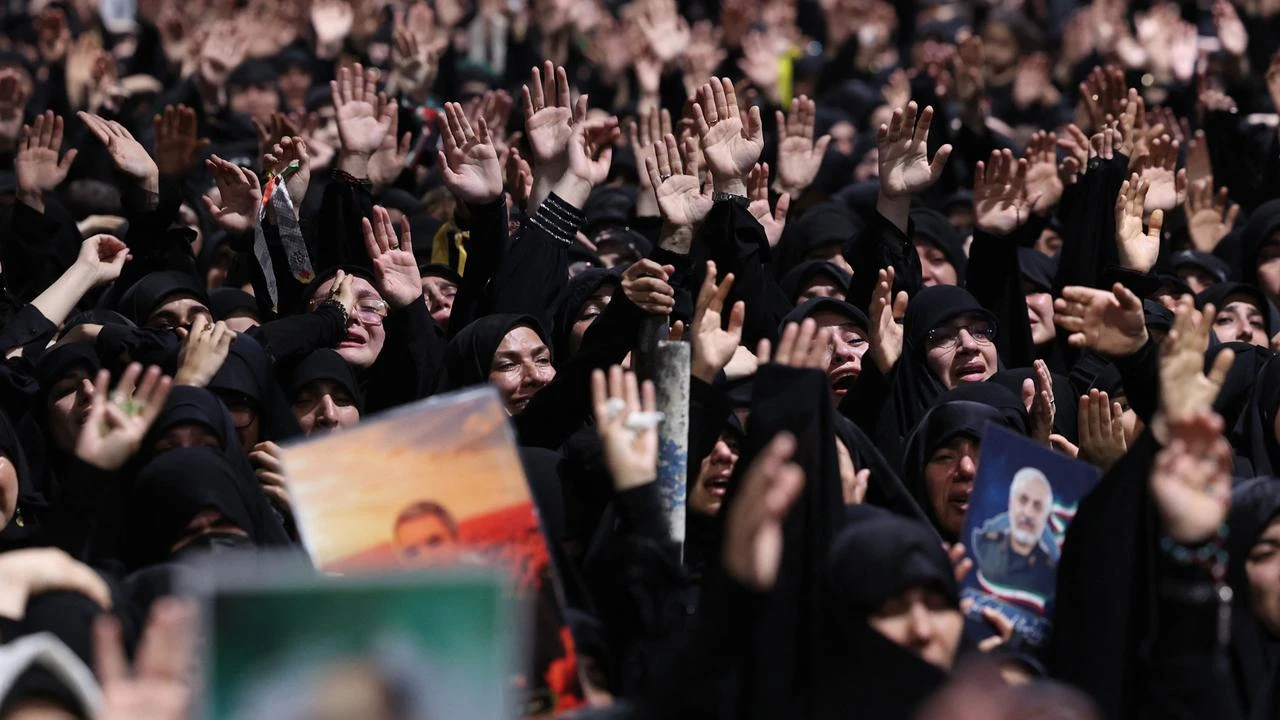
A police officer stood guard at the entrance of the Grand Mosalla, a major prayer complex in Tehran, where mourners gathered to pay their respects. Military and police vehicles lined key roads, while police and Basij members, a volunteer paramilitary force, patrolled the streets.
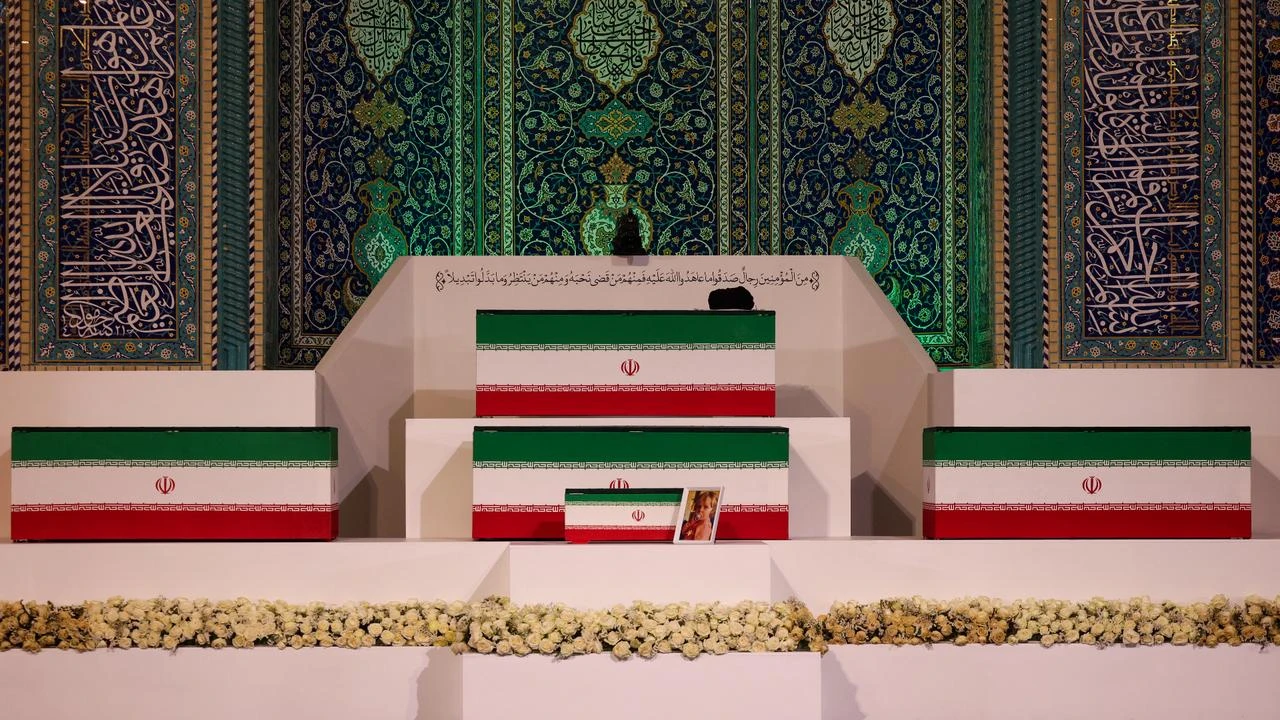
Khamenei's coffin was laid out in a vast prayer hall alongside coffins of family members killed with him. The ceremony drew clerics, state officials, foreign dignitaries and supporters, turning the hall into the center of Iran's official mourning.
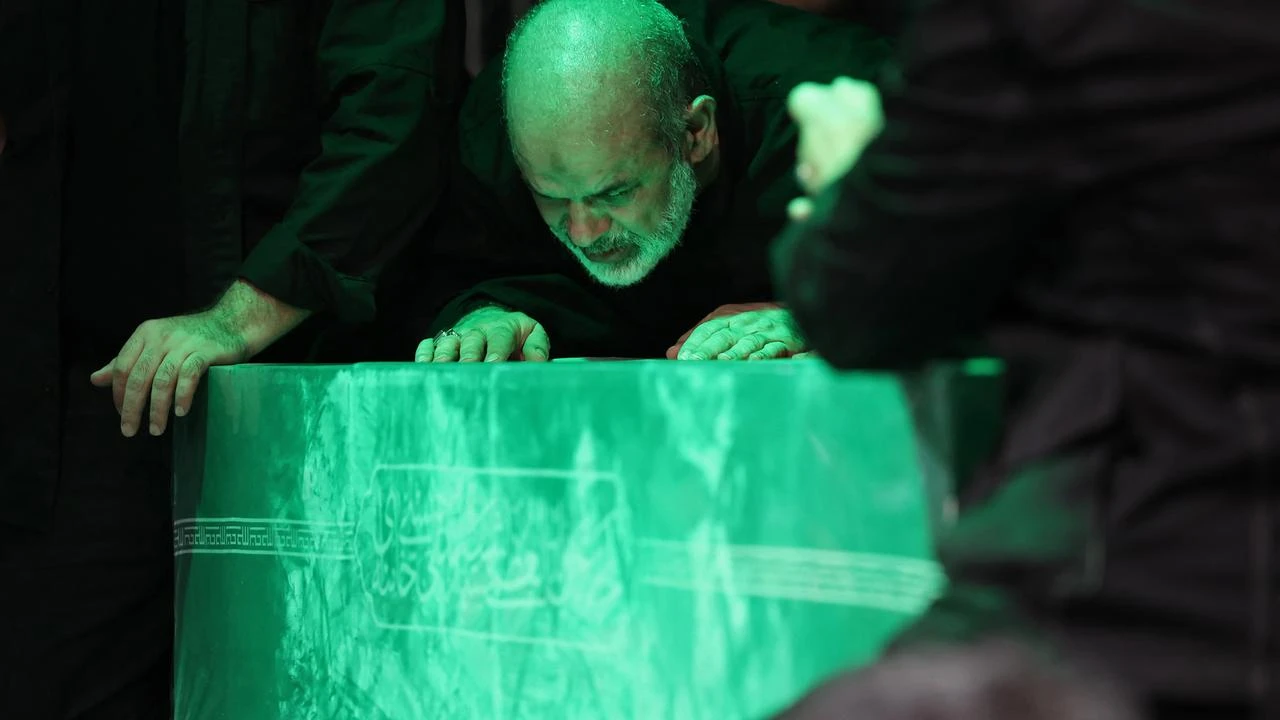
The funeral comes at a sensitive time for the Islamic Republic, after Khamenei's 37-year rule ended with his death in February during Israeli and U.S. airstrikes. Iranian authorities are presenting the ceremonies as a show of state unity and public devotion.
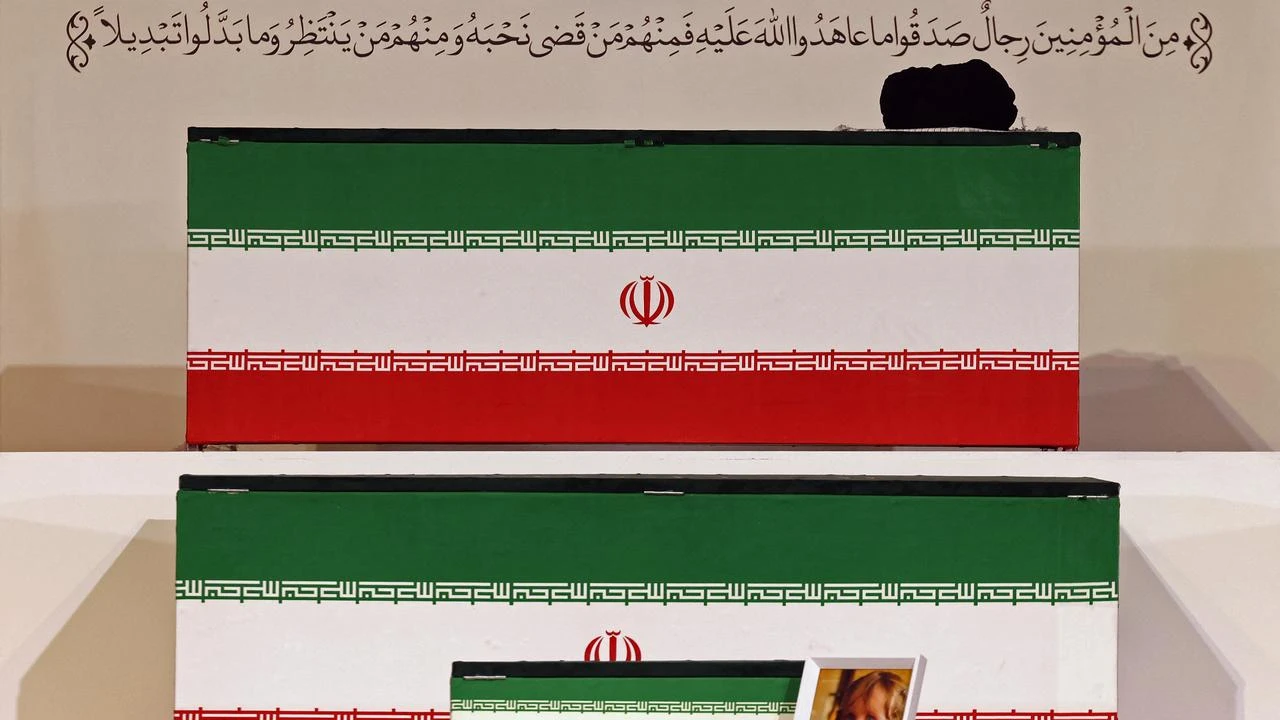
A black turban, worn by clerics who claim descent from the Prophet Mohammed (PBUH), was placed on the coffin over a folded checkered scarf. In Iran, the scarf is associated with revolutionary ideals and solidarity with Palestinians.
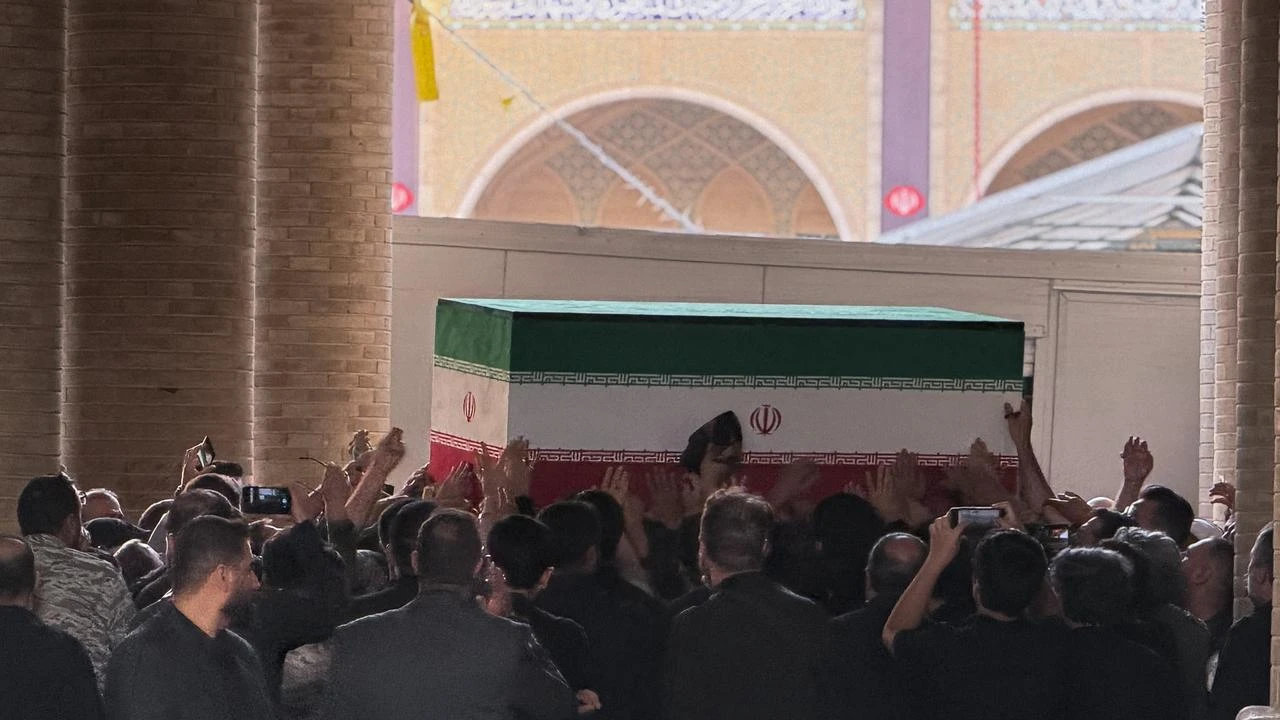
After the Tehran ceremonies, Khamenei's body is expected to be taken to Qom, a major Iranian seminary city, before ceremonies in Najaf and Kerbala in Iraq. These cities are among the most important centers for Shi'ite Muslims, the branch of Islam followed by Iran's ruling clerical establishment.
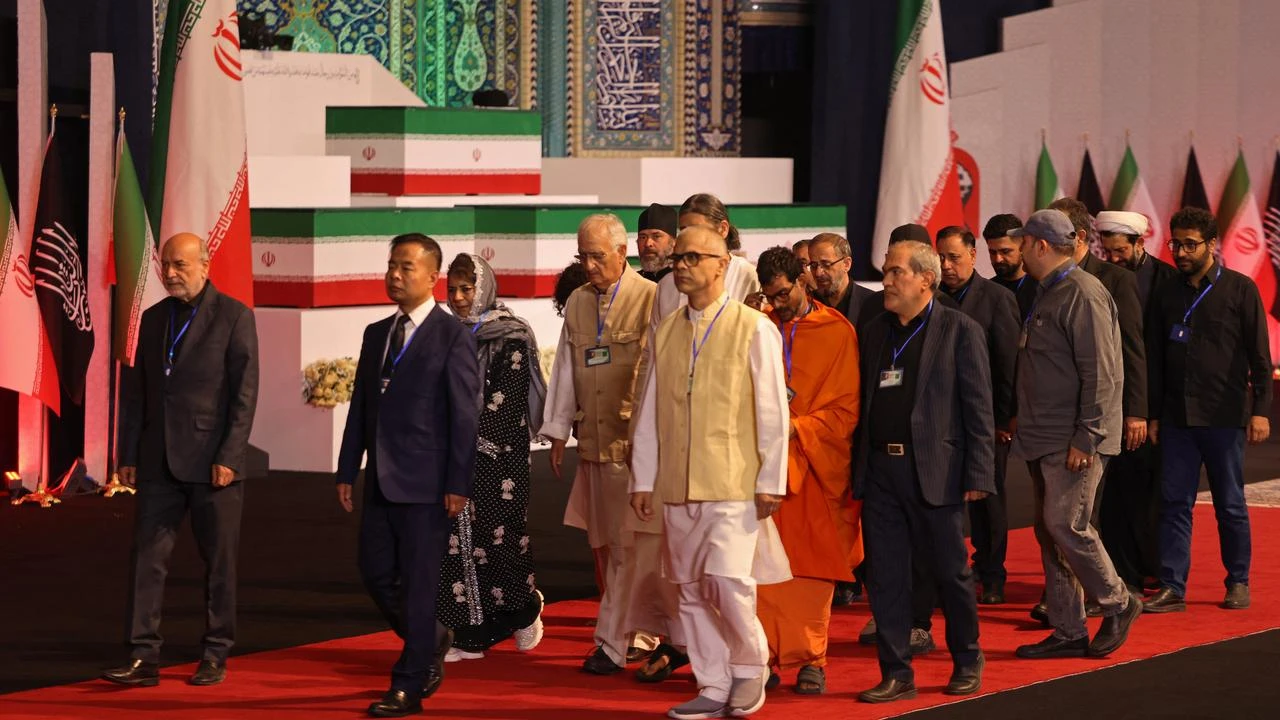
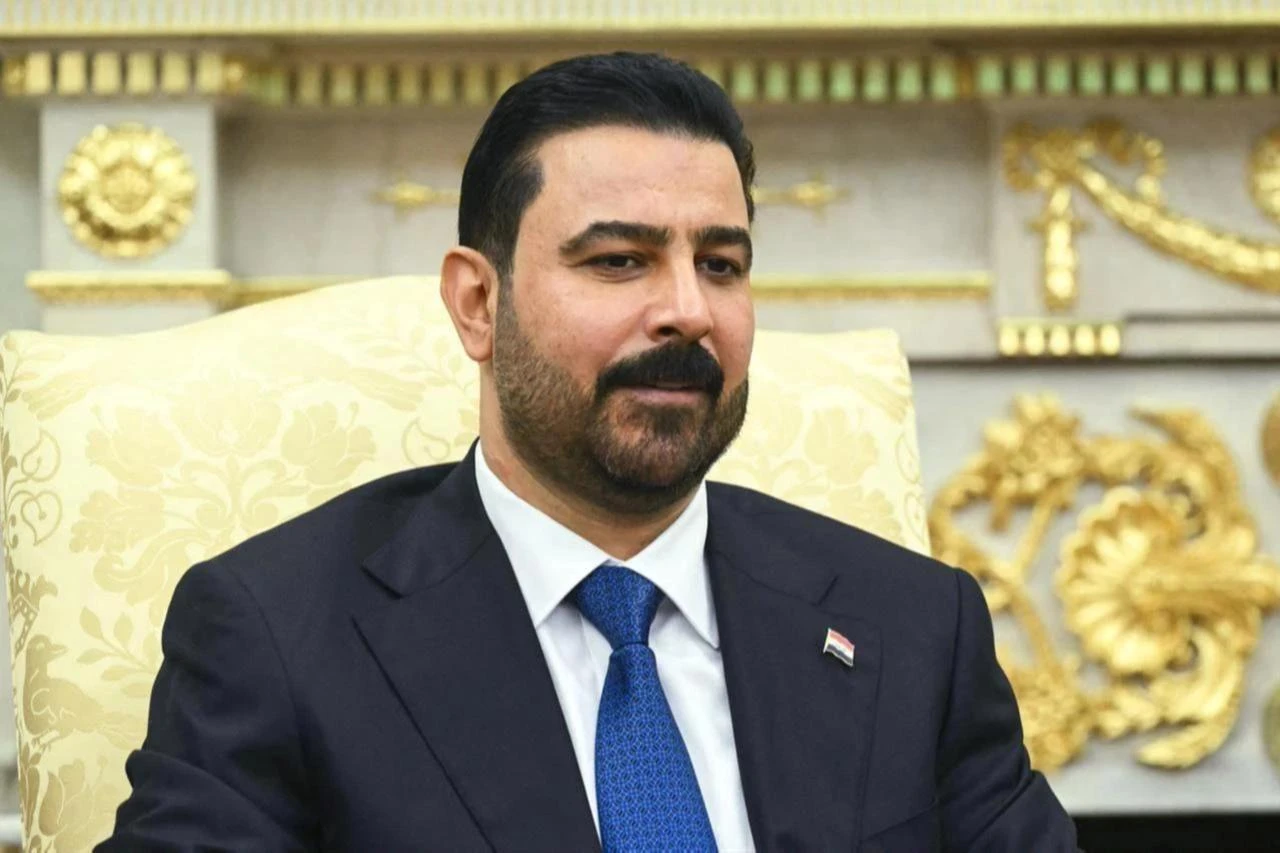
Top officials from Türkiye, Iraq, Armenia and Pakistan arrived in Tehran for the funeral, while representatives from Russia and China were also expected to attend.
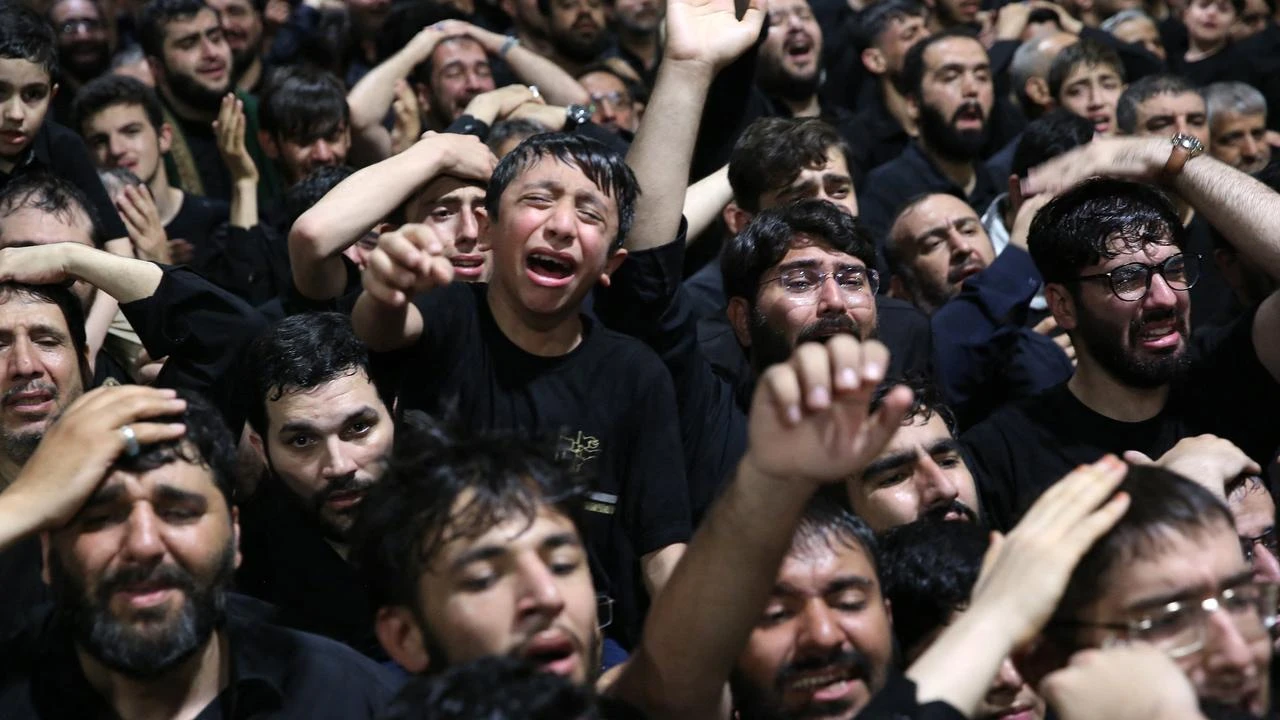
Authorities prepared schools, mosques and sports halls to house mourners, while hotels offered discounts and transport networks were redirected for the ceremonies. The burial had been postponed because of the war, although Islamic practice usually calls for burial within a day.
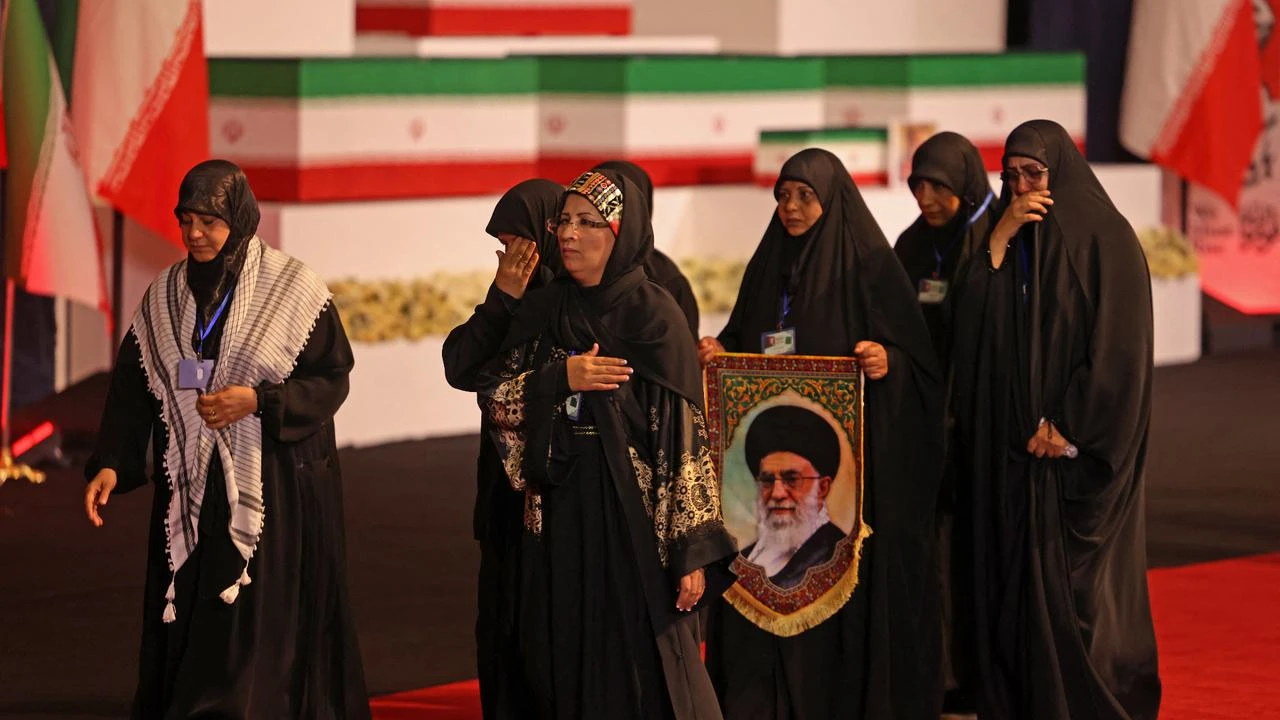
The funeral also takes place as Mojtaba Khamenei, Khamenei's son and Iran's new Supreme Leader, has not appeared in any new image since being wounded in the strike that killed his father. In Iran's system, the Supreme Leader is the country's highest political and religious authority.
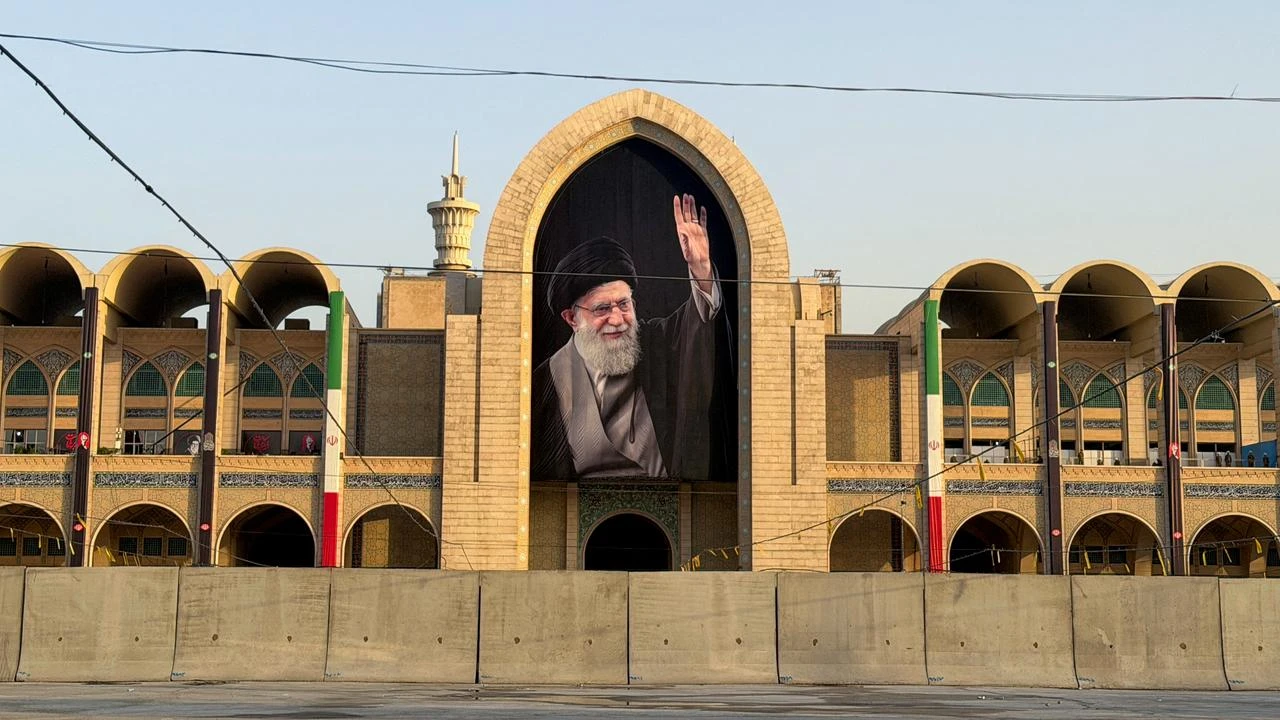
Following processions in Tehran, Qom, Najaf and Kerbala, Khamenei is expected to be buried on Thursday in Mashhad. The city is home to the tomb of Imam Reza, one of the most revered figures in Iranian Shi'ite devotion.


 Set as preferred source

 2 min read