Newsletters




Iran's Revolutionary Guard Corps launched an armed incursion onto Kuwait's Bubiyan Island, Kuwaiti authorities said Tuesday, with IRGC elements clashing directly with Kuwaiti troops stationed there, just hours after Kuwait separately announced the arrest of four individuals allegedly affiliated with the paramilitary force who had attempted to enter the country by sea.
Kuwait's Foreign Ministry summoned Iranian Ambassador Mohammad Totonji to receive a formal diplomatic protest, with Deputy Foreign Minister Hamad Suleiman al-Mashaan handing him a note condemning the operation as an "armed infiltration" and a "hostile act." The ministry declared that Kuwait holds Iran fully and unconditionally responsible for what it called a "blatant violation" of Kuwaiti sovereignty, international law, the UN Charter, and UN Security Council Resolution 2817 of 2026, and that Kuwait reserves the full right to defend itself under Article 51 of the UN Charter. Iran did not immediately acknowledge the allegation.
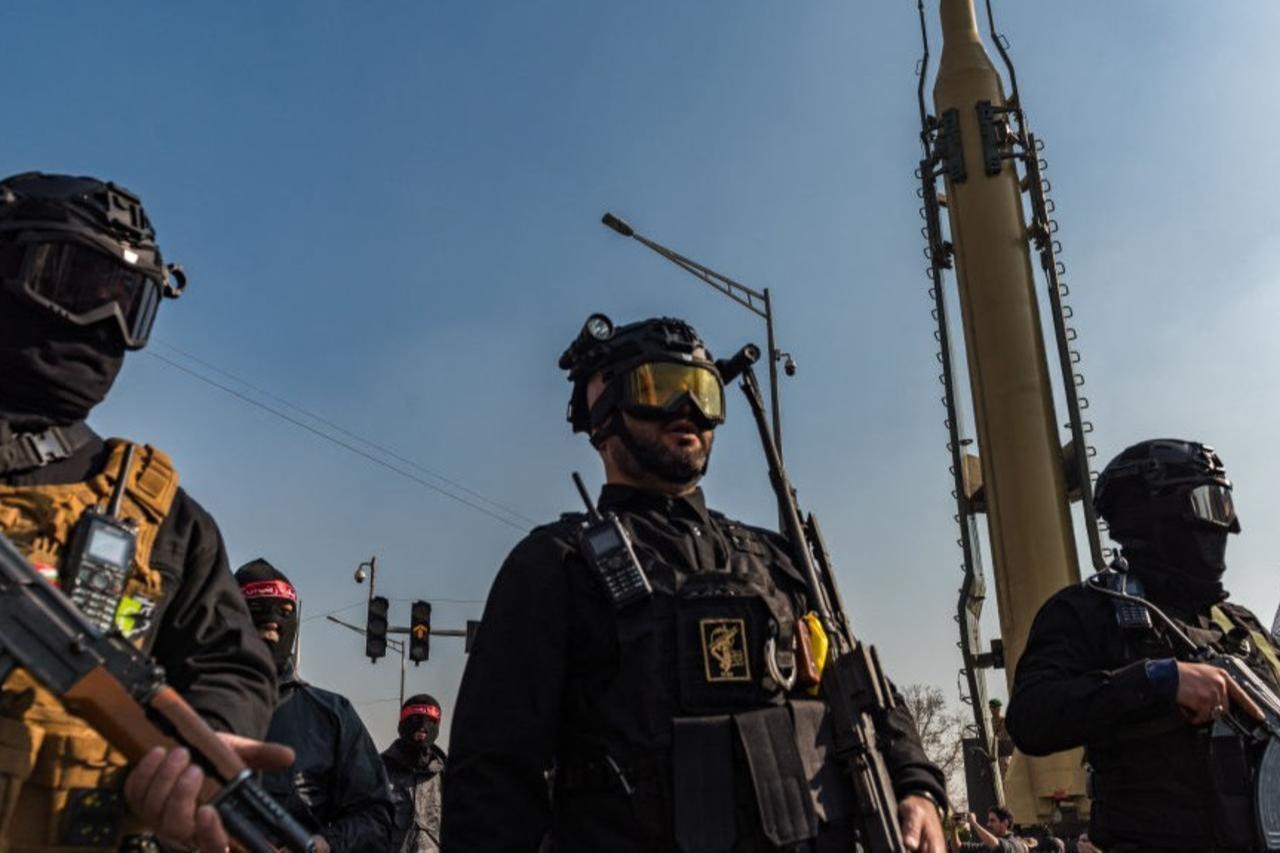

Hours before the diplomatic protest, Kuwait's Interior Ministry announced the arrest of four individuals who had attempted to infiltrate the country by sea and who, during interrogation, admitted to membership in the IRGC. According to state news agency KUNA, the men confessed that they had been tasked with infiltrating Bubiyan Island aboard a specially chartered fishing boat in order to carry out "hostile acts against Kuwait."
The four detainees were identified as two IRGC naval colonels, Amir Hossein Abdolmohammad Zaraei and Abdolsamad Yedaleh Ghanavati; a naval captain, Ahmad Jamshid Gholamreza Zolfaghari; and First Lieutenant Mohammad Hossein Sohrab Foroughi Rad. Two other members of the six-man team, Naval Captain Mansour Qambari and vessel commander Abdulali Kazem Siamri, escaped during the confrontation. Kuwait said one of its security officers was wounded in the exchange of fire. Authorities said a search for the two fugitives is ongoing and that all security services remain on high alert.
Kuwait's Defense Ministry had first disclosed the incident on May 3, without identifying the attackers or their affiliations. The IRGC link was made public only on Tuesday, after interrogations produced confessions. Kuwait offered no explanation for the delay.
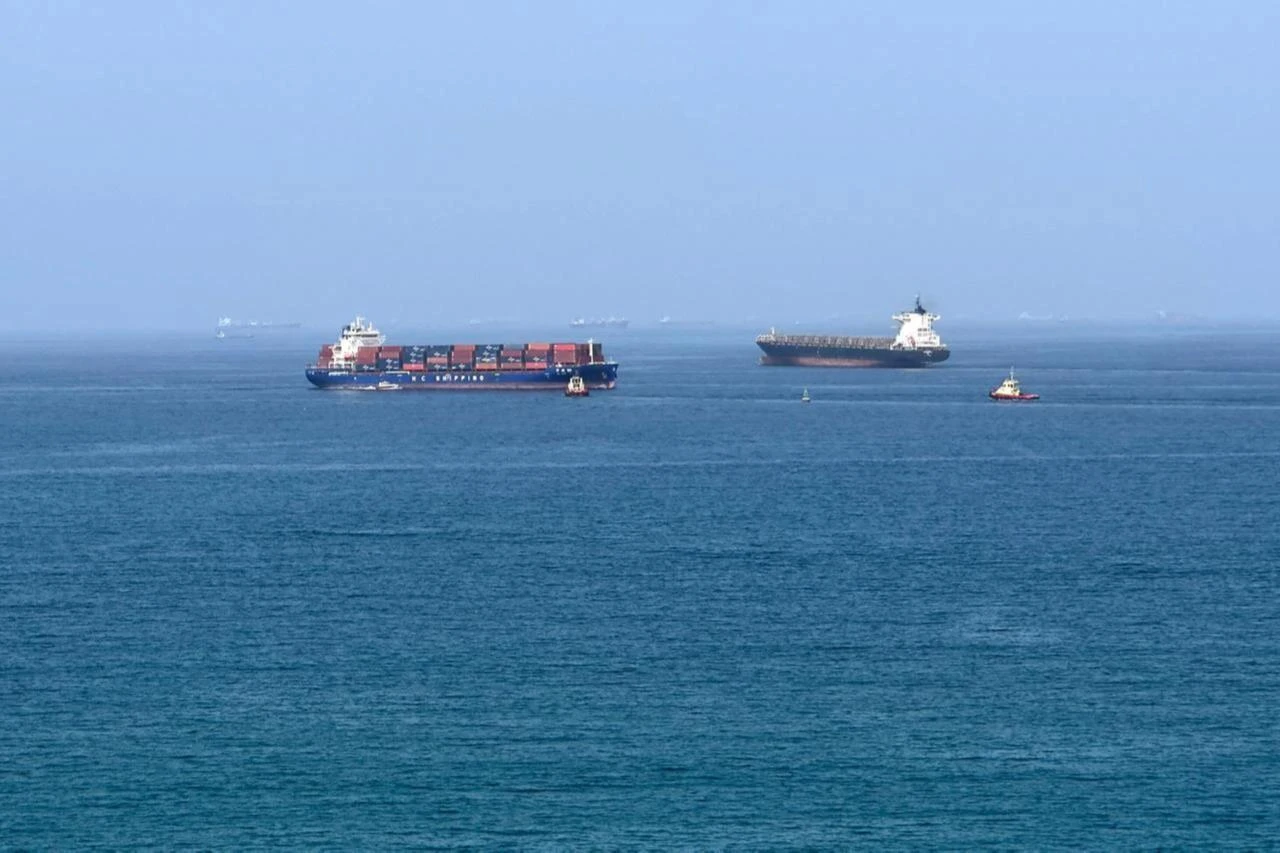
Bubiyan Island sits at the northern tip of the Persian Gulf near the Iraqi border, close to Kuwait's northern oilfields, key military installations, and a contingent of US Marines. The Mubarak Al Kabeer port under construction there, part of China's Belt and Road Initiative and Kuwait's Vision 2035 development plan, had already come under Iranian attack earlier in the conflict. The island's position near both Iranian and Iraqi territory, as well as its proximity to critical international shipping lanes, makes it among the most sensitive terrain in the Gulf.
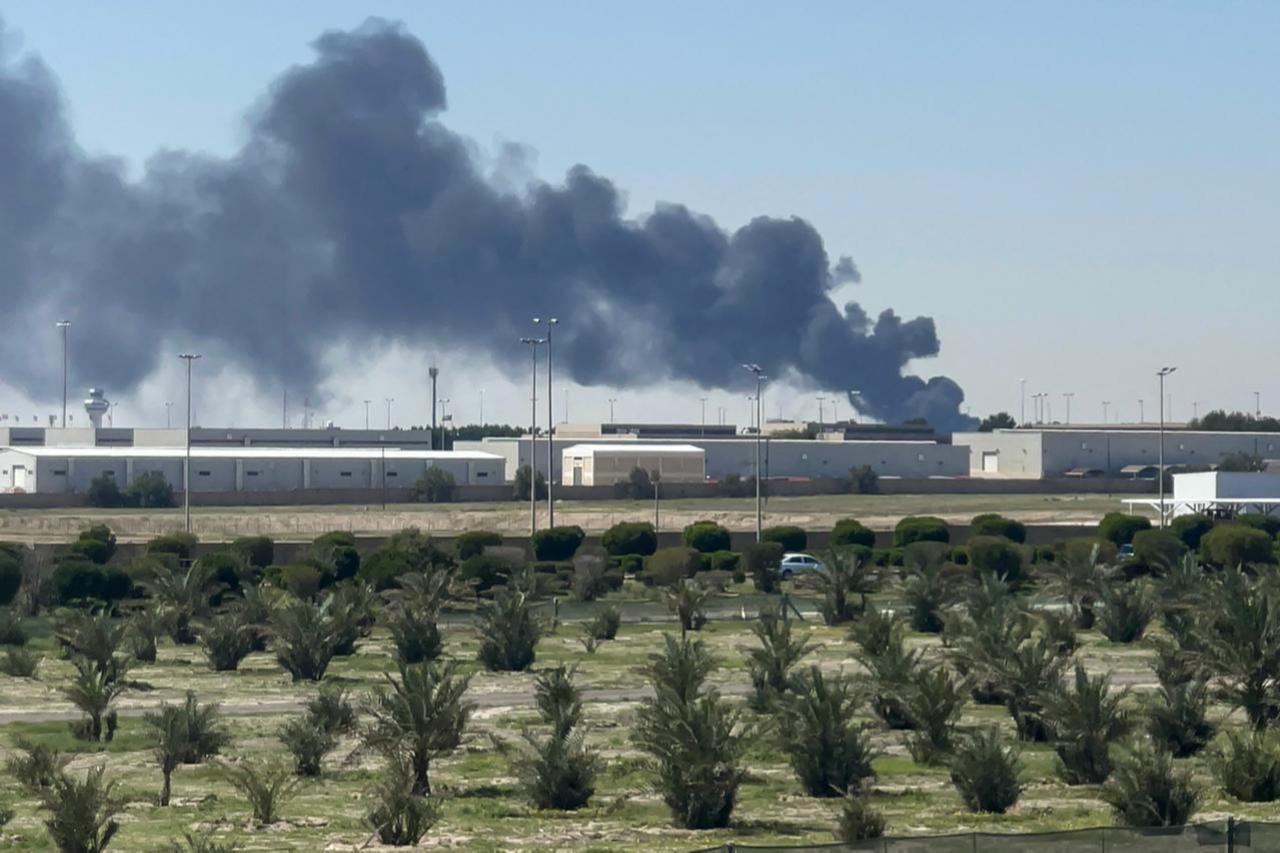
The incident is not the first time Kuwait has attributed an attack to Iran during the ongoing conflict. Kuwait has previously blamed Iran for strikes on the Mina al-Ahmadi oil refinery, one of the Middle East's largest, and on a power and desalination plant where an Indian national was killed in late March. Iran denied responsibility for those incidents, attributing them instead to Israel.
The Gulf Cooperation Council's secretary general, Jasem Mohamed Albudaiwi, condemned the infiltration as "a direct threat to the security and stability of the region" and a "systematic attempt to destabilize regional peace," affirming full GCC backing for Kuwait. The UAE's deputy prime minister and foreign minister also condemned the operation in what he called "the strongest terms," and Bahrain's foreign minister phoned his Kuwaiti counterpart to affirm Kuwait's right to take all necessary protective measures.
In a parallel development on Tuesday, Bahraini prosecutors announced prison sentences for at least two dozen people on charges including espionage and conspiracy linked to the IRGC, with three receiving life sentences. Bahrain, a Sunni-ruled island kingdom with a Shiite-majority population, has handed down dozens of Iran-related convictions since the conflict began. Rights groups have alleged that Manama has broadened its crackdown on dissidents and Shiites under cover of the war.


 Set as preferred source
 Set as preferred source


 1 min read
 1 min read