Newsletters


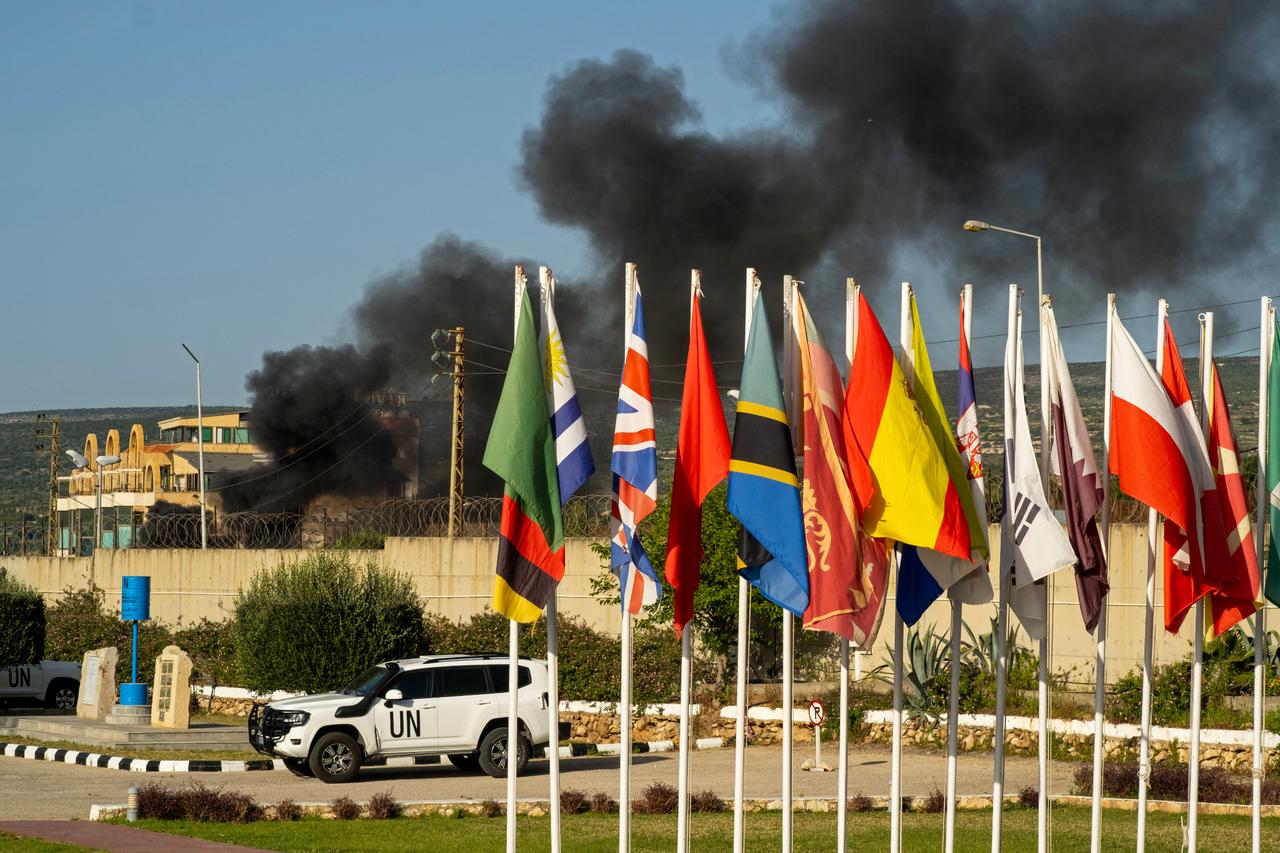


The ceasefire between Israel and Lebanon has been extended for another 45 days following U.S.-mediated talks in Washington, the State Department announced on Friday.
The current truce, which had already been prolonged once, was due to expire Sunday. The U.S, Israel, and Lebanon nevertheless continue to consider the ceasefire in effect despite recurring violence along the border.
U.S. State Department spokesperson Tommy Pigott said the "April 16 cessation of hostilities" would remain in place to allow further diplomatic progress.
Washington also scheduled a new round of political negotiations for June 2-3, while military representatives from both countries are expected to meet at the Pentagon on May 29 as part of a separate security track.
A separate security meeting involving military delegations from Lebanon and Israel is also scheduled at the Pentagon on May 29.
"We hope these discussions will advance lasting peace between the two countries, full recognition of each other’s sovereignty and territorial integrity, and establishing genuine security along their shared border," Pigott added.
Israel’s ambassador to Washington, Yechiel Leiter, who led the Israeli delegation, said after the talks that ensuring Israel’s security would remain critical, adding that despite possible "ups and downs," the negotiations carried strong potential for success.
The Lebanese delegation also welcomed the extension, saying the talks could help pave the way for a lasting political agreement and greater stability.

Lebanese Prime Minister Nawaf Salam described the negotiations with Israel as "difficult" and stressed the need to rebuild state institutions and reinforce national sovereignty after months of conflict.
"We have no way out of our predicament except by confronting the whole truth, however bitter it may be," Salam said. "So that together, without exclusion or coercion, we can strengthen our internal structure and reinforce our institutions."
Salam also indicated that Lebanon would seek a U.N. mission to gather evidence and investigate alleged crimes committed by Israel.
"Our country is going through the most dangerous crisis since the establishment of the Lebanese state," he noted, arguing that "any real rescue of Lebanon today is impossible without a clear return to the logic of the state."
He also urged Arab and international actors to support Beirut as negotiations entered a new phase following the extension of the ceasefire agreement.
The latest discussions marked the third round of negotiations hosted by the U.S. State Department.
According to a department official, the American delegation included State Department Counselor Michael Needham, U.S. Ambassador to Israel Mike Huckabee and U.S. Ambassador to Lebanon Michel Issa. Lebanon was represented by Ambassador Nada Hamadeh Moawad and presidential envoy Simon Karam.
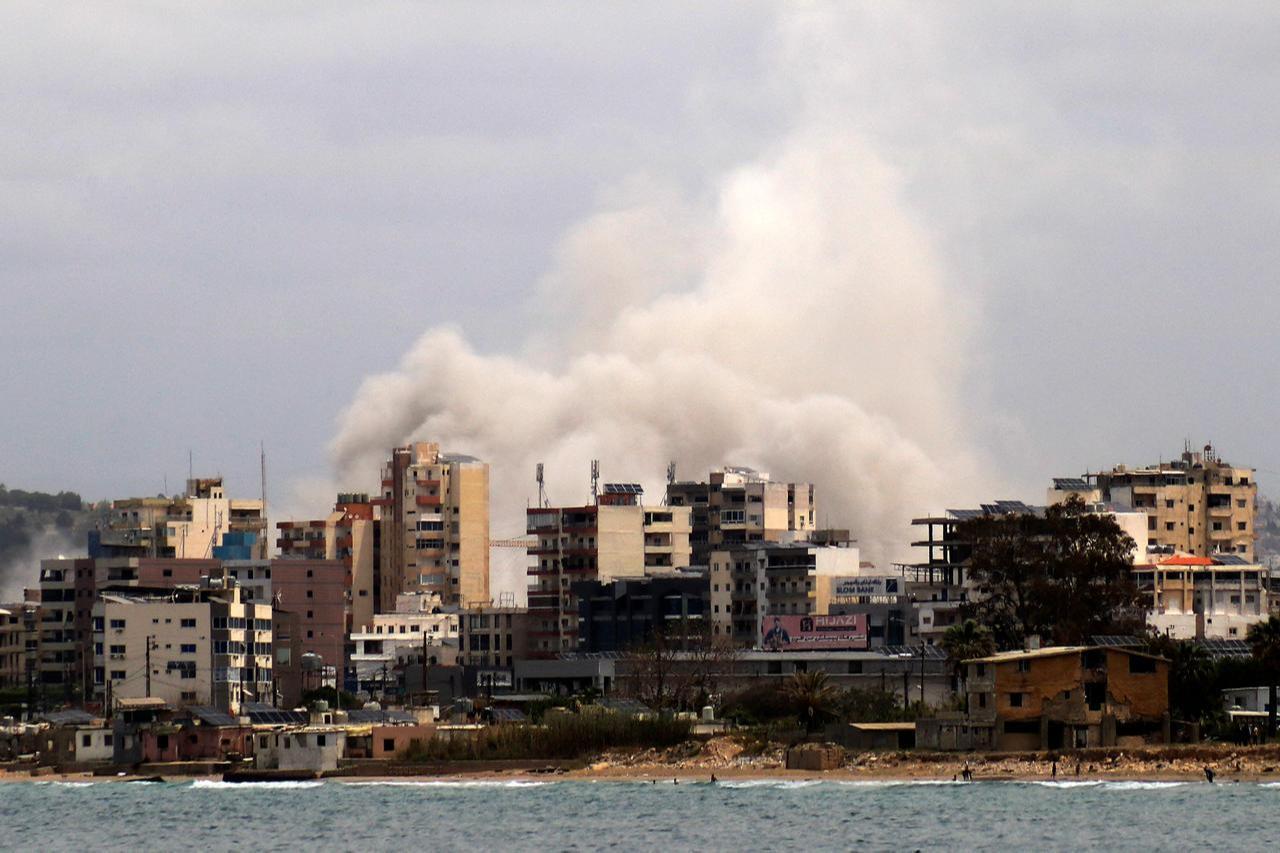
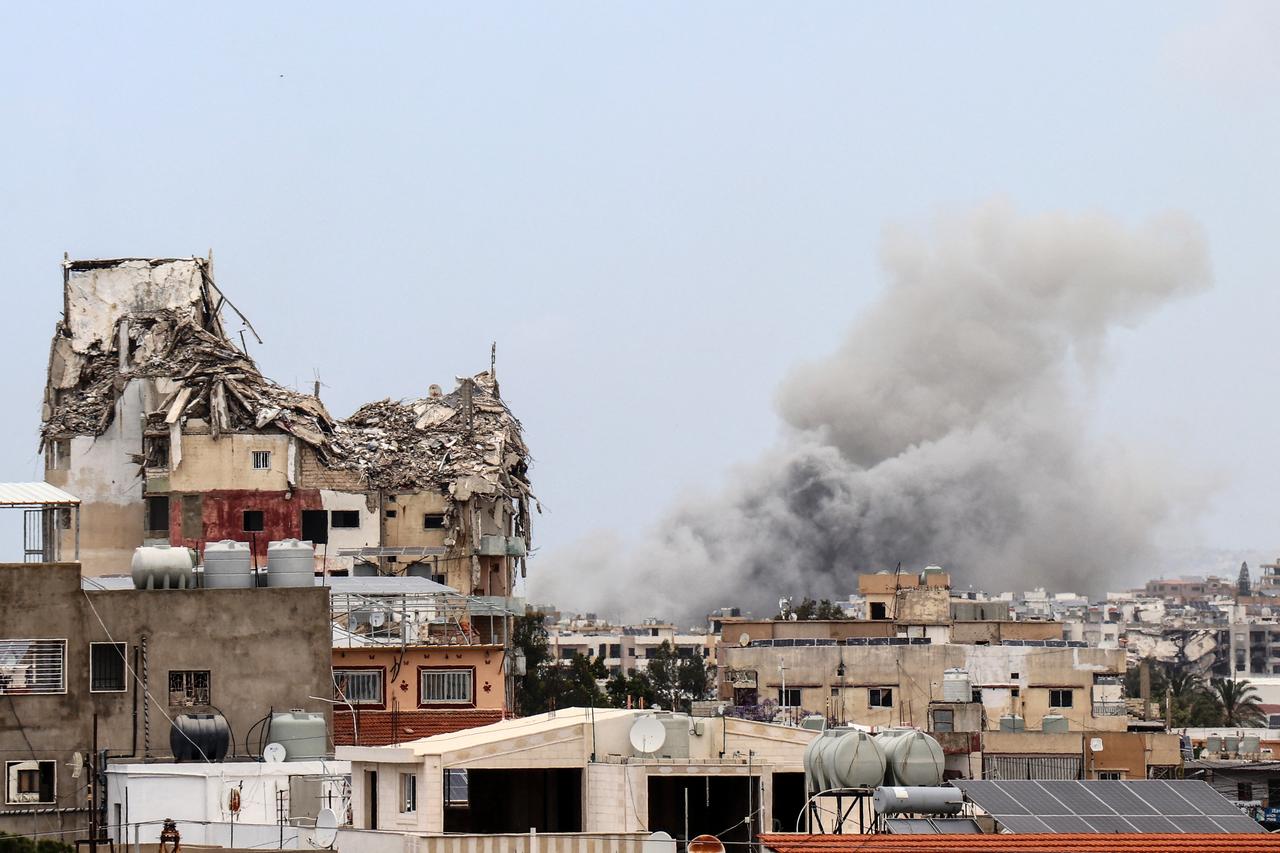
Israel has maintained that it will continue targeting Hezbollah positions despite the ceasefire, carrying out fresh airstrikes near the coastal city of Tyre on Friday that Lebanese authorities said wounded at least 37 people, including hospital workers, women and children.
Lebanon was drawn into the regional conflict on March 2 after Iran-backed Hezbollah launched rockets at Israel, with Lebanese authorities reporting that Israeli attacks since then have killed more than 2,900 people, including over 400 after the April 17 truce took effect.
Hezbollah, which exchanged cross-border fire with Israel during the conflict, is not taking part in the negotiations in Washington.


 Set as preferred source
 Set as preferred source


 1 min read
 1 min read