Newsletters


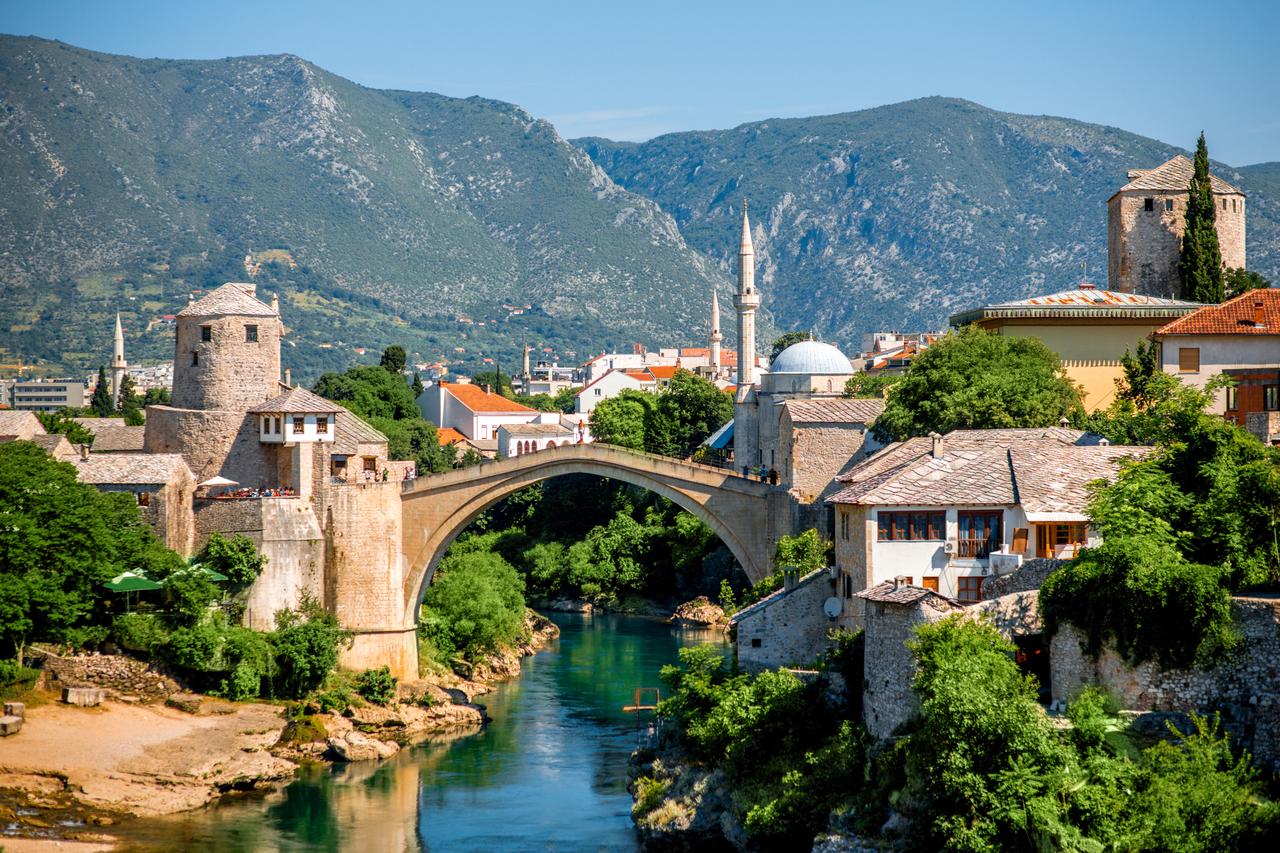


Walk through any marketplace or street in the Balkans today and the words you hear carry centuries of history. Turkish loanwords from the Ottoman era, Greek, Latin traces from Byzantine and Roman times along with Slavic roots all shape everyday Balkan speech.
The Ottoman Empire’s expansion into the Balkans in the 14th century brought not only political control but also new administrative systems, urban centers and social structures. This introduced a wave of Turkish words that became deeply embedded in local languages, especially in architecture, trade, urban life and food.
Some examples of Turkish-derived words still in everyday use include:
avlu (courtyard), carsi (market), konak (mansion), kahvehane (coffeehouse), hamam (bath), bostan (vegetable garden), sokak (street) and tavan (ceiling).
In rural areas, villages transformed into important towns under Ottoman administration, spreading Turkish vocabulary even further. Dialects also evolved uniquely in different regions: for example, in the Torlak dialect, dukkan is pronounced dukkan, while in southern Albanian dialects, kahvehane becomes kafehane.
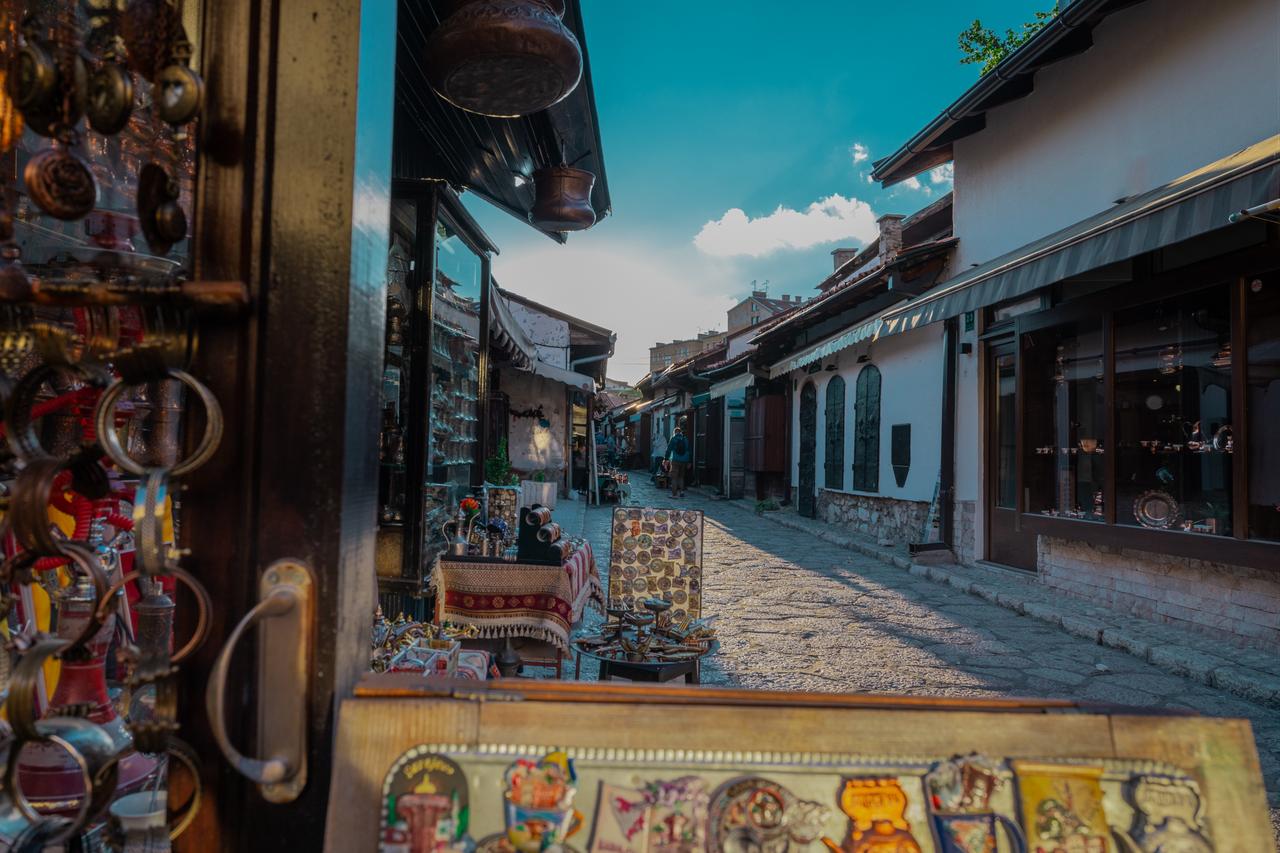

Long before the Ottomans, the Balkans were influenced by Byzantine Greek and Roman Latin, especially in religion, law, education, and trade. Greek loanwords remain common: agora (marketplace), ikon (religious icon), bibliotheke (library) and psomi (bread). Latin contributions include kalendar (calendar), porta (gate) and castrum (fortress).
These layers coexist with Turkish terms, reflecting a multi-stranded history where urban centers, rural villages and multilingual communities all contributed to the evolution of Balkan languages.
Slavic languages form the backbone of everyday communication across much of the Balkans, particularly in Serbia, Croatia, Bosnia, Bulgaria and North Macedonia. Words for nature, agriculture and community life, like grad (city), voda (water) and selo (village) remain central to regional vocabulary.
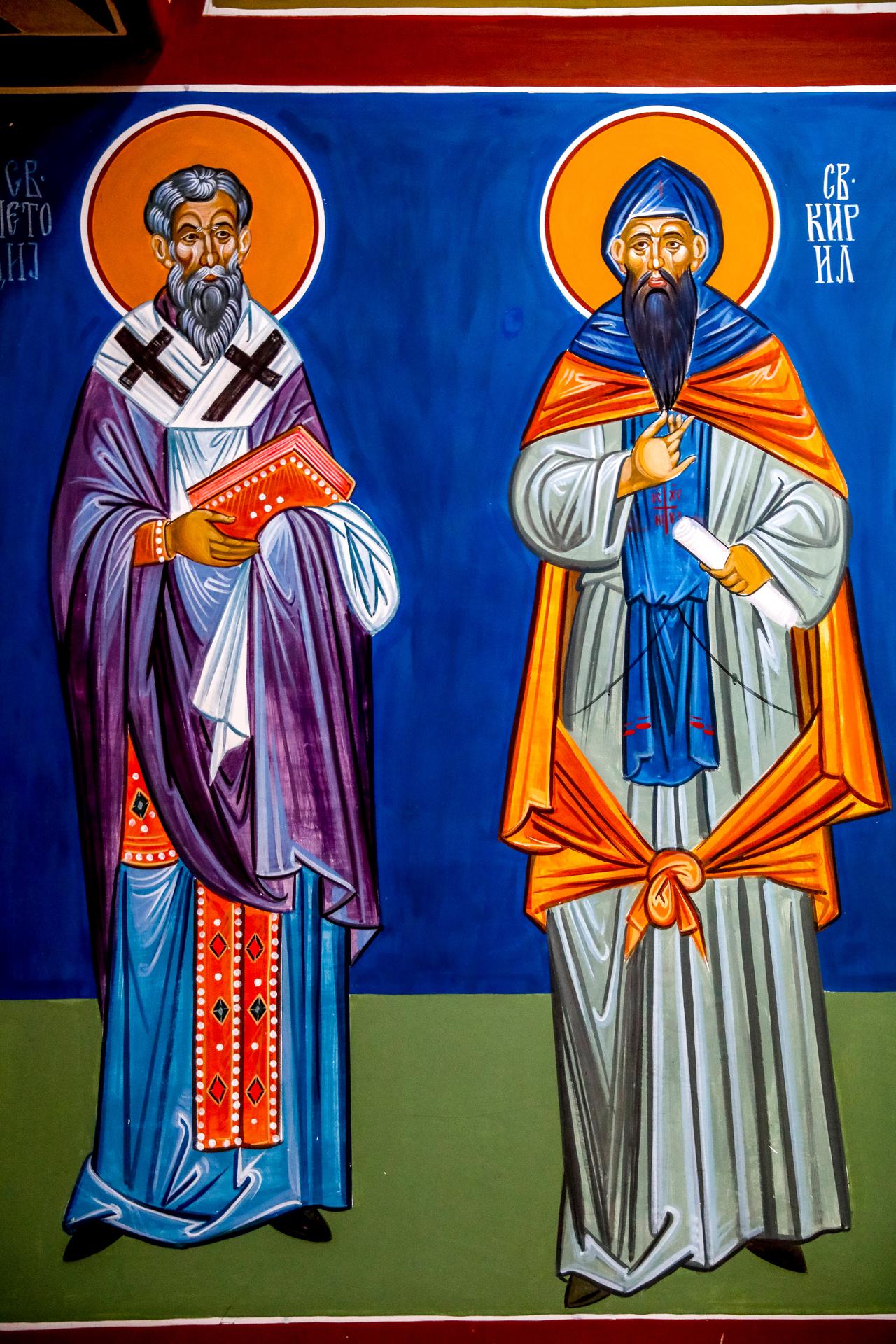
The region’s shared Slavic heritage is deeply connected to literacy and culture introduced by Saints Cyril and Methodius in the 9th century. They created the Glagolitic alphabet to write Old Church Slavonic, which later evolved into the Cyrillic alphabet. Their work not only preserved religious and literary texts but also laid the foundation for the written forms of many South Slavic languages spoken today.
Local dialects add another layer of richness. For example, the Torlak dialect spoken in southeastern Serbia, northern North Macedonia and western Bulgaria blends Slavic roots with Turkish and Greek loanwords.
In Macedonian dialects of the Polog and Pelagonia regions, Turkish words like carsi (market) appear alongside Slavic terms like selo (village). Romani communities have also contributed words used in trade, music and travel, such as chavo (boy) and drom (road).
Balkan languages share more than just vocabulary. Linguists call this phenomenon the Balkan Sprachbund, where unrelated languages influence each other structurally through centuries of close contact.
A striking example is the postposed definite article, where the word for “the” is attached to the end of a noun instead of placed before it, as in English. For instance:
Other shared features include simplified verb constructions, often replacing the infinitive with subjunctive clauses, and common patterns for prepositions and conjunctions.


 Set as preferred source
 Set as preferred source



 2 min read