Newsletters


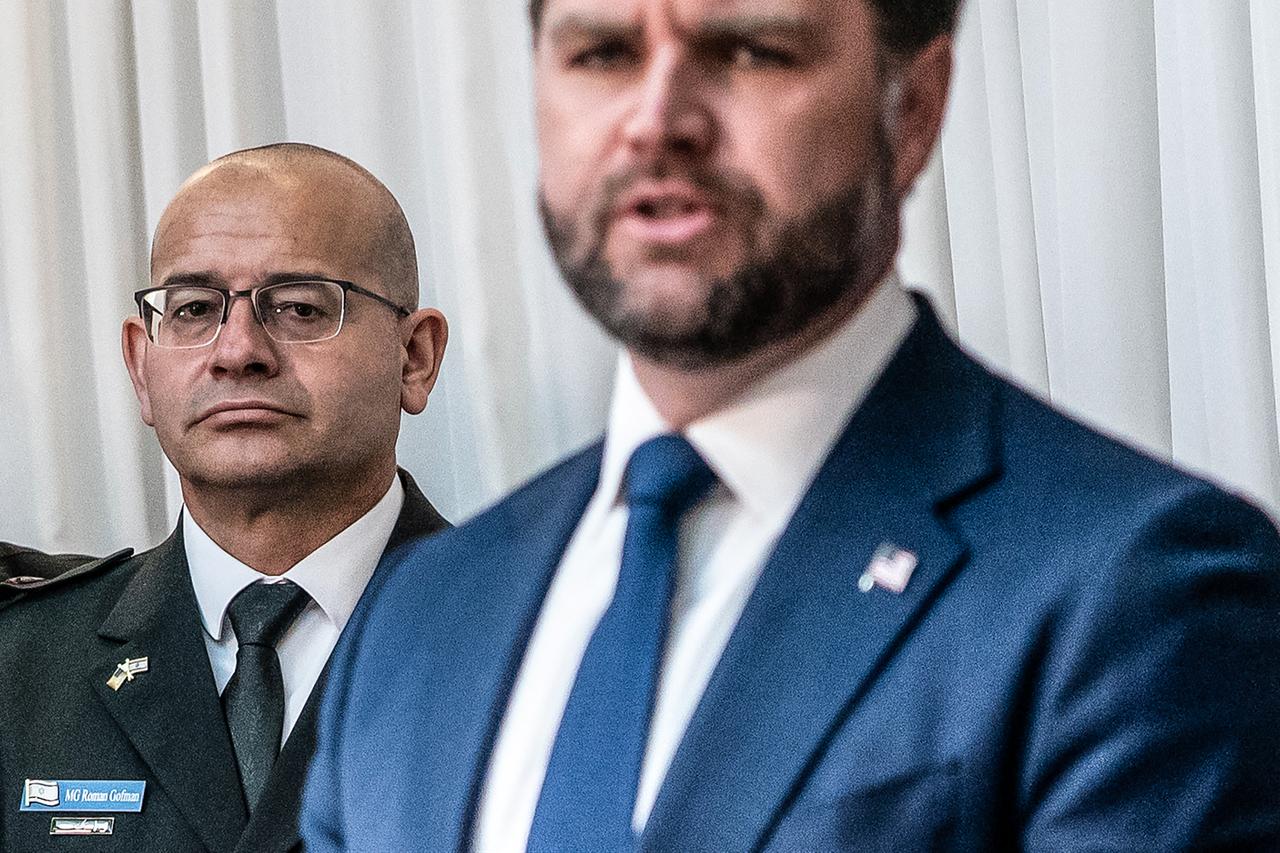


Israeli Prime Minister Benjamin Netanyahu has signed the appointment of Maj. Gen. Roman Gofman was the next head of the Mossad after his candidacy was approved by the advisory committee for senior appointments, even as the move drew legal challenges and criticism from some former officials and petitioners.
Netanyahu’s office said the committee, headed by former Supreme Court President Asher Grunis, approved Gofman’s candidacy.
“Following the committee’s approval, Prime Minister Benjamin Netanyahu signed the appointment letter for the next Mossad chief, Maj. Gen. Roman Gofman, who will assume his position on June 2, 2026, for a term of five years,” the office said in a statement cited by Yedioth Ahronoth.
Gofman currently serves as Netanyahu’s military secretary and is set to succeed David Barnea in one of Israel’s most sensitive security posts.
In a post on X, Netanyahu said he signed the appointment after it was approved by the Grunis Committee.
He said Gofman had served as his military secretary for the past two years and described him as “an outstanding, bold, and creative officer.”
Netanyahu said Gofman had shown “out-of-the-box thinking and impressive tactical acumen” throughout the war.
“I wish Major General Gofman great success in his next role as head of the Mossad, and I am confident that he will do much for Israel's security,” Netanyahu wrote.
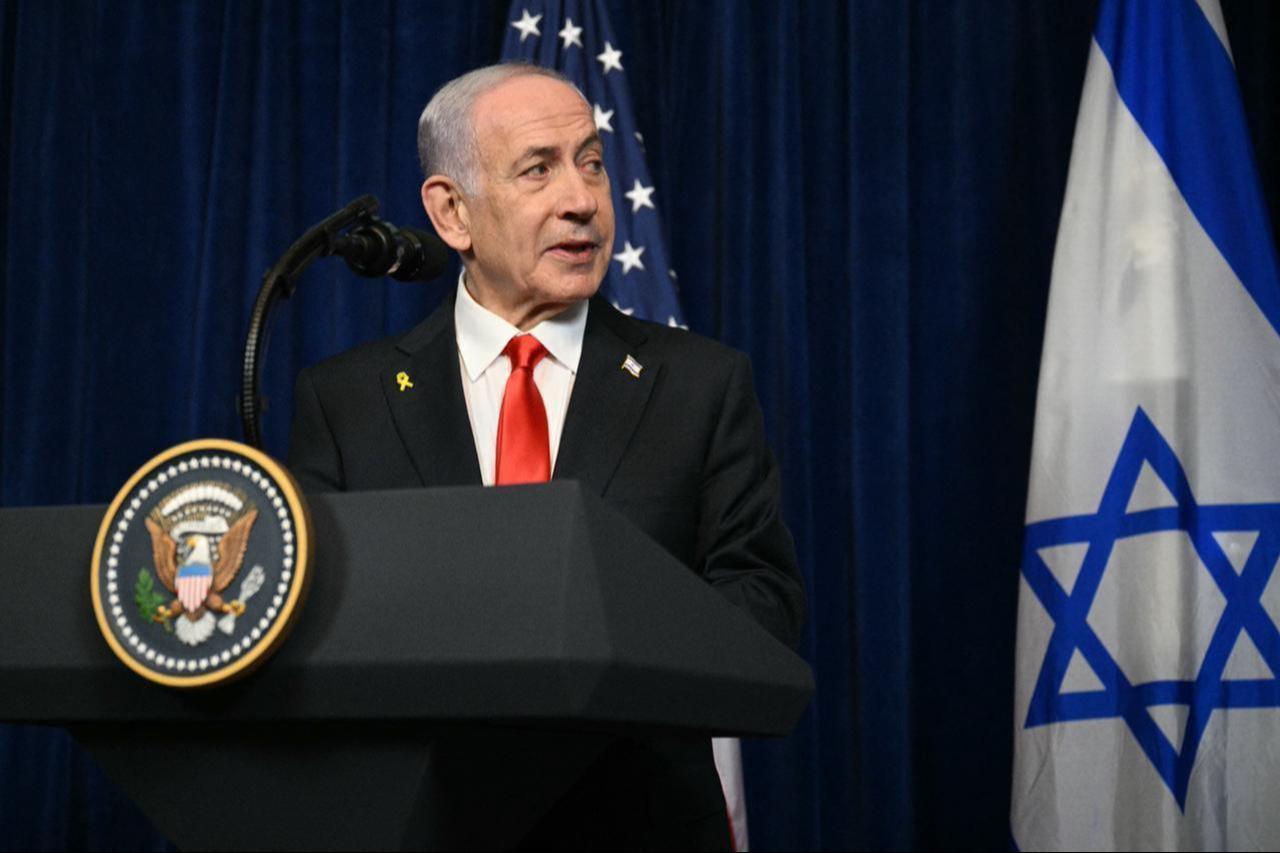

The appointment has been challenged before Israel’s High Court of Justice by Uri Almakiis and the Movement for Purity of Government.
According to the petitions, Almakiis said he had been recruited as a minor for an unauthorized and unlawful intelligence operation with Gofman’s approval and was later arrested and questioned by Shin Bet on suspicion of serious security offenses.
The petitions said Almakiis was held for about one year and nine months under restrictive conditions, faced serious accusations, and was later acquitted and fully cleared of all charges.
Petitioners asked the court to freeze the appointment through an interim order before it takes effect.
Judge Yael Wilner referred the petition for discussion but did not issue such an order.
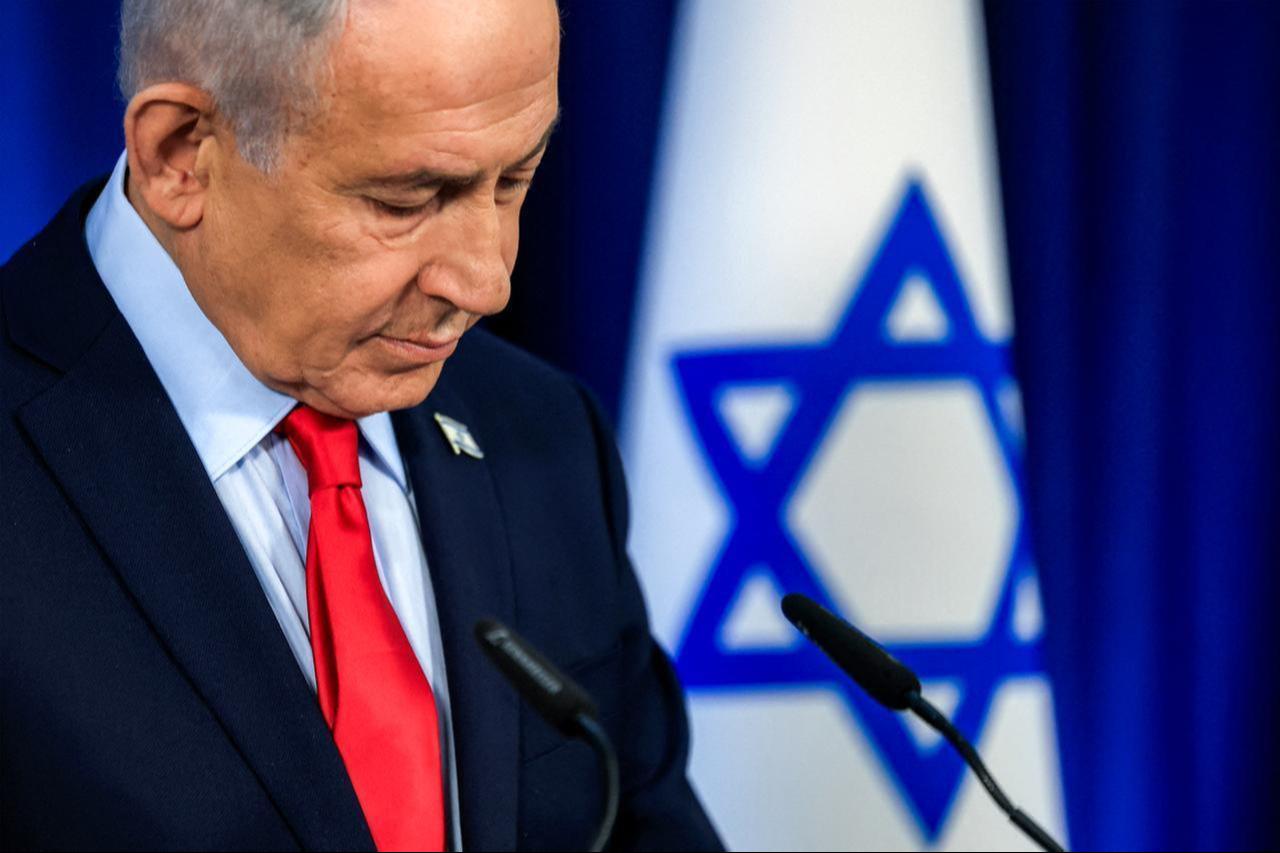
The petition says the case involving Almakiis raises serious allegations centered on Gofman, including claims of defects in integrity, failure to tell the truth in an IDF investigation, silence throughout the detention and trial process, evasion of responsibility, and unreliability.
It also says the advisory committee’s decision lacked an adequate factual basis.
According to the petitioners, committee members refused to hear Almakiis in person and instead relied on media interviews with him while also not summoning a relevant brigadier general who served as an operations colonel in military intelligence during the period in question.
The petition further argues that the committee decision reflected significant factual contradictions between the facts presented by members who approved the appointment and the minority opinion of Grunis.
It also says the decision was made at a time when two committee members, Talia Einhorn and Moshe Teri, were barred for security-classification reasons from reviewing secret documents shown only to Grunis and another committee member, Daniel Hershkowitz.
Petitioners said that because half the committee members were prevented from seeing the classified material, their positions should not carry weight.
 1 min read

The petitioners said Grunis expressed a minority opinion that Gofman was not fit to lead the Mossad because of flaws in integrity.
They also said current Mossad chief Dedi Barnea opposed Gofman’s appointment.
Former deputy head of Israel’s National Security Council Eran Etzion also criticized the move in a post on X.
“The attempt to appoint a political Mossad chief, over whom a cloud of serious misdeeds hovers, contrary to the opinion of the incumbent Mossad chief and the opinion of the head of the Committee for Purity of Morals, former President Grunis—it is yet another step in the corruption of the most important and sensitive systems in the state,” Etzion wrote.
He added that he hoped the High Court of Justice would disqualify the appointment.
Russian state news agency Tass said Russia was concerned that Mossad could become more active against it under Gofman.
According to the report, a national security expert named Alexander Stepanov said Mossad’s activities toward Russia could take on a new dimension in light of ties between Tel Aviv and Kyiv.
He also alleged that many Ukrainian intelligence operations had been planned with the knowledge and participation of Mossad agents and claimed Mossad could provide Ukraine with information in the fields of warfare and intelligence using artificial intelligence.
Despite the legal challenge and criticism, the Prime Minister’s Office said the appointment had been approved and signed.
Gofman is due to assume office on June 2, 2026, for a five-year term.


 Set as preferred source
 Set as preferred source




 1 min read