Newsletters


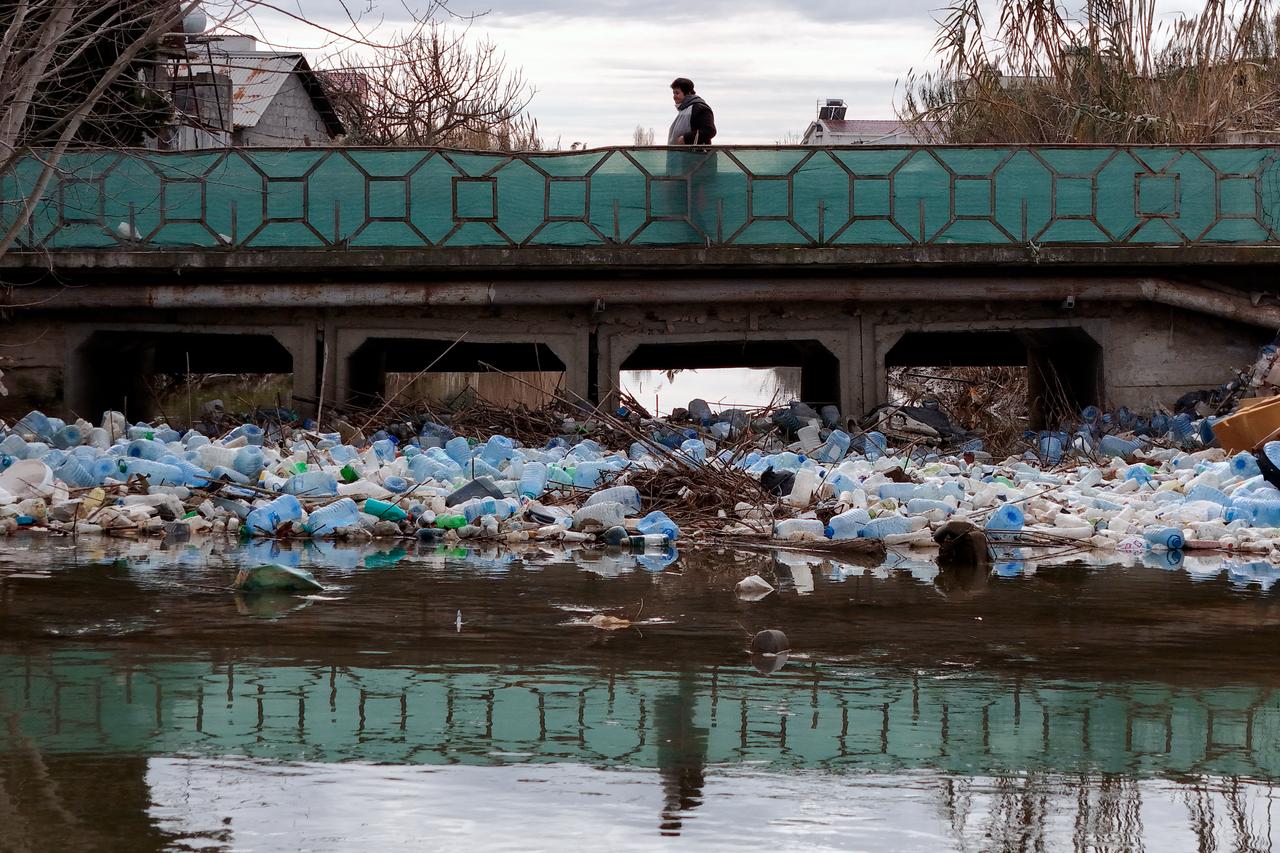


As floodwaters receded in parts of Albania on Tuesday, authorities and residents warned that polluted waterways clogged with plastic waste had worsened the impact of the flooding, raising fears that debris could be carried into the Adriatic Sea.
Torrential rains since early January have flooded around 14,000 hectares of land, inundated about 1,200 homes and killed at least one person, according to Albanian authorities. While water levels have begun to fall in some areas, damaged dams and submerged zones remain a concern.
Officials and environmental groups said plastic waste and sediment buildup in riverbeds obstructed water flow, amplifying flood damage as swollen rivers burst their banks.
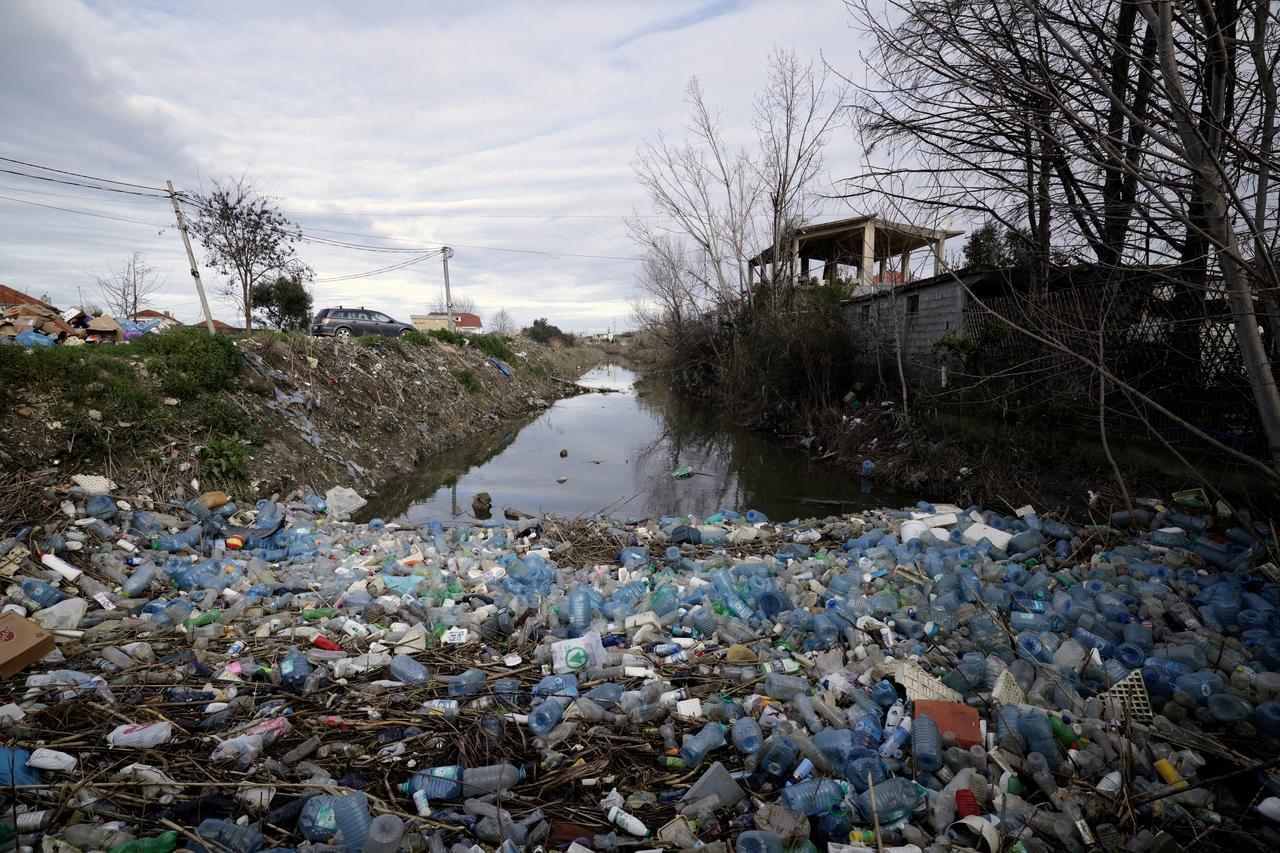

“This year it was a real disaster. The riverbed was completely choked with plastic waste, swept away by the overflowing waters,” said Ramazan Malushi, a resident of Shkozet near the Adriatic coast.
Prime Minister Edi Rama shared images of trash-filled rivers on social media, blaming illegal dumping for worsening the floods.
“This is what happens if you throw bottles on the side of the roads,” Rama wrote.
The government has faced criticism from opposition parties over its response, particularly for rejecting calls to declare a state of natural disaster and for alleged neglect of drainage canals and waterways.
Environmental expert Mihallaq Qirjo of the Environmental Resource Centre said river mismanagement has been a long-standing problem, noting that decades of accumulated gravel and sediment have narrowed riverbeds and reduced their capacity.
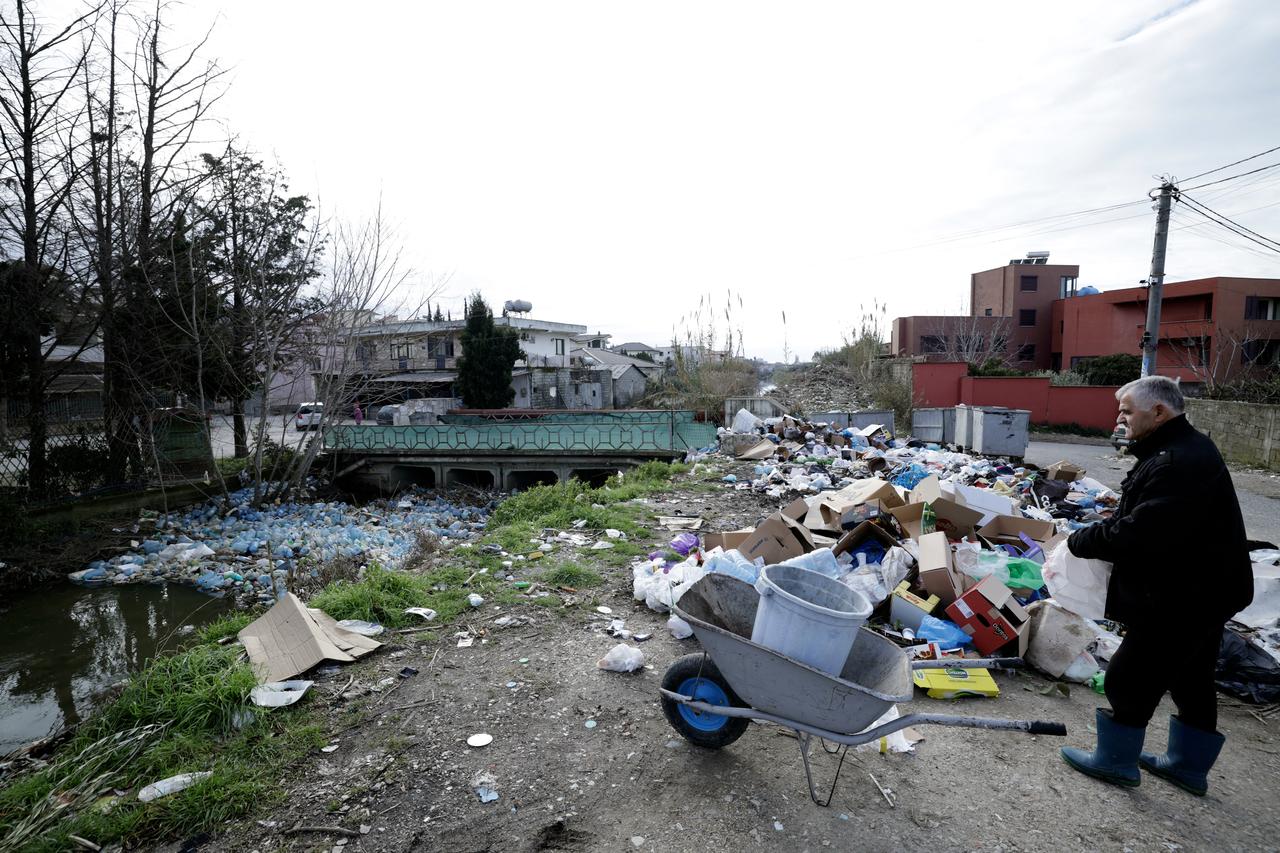
In the port city of Durres, floodwaters left behind piles of mud-covered trash along riverbanks, including plastic bags, bottles and household waste, an AFP journalist reported.
Environmentalists warned that as floodwaters move downstream, plastic waste could be carried into the Adriatic Sea and spread to neighboring countries.
A storm in late November polluted beaches as far away as Dubrovnik, with waste believed to have originated in Albania.
“Rivers and streams are collapsing under hundreds of tons of waste,” said Ferdinand Bego, a biologist at the University of Tirana.
Bego said Albania recycles only about 15% of its plastic waste, with the remainder dumped in landfills or illegally discarded in nature, intensifying flood risks as extreme weather events become more frequent due to climate change.
Plastic pollution, he added, “severely pollutes all ecosystems — soil, water and air — with serious health consequences.”
Rama’s government has adopted a national climate and energy strategy and plans tougher penalties for environmental crimes such as illegal dumping.
According to a 2024 report by the World Bank, Albania is among Europe’s countries most vulnerable to climate-related disasters.


 Set as preferred source
 Set as preferred source


 1 min read
 1 min read