Newsletters


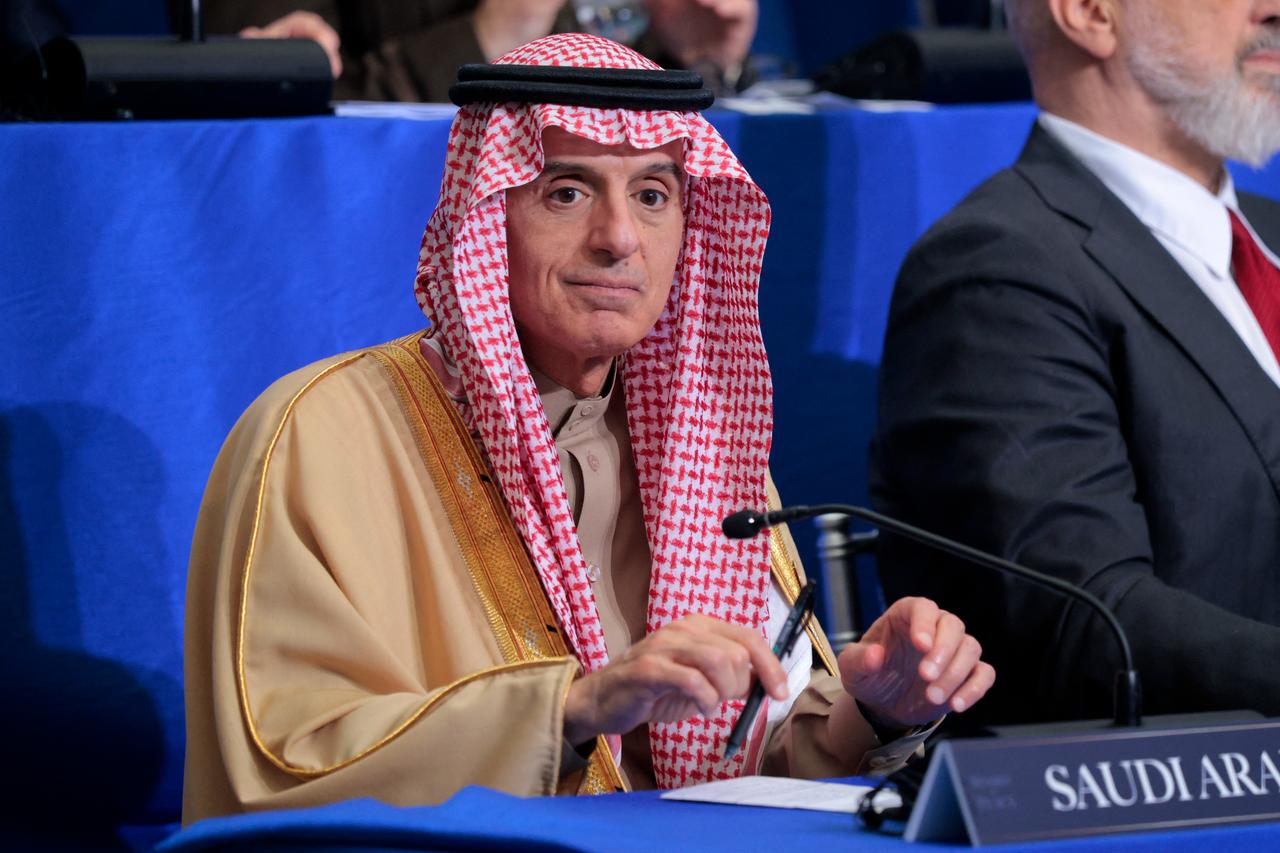


Saudi Arabia could have some form of uranium enrichment within the kingdom under a proposed nuclear deal with the United States, according to congressional documents and an arms control group, raising proliferation concerns amid ongoing tensions between Washington and Tehran, The Associated Press (AP) reports.
U.S. Presidents Donald Trump and Joe Biden have both sought to reach a nuclear cooperation agreement with Riyadh to share American technology.
Nonproliferation experts warn that allowing centrifuges to operate inside Saudi Arabia could open a pathway to a potential weapons program, particularly as Crown Prince Mohammed bin Salman has said the kingdom would seek a bomb if Iran obtained one.
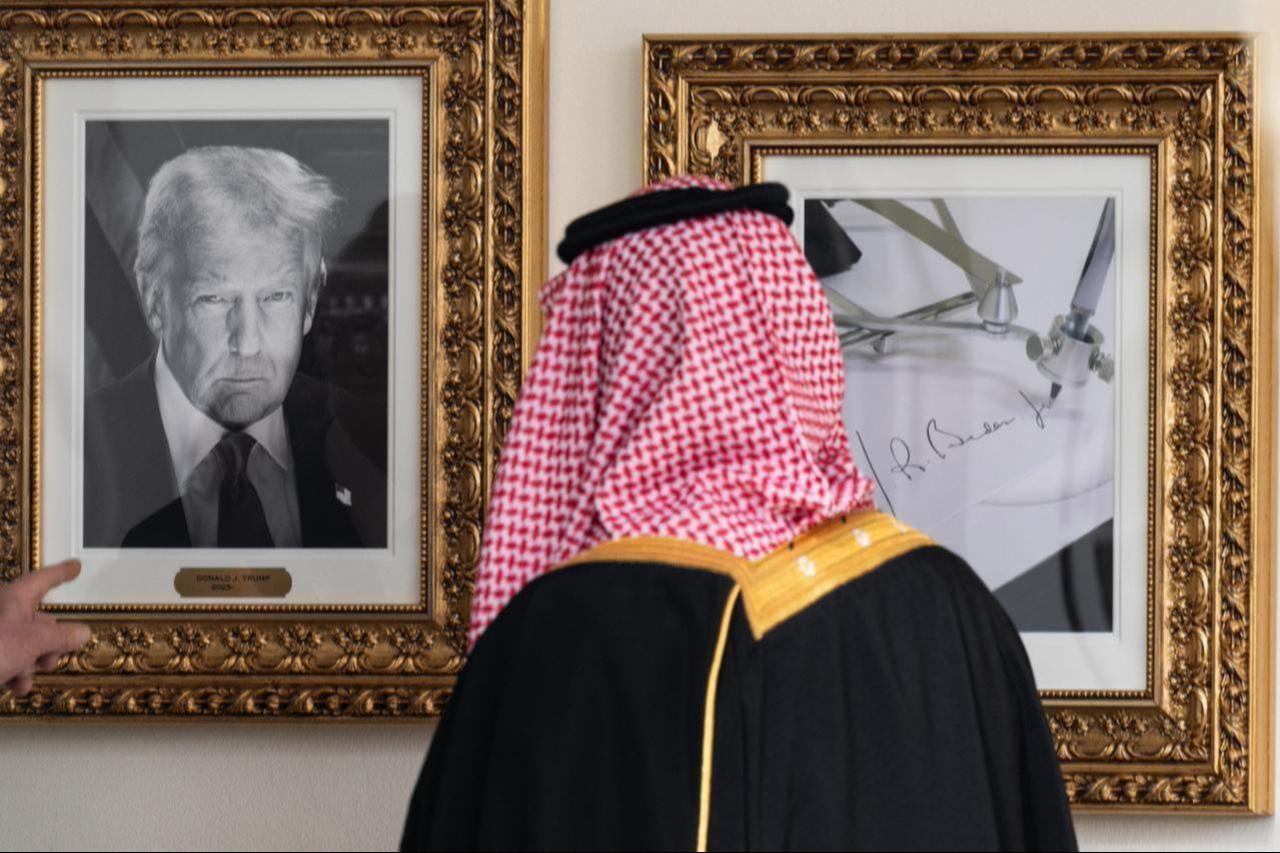

A congressional document reviewed also by the AP indicates the Trump administration aims to finalize 20 nuclear business deals worldwide, including one with Saudi Arabia that could be worth billions of dollars.
The document argues that an agreement with Riyadh would advance U.S. national security interests and counter competitors such as China, France, Russia and South Korea, which export nuclear power plant technology.
Under the draft proposal, the U.S. and Saudi Arabia would enter safeguard agreements with the International Atomic Energy Agency (IAEA), including oversight of “the most proliferation-sensitive areas of potential nuclear cooperation,” such as enrichment, fuel fabrication and reprocessing.
The IAEA, based in Vienna, did not immediately respond to requests for comment. Saudi Arabia is an IAEA member state.
Kelsey Davenport, director for nonproliferation policy at the Washington-based Arms Control Association, said the documents raise “concerns that the Trump administration has not carefully considered the proliferation risks posed by its proposed nuclear cooperation agreement with Saudi Arabia or the precedent this agreement may set.”
She said the language suggests that once bilateral safeguards are in place, Saudi Arabia could gain access to uranium enrichment technology or knowledge, even with restrictions.
While enrichment alone does not automatically lead to a nuclear weapon, it opens the door to weaponization. Western governments and the IAEA have expressed similar concerns regarding Iran’s enrichment activities.
The United Arab Emirates signed a so-called “123 agreement” with the U.S. for its Barakah nuclear power plant without pursuing enrichment, a model that nonproliferation experts describe as the “gold standard.”
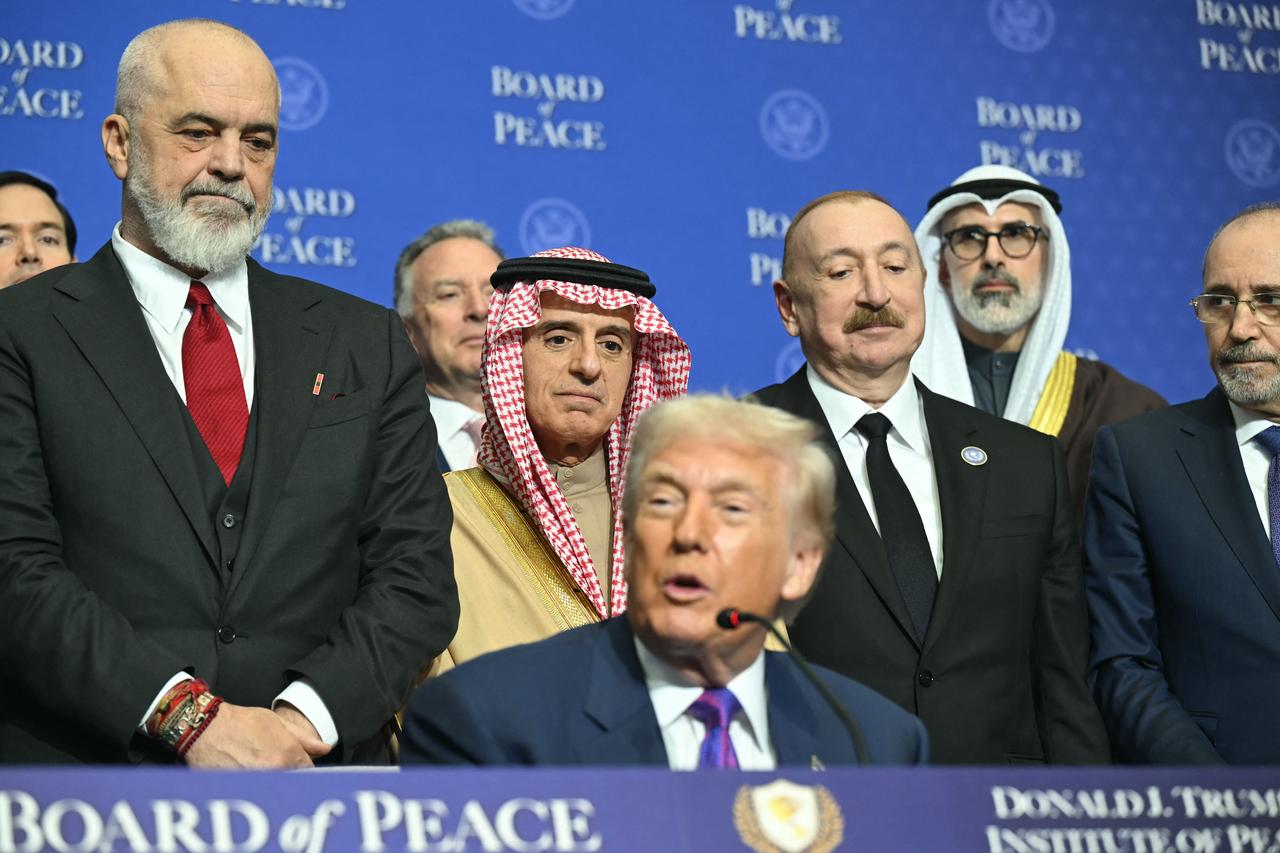
The push for a Saudi-U.S. agreement comes as Trump has threatened military action against Iran if a deal over Tehran’s nuclear program is not reached.
Iran maintains that its enrichment program is peaceful, though the West and the IAEA say Tehran had an organized military nuclear program until 2003. Iran has enriched uranium up to 60% purity, close to the 90% weapons-grade level.
Iranian officials cite Supreme Leader Ali Khamenei’s religious edict against building nuclear weapons. However, as tensions with the U.S. have escalated, Iranian officials have suggested they could pursue a bomb.
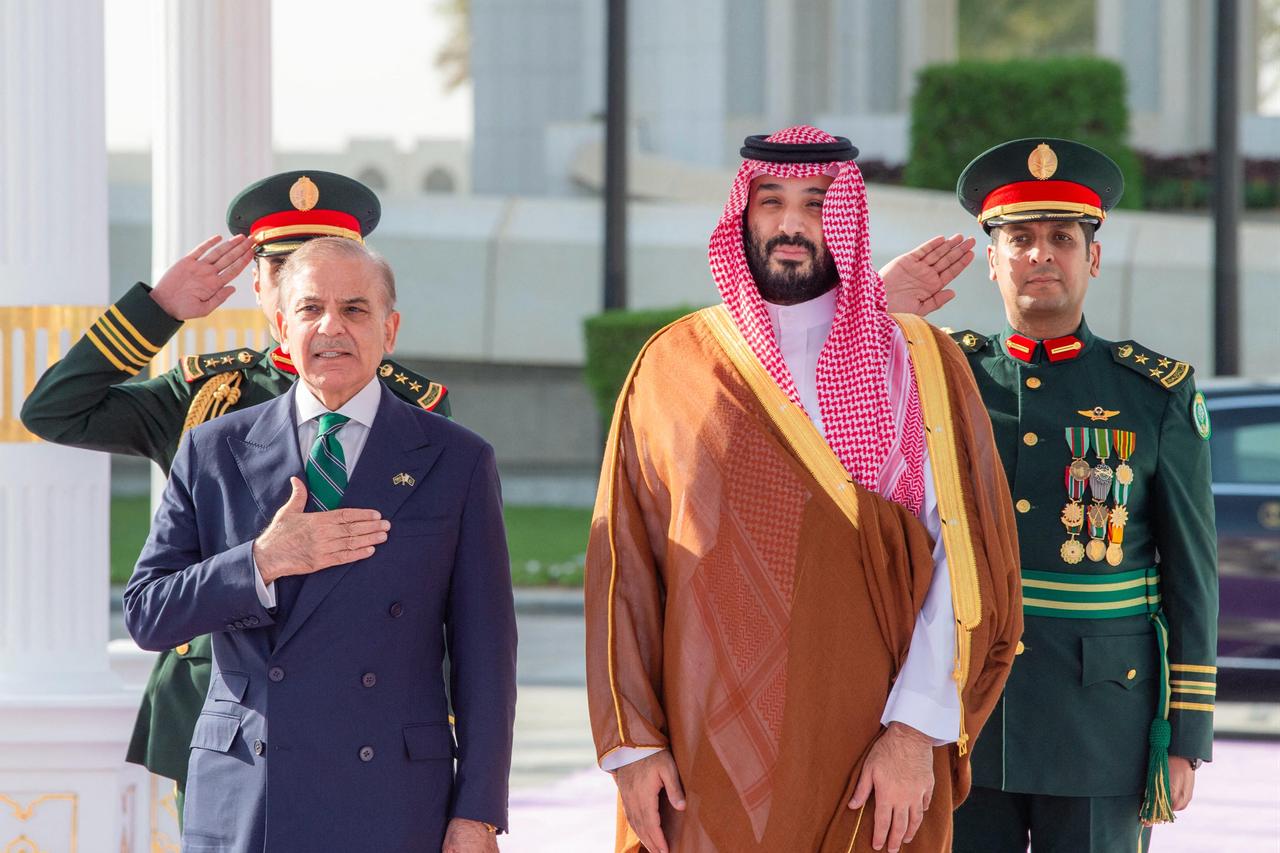
Saudi Arabia and nuclear-armed Pakistan signed a mutual defense pact last year. Pakistan’s defense minister said its nuclear program “will be made available” to Saudi Arabia if needed, remarks seen as a warning to Israel, widely believed to be the Middle East’s only nuclear-armed state.


 Set as preferred source
 Set as preferred source


 1 min read
 1 min read