Newsletters


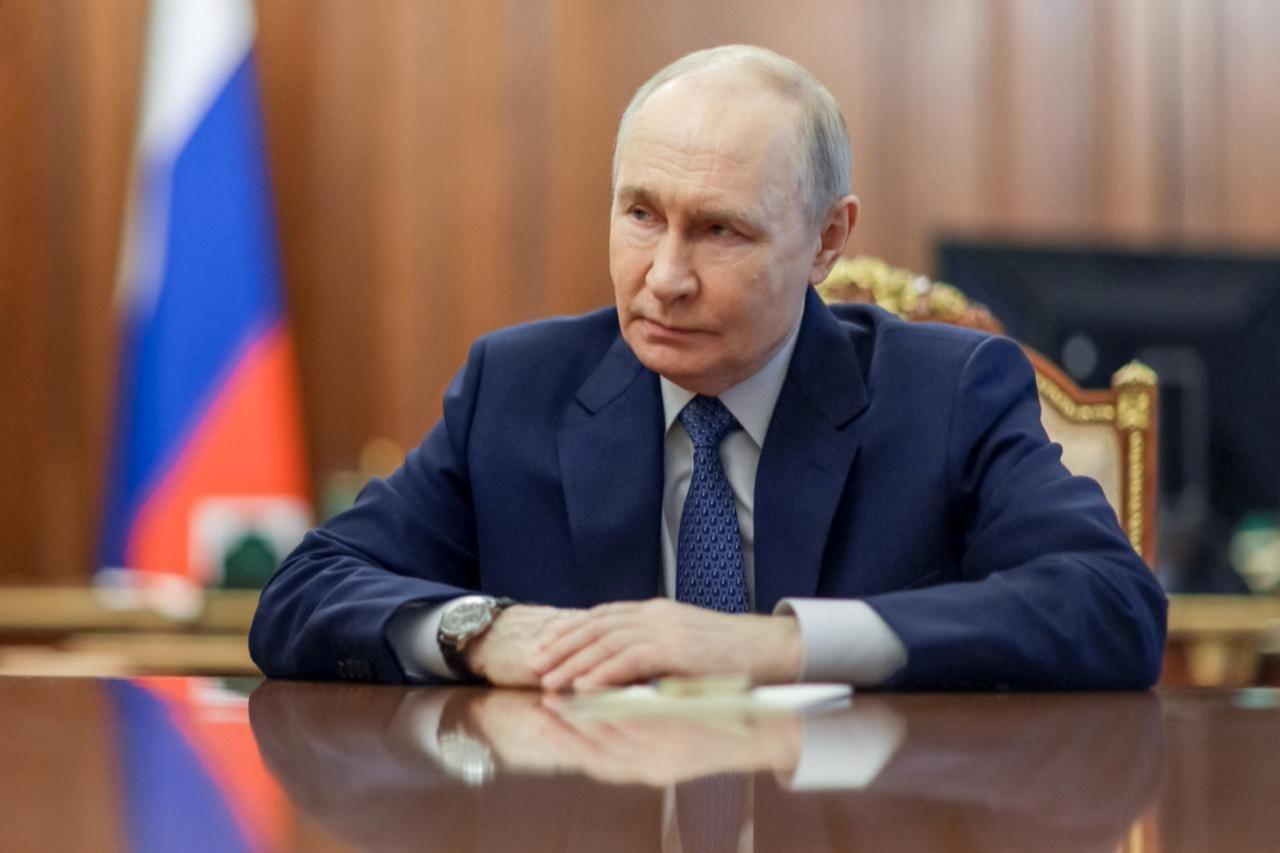


Russia's President Vladimir Putin has signed a decree opening a simplified path to Russian citizenship for residents of Transnistria, Moldova's breakaway eastern region, drawing swift condemnation from Moldovan President Maia Sandu, who suggested the move was tied to Moscow's war in Ukraine.
Under the decree, published in Russia's official legal information system, foreign nationals and stateless persons aged 18 and older who permanently reside in Transnistria will be eligible to apply for Russian citizenship through an expedited process.
The measure also establishes procedures for granting citizenship to minors and legally incapacitated residents of the region. Moscow said the decree was adopted "to protect human and civil rights and freedoms" in line with principles of international law.
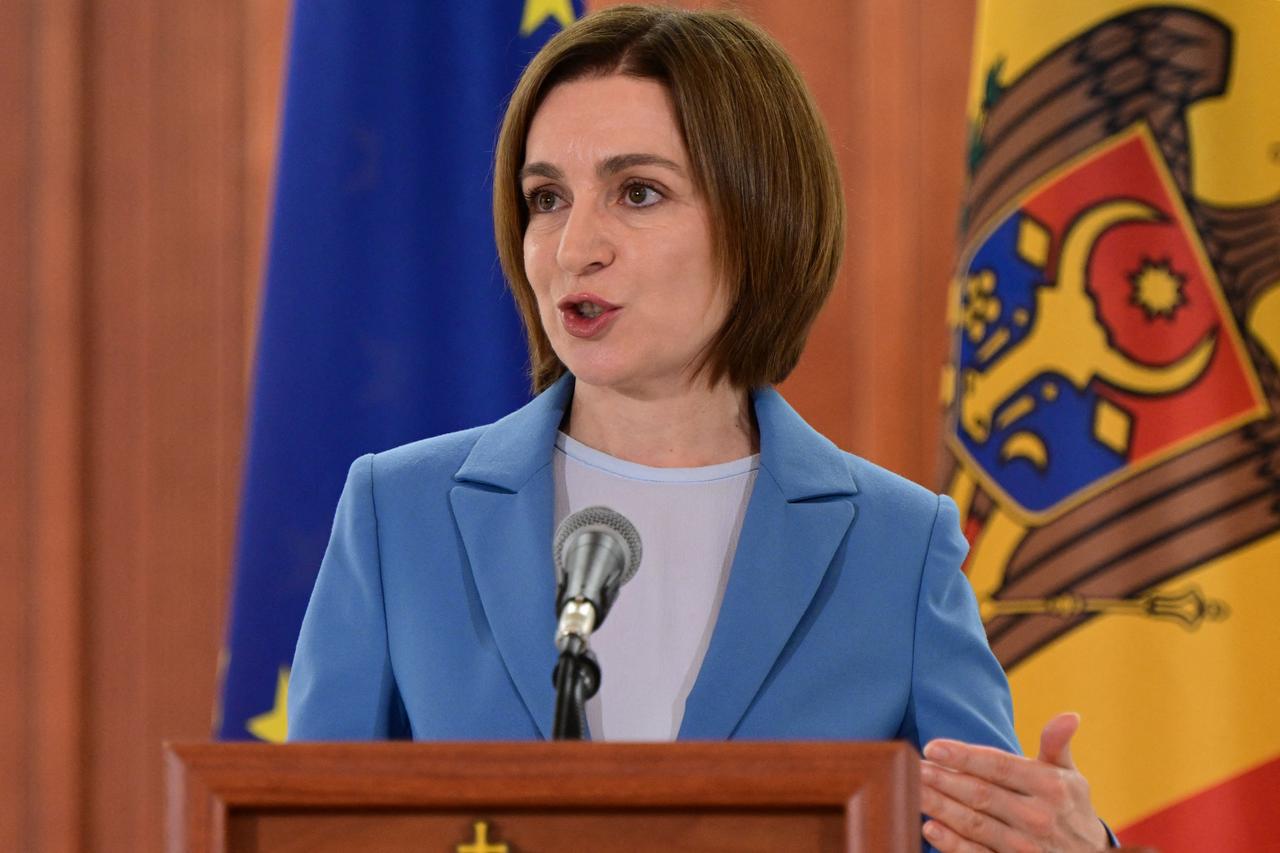

Speaking at a security conference in Tallinn, Estonia, Sandu questioned Moscow's stated humanitarian rationale. "Probably they need more people to send to the war in Ukraine," she said.
The Moldovan president argued that the move appeared designed to pressure Moldova and pointed to a contrasting trend among Transnistria's own population, noting that many residents had sought Moldovan rather than Russian documents since the invasion began.
"Since the war in Ukraine began, most of the people from the region took their Moldovan citizenship because they felt safer to have the citizenship of the Republic of Moldova and not the citizenship of Russia," Sandu said.
 1 min read
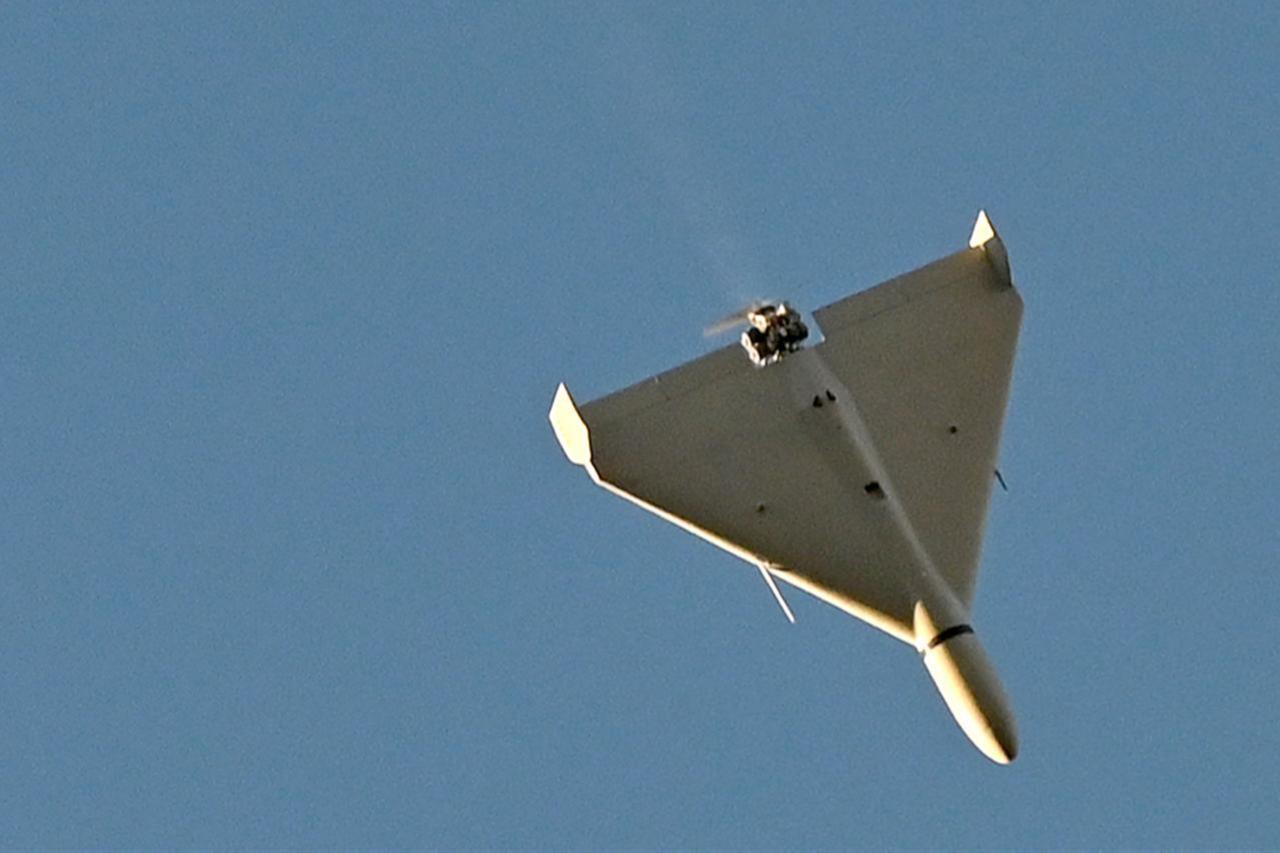
Transnistria, a narrow strip of territory along Moldova's eastern border with Ukraine, declared independence from Moldova in the early 1990s following the Soviet Union's collapse, with Russian backing.
Armed fighting between Moldovan forces and separatists ended in a 1992 ceasefire that left more than 1,000 people dead, according to various estimates.
The region has since maintained its own parliament, military, police force and postal system, though it is not recognized by the United Nations or any of its member states.
Russia continues to station troops there under the designation of a peacekeeping mission and is widely believed to provide substantial financial support to the separatist administration, giving Moscow considerable leverage over a territory that sits on a NATO and EU member's doorstep.
Efforts to resolve the Transnistria dispute have proceeded, with little progress, under the so-called 5+2 format overseen by the Organization for Security and Co-operation in Europe.
The framework brings together Moldova, Transnistria, Russia, Ukraine, the OSCE, the European Union and the United States. The citizenship decree is likely to further complicate those negotiations at a moment when the broader regional security environment remains deeply unstable.


 Set as preferred source
 Set as preferred source


 1 min read