Newsletters


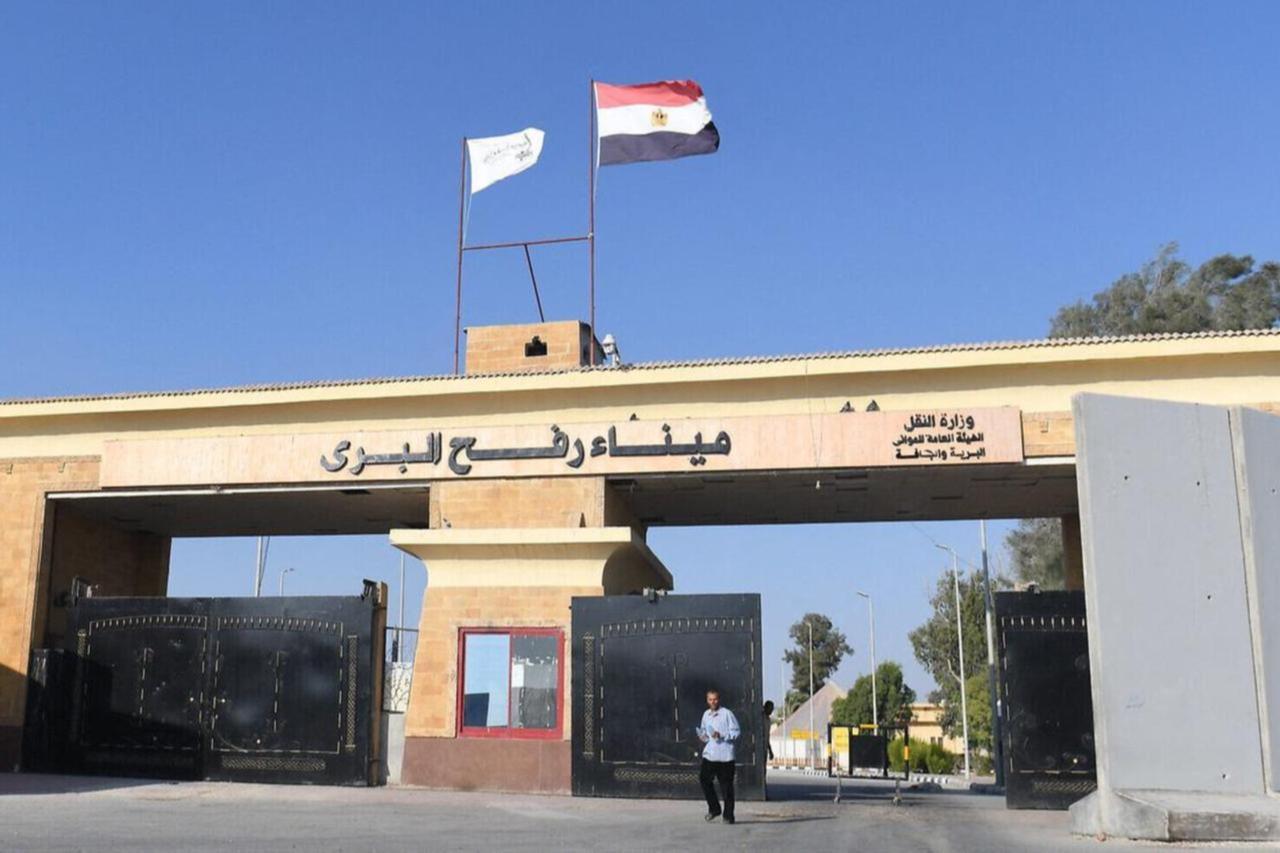


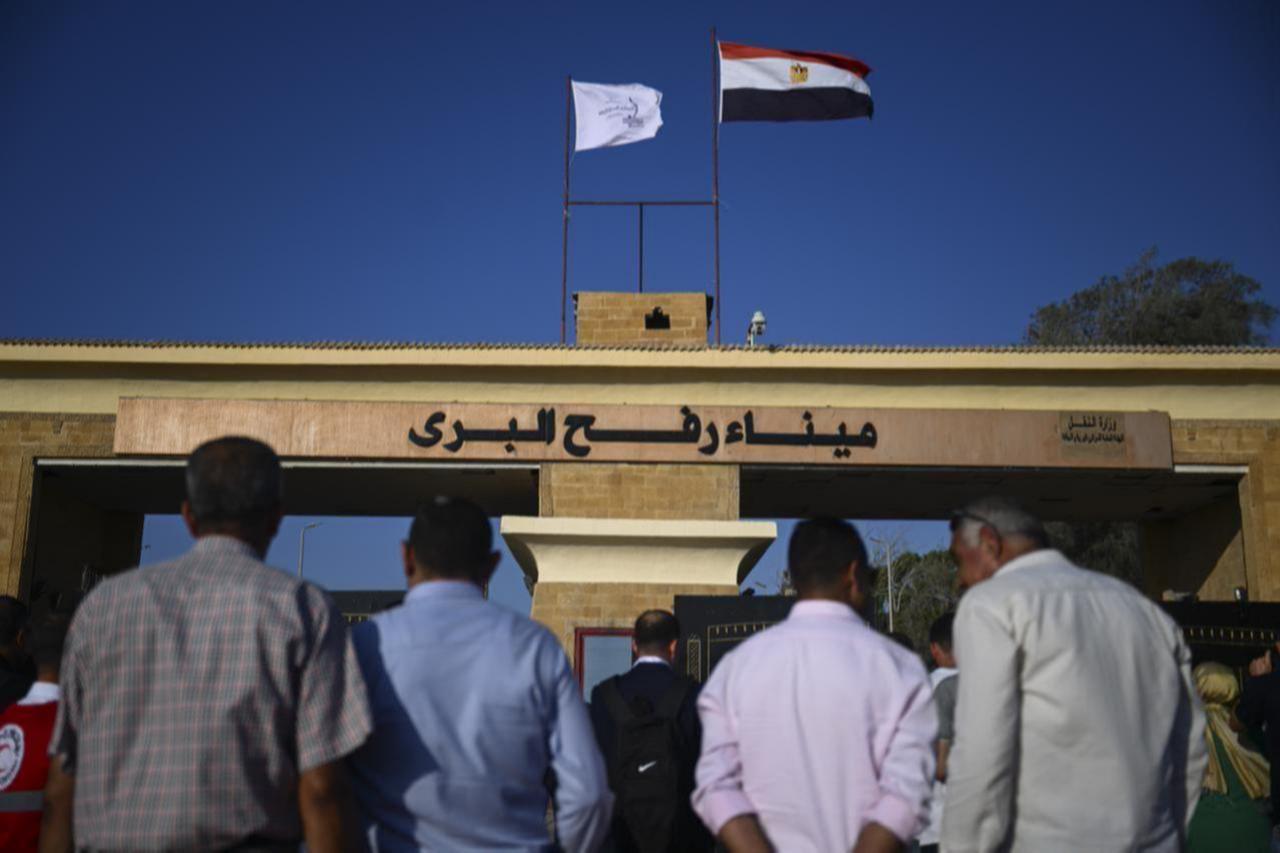
Israel announced Friday that it will reopen the Rafah pedestrian border crossing between the Gaza Strip and Egypt on Sunday, allowing limited movement of people in both directions after a prolonged closure.
The crossing, Gaza’s main gateway to the outside world, has been largely shut since May 2024.
COGAT, the Israeli military body responsible for coordinating aid to Gaza, said only a “limited movement of people” would be permitted through the crossing starting Sunday.
According to COGAT, Israel and Egypt will jointly vet individuals seeking to exit or enter Gaza.
The crossing will be supervised by European Union border patrol agents, while Palestinians leaving and returning will also be screened by Israel in the adjacent corridor, which remains under Israeli military control.
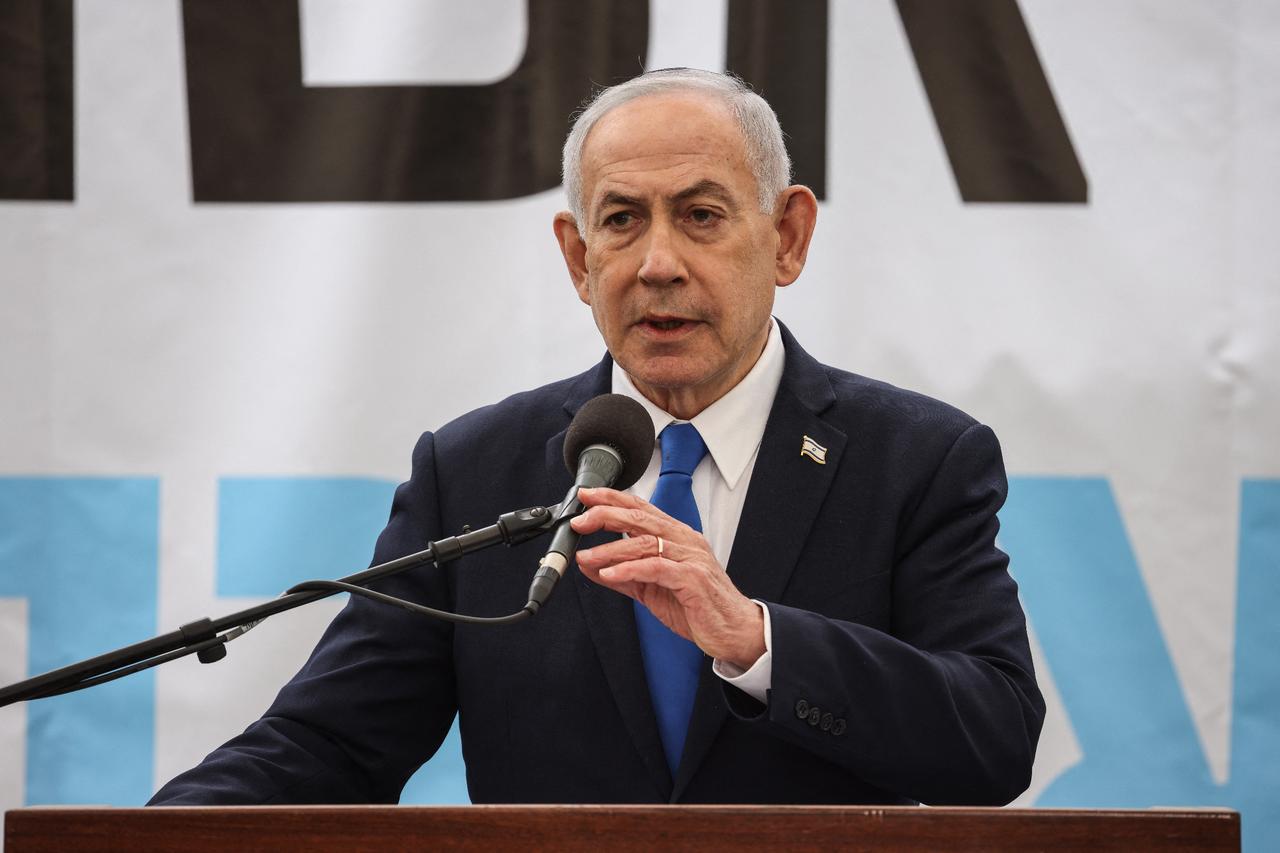
The announcement followed statements by Israeli Prime Minister Benjamin Netanyahu and Ali Shaath, who was recently appointed to head the Palestinian administrative committee overseeing Gaza’s daily affairs, indicating that the crossing would soon reopen.
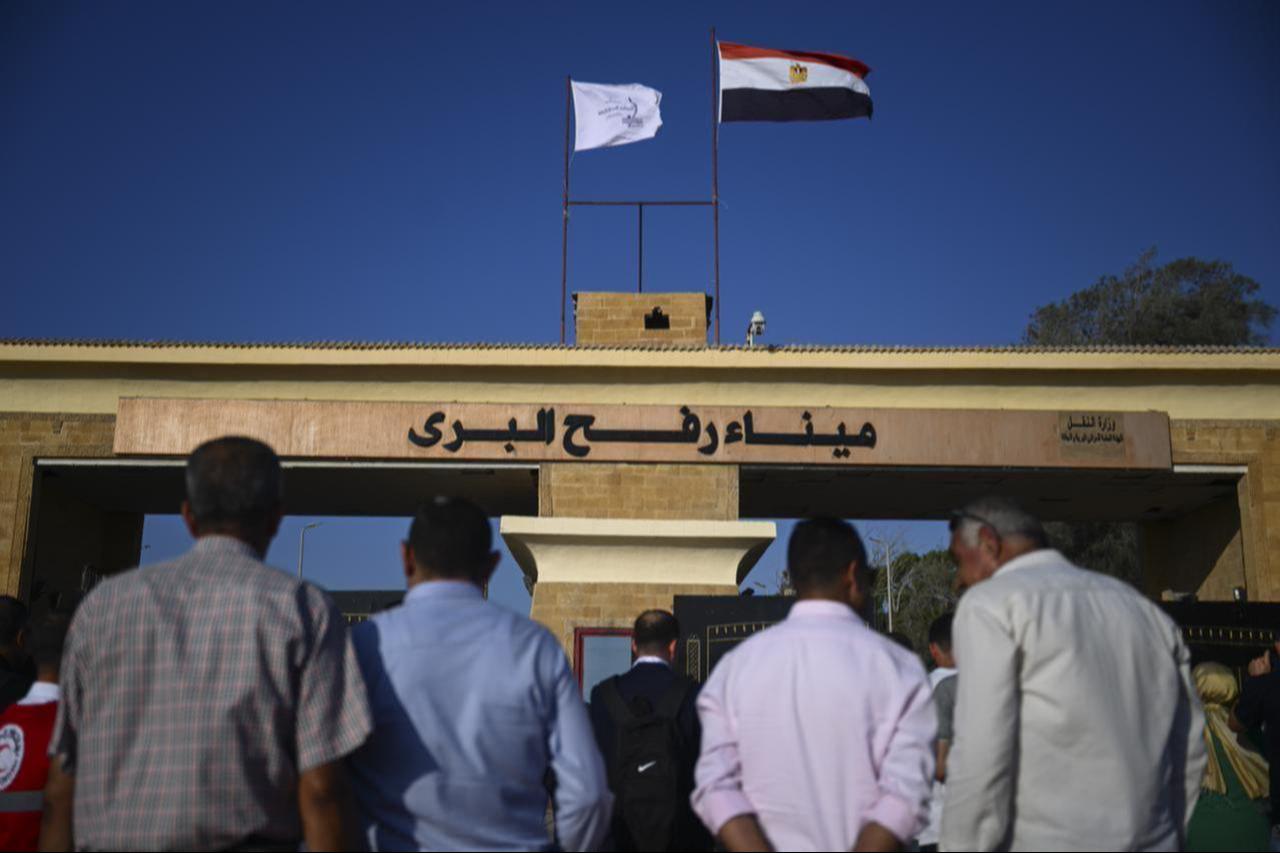

Israel seized control of the Rafah crossing in May 2024, saying the move was part of efforts to stop cross-border arms smuggling by Hamas.
The crossing was only briefly opened during a short-lived ceasefire in early 2025 to allow the evacuation of medical patients.
Israel had previously resisted reopening the crossing, but the recovery of the remains of the last hostage held in Gaza earlier this week cleared the way for the decision. Netanyahu later said the crossing would reopen in a limited and controlled manner.
An Israeli official, speaking anonymously in line with policy, said dozens of Palestinians would initially be allowed to pass in each direction, starting with medical evacuees and Palestinians who fled Gaza during the war.
Thousands of Palestinians currently in Gaza are seeking to leave the war-damaged territory, while tens of thousands who fled during the heaviest fighting have expressed a desire to return.
Gaza’s health system has been severely damaged during the war, leaving advanced medical procedures unavailable.
According to Gaza’s health ministry, around 20,000 sick and wounded Palestinians require treatment outside the territory, with children, cancer patients and people suffering physical trauma typically prioritized for evacuation.
The reopening of Rafah is among the first steps in the second phase of a US-brokered ceasefire agreement.
This phase includes unresolved and complex issues such as the demilitarization of Gaza and the establishment of an alternative governing authority to oversee reconstruction of the heavily damaged enclave.
Netanyahu said this week that Israel’s priority remains disarming Hamas and destroying its remaining tunnel network, adding that reconstruction would not proceed without those steps, making Israel’s control over Rafah a key point of leverage.


 Set as preferred source
 Set as preferred source


 1 min read
 1 min read