Newsletters


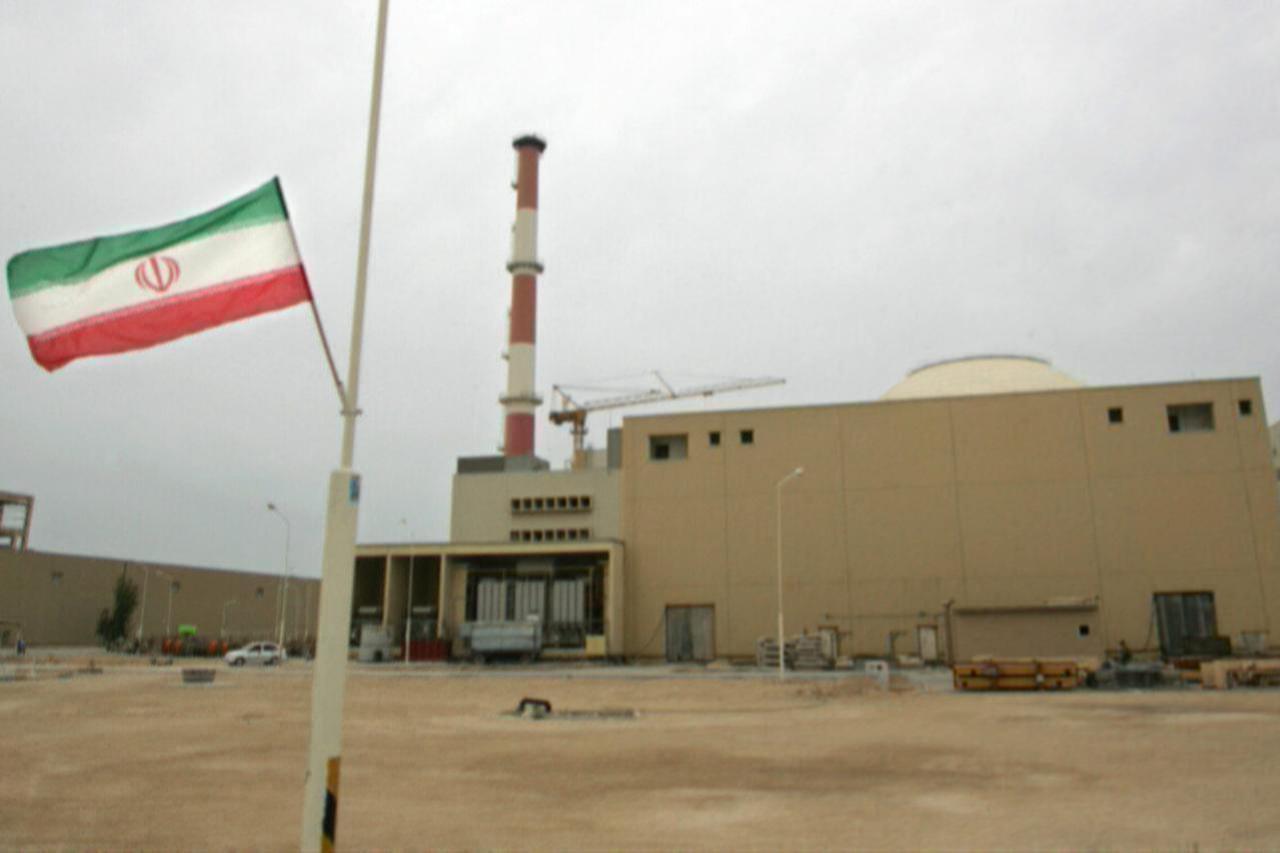


Russia's state nuclear corporation Rosatom has evacuated another 163 personnel from Iran's Bushehr nuclear power plant, reducing its workforce at the besieged facility to approximately 300, as the head of the company warned that conditions at the site are deteriorating along what he described as a worst-case scenario.
Rosatom chief Alexey Likhachev said on Wednesday that more staff would be leaving, with one group already departing by road toward the Iranian-Armenian border and two additional groups preparing to follow. The corporation is temporarily cutting its on-site presence to the bare minimum required to keep the plant's critical systems running.
The evacuation, the third wave since the U.S.-Israeli military campaign against Iran began on Feb. 28, comes one day after the International Atomic Energy Agency confirmed that a projectile struck the Bushehr plant's premises on Tuesday evening, the second such incident in just over a week.
Rosatom's pullout from Bushehr has unfolded in stages. On the first day of the conflict, the corporation evacuated 94 people, including all employees' children, non-essential staff, and anyone who wished to leave the country. Those evacuees departed via overland routes through Azerbaijan and Armenia, as air corridors were closed.
That left more than 600 Russian employees at the site. Likhachev said at the time that Rosatom would move 150 to 200 more people out as soon as military conditions allowed, waiting for pauses between strikes. He said buses and evacuation routes had been prepared, and that President Vladimir Putin was "personally involved" in ensuring the safety of Rosatom staff at the plant.
The second wave was completed overnight between March 10 and 11, when 150 specialists crossed the border into Armenia and began their journey home. That brought the number of Rosatom employees remaining in Iran to approximately 480, with preparations already underway for a third round.
With the latest departure of 163 workers announced Wednesday, the total number of Rosatom personnel evacuated from Bushehr since the war began now stands at roughly 407, leaving about 300 at the facility.
 1 min read
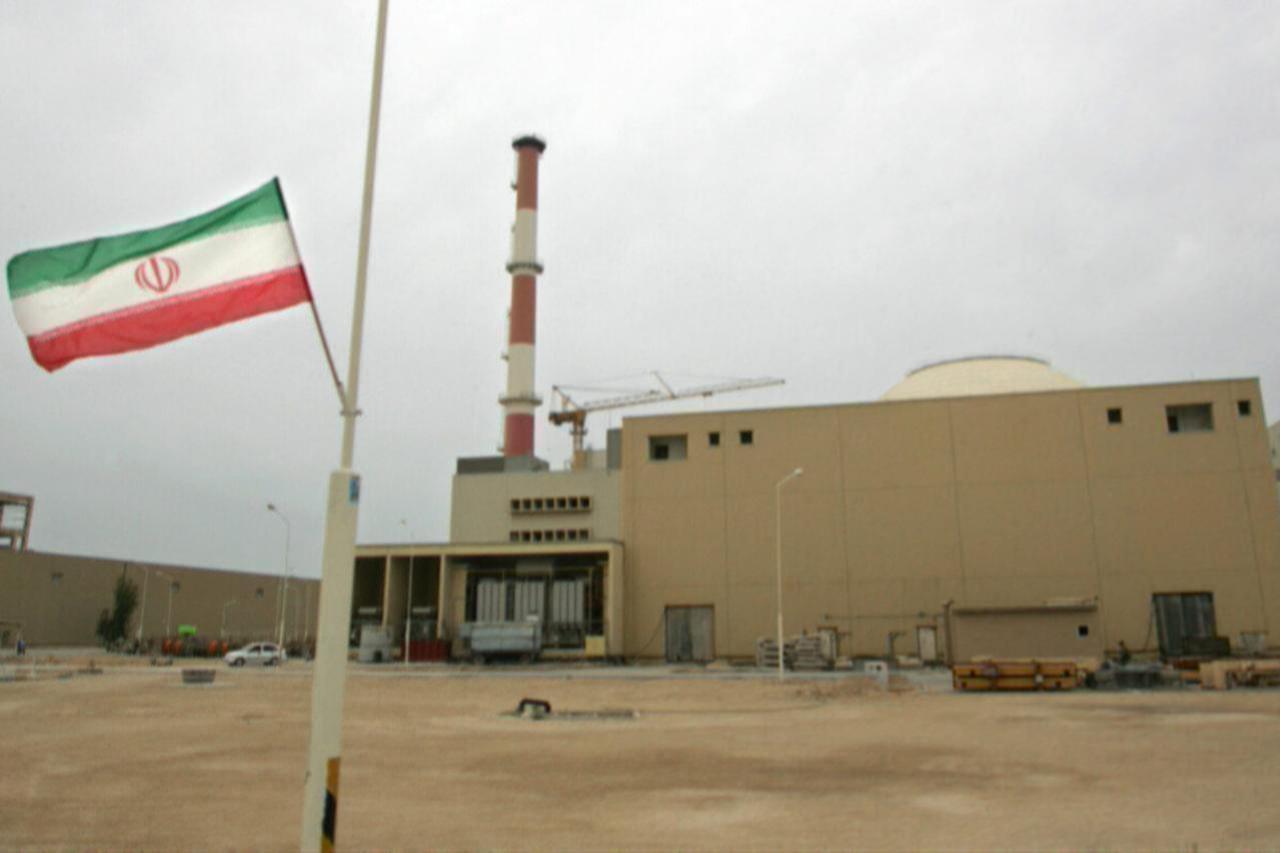
The accelerated withdrawal follows two confirmed projectile strikes on the plant's grounds. The IAEA confirmed that the first, on March 17, destroyed a structure just 350 meters from the Bushehr reactor. Rosatom said the impact hit an area adjacent to the facility's metrological service building, near the plant's operational power unit. There were no casualties and radiation levels remained normal.
A second projectile struck the plant's premises on Tuesday evening at 9:08 p.m. local time, according to Iran's Atomic Energy Organization, which reported no casualties or damage. Iran blamed both strikes on the United States and Israel.
IAEA Director General Rafael Grossi warned that the strikes risked crossing what he called the "reddest line" of nuclear safety, saying a direct hit on an operating reactor could trigger a severe radiological incident.
Likhachev went further, warning that the situation at Bushehr was developing along worst-case lines. He has previously noted that the reactor operates at full capacity and contains 72 tons of nuclear fuel and 210 tons of spent fuel, warning that any strike on the facility would cause a disaster of at least regional proportions.
Rosatom suspended construction of two additional reactor units at Bushehr due to the ongoing airstrikes. Moscow and Tehran had agreed to expand the plant with two new VVER-1000 reactors, with construction beginning in 2017. Likhachev also said in early March that contact with Iran's nuclear industry leadership had been completely lost, noting they were not answering phones or responding to emails.
Last week, Likhachev called on all parties to the conflict to designate the area around Bushehr as a safety zone, saying the U.S. and Israel had precise geographical coordinates of both the operating plant and the construction sites.


 Set as preferred source
 Set as preferred source


 1 min read