Newsletters


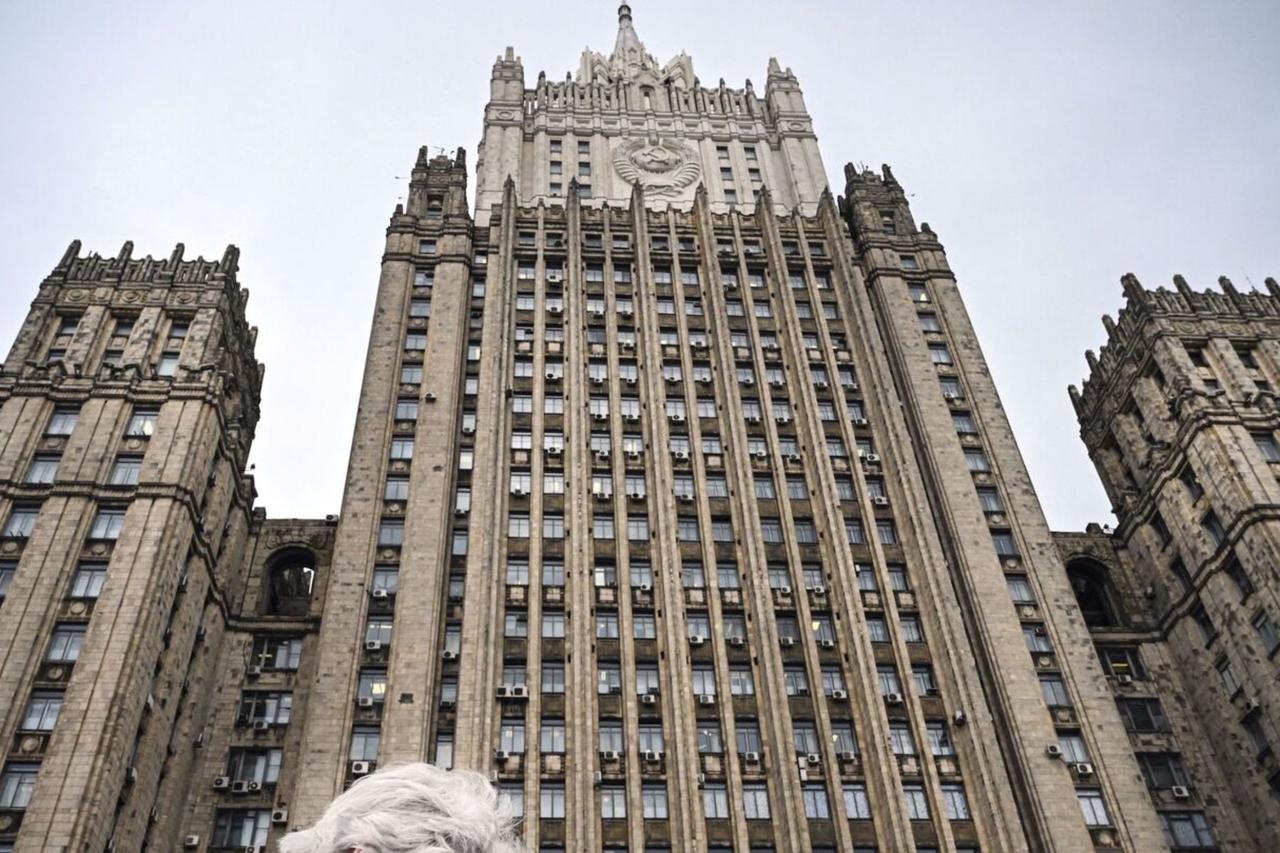


Russia said Saturday it had recalled its ambassador to Armenia for consultations over Yerevan’s deepening ties with the European Union, a day after President Vladimir Putin warned the Caucasus nation against pursuing closer integration with Brussels while remaining in the Moscow-led Eurasian Economic Union (EAEU).
“The Russian ambassador to the Republic of Armenia, S. Kopyrkin, has been recalled to Moscow for consultations on steps taken by the Armenian leadership on a rapprochement with the European Union, undermining cooperation within the Eurasian Economic Union,” Russia’s Foreign Ministry said in a statement.
The move marks the latest escalation in tensions between Moscow and Yerevan, which have deteriorated in recent years as Armenia has sought closer ties with the West.

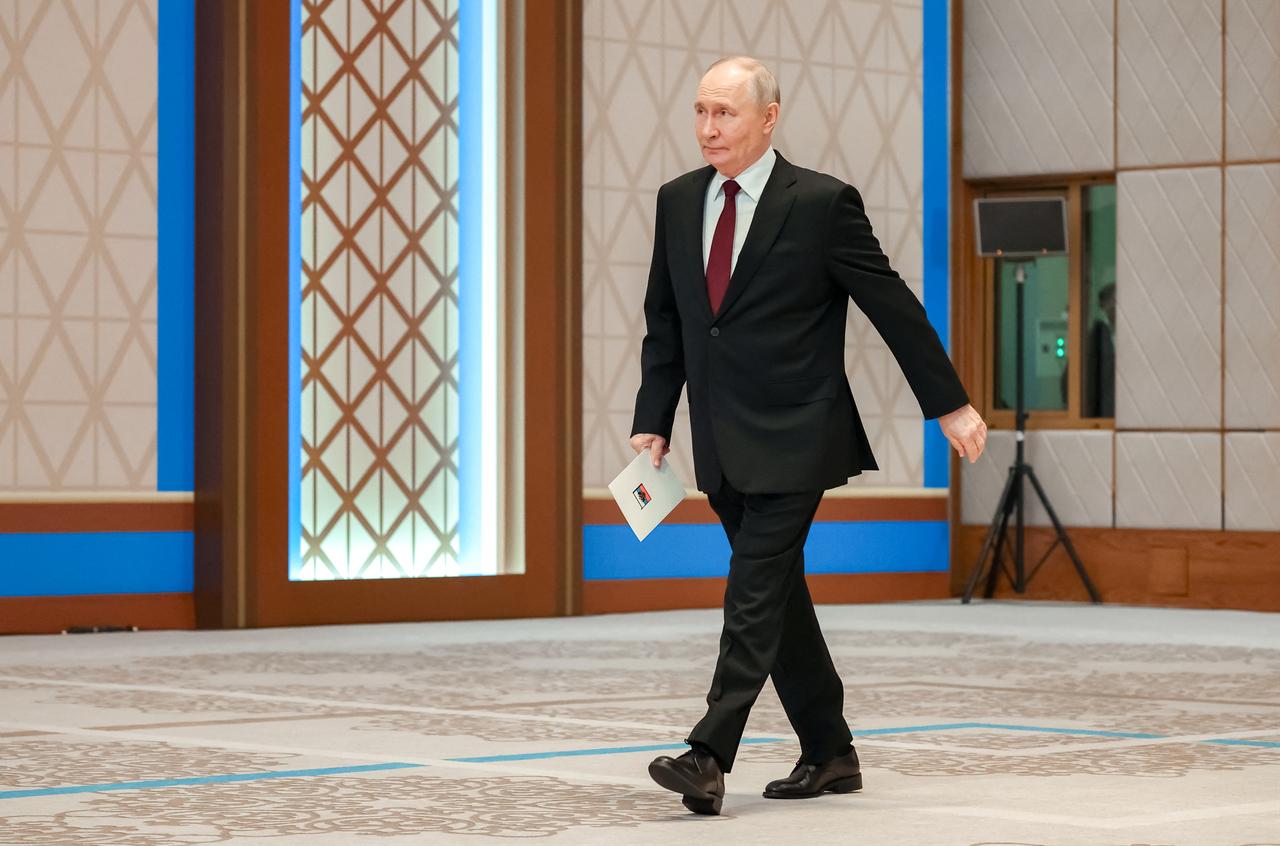
Speaking at a summit in Kazakhstan on Friday, Russian President Vladimir Putin said Armenia should hold a referendum “as soon as possible” on whether to pursue membership in the European Union.
Putin said Armenia has the sovereign right to choose its partners but argued that membership in both the EU and the EAEU is incompatible.
He compared the situation to developments in Ukraine, saying the “Ukrainian scenario” began with Kyiv’s efforts to move closer to the EU.
The Kremlin later published a joint statement signed by Putin and the leaders of Belarus, Kazakhstan and Kyrgyzstan.
“We share the position on the need to hold, in the Republic of Armenia, a nationwide referendum as soon as possible on accession to the European Union or continued membership in the Eurasian Economic Union,” the statement said.
The four leaders also warned that Armenia’s preparations for possible EU accession pose “significant risks” to the economic security of EAEU member states.
According to the statement, a report assessing the potential consequences of Armenia’s withdrawal from the EAEU will be presented in December 2026.
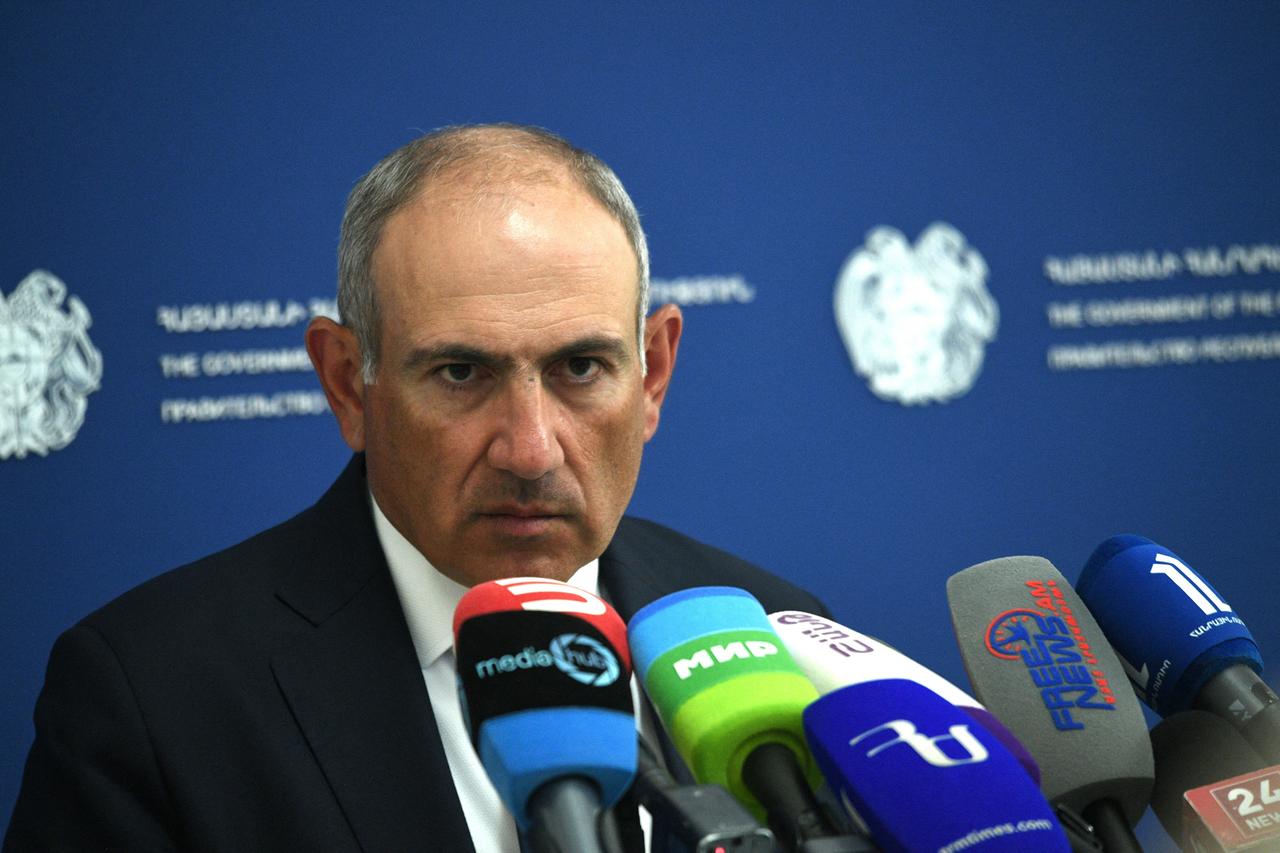
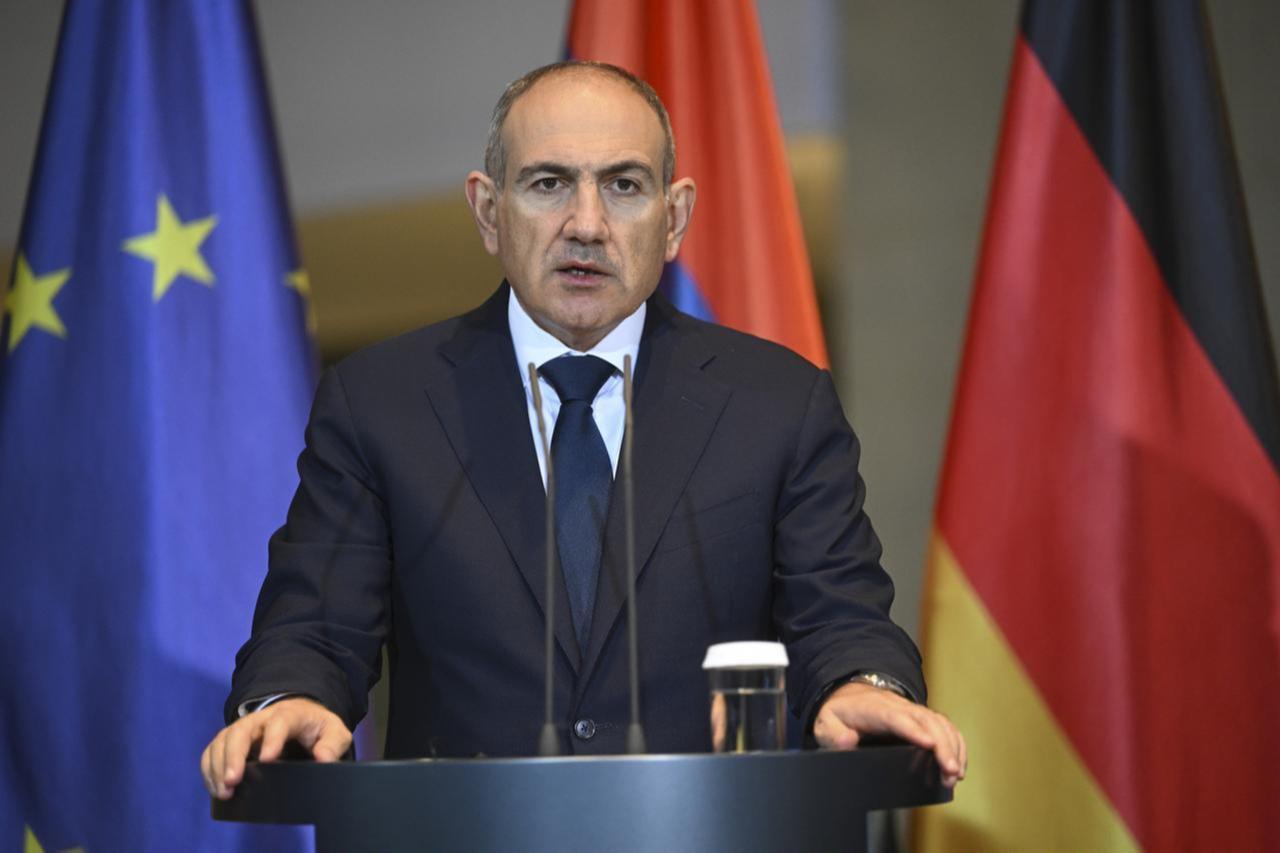
Prime Minister Nikol Pashinyan has repeatedly stated that Armenia seeks eventual membership in the European Union.
In February, Armenia’s parliament approved in a first reading legislation aimed at launching the process toward EU accession.
The issue has become an increasingly contentious point within the EAEU as Armenia deepens cooperation with European institutions.
Earlier this month, Armenia hosted a European summit, where EU officials described bilateral relations as having taken a “leap forward.”
Russian officials have repeatedly warned that EU and EAEU membership cannot coexist, while Armenian authorities have maintained that they intend to preserve cooperation within the Eurasian bloc while expanding relations with Europe.
Armenia, historically one of Russia’s closest regional allies, has grown increasingly frustrated with what it views as Moscow’s failure to protect its interests during conflicts with Azerbaijan.
The country is set to hold elections next Sunday, a vote expected to test public support for Pashinyan’s foreign policy balancing between Russia and the West.


 Set as preferred source
 Set as preferred source


 1 min read

 1 min read