Newsletters


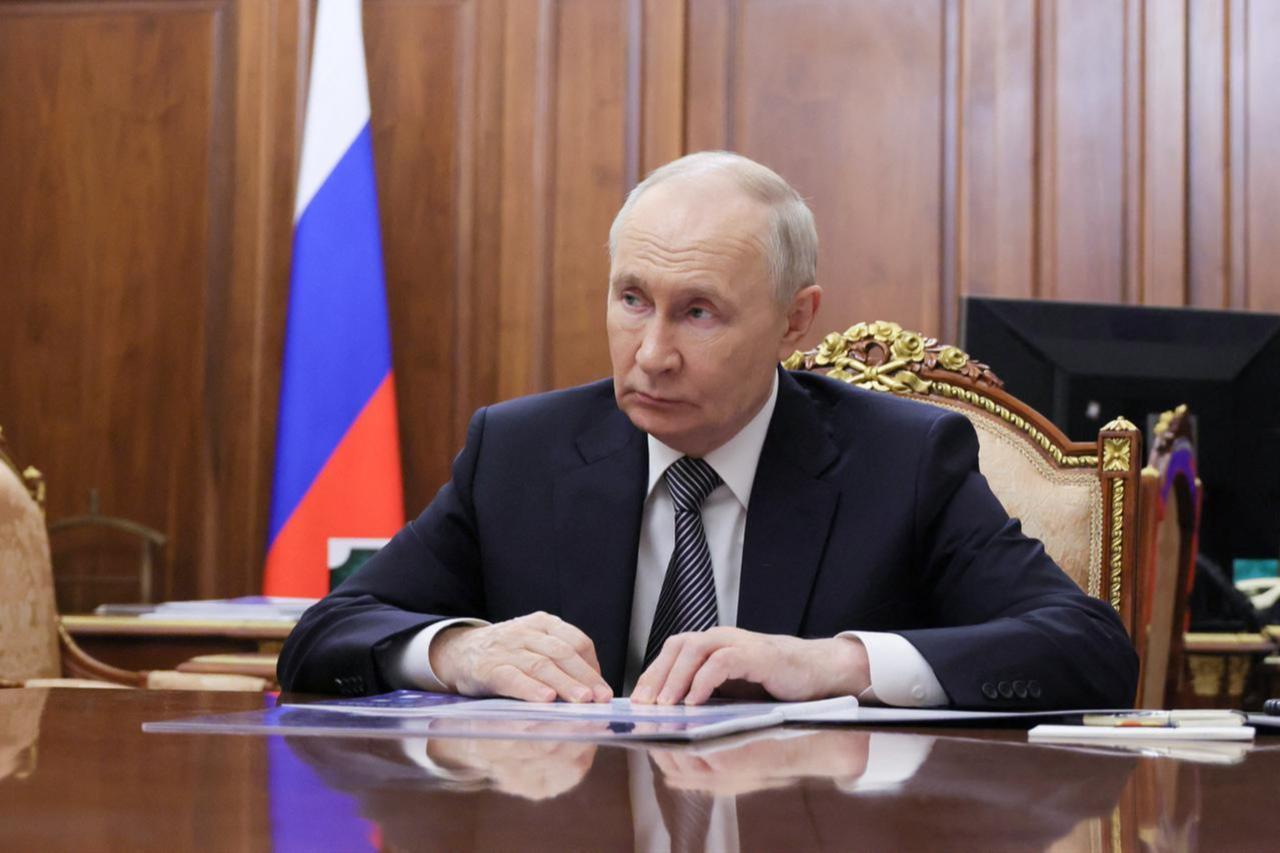


Russia announced Monday it would escalate its military campaign against Kyiv, warning foreign nationals and diplomats to evacuate the Ukrainian capital as it threatened to strike "decision-making centres" and command posts, drawing swift defiance from Western missions and Ukrainian officials.
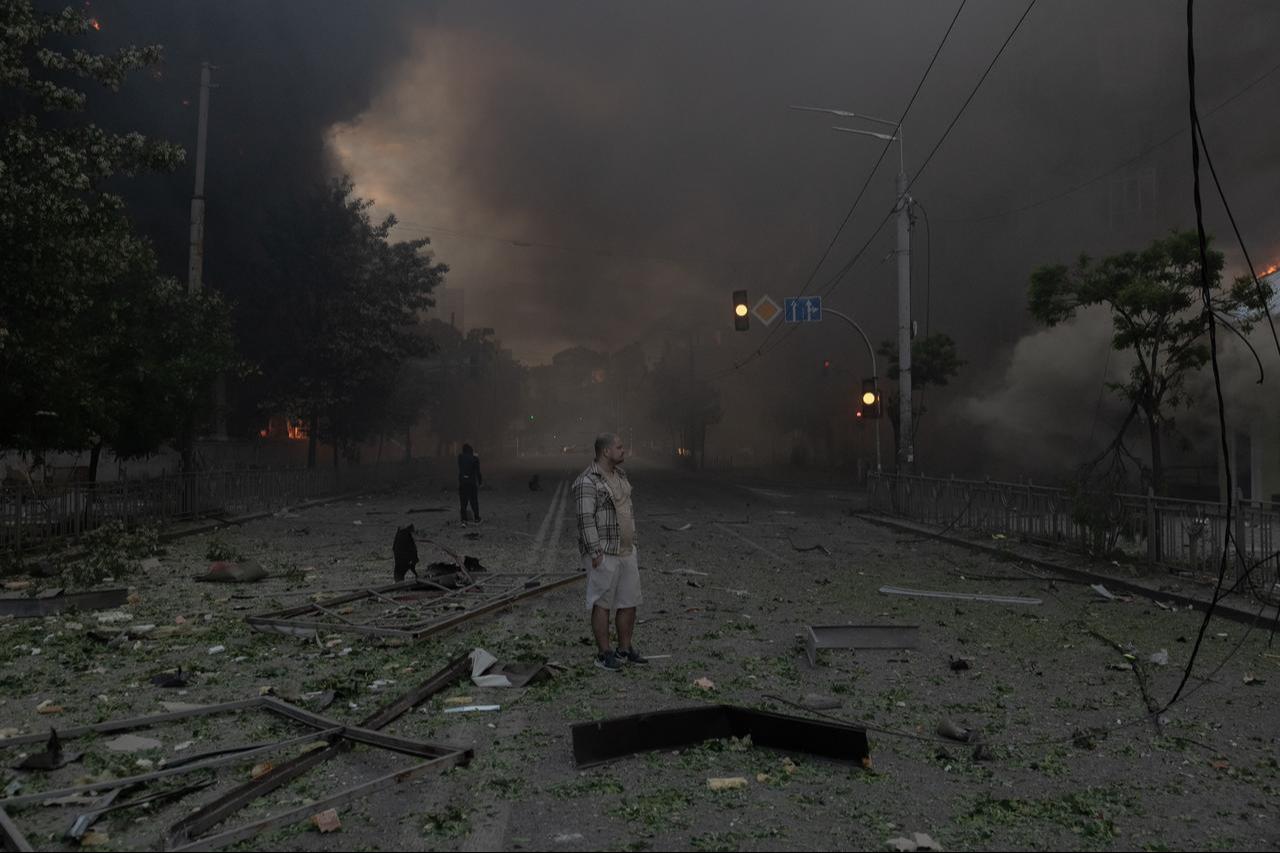
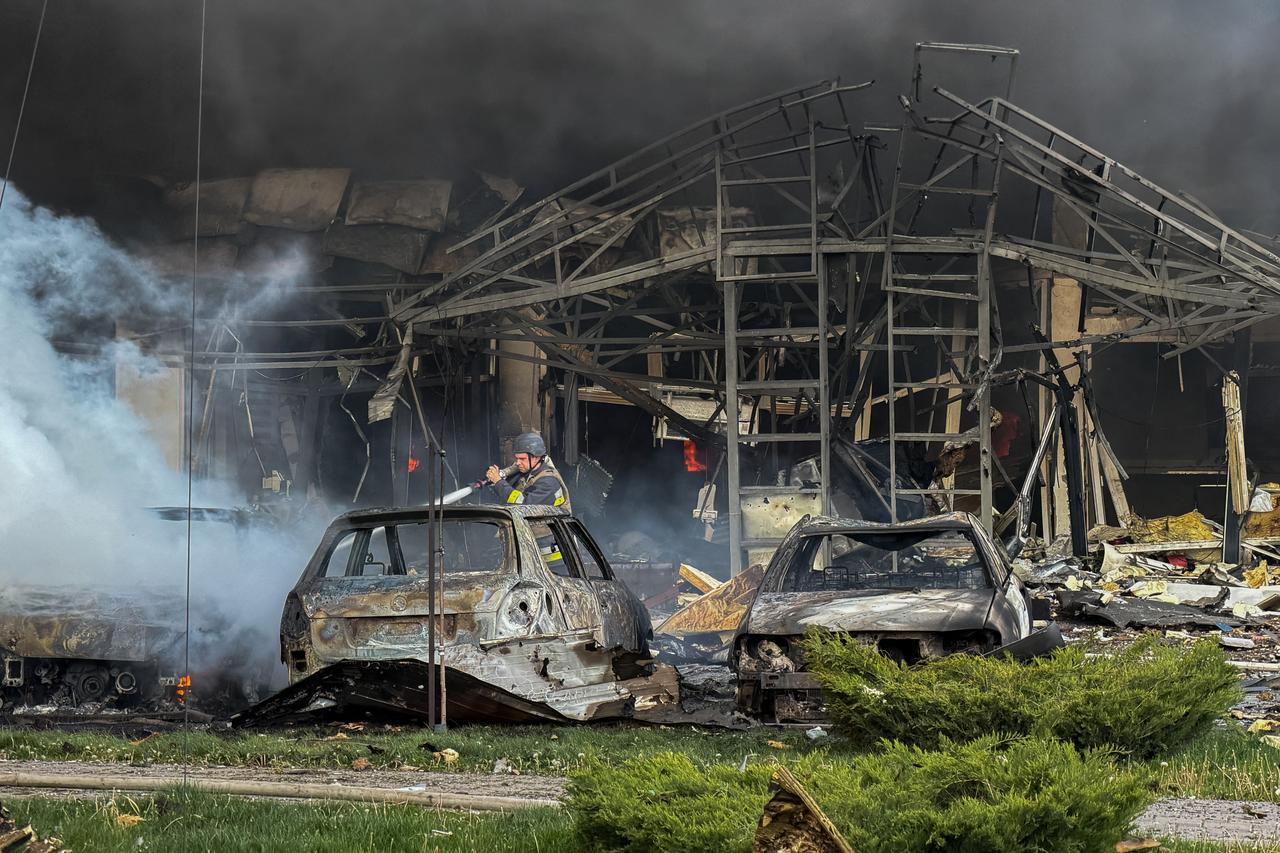
The warning came after Russia launched scores of drones and missiles at Ukraine over the weekend, killing four people, wounding dozens and causing widespread damage across the capital. Among the weapons deployed was the Oreshnik hypersonic missile, a nuclear-capable system that Moscow says can travel at ten times the speed of sound. Russia's use of the weapon marked a significant escalation in the nearly three-and-a-half-year war.
Russia's foreign ministry framed the campaign as a deliberate and expanding military operation. "The Russian Armed Forces are starting to launch systematic strikes against Ukrainian military-industrial facilities in Kyiv," the ministry said, adding that the strikes would target "both decision-making centres and command posts."
Russian Foreign Minister Sergei Lavrov relayed the evacuation warning directly to his US counterpart, Secretary of State Marco Rubio, in a phone call Monday, urging American diplomatic personnel to leave the city. Washington offered no immediate public response.
The weekend barrage followed Russia's accusation that Ukrainian forces had struck a vocational school in the Russian-occupied Lugansk region, killing 21 people, a claim Kyiv disputed. President Vladimir Putin ordered retaliatory strikes in response.

Western governments and international organisations in Kyiv rejected the evacuation demand without hesitation. A spokesperson for France's foreign ministry was blunt, saying the country was "used to Putin's threats" and that evacuation was "out of the question." The European Union's ambassador to Ukraine went further, writing on Facebook: "We are not going anywhere."
The response mirrored that of diplomatic missions earlier this month, when Russia issued a similar warning ahead of its Victory Day military parade on Red Square, threatening massive strikes on central Kyiv if Ukraine attempted to disrupt the event. That warning was also ignored.
Ukraine dismissed the latest threats in equally unequivocal terms. Ukrainian Foreign Minister Andriy Sybiga called on partners to hold firm, saying: "We are now telling our partners that they should not give in to all this Russian blackmail." Kyiv characterised Moscow's public statements as "rhetoric."
Russia launched its full-scale invasion of Ukraine in February 2022, triggering a conflict that has since become the deadliest in Europe since World War II. Millions have been displaced, major cities have sustained repeated bombardment, and civilian infrastructure across the country has been systematically targeted, according to Ukrainian officials and international monitors.
Efforts to bring the fighting to a close have gained little traction. US-led diplomatic talks aimed at brokering a settlement have stalled in recent months, complicated by competing priorities including conflict in the Middle East. The deployment of the Oreshnik, a weapon designed to evade conventional air defenses and capable of carrying nuclear warheads, has added a new dimension of strategic pressure to a war that shows no sign of resolution.


 Set as preferred source
 Set as preferred source


 1 min read

 1 min read