Newsletters


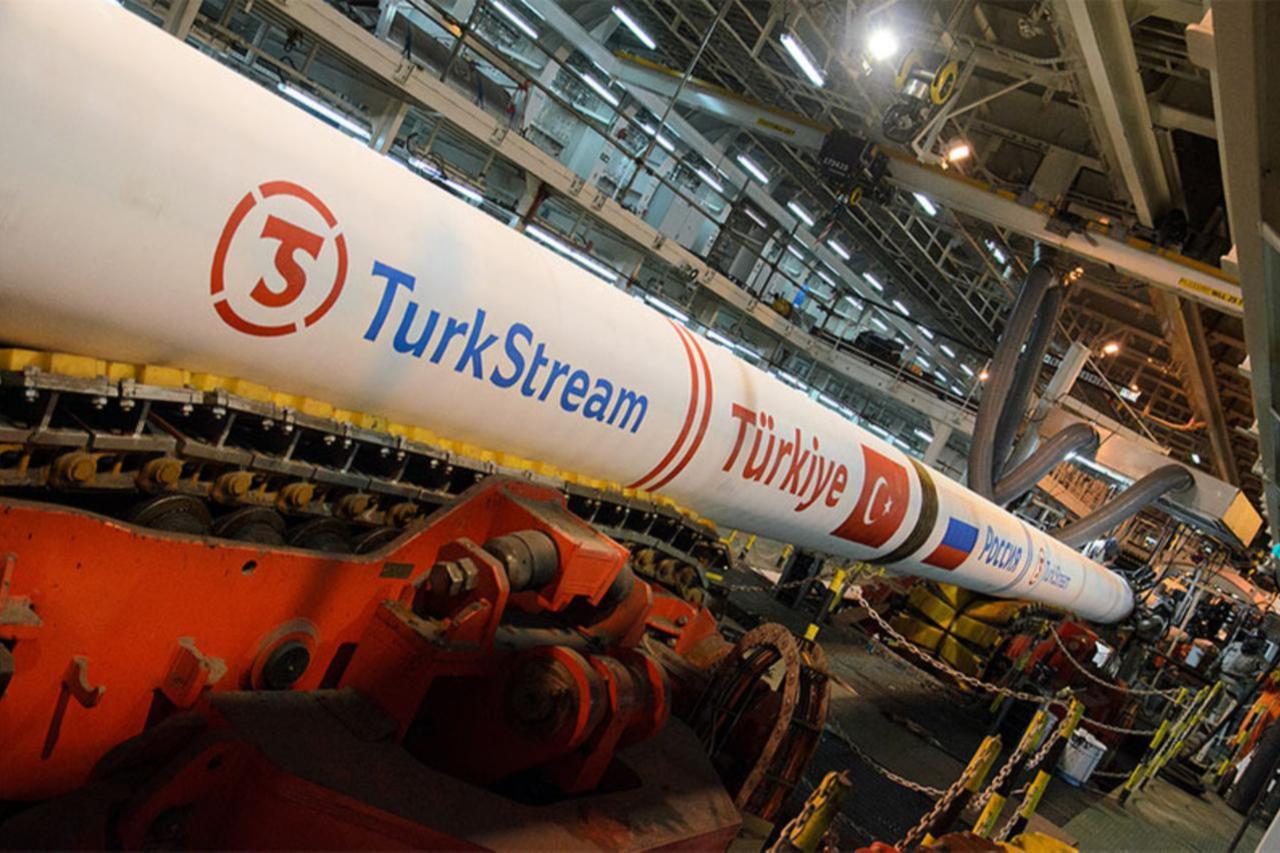


Russia's Embassy in Ankara posted an urgent public warning on Tuesday, broadcasting President Vladimir Putin's claim that Moscow has received intelligence about a possible attack on the TurkStream and Blue Stream natural gas pipelines running beneath the Black Sea, a move that thrust Türkiye's energy security directly into the spotlight on the third anniversary of Russia's full-scale invasion of Ukraine.
The embassy's post on X, published at 5:14 p.m. local time and marked "breaking news" features a quote card bearing Putin's image and a Turkish-language statement alerting the public to reports of a potential attack on the two undersea pipelines that collectively supply the bulk of Türkiye's Russian gas imports.
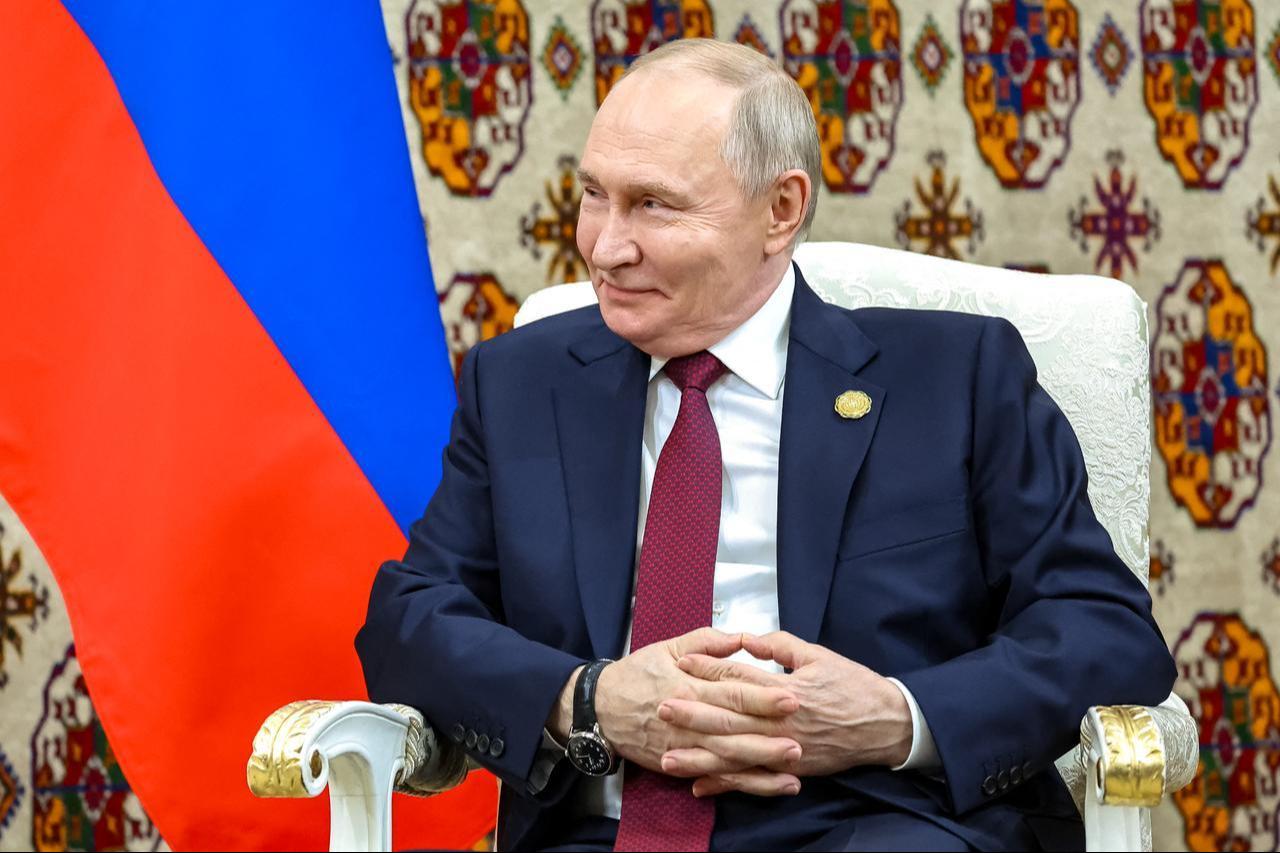

The warning originated from a meeting Putin convened earlier Tuesday with officials of Russia's Federal Security Service (FSB) in Moscow, where the Russian president delivered a wide-ranging address covering terrorism, nuclear threats, and what he described as Western efforts to undermine nascent peace negotiations over Ukraine.
"Our flash information is now circulating in mass media," Putin told the FSB board. "It refers to a potential explosion at our gas systems on the Black Sea bottom, the so-called TurkStream and Blue Stream."
Putin framed the alleged sabotage plans as part of a broader campaign by the West and Ukraine to torpedo diplomatic progress. "They just cannot calm down," he said. "They do not know what to do to destroy the peace process with an attempt to resolve it by diplomatic means." He accused adversaries of engaging in provocative actions and doing everything in their power to undermine what has been achieved on the negotiating track.
The Russian president asserted that the West's efforts to inflict a strategic defeat on Russia had failed, and that the enemy had instead turned to "individual and mass terror." He also made references to possible transfers of nuclear components, stating that there are reports the enemy intends to use nuclear materials, and that "they presumably understand what that could lead to."
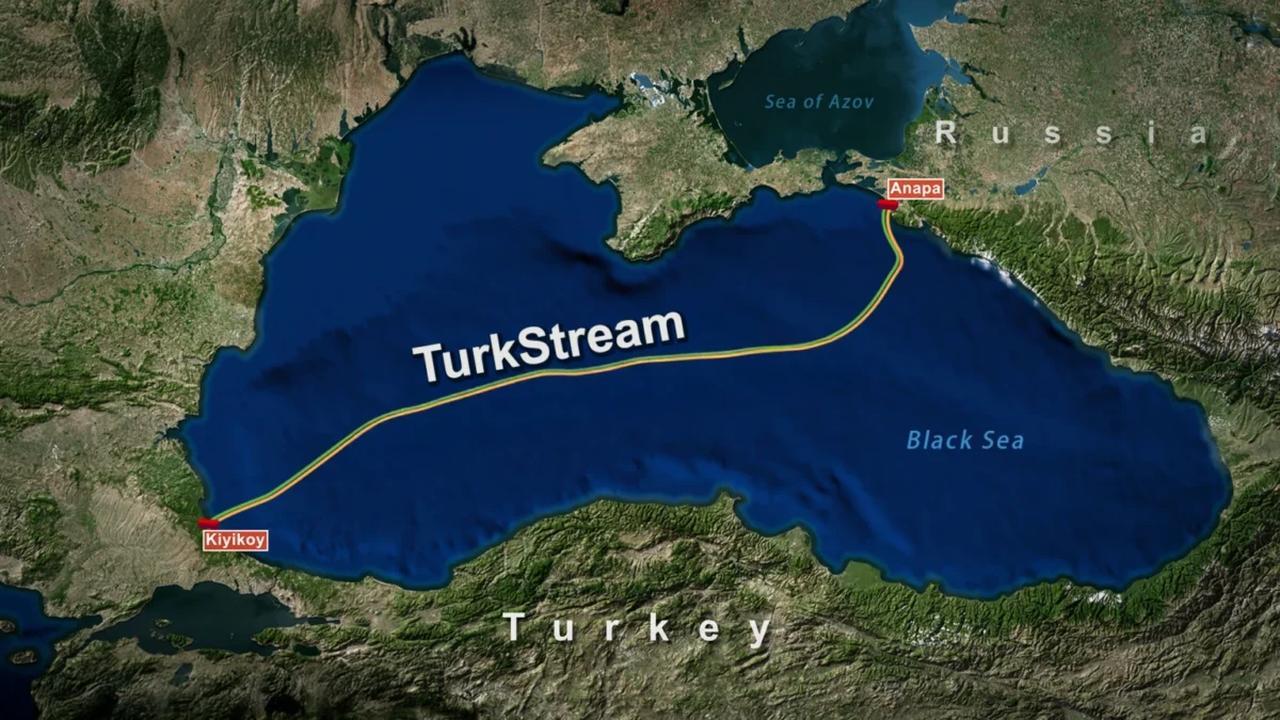
The two pipelines named by Putin represent critical energy infrastructure for Türkiye and, increasingly, for southern and southeastern Europe. TurkStream, which became operational in January 2020, runs roughly 930 kilometers across the Black Sea floor from the Russian coastal town of Anapa to Kiyikoy in northwestern Türkiye. With a total capacity of 31.5 billion cubic meters per year across two parallel lines, one string supplies Türkiye's domestic market while the second feeds gas onward to Bulgaria, Serbia, Hungary, and other European nations.
Blue Stream, the older of the two pipelines, has been carrying gas from Russia to Türkiye's Black Sea coast near Samsun since 2003. Built as a joint venture between Russia's Gazprom and Italy's Eni, Blue Stream has a capacity of 16 billion cubic meters per year and runs at depths of up to 2,150 meters. It delivers gas primarily to Türkiye's domestic network, with its onshore section terminating in Ankara.
Together, the two pipelines supply a substantial share of the roughly 54 billion cubic meters of natural gas Türkiye consumes annually. Following the expiration of the Russia-Ukraine gas transit contract at the end of 2024, TurkStream became the sole remaining pipeline route through which Russian gas reaches European Union markets, dramatically elevating the strategic significance of the infrastructure.
 1 min read
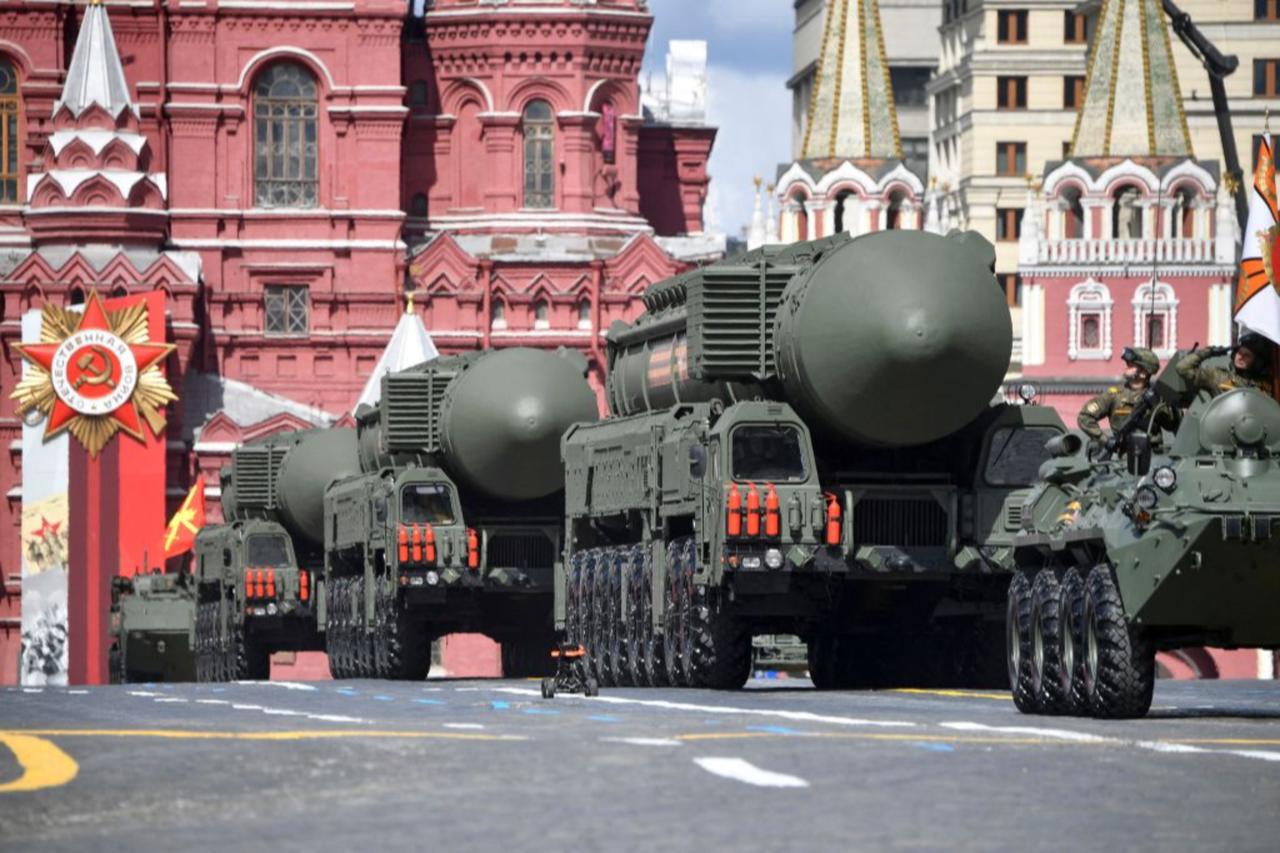
Moscow's warnings about potential sabotage of the Black Sea pipelines are not unprecedented. In January 2025, Russia's Defence Ministry reported a failed Ukrainian drone strike targeting a TurkStream compressor station in the Krasnodar region, which Moscow labelled an "act of energy terrorism." A similar attempt was reported in May 2023. German magazine Der Spiegel previously reported that a group of Ukrainian operatives trained by the CIA had planned simultaneous attacks on both Blue Stream and TurkStream, though Kyiv has not publicly confirmed such plans.
The destruction of the Nord Stream 1 and Nord Stream 2 pipelines in the Baltic Sea in September 2022, which rendered both lines unusable, remains a defining episode in the energy dimension of the Russia-Ukraine conflict. With those routes severed, the TurkStream corridor has become the last direct pipeline link between Russian gas fields and European consumers.
Putin's remarks on Tuesday also addressed a recent explosion near Moscow's Savelyovsky railway station, which he said appeared to involve an individual recruited online whose device was detonated remotely. He attributed a rising number of terrorist incidents in Russia to Ukrainian intelligence services and their Western partners, and ordered the FSB to strengthen protections for defence officials, journalists, volunteers, and public figures.


 Set as preferred source
 Set as preferred source



 1 min read